
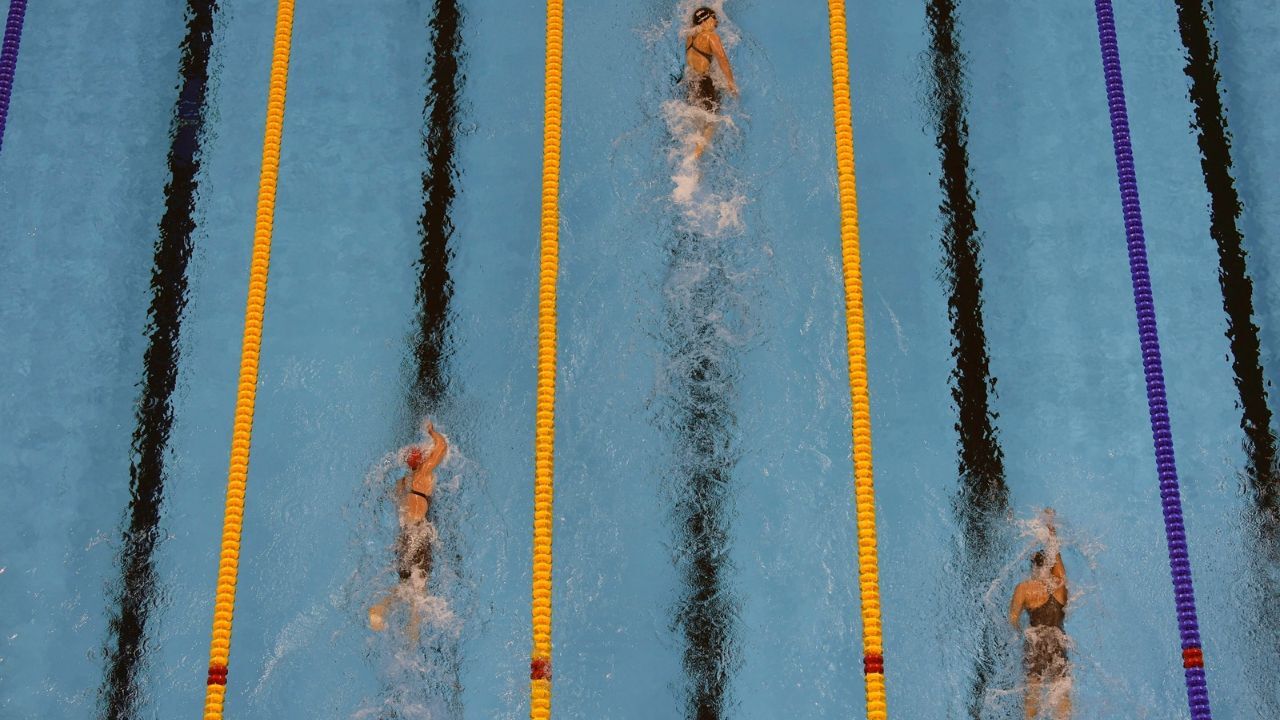
The World Aquatics Swimming Championships 2026 are almost here, bringing six days of high-speed short-course racing to Beijing’s iconic Water Cube. The championships run from December 1st to December 6th and feature more than 1,000 athletes from over 200 countries worldwide. This is the eighteenth edition of the short-course World Championships, following a record-breaking Budapest 2024 edition that produced thirty world records. For India, the event offers a valuable chance to test young talent against the world’s best swimmers.
World Aquatics Swimming Championships 2026: When And Where
The championships take place at the Beijing National Aquatics Centre, widely known as the Water Cube, in Beijing, China. The venue hosted swimming at the 2008 Olympics and remains one of the most recognizable pools in world sport. Competition runs across six days, with morning heats beginning at 10:00 am local time each day. Semi-finals and finals take place in evening sessions beginning at 7:00 pm local time, except on the final day. On Sunday, December 6th, the evening session begins earlier at 6:00 pm local time, allowing the championships to conclude in prime time.
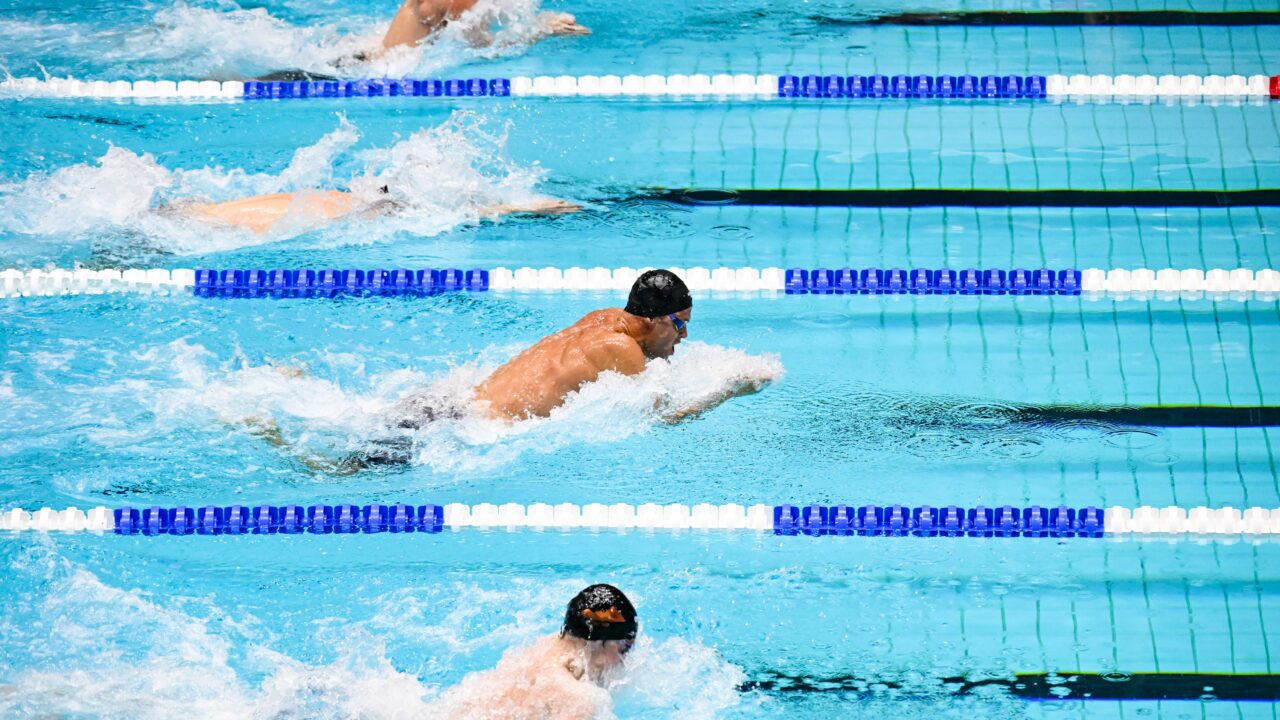
For Indian viewers, Beijing is two hours and thirty minutes ahead of IST, which makes the schedule particularly convenient for live viewing. Morning heats begin at 7:30am IST, while evening finals begin at 4:30pm IST on most days. The final day’s evening session begins at 3:30pm IST, giving Indian fans a perfect Sunday afternoon of world-class swimming action. World Aquatics has noted that the schedule remains subject to change, although no major alterations are expected before the opening heats.
Full Schedule Overview
The program includes thirty-six individual events and nine relays, with medals awarded across twenty-one men’s events, twenty-one women’s events and three mixed relays. Freestyle, backstroke, breaststroke, butterfly and individual medley are all included, covering distances from fifty meters to fifteen hundred meters. The six-day structure allows swimmers to balance heats, semi-finals and finals while managing recovery between their strongest events.
Day 1 — Tuesday, December 1: Opening heats begin in the morning, followed by the first evening finals that will set the tone for the championships. Short-course racing rewards fast starts, sharp turns, and powerful underwater work, making the opening session particularly unpredictable and exciting.
Day 2 — Wednesday, December 2: More heats and finals follow, with sprint freestyle, backstroke and butterfly events beginning to shape the early medal table. Indian swimmers are likely to feature in freestyle heats during this phase, where personal bests matter as much as final positions.
Day 3 — Thursday, December 3: Middle-distance freestyle and individual medley events take centre stage, testing versatility and endurance across the short-course format. Relays also begin to influence the medal table, with nations using depth to challenge traditional swimming powers.
Day 4 — Friday, December 4: The championships reach their midway point, with several marquee finals scheduled for the evening session in Beijing. Breaststroke and butterfly specialists will have opportunities to chase medals and potentially challenge existing world records.
Day 5 — Saturday, December 5: The penultimate day brings high-stakes semi-finals and finals, as medal contenders begin to separate themselves from the wider field. Team relays become increasingly important, because nations can use tactical changes to maximise their chances of reaching the podium.
Day 6 — Sunday, December 6: The final day features the remaining finals, with the evening session beginning earlier at 6:00pm local time in Beijing. The championships close with relay finals and celebration, before attention turns towards the next Olympic cycle and future long-course events.
India Squad: Who To Watch
World Aquatics has not yet published a fully confirmed Indian entry list, although India’s core group is expected to feature swimmers who performed strongly through 2026. Dhinidhi Desinghu is the standout name, having won two bronze medals at the Dakar 2026 Youth Olympics and established herself as India’s brightest swimming prospect. At only fourteen years old, she has already shown remarkable maturity, combining powerful freestyle technique with impressive composure on major international stages. Her participation would give the Indians genuine interest in women’s freestyle heats, particularly over one hundred and two hundred meters.
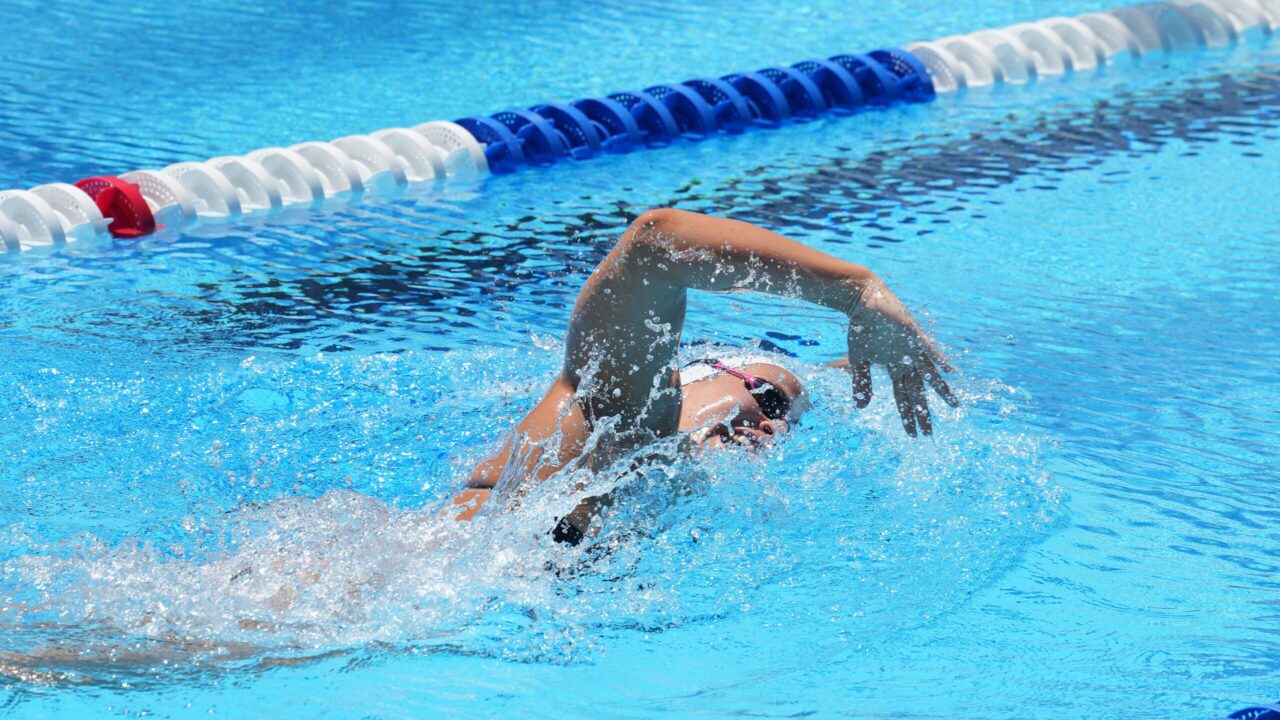
Sajan Prakash remains India’s most experienced international swimmer, having competed in multiple World Championships and Olympic Games throughout his career. His butterfly expertise makes him a natural leader for the squad, especially in the two hundred metres butterfly where he has long been India’s standard-bearer. Srihari Nataraj is another key name to watch, having built a strong reputation in backstroke events through consistent performances at Asian and world level. Aryan Nehra offers middle-distance freestyle depth, while Shoan Ganguly provides versatility across individual medley events for the Indian team.
India’s relay prospects will depend on squad depth, because short-course relays demand four swimmers capable of fast turns and explosive underwater speed. The Swimming Federation of India is expected to confirm the final squad shortly before departure, with entries based on qualifying times and recent national championship performances. Indian fans should therefore treat this section as a form guide, rather than an officially confirmed entry list, until World Aquatics publishes final start lists.
Results And Medal Tally: Live Position
No results have been recorded yet, because the championships begin on Tuesday, December 1 in Beijing. India’s medal tally currently stands at zero gold, zero silver and zero bronze, with all medals still to be decided across six days. Indian swimmers have historically found medals extremely difficult at this level, because short-course racing rewards nations with deep professional programmes and year-round access to elite facilities. The realistic goal for India will be personal bests, national records and progression beyond heats into semi-finals where possible.
At the last edition in Budapest 2024, swimmers set thirty world records, demonstrating how fast short-course racing has become at the elite level. Beijing’s Water Cube is expected to produce similarly rapid times, because the pool, atmosphere and quality of competition all favour record-breaking performances. Indian swimmers can use this environment to measure themselves against Olympic champions, world record holders and future stars of the sport.
How To Watch
Fans in India can follow the championships through World Aquatics’ official platforms, with live results available on the World Aquatics website and app throughout the event. International broadcast partners will provide live coverage of heats, semi-finals and finals, although exact Indian television details should be confirmed closer to the opening day. World Aquatics’ YouTube channel traditionally offers highlights, interviews and behind-the-scenes content, giving fans a valuable way to follow India’s swimmers. Live timing and start lists will be available before each session, allowing fans to track Indian athletes across heats and finals.
What’s your take? Post it in our free sports community at stadiumrant.app, or download Stadium Rant on the App Store.
End Of My World Aquatics Swimming Championships 2026 Rant: What Success Looks Like For India?
Success for India in Beijing will not be measured solely by medals, because the gap between India and traditional swimming powers remains significant at world level. Progress beyond heats, national records, and competitive performances against elite swimmers would represent meaningful improvement for the Indian program.
Dhinidhi Desinghu’s development will be particularly fascinating, because her Youth Olympics success suggests that she could become a long-term international contender. For Sajan Prakash and Srihari Nataraj, Beijing offers another opportunity to demonstrate leadership and inspire the next generation of Indian swimmers. If India can combine experience with emerging youth, this championship could become an important stepping stone towards future Asian Games and Olympic ambitions.
