
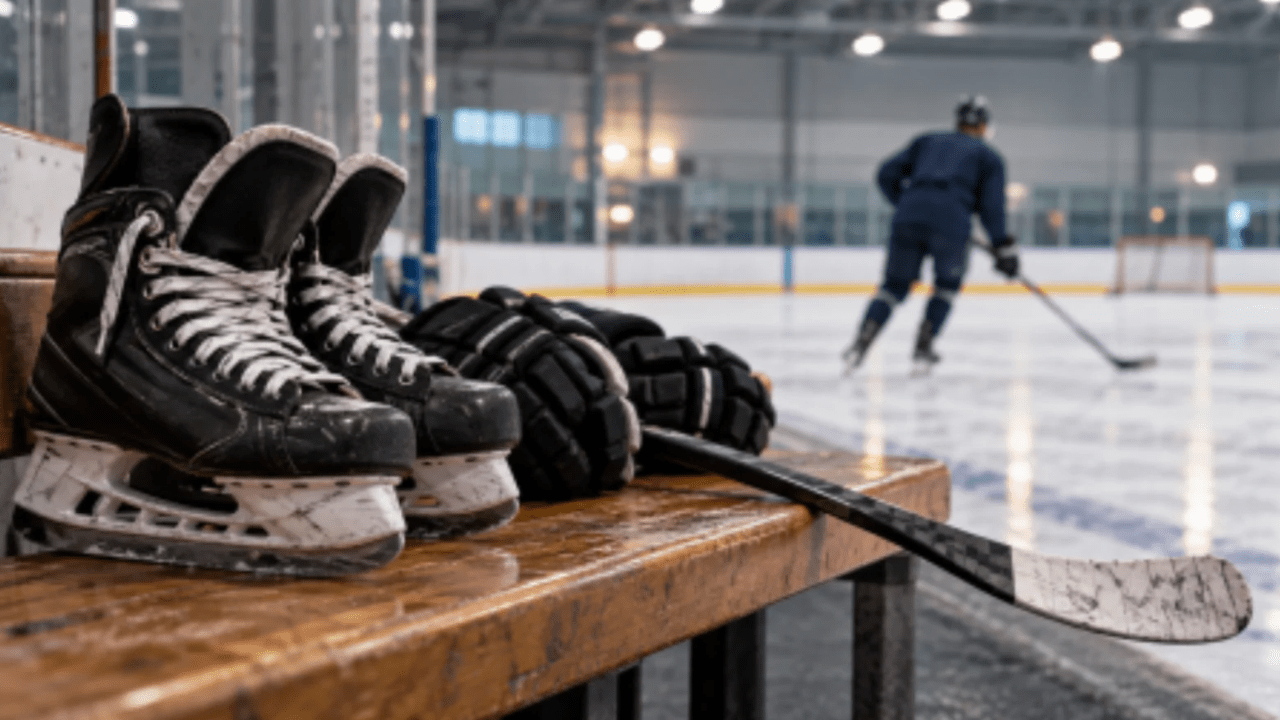
Watch an NHL game closely and the equipment starts to look like part of the player’s identity. You recognize the stick, notice the skates and wonder whether the same setup might make your own game feel a little sharper. For a fan preparing to play, that is an understandable place to start.
It is also an easy way to buy equipment for somebody else’s game. A professional’s preferences tell you what works for that player. They tell you very little about your feet, your shooting mechanics or the hockey you will actually play on a Tuesday night.
You can admire the setup without making it your shopping list.
The logo does not tell you whether the skates fit
An NHL broadcast gives you a good look at a skate’s branding. It cannot show you how the boot feels around your heel or whether its shape suits your foot.
That matters when you start comparing models. Skate fit involves length, width and foot volume, so two boots with the same size printed on the box may feel different. A model that suits a teammate can still put pressure on your foot or leave too much room in the wrong place.
Start with measurements and the manufacturer’s fit guidance, then try the skates on where possible. Ask a fitter to check the fit if you are unsure. Buying a larger size to escape a pressure point may simply trade one problem for another.
Consider the boot’s construction as well. Stiffness is something to discuss alongside your weight, skating ability and comfort, rather than choosing it because a professional wears that model. The useful question is whether you can move comfortably and feel supported in your skating stance.
A stick should match the shot you can actually take
The stick is probably the most tempting item to copy. A highlight shows a quick release, the puck hits the top corner and the model name is right there on the shaft.
Choosing one takes more than recognizing that name. Flex describes how stiff the shaft is: a higher rating means a stiffer stick. The right choice depends on your strength and shooting technique, as well as the stick’s length. If you struggle to bend the shaft during a shot, copying a favorite player’s flex has not helped you.
Length also changes the decision. Shortening a stick makes it feel stiffer, which is worth remembering before buying a model that needs a substantial cut. Decide on a workable length before treating the printed flex as the whole answer.
Blade curve and lie matter too. Lie describes the angle between the shaft and blade, affecting how the blade rests on the ice in your stance. Try a teammate’s stick during practice if they are happy to lend it. Pay attention to receiving passes and controlling the puck, as well as shooting. A comfortable option across those tasks is a better starting point than a familiar endorsement.
Build a setup for the hockey you play

Think about your actual schedule before deciding how much to spend. Someone playing several times a week may value a different combination of weight, feel and durability from a beginner attending one practice a week.
That does not mean a recreational player cannot enjoy premium equipment. It means the purchase should answer a specific need. Are your skates a poor fit? Does your stick feel too stiff? Are your gloves restricting your hands? Those questions are more useful than asking which player uses the newest release.
When browsing a specialist retailer such as Hockey Horizon, use the skate, stick and protective equipment categories to compare options against those needs. Narrow the choice by size, fit and intended use before letting a recognizable model decide it for you.
Protective equipment has to work together
Looking at each item separately can miss how the full setup feels. Gloves, elbow pads, shoulder pads, pants and shin guards all need to work with the way you move.
Try the equipment together when possible. Bend your knees into a skating stance, reach forward and rotate your arms. Notice whether anything shifts, catches or interferes with another piece. Follow the manufacturer’s fitting instructions rather than choosing solely from a size label.
Professional hockey is also a poor shortcut for deciding what your own league requires. Before buying a helmet and face protection, check with the program or league you plan to join. The same applies to any other mandatory equipment. Your setup needs to meet the requirements where you will play, regardless of what appears on television.
Leave room in the budget for ice time
Once you have suitable equipment, another upgrade is only one possible use of your money. A skating lesson or extra practice session deserves a place in that comparison.
For a new player, getting comfortable stopping, turning and receiving passes is an immediate task. An expensive stick will still be waiting for you to put it in the right position. Give yourself opportunities to learn what you need before replacing equipment that already fits and works.
You do not have to complete the perfect setup in one shopping trip. Start with appropriate gear, keep track of what bothers you during practice and make later purchases for a clear reason. It is much easier to judge an upgrade when you know what you want it to change.
Copy the habits you can practice
There is plenty worth borrowing from the NHL. Watch how a player prepares to receive a pass, keeps the stick available or moves into space before the puck arrives. Ask a coach how to practice those details at your level.
Keep enjoying the equipment side of the game, too. Trying a new stick or finding skates that feel right can be part of the fun. Just make the final choice for the player who will wear them. Your favorite NHL star already has a setup.
