
MLB pitchers are throwing nastier stuff than ever these days. Velocity and movement are up league-wide, and strikeout rates are at an all-time high. But what pitch was statistically the best in baseball this season? With a full regular season’s worth of data, that can now be determined.
To determine how effective a singular pitch was, it’s important to boil down the tens of thousands of data points into one tangible statistic: run value. A pitch’s run value is a sabermetric statistic that measures the estimated amount of runs saved or allowed by that pitch compared to the league average.
In 2025, the title of best pitch in baseball fell to the wicked changeup of Tarik Skubal, which posted a run value of 25. This year, four pitches topped that number.
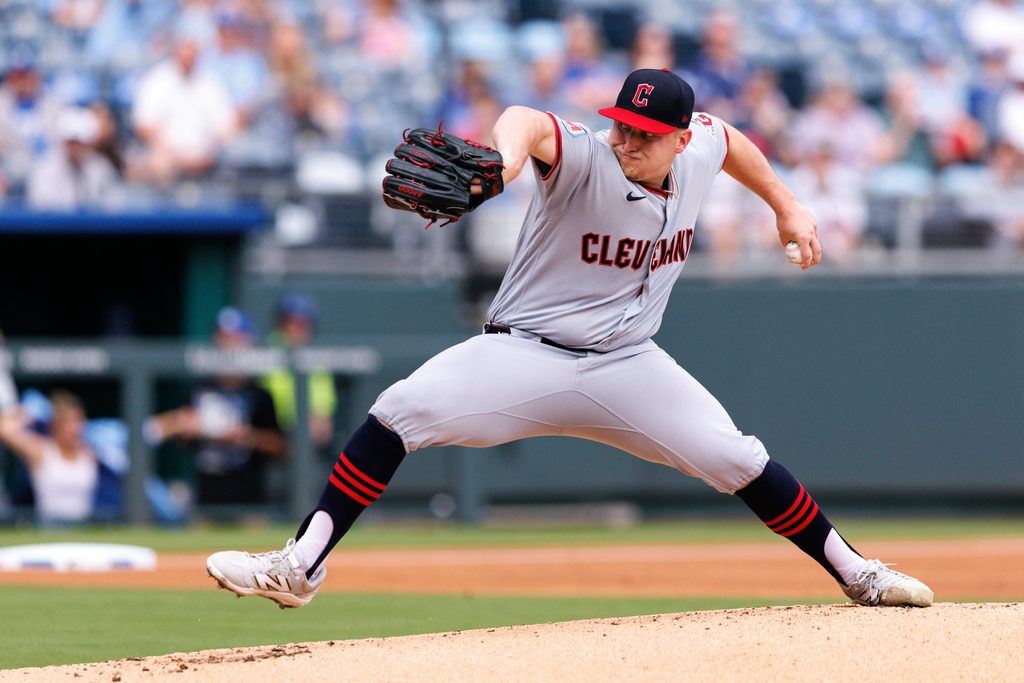
Ranked as the Guardians’ No. 14 overall prospect heading into 2025, Parker Messick wasn’t particularly well-known by the wider baseball community. It’s safe to say he is now.
After an impressive, albeit brief, cameo in Cleveland last year, the 25-year-old fully burst onto the scene in his rookie year this season. A 2.56 ERA across 32 starts and 186.1 innings this year will likely lead Messick to a top-five Cy Young finish, as well as a runner-up finish for Rookie of the Year in the American League. What’s been most impressive about his stellar rookie campaign is the manner in which he has found his success: a good ol’ four-seamer. His four-seamer has a run value of 26, the fourth-best mark in all of baseball.
Messick throws his fastball 42% of the time, 18% more than his next-most-used pitch. On the surface, there’s nothing remarkable about it. Averaging 94.4 MPH from the left side, it is considered “above-average” velocity for a Major League southpaw, but nothing to write home about. What makes it special is much more interesting than pure velocity.
Thrown from a low three-quarters arm slot, Messick’s heater features late life at the top of the zone, pairing well with his true put-away pitch, the changeup. His four-seamer features significant cutting action, atypical of the standard arm-side run that most four-seamers have. This gives the pitch more vertical break than the average fastball, forcing a lot of hitters to get under the pitch.
Even with the unique profile, what makes Messick’s fastball so effective is his command. He’s able to live at the top of the zone with heat, then pull the string with his nasty changeup at the bottom. The threat of the changeup allows his four-seamer to be one of the most valuable offerings in the game, holding hitters to a minuscule .186 batting average and .295 slugging percentage.
It’s the simplest style of pitching, but sometimes that is the most effective.
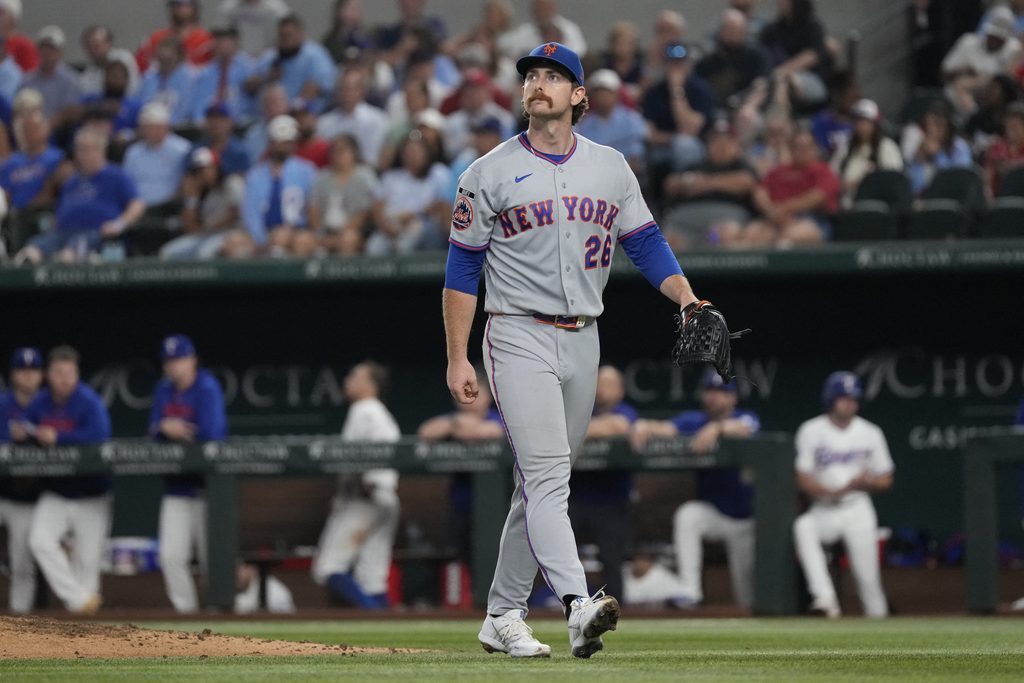
Nolan McLean generates some of the best movement in all of baseball, routinely posting record-breaking RPMs with his curveball and sweeper. However, his sinker actually grades out as by far his best pitch.
Coined a “demon” sinker by many, the Mets rookie’s primary offering is his best. With a run value of 27, it graded out as the third-best overall pitch in MLB this year. Averaging 16-18 inches of run to the arm side, it is a stark contrast to the big breaking balls he spins off the glove side. The pitch is also thrown with high-end velocity, as it averages 95.1 MPH and can get up to 98 MPH in spurts.
What’s most impressive about McLean’s sinker is its ability to neutralize both righties and lefties, as the run value is essentially the same against both sides. Against righties, the pitch holds a run value of 14. It’s equally effective against lefties, posting a run value of 13. Most right-handed sinkers are utilized heavily against right-handed hitters and used sparingly against lefties, but McLean is able to handle both sides with relative ease.
Thrown 35% of the time, the 25-year-old’s sinker is the driving force behind what is an impressive ground-ball profile for McLean, as he avoids the barrel and routinely induces weak contact. It’s clear to see why, as a hitter, having to think about a 3,400 RPM curveball from a low arm slot will make a 95 MPH two-seamer running in on the hands nigh on impossible to hit. The Oklahoma State alum rode that pattern to a very impressive rookie season, a bright spot in what was a torrid year for the New York Mets.
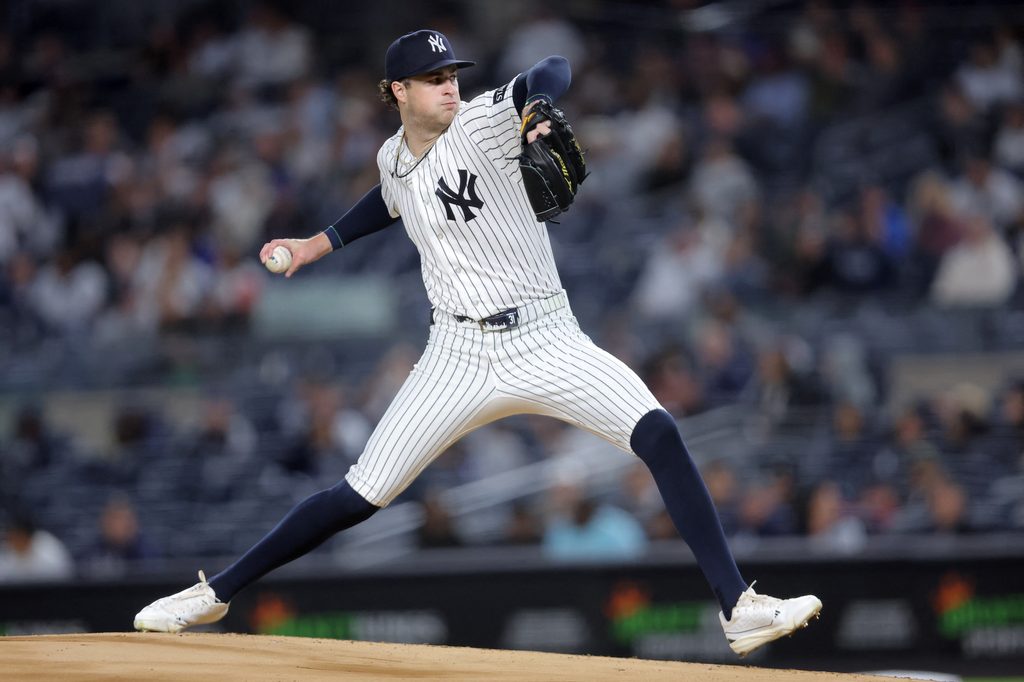
Cam Schlittler has taken the baseball world by storm this year, and, similarly to Parker Messick, he’s done it behind old-fashioned heat.
The 25-year-old features three fastball shapes, throwing one of those pitches a staggering 89.4% of the time. He’s not up there trying to fool guys with breaking balls. He’s going right at hitters. Between his four-seamer, sinker, and cutter, he utilizes his standard four-seamer the most. It’s understandable to see why, as it has posted a staggering 28 run value this season.
Unlike Messick, however, Schlittler’s strength comes from the velocity. His four-seamer sits at 98 MPH and routinely reaches into the triple digits, simply blowing hitters away at the plate. It features high spin and induced vertical break, garnering significant swing-and-miss at the top of the zone. Paired with good movement on his sinker and cutter, his four-seamer’s pure carry at the top rail yields some of the best results in all of baseball.
Opposing hitters are hitting just .163 off the pitch and slugging a measly .263. It’s been the catalyst behind a historic season for the Northeastern grad, who is all but confirmed to take home the American League Cy Young Award. His 1.95 ERA is the lowest mark by a Yankees starter since Ron Guidry’s MVP campaign in 1978.
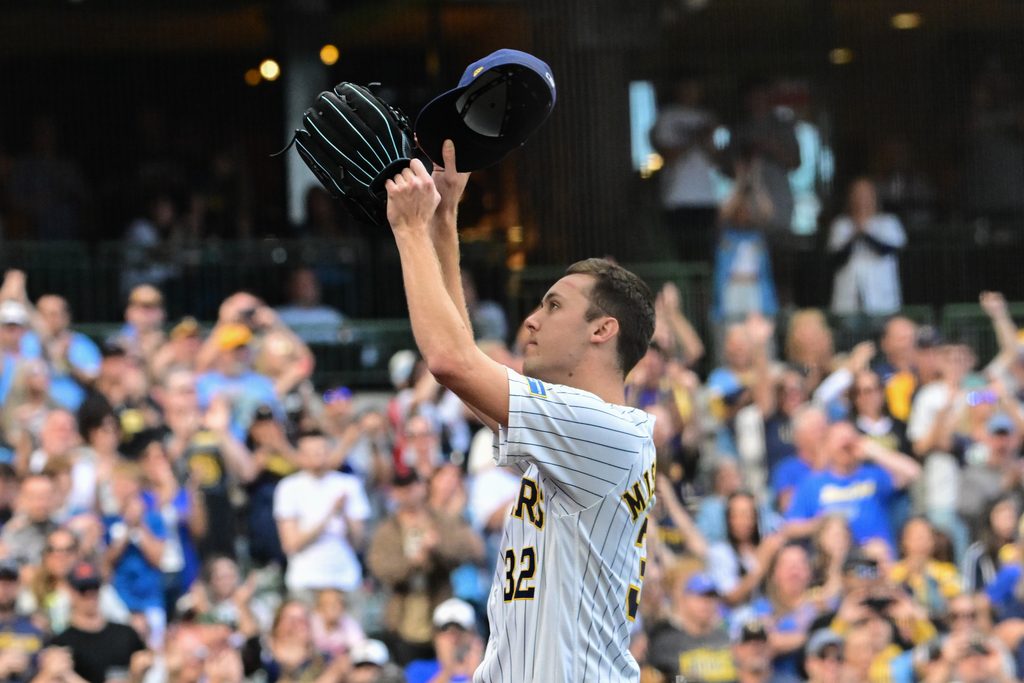
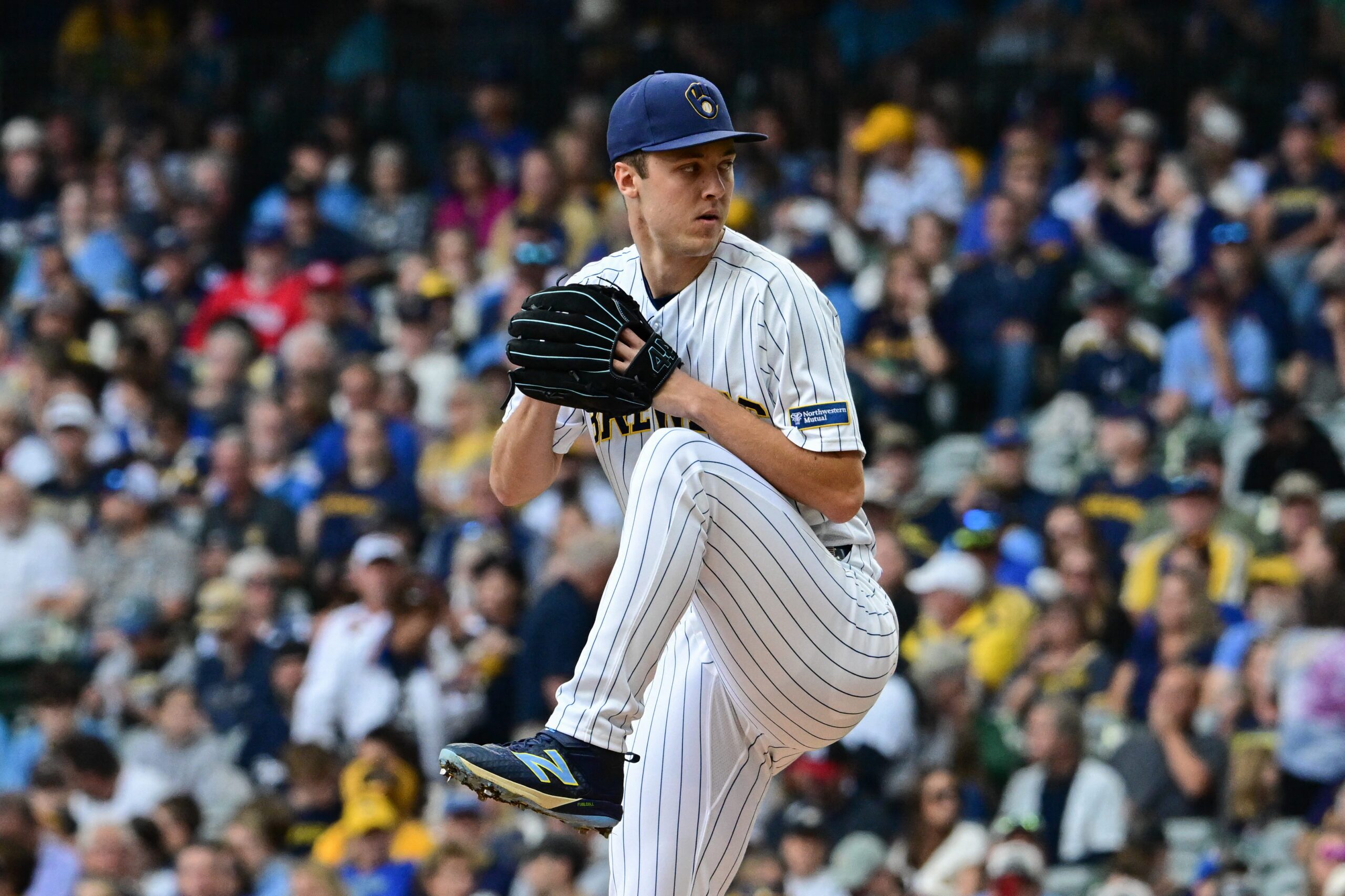
Is anyone surprised? In many ways, 2026 has been the year of “The Miz.” Misiorowski’s four-seamer has been statistically the best pitch in baseball this year, leading him to one of the more dominant pitching campaigns in recent history.
He throws his fastball over 60% of the time, and it’s clear to see why. Averaging 100.6 MPH and touching 105 MPH, he is the hardest thrower in the game of baseball. The run value on the pitch is 29, the highest mark in baseball this season and the most by any singular pitch since 2023. However, a lot of what makes the 24-year-old’s fastball special gets lost in the fascination with the radar gun.
Yes, he throws the baseball unimaginably hard. To hitters, however, it looks even faster. Standing at 6’7”, Misiorowski’s extension down the mound is 7.6 feet, the best in baseball. That means he is releasing the ball closer to the plate than any other pitcher in the game. It just so happens he throws harder than anyone else as well. Combine the two, and his brute strength comes to light. With the initial velocity and added extension, the peak “perceived velocity” of his fastball has reached 108 MPH.
Add onto that the threat of a wipeout curveball and hard slider, and it’s clear to see why the Brewers ace is a lock to win the National League Cy Young. It’s a testament to the hitters of today’s game that he’s even given up any runs at all.
To no one’s surprise, Jacob Misiorowski tops yet another list this year. His fastball is baseball’s best statistical pitch this season.
In an age dominated by wipeout sweepers and disappearing splitters, it is interesting to see that the four best pitches in baseball were all iterations of a fastball. It reinforces the simple thought that sometimes the hardest pitch to hit is a good fastball.
