
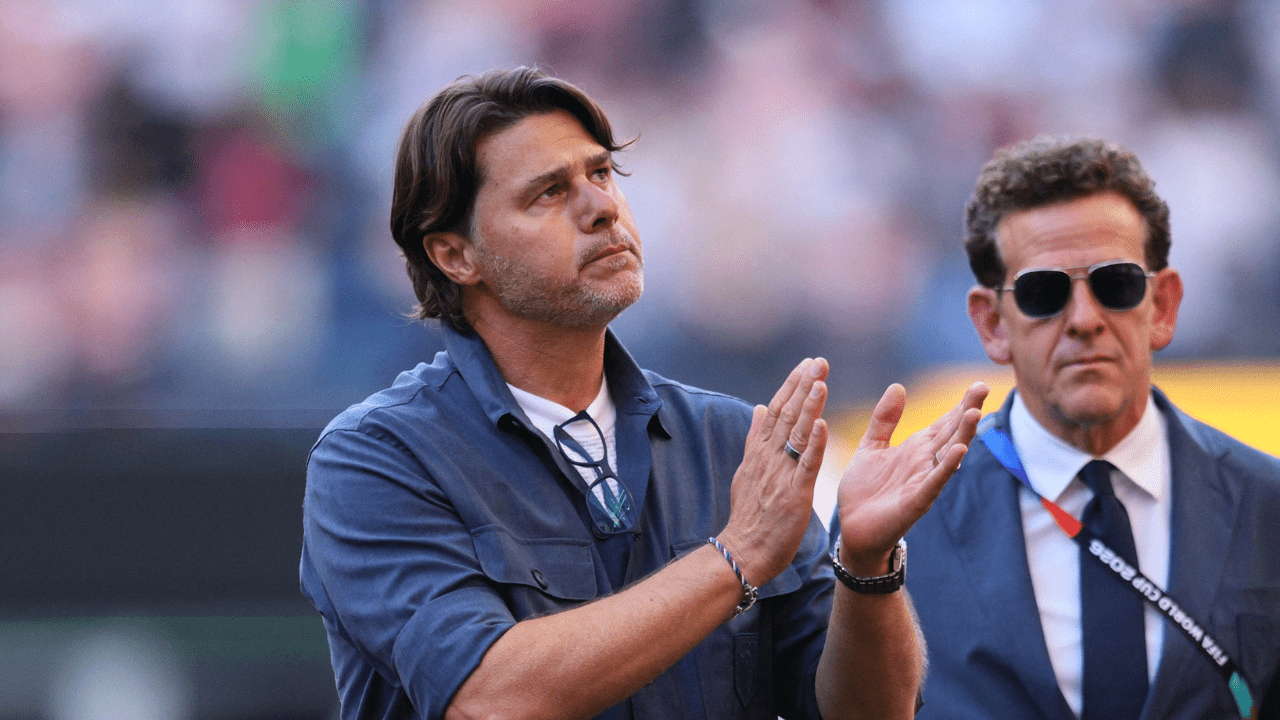
By September 2026, Mauricio Pochettino’s USMNT tenure has become harder to judge from memory alone. He inherited a team bruised by its 2024 Copa America exit, after U.S. Soccer dismissed Gregg Berhalter following group-stage defeats to Panama and Uruguay. Then came the appointment in September 2024, the first friendly win, the Concacaf setbacks, and the larger test of a home World Cup.
If there were doubts, the 2026 World Cup swayed a few people. The U.S. won its group, beat Bosnia in the knockout round, and then lost heavily to Belgium. The Belgium walloping aside, the tournament was positive enough to secure a new deal to 2030 for Pochettino. You can dislike the Belgium result and still acknowledge the earlier gains.
The mood before Pochettino arrived was poor. Berhalter had just exited after the team failed to advance from its Copa America group, following those embarrassing home-soil defeats. That exit turned a host-nation buildup into a coaching problem.
U.S. Soccer appointed Pochettino on September 10, 2024, presenting him as a manager with top-level European experience and a record of developing players. His first task had to be practical. He had to give the team structure and credibility before the World Cup arrived.
His debut brought a 2-0 win over Panama in October 2024, with Yunus Musah and Ricardo Pepi scoring. That result helped settle the room, but friendly wins only tell you so much. They show organisation. They don’t settle tournament questions.
The harder checks came later. The U.S. fell 1-0 to Panama in the 2025 Concacaf Nations League semifinal, then lost 2-1 to Mexico in the 2025 Gold Cup final. Those games kept doubt alive, because strong programs get judged on pressure nights. It’s all well and good making it to the latter stages, but what happens when you get there? That’s what a record is judged on.
For soccer fans who also bet, comparison pages can help organise the surrounding details. They don’t tell you whether a midfield pairing will work. They do help you check offer terms and eligibility. That habit suits USMNT predictions because soccer rewards context more than impulse.
Casino and sportsbook promotions carry conditions, and team forecasts need the same care. A current Stake.us offer page according to SBR places the headline beside eligibility notes, which is the right kind of reading habit for betting content. You still have to judge the match itself.
The World Cup gave Pochettino’s tenure its first large public test. The U.S. finished first in its group with six points, then beat Bosnia before losing 4-1 to Belgium in the last 16. That record explains why the conversation changed after July.
The campaign gave Pochettino the USMNT record for most World Cup wins by a head coach. What’s more, the team won its group outright for only the third time in program history. While the Belgium battering left a mark, it didn’t completely sully the optimistic mood around the team.
Ipsos found that 57% of Americans expected the 2026 World Cup to increase U.S. interest in soccer, while 44% planned to watch the tournament. That wider audience changed the prediction market around the team. More casual viewers began asking sharper questions.
Lionel Messi’s MLS presence added to the broader soccer education taking place in the country. Inter Miami says Messi signed a contract extension through the 2028 MLS season. His role doesn’t explain the USMNT’s tactical progress, but it has helped keep elite soccer visible to American fans.
After the World Cup, Pochettino’s new deal through 2030 changed the planning horizon. The next question concerns development. A coach with time can test players across Nations League windows and Gold Cup matches. He can also build patterns without treating every roster as a public referendum.
Enzo Fernandez gives a useful example of how modern midfielders get judged across different settings. He’s one of the best midfielders in international football, as successive World Cup final appearances would suggest. However, some still doubt the high fees he commands in the club game. U.S. prospects won’t follow the same route, but evaluators still watch passing range and pressure control.
The fairest reading of Pochettino’s reign has three parts. The team needed repair after Copa America. It showed flaws in Concacaf competition. It then produced a credible World Cup before a heavy exit against Belgium. That sequence should guide predictions better than memory alone.
For bettors and fans, the practical approach stays simple. Check the opponent. Read the squad list. Note injuries and travel. Treat the market price as one signal rather than a final answer. Pochettino has earned a longer look, but every USMNT forecast still needs evidence from the next match.
If you love sports, download Stadium Rant from the Apple App Store and join one of the fastest-growing social sports communities. Be sure to follow us on socials too — you can find all our profiles on our Linktree.
