

The Vegas Golden Knights delivered a massive performance in Game Three of the Western Conference Final, storming back from an early deficit to defeat the Colorado Avalanche 5-3 with five unanswered goals. What started as another fast-paced Colorado performance quickly turned into Vegas completely taking over the game physically, emotionally, and offensively.
The Avalanche struck first and looked dangerous early, controlling possession through the neutral zone and generating several quality scoring chances in the opening period. Their speed immediately put pressure on the Golden Knights’ defense, and for a brief stretch, it looked like Colorado was going to continue its postseason dominance.
Vegas, however, flipped the momentum midway through the second period. A strong forecheck began forcing turnovers deep in the Avalanche’s zone, and the Golden Knights started winning puck battles along the boards. The energy inside T-Mobile Arena completely changed once Vegas found its rhythm offensively, leading to the Golden Knights taking a 3-0 series lead.
The Colorado defense struggled badly once the pressure intensified. Missed assignments and failed clears gave Vegas extended offensive-zone time, and the Golden Knights capitalized repeatedly. By the third period, the Avalanche looked overwhelmed trying to stop Vegas’ attack.
The Golden Knights also dictated the physical side of the game. Big hits, aggressive puck pursuit, and constant pressure prevented Colorado from establishing its usual transition game. Instead of attacking with speed, the Avalanche spent much of the night chasing the puck and defending inside their own zone.

Mark Stone once again proved why he remains one of the most impactful playoff performers in hockey. Stone’s leadership and two-way dominance were everywhere throughout Game Three, especially after Vegas settled into the game offensively.
Stone’s fifth playoff goal shifted momentum entirely for the Golden Knights. The captain buried a finish that ignited both the crowd and the Vegas bench, and from that point forward, the Golden Knights played with significantly more confidence and aggression.
Beyond the scoring, Stone constantly disrupted Colorado’s breakout attempts with his defensive awareness and stick positioning. The forward forced turnovers in key moments and helped create transition opportunities that led directly to scoring chances, ending the game with two points and second star honors.
What makes Stone so valuable in playoff hockey is his ability to impact every area of the game. The veteran doesn’t need to dominate the stat sheet to completely change momentum, and Game Three felt like another reminder of how important he is to Vegas’ 2026 Stanley Cup hopes.

Tomas Hertl also delivered one of his strongest performances of the postseason in Game Three. Hertl’s physicality and offensive-zone presence gave the Avalanche problems all night, particularly around the front of the net.
Hertl consistently created traffic in front of Colorado’s goaltender and helped generate second-chance opportunities. One of the Golden Knights’ key goals came after Hertl battled through defenders to keep a play alive near the crease before finishing the sequence himself.
The veteran’s chemistry with Vegas’ top forwards was noticeable throughout the game, and with two points, Hertl was named first star. The Golden Knights cycled the puck effectively and repeatedly forced the Avalanche’s defense into uncomfortable situations below the goal line. Hertl became a major part of that pressure because of his ability to protect the puck and extend possessions.
Vegas needed secondary offensive production entering this series, and Hertl delivered exactly that in Game Three. His performance added another layer to a Golden Knights lineup that suddenly looks capable of matching Colorado offensively.
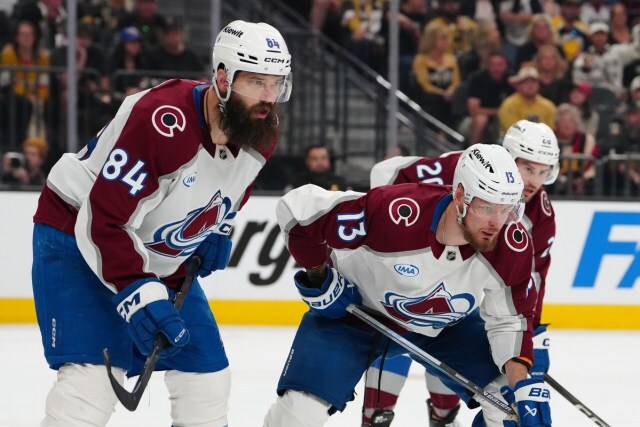
For much of the 2025-26 season, the Avalanche rarely looked vulnerable. They dominated the regular season, finished atop the NHL standings, and entered the playoffs viewed by many as the Stanley Cup favorite.
Now, after the Game Three collapse, Colorado suddenly faces real adversity.
The Avalanche looked frustrated once Vegas grabbed momentum. Colorado’s clean puck movement disappeared, defensive coverage became inconsistent, and their normally explosive offense struggled to generate dangerous opportunities late in the game.
The Avalanche’s biggest issue may have been composure. Once the Golden Knights tied the game, Colorado started forcing plays offensively instead of trusting their structure. That led to turnovers, rushed decisions, and odd-man rushes going the other way.
The Avalanche stars still generated flashes offensively, but Vegas limited sustained pressure and prevented Colorado from controlling the pace the way it usually does. For perhaps the first time this postseason, the Avalanche looked uncomfortable and uncertain defensively.
Still, elite teams typically respond well after bad losses. Colorado remains loaded with superstar talent and playoff experience, making Game Four one of the most important games of their season.

Whenever the NHL’s top regular-season team struggles in the playoffs, discussion about the President’s Trophy curse immediately returns. Colorado’s Game Three loss only intensified those conversations.
The Avalanche carried enormous expectations into the postseason after finishing with the league’s best record, and met those expectations through the first two rounds. While regular-season dominance proves overall talent and consistency, playoff hockey is an entirely different challenge emotionally and physically.
Vegas entered this series playing freely, while Colorado carries the pressure of being expected to win the Stanley Cup. That difference became noticeable once momentum shifted in Game Three. The Golden Knights attacked aggressively with confidence, while the Avalanche appeared tense trying to regain control.
The so-called curse is less about bad luck and more about pressure. Every mistake becomes magnified when a team spends the entire year being labeled the NHL’s best. Opponents also bring maximum intensity against teams carrying that reputation.
Colorado still has plenty of time to respond, but Game Three served as another reminder that postseason success is never guaranteed, regardless of regular-season dominance.
Game Three completely changed the feel of the Western Conference Final. Vegas looked faster, more physical, and far more confident once momentum turned in its favor. The Golden Knights reminded everyone why playoff experience matters and why they remain one of the NHL’s toughest postseason teams to eliminate.
Meanwhile, Colorado suddenly faces pressure it has not dealt with much all season. The Avalanche still possess elite talent capable of winning the Stanley Cup, but Game Three exposed weaknesses Vegas will absolutely continue trying to exploit moving forward.
Now the spotlight shifts to Game Four, where Colorado’s response will define the entire series. It’s win-or-go-home for the Avalanche. Can they respond accordingly?
Have a reaction? Join the Stadium Rant iPhone App open sports community and tell us.
