
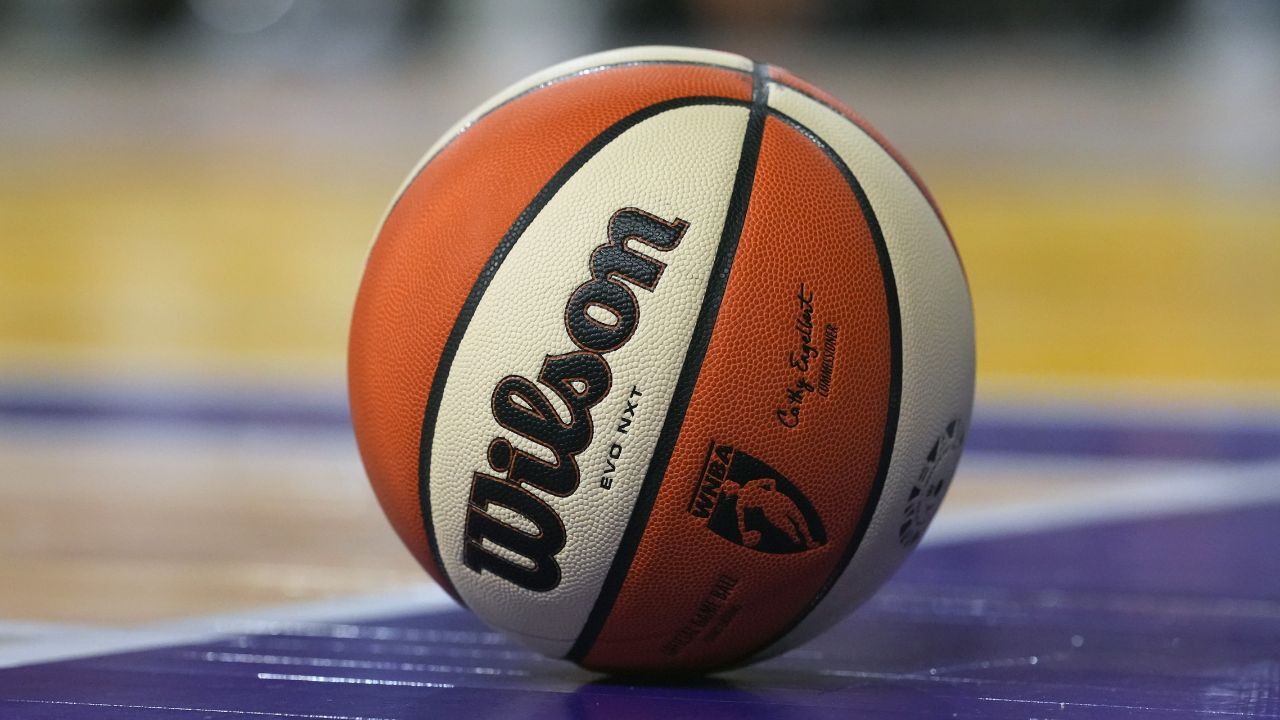
The WNBA’s eligibility debate now comes down to women’s sports fairness and whether the league’s rules clearly protect competitive integrity. After controversy surrounding player comments in July, commissioner Cathy Engelbert indicated the league would review its gender-eligibility policy. That discussion arrives only months after the WNBA and WNBPA finalized a new collective bargaining agreement.
The agreement, signed on May 22, states that only women are eligible to play in the WNBA, but it does not publicly provide a detailed definition or eligibility procedure. That lack of clarity has intensified the debate as players, executives, and fans consider what competitive fairness should mean. The league now has an opportunity to establish a transparent standard before an eligibility dispute forces the issue onto the court.
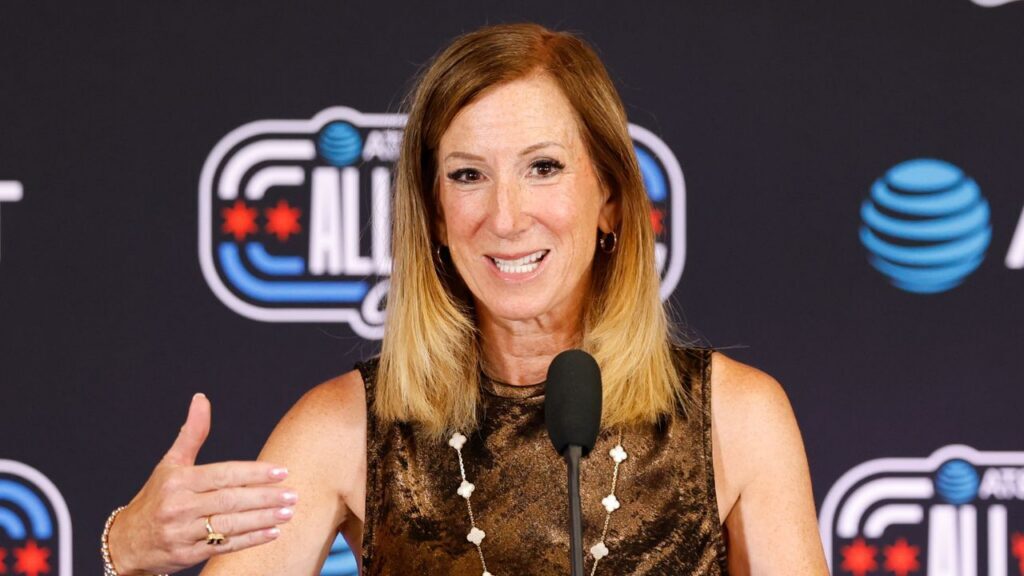
The WNBA needs clear eligibility rules if women’s sports fairness is going to remain at the center of its competition. The league’s current collective bargaining agreement states that only women are eligible to play, yet its publicly available language does not specify how eligibility should be determined. That uncertainty has become increasingly difficult to ignore as the debate moves from social media into league discussions.
Clear standards would benefit everyone involved, including players, teams, and fans. The league has an opportunity to establish those expectations before an eligibility dispute reaches a draft, roster, or game. The same WNBA that continues expanding its audience must also demonstrate that its competitive standards can withstand greater scrutiny.
That growth has already produced remarkable basketball and increased attention across the league, including the Minnesota Lynx’s historic run, as discussed in a recent Stadium Rant opinion piece. A clear eligibility framework would help ensure that the league’s expanding profile is matched by rules that remain understandable and consistently applied.
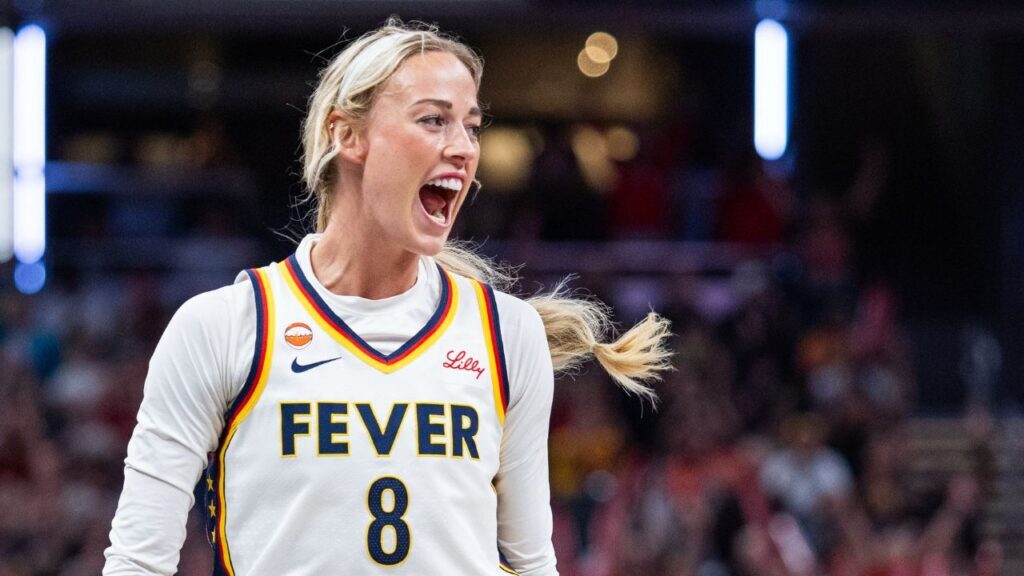
Competitive fairness has to remain the WNBA’s priority because the league exists to provide a women’s professional basketball competition. Respecting individual athletes does not eliminate the need for eligibility standards that protect the purpose of that competition. The league therefore needs to determine what qualifications should govern participation before an eligibility dispute reaches the court.
That responsibility becomes even more important as the WNBA continues attracting unprecedented attention. Players and teams should know the standards before competition begins, while fans deserve confidence that those standards are applied consistently. A clearly defined policy would give the league a stronger foundation for addressing difficult questions without leaving competitive fairness open to interpretation.
The WNBA does not have to choose between respecting athletes and protecting women’s sports fairness. Its history of supporting LGBTQ + inclusion demonstrates that the league understands the importance of making athletes feel respected and welcome. The current eligibility debate, however, asks a separate question about how competitive standards should be established.
Layshia Clarendon became the league’s first openly transgender and nonbinary player and publicly advocated for transgender athletes during their career. Their experience shows why this conversation involves real people, not simply an abstract policy debate. The league can recognize those experiences while still establishing transparent eligibility standards for its women’s competition.
That distinction could help move the discussion away from personal attacks and toward workable policy. Inclusion should mean treating athletes with dignity, while competitive rules should clearly explain who is eligible to compete. A thoughtful approach can protect both principles without pretending the questions surrounding eligibility are simple.
Recent controversy has shown why the WNBA can no longer leave eligibility questions open to interpretation. Sophie Cunningham’s comments brought renewed attention to transgender participation, while subsequent developments involving former NBA players pushed the discussion even further into the league’s spotlight. The resulting debate has forced league leadership to address an issue that previously received far less public attention.
Cathy Engelbert has now told teams that the league will continue discussing transgender participation, with team executives expected to address the issue. That response does not mean the WNBA has changed its eligibility rules, but it does acknowledge that clearer answers are needed. The controversy has therefore created an opportunity to establish standards before another dispute forces the league to react.
Women’s sports fairness should define the WNBA’s next move as the league considers how to clarify its eligibility standards. The current controversy has shown why broad language can create uncertainty when players, teams, and fans need to understand who can compete. Establishing a transparent policy would allow the league to address those questions before another dispute forces an immediate response.
The WNBA should work with its players’ union to create standards that are clearly written, consistently applied, and centered on competitive integrity. Respect for athletes should remain part of that process, but inclusion cannot replace the need for understandable competition rules. If the league handles this carefully, it can protect women’s sports fairness while giving everyone greater confidence in how eligibility decisions are made.
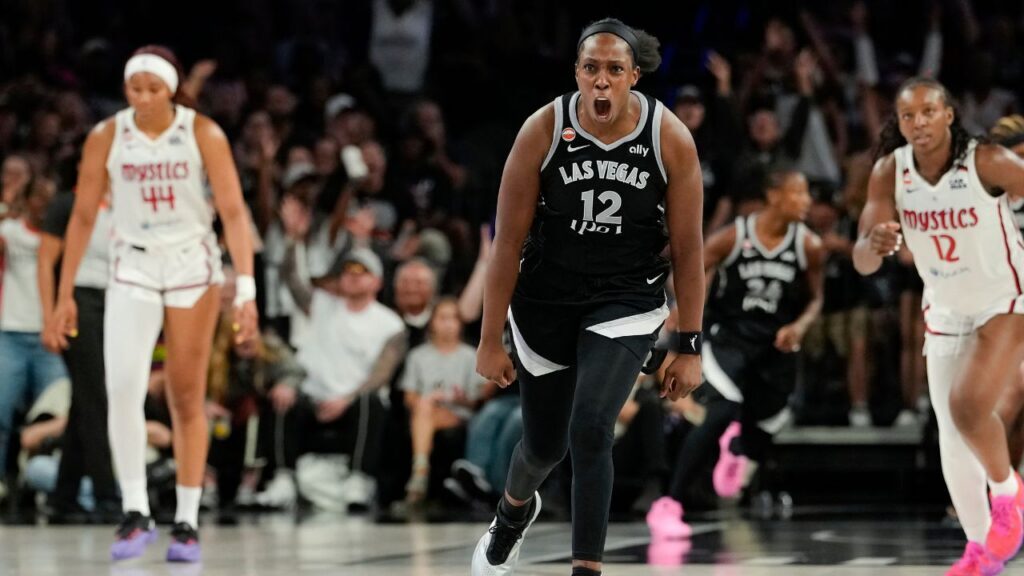
The WNBA’s eligibility debate has become too important to leave unresolved. Women’s sports fairness deserves clear standards that protect competitive integrity while allowing every athlete to be treated with dignity. The league now has an opportunity to establish those standards before another controversy forces the decision.
Whatever policy ultimately emerges should be transparent, consistent, and understandable to everyone involved. The WNBA has built tremendous momentum, and protecting the integrity of its women’s competition should remain part of that progress. Getting this decision right could strengthen confidence in the league for players, teams, and fans alike.
