
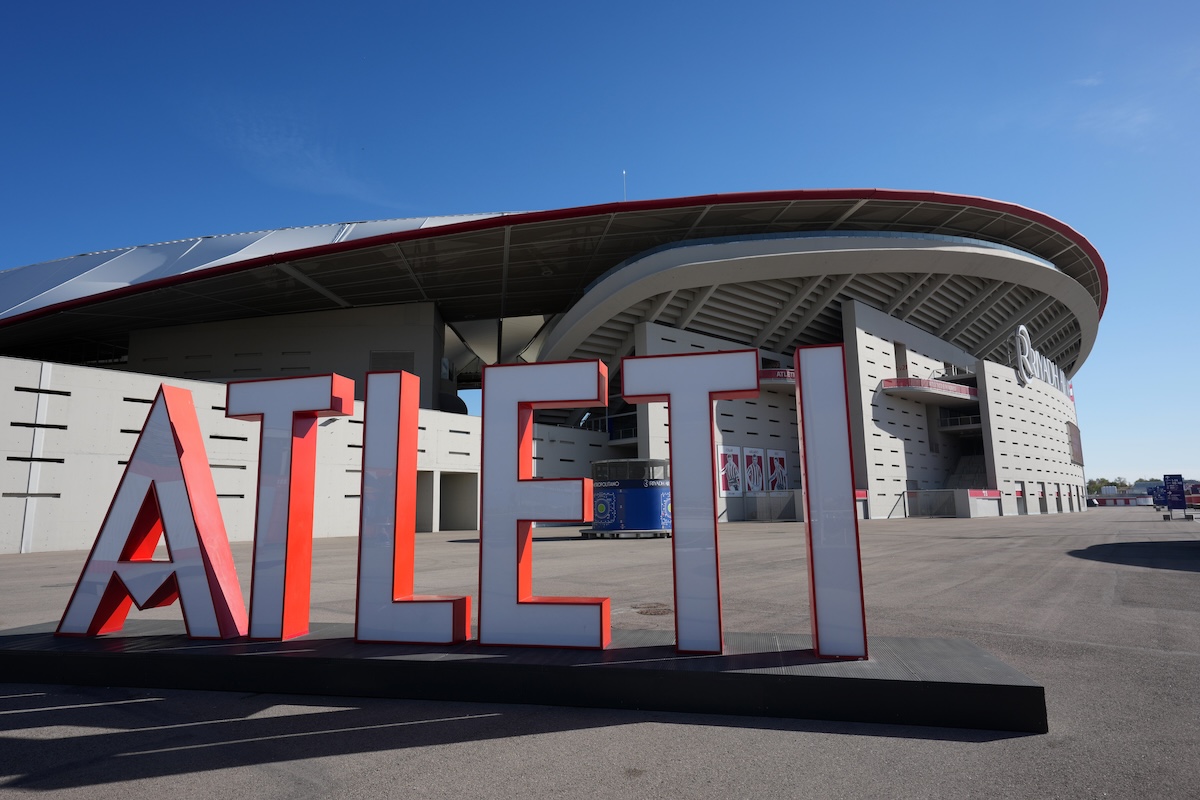
On Tuesday evening, the eyes of all Spanish football fans, no matter who they were rooting for, were directed towards the fratricidal match between Atlético Madrid and FC Barcelona. The former came into the game with a decided advantage, and although Blaugrana played well, they could not make up for the two goals lost at the Camp Nou. The question is, was the game entirely in their hands, or had the strings of fate been, at least partially, pulled by questionable refereeing?
The first few minutes of the tense game were straight out of Barcelona’s wildest dreams. After Atlético’s mistake, Lamine Yamal found an opening that let him break through his opponents’ defence. The players who chased him as he ran towards the goal could only watch as he opened the score, breathing hope into the lungs of his teammates.
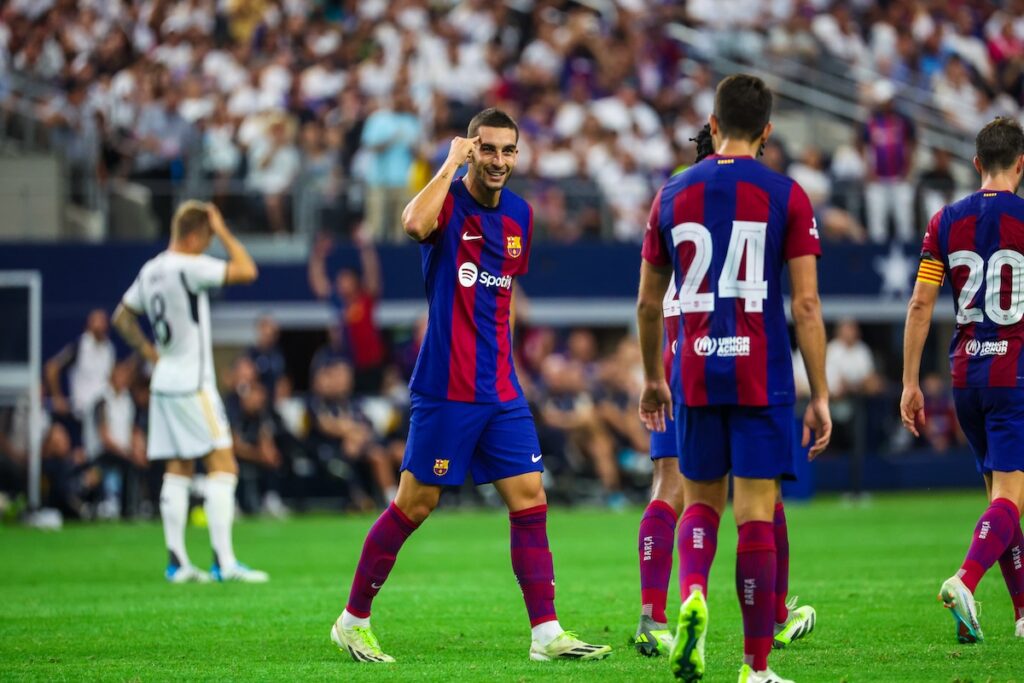
Barcelona worked like a well-oiled machine in the first minutes. The players communicated flawlessly, and Atlético had little say in what was happening on the field. It was therefore no surprise when, in the 24th minute, the score changed again. Dani Olmo managed a phenomenal pass to Ferran Torres, who converted the chance into the second goal for Blaugrana. He leveled the playing field with more than two-thirds of the match still to go. Everything was going Barcelona’s way… Until it wasn’t.
Having gotten the score to where they needed it to be, Barcelona pressed again, creating a good goal-scoring opportunity only a few minutes after Ferran’s goal. Fermín López, who found himself in the centre of the action, didn’t manage to convert it into a goal. What’s more, he paid a high price for his attempt. After shooting to the best of his abilities, he fell, and his face made contact with Juan Musso’s leg. Blood immediately streamed down the young player’s face, and it took quite a while to get him back into shape. To his credit, he did not leave the field.
The chaos caused by Fermín’s accident broke Barcelona’s perfect rhythm and gave Atlético an opportunity to score for the first, and only, time that evening. Ademola Lookman was the man who rose to the occasion and made the Metropolitano roar. The Catalan team tried to answer and managed to put the ball in Musso’s net not long after the beginning of the second half. Although Ferran, the man who was responsible for the would-be goal, had already managed to celebrate, a VAR check led to it being deemed offside.
Barcelona’s final blow came when history repeated itself in the last way they could’ve wanted it to. Alexander Sørloth found himself at the right place at the right time and charged towards Joan García’s goal with no defenders ahead of him. Eric García, desperate to prevent the man from scoring, pushed him from behind. The intervention earned him a direct red, perfectly mirroring the situation faced by Pau Cubarsí in the first leg. 1:2 remained on the scoreboard until the end of the game. Although the victory technically belonged to Barcelona, the goal difference wasn’t big enough to earn them a place in the semifinals.

The game, just like its first leg, was riddled with refereeing controversies. In the 40th minute, the ball was played to Olmo, who was in Atlético’s penalty box. As he prepared to shoot, he was pushed by one of the defenders and fell without attempting a possibly game-changing action. Although Barcelona hoped to get a penalty following the contact, it was not awarded. What’s more, VAR was not used to ensure a fair resolution to the situation.
The second questionable call was related to the defense that ended García’s evening. While he undeniably tried to stop Sørloth, his fault in the action was not clear-cut. Some replays showed that the Norwegian did not fall due to contact with García, but instead tripped on his own a moment later.
Barcelona had already filed a complaint over the refereeing in the first leg and added a second one following Tuesday’s match. Despite the general atmosphere within the team, when asked about the topic following the game, Hansi Flick refused to add fuel to the fire:
“I don’t want to talk about that, because we can’t change it. We can’t change those things. (…) We have to accept it. It’s good for you that I talk about it, but I just don’t want to.”
I am focusing on the slights against Barcelona, not to claim that they were robbed of a victory, but to showcase a wider problem within European football. A similar article could be written about various matches and from the perspective of many different teams. Issues with refereeing are nothing new, but in recent years, they have become more prominent than ever. The match between the two Spanish teams is not the only quarterfinal game to be called out for glaring mistakes, as anyone who watched the meeting between Real Madrid and Bayern Munich will attest.
The jokes about La Liga having a problem with the people they hire to officiate the games are only funny to a certain point, and when the issue spills over to the Champions League, the laughter dies in the fans’ throats. It’s one thing to see a team eliminated due to the flaws in their strategy or communication, and another to watch them leave after a string of bad refereeing decisions. If nothing is done about the game-ruining problem, instead of enticing new fans, football will slowly lose the ones who had already given it years of passion.
As I have already mentioned, Barcelona has filed two complaints to UEFA over the officiating of the quarterfinals. The first one was quickly dismissed, and the second one will most certainly meet the same fate. Still, it is important for the teams to show that they will not let the game be destroyed by continuous refereeing controversies. Football deserves better than to be locked in a never-ending loop of the same fights and discussions.
