
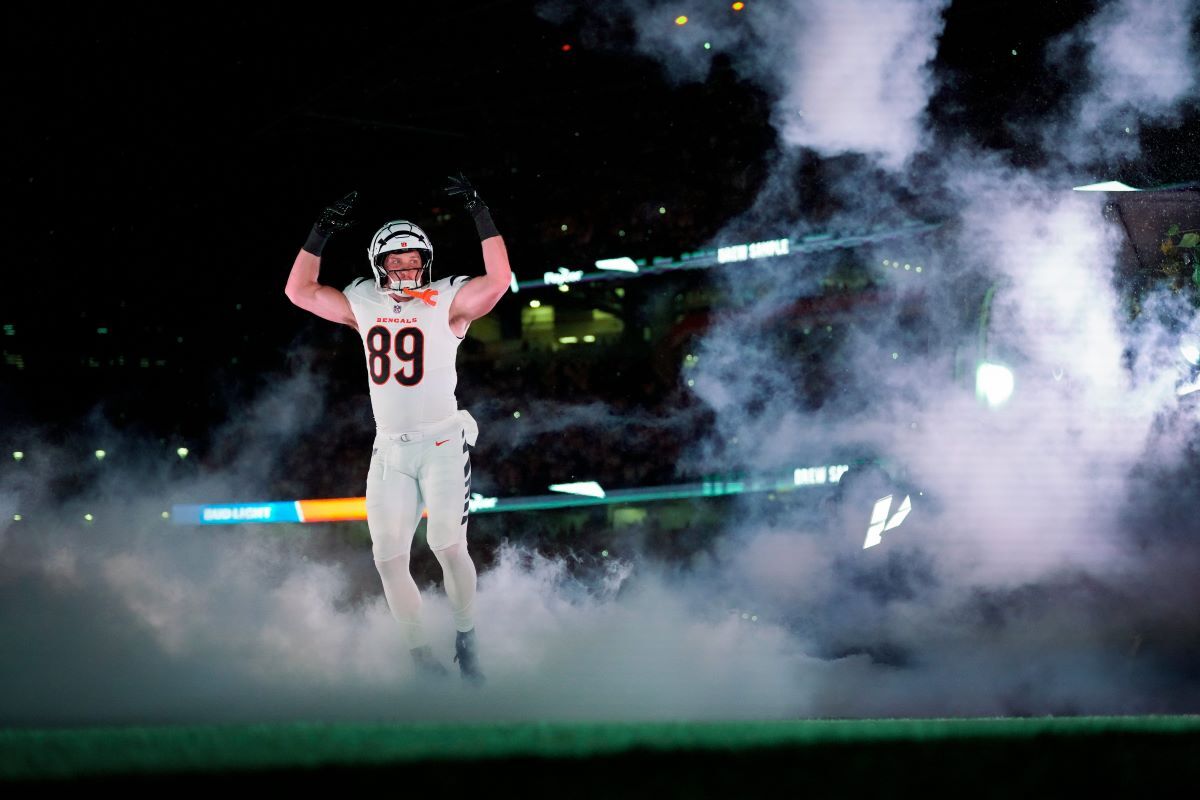
The NFL is easily the most popular professional sports league in America, and its reign of dominance looks to be extending, rather than winding down. Turning 105 years old in 2025, the NFL has seen many changes since its founding in 1920, some to the game itself, and some to how fans can view games.
Here’s a look at how the NFL has (broadly) changed over time, including the gameplay, officiating, and televised viewing experiences for the fans.
First, and arguably most important, is how the game itself is being played. While there haven’t been any drastic changes, there has been a gradual shift that’s proved to be more significant than being simply a trend.
From 1976 to 1985, NFL teams averaged just under 205 receiving yards, over 130 yards rushing, and averaged about 33 rushing attempts per game. Over each of the following decades (from 1986 to 1995, 1996 to 2005, etc), receiving yards per game steadily increased, while rushing yards and attempts steadily decreased.
From 2016 to (Week 7 of) 2025, teams are averaging over 243 receiving yards and just under 115 rushing yards per game, with fewer than 27 rush attempts per game. Each team indeed has a different gameplan entering each season, but over time teams have largely leaned on their passing game more and more with each passing season.
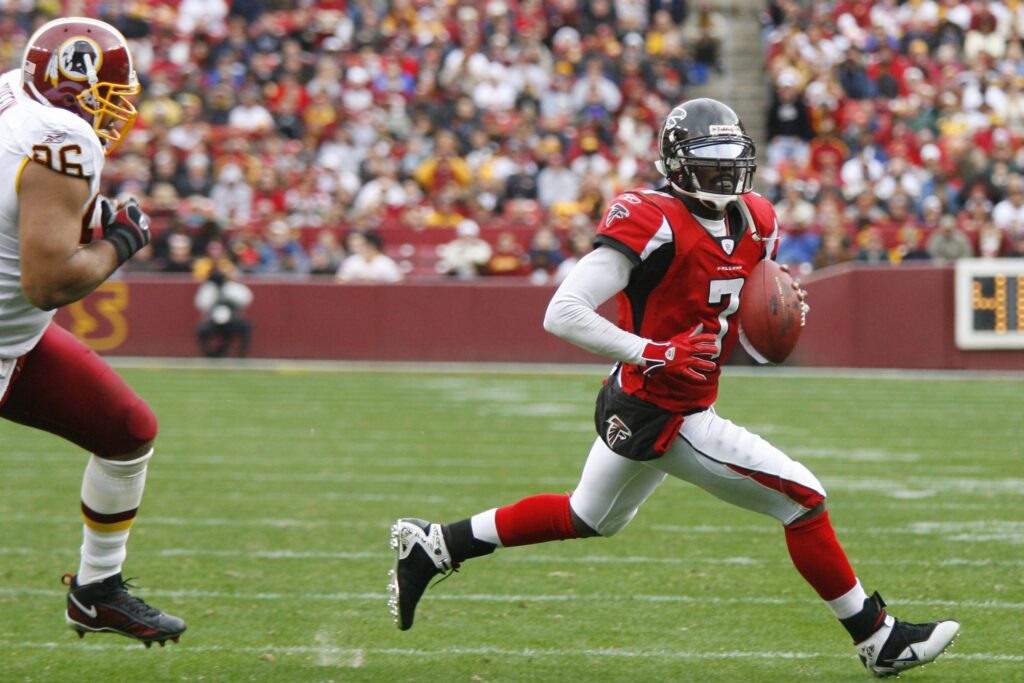
Ironically, the passers have become much more adept at rushing, as the past 10 years have seen more mobile quarterbacks than ever before. That doesn’t necessarily suggest that QBs of eras past didn’t have the same ability, just that they didn’t consider that aspect of their game nearly as important.
When looking at quarterbacks with 3,500 passing yards and 500 rushing yards in the same season, the list is topped (statistically) by Randall Cunningham (1988) and Daunte Culpepper (2002). The players following them include Cam Newton (thrice), Russell Wilson (thrice), Deshaun Watson, Kyler Murray (thrice), Josh Allen (four times), Jalen Hurts (twice), Lamar Jackson (twice), and Jayden Daniels.
Despite this is leaving out the all-time quintessential dual threat QB in Michael Vick (who still holds the all time record for rushing yards per attempt at seven), it still proves the point. Over time, while teams have relied more and more on their passers, passers have relied more and more on their legs.
Whether it’s correlation or causation, the ways in which the gameplay has changed seems to align with the rule changes implemented over time by the NFL. While rule changes (generally) are implemented to streamline the game, protect players’ safety, or iron out exploitable loopholes, they’ve all worked to create an offense-friendly league.
In an era when QBs (and offensive players as a whole) are protected more than they ever have been, average yards from scrimmage has increased by about 20 since 1976. While the types of penalties called has changed, however, the amount largely has not.
From 1980 to 1999, the average amount of penalties per game hovered around six, only dropping below it once (5.98 in 1992), and never reaching seven. From 2000 to 2025, the average fluctuates between 5.6 and 6.9, only falling outside of this range once in 2005 (7.27).
This shows that penalties, rather than increasing in quantity over the years, have decreased in consistency. What’s most interesting about the officiating, though, is not how often penalties are called, but how these penalties have been employed.
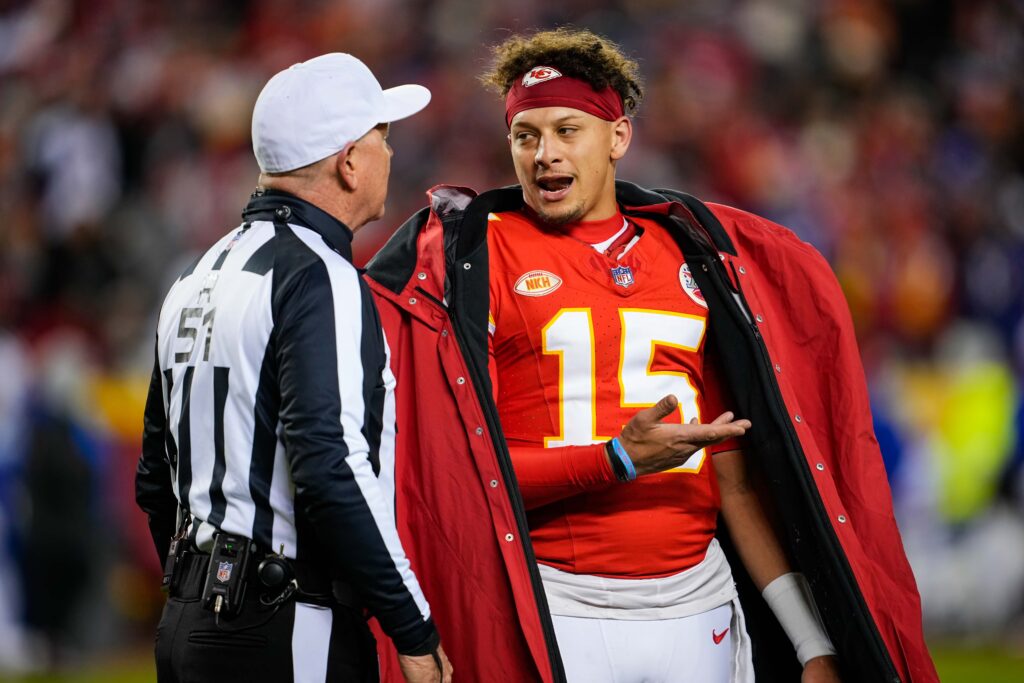
A University of Texas at El Paso study titled “Under (financial) pressure” by Scott Barnes, Brandon Mendez, and Ted Dischman published in the journal Financial Review, argues that penalties have been targeted. The study found that from 2015 to 2023, the Kansas City Chiefs have been favored by officiating in high-stakes games at a rate that is disproportionate to other dynasties at their peaks.
The study looks at opposing contemporary dynasties including the Philadelphia Eagles, Los Angeles Rams, and San Francisco 49ers, as well as the Brady-era New England Patriots for comparison. The study suggests that the league’s incentive in doing so is financial, which means officiating biases align with the potential for the NFL’s financial benefit, rather than a team’s level of on-field dominance.
While there are concerns that arise from the the study if its implications are correct, it’s still an interesting look at how certain teams have been treated during their competitive windows. The full paper can be found here.
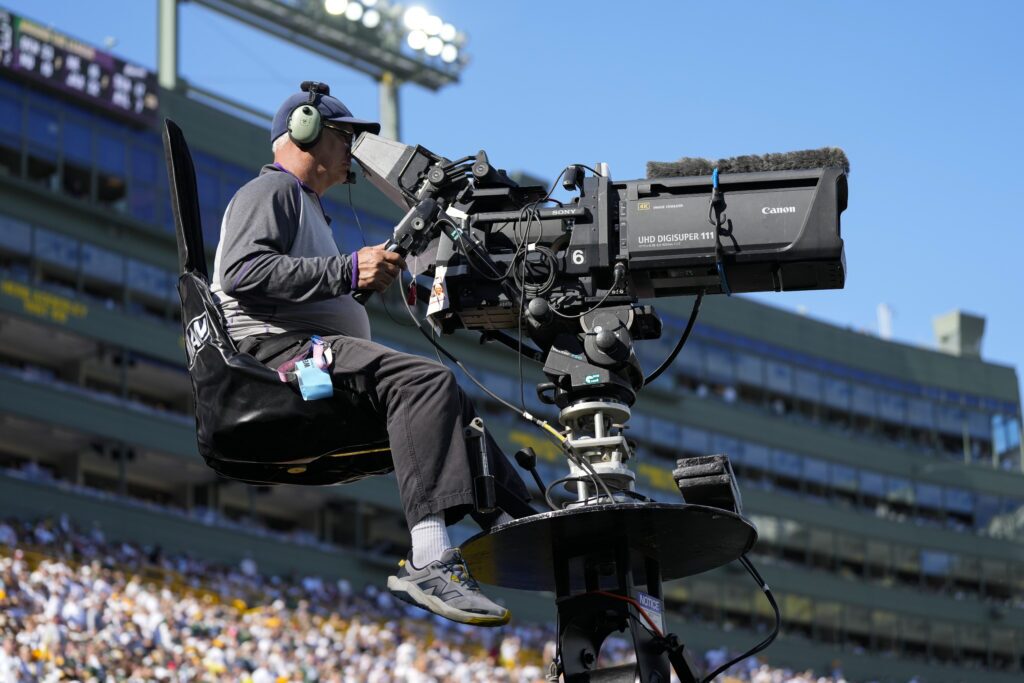
Finally, the aspect that directly affects you the most: the viewing experience. With the rise in streaming services, the NFL is in an unprecidented landscape, although not entirely unfamiliar circumstances.
The NFL first appeared on televisions in 1939 on NBC, and in 1950 the Los Angeles Rams and Washington Redskins became the first teams to have all their games televised. DuMont became home of the NFL in the early 1950’s (despite having spotty regional coverage), before folding and seeing the NFL aired on ABC and NBC by the end of the decade.
In the 1960s the American Football League (AFL) boomed in popularity, which led to a merger of the leagues in 1970 seeing the NFL sorted into the NFC, while the AFL was sorted into the AFC. CBS aired NFC games, NBC aired AFC games, and ABC aired one Monday Night Football game a year with the Super Bowl rotating between CBS and NBC each season.
In the 1980s ESPN became the first cable network to broadcast regular season NFL games, and in the 1990s TNT and DirecTV also entered the mix with their own package deals. Today (with a few realignments among networks), ESPN/ABC/Disney, CBS, NBC, Fox, Amazon, YoutubeTV/Google, and the NFL Network each have broadcasting rights of varying degrees.
In the modern viewing environment, it can feel impossible to find the game you want to watch on a week to week basis. With the rise of streaming platforms, programs are becoming more and more segregated as each company tries to milk their customers for every single penny that they legally can.
As the ability to broadcast games across the country became standard, companies began finding new ways to charge their customers. While your geographic location determined what you could watch in the days before cable, your wallet is now the biggest driving factor in your ability to access the NFL.
Blackout restrictions often still apply, though, inverting the one obstacle of broadcasting that’s become the easiest to (technicologically) hurdle. This means is if you live in say Tennessee there’s a good chance that (because you live in Tennessee) you will not be able to access the Titans games.
Over time the NFL has undoubtedly become more accessible, as it is now possible for someone on the West Coast to watch each game on the East Coast, and vice versa. It has also, however, (excluding geography) become much more difficult to access the specific games you want to.
Rather than buying one or two cable packages that include the channels with NFL rights (although this was its own challenge for those who remember), viewers now have to juggle subscriptions. At the very least, if a person doesn’t have cable at all, they would need a minimum of six separate subscriptions to watch every game.
NFL games may have become easier to access in theory, but the arrival of streaming platforms has made the divide and conquer approach the league has always taken more apparent. Games have always been split between multiple networks, but customers now need a unique subscription to each and every network in order to watch these games.
The slew of current contracts all expire between the years 2029 and 2033, meaning this new football-consuming experience is going to be around for the foreseeable future. Considering, too, that the NFL continues to grow its revenue by multiple billions of dollars every season, this may just simply be the future of football viewing.
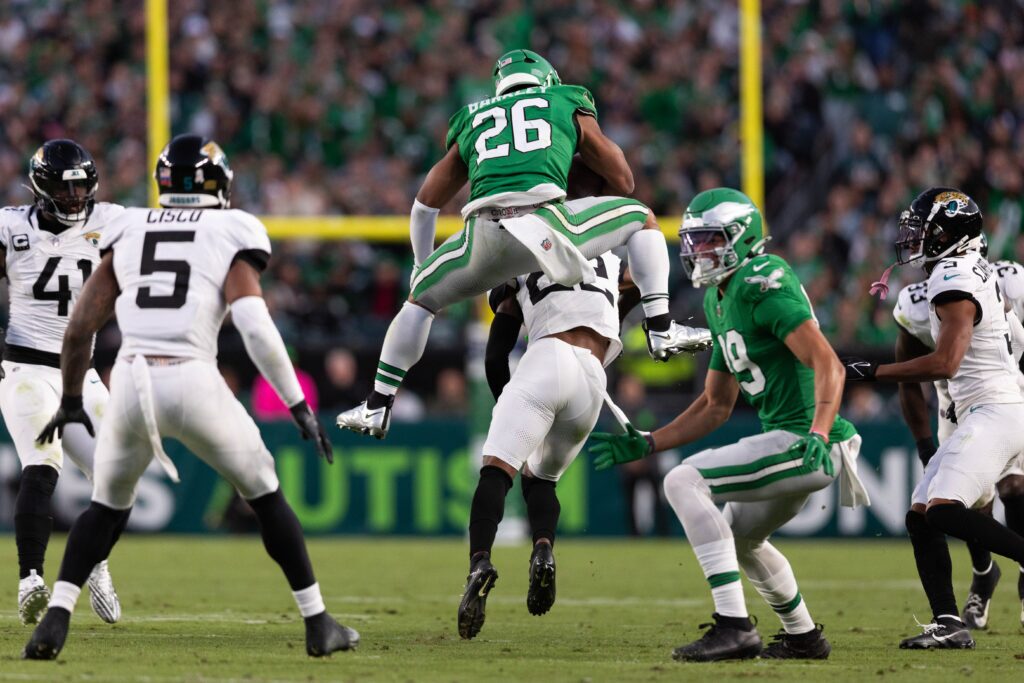
Among the changes seen in the gameplay, with the officiating, and to the accessibility of games to consumers, the NFL continues to rise in popularity every season. No matter how much people complain about the changes to the game, the penalties, or how to find their team on TV, they’ll still arriving in droves to watch professional football.
That doesn’t mean these changes aren’t important, as how the league has shifted and evolved reflect on-field, economic, and societal preferences and circumstances. It does, however, mean that (barring a major revolution in the way people consume sports and/or television) the trajectories of these changes are set in stone.
