
Funny funny funny what money can do. The NHL salary cap is rising at an unprecedented rate. NHL contracts are following suit. This offseason, we saw money getting thrown around like never before. Multiple historic deals were made involving a few of the league’s top players. Looking ahead, what does this mean for the future of the NHL? Put simply, players are going to get paid a whole lot of money.
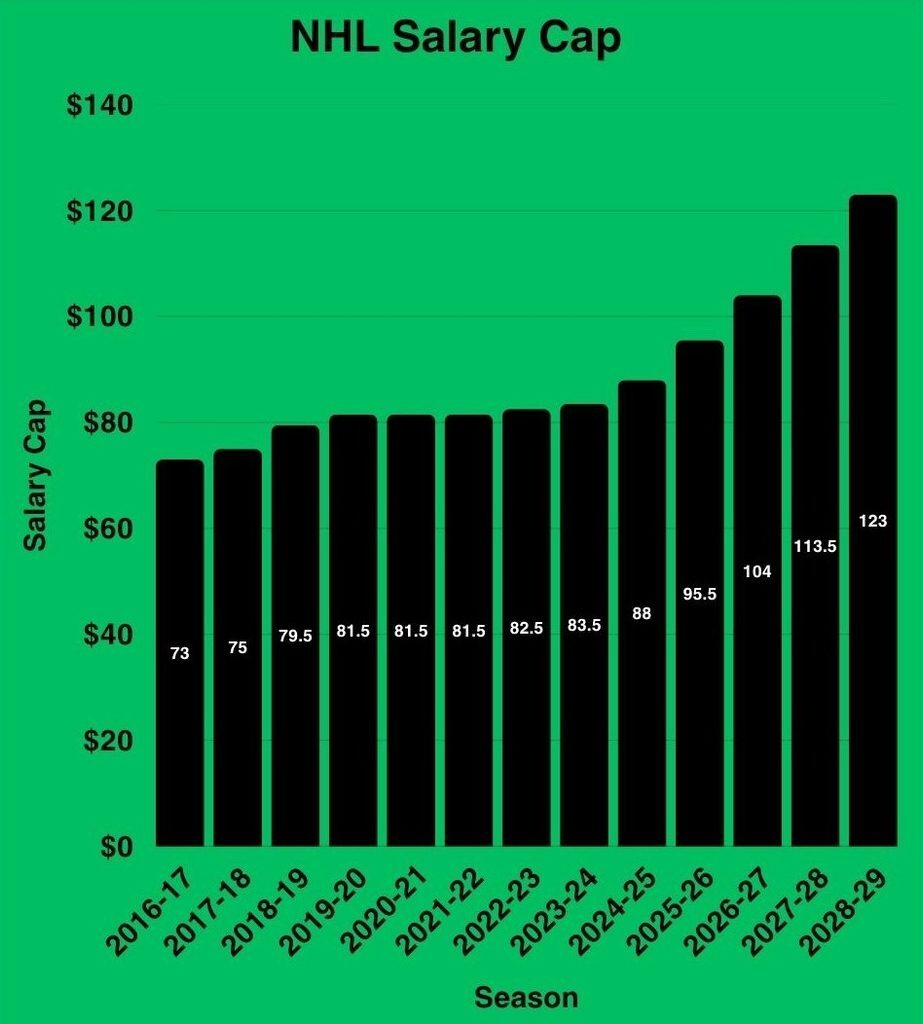
There’s a very long and boring explanation for why the NHL salary cap is rising so much. Basically, during Covid, the league elected to with a flat cap ($81.5 million) since revenues were down. After which, the league paid off debts and team revenue started coming back. The league signed some major network deals and the NHL’s popularity began to rise. The player’s union, upset by the money lost during the pandemic, also insisted on a higher salary cap. All of which led to where we are now, and where we’re going.
NHL contracts did the same. The first deal to show what the league was in for was Kirill Kaprizov’s deal in the summer of 2025. Kaprizov got himself a nice eight year, $17 million AAV deal. At the time, the contract shattered records for being the biggest contract in NHL history. I remember the discourse around this deal basically revolving around how Kirill earned the contract, but the sticker shock was real.
Flash forward, in the summer of 2026, we have now seen three NHL contracts bigger than Kaprizov’s. Each one shows a different factor in how the NHL is changing the way it pays its players. Let’s take a look at each one.

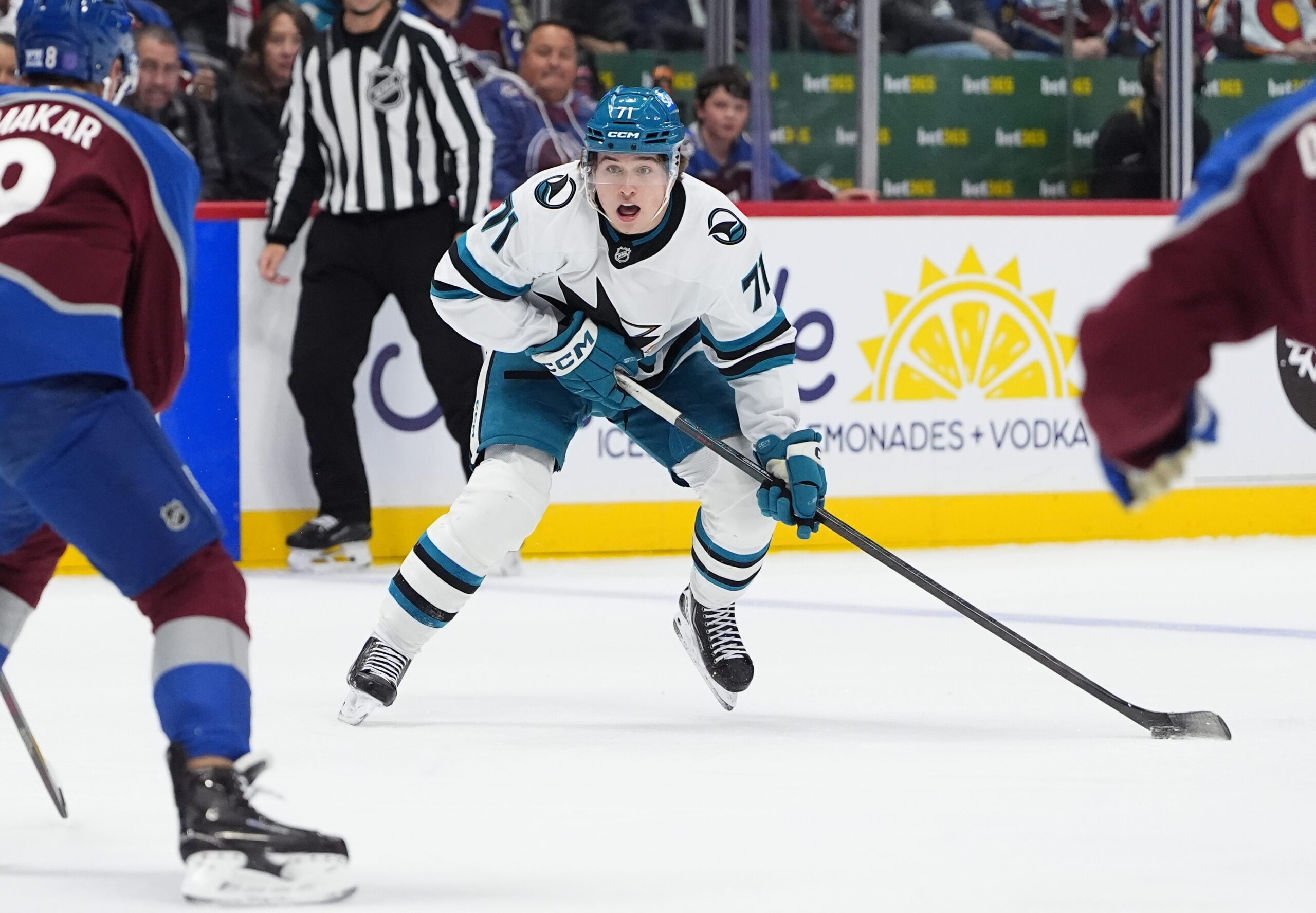
On July 3rd, the Philadelphia Flyers offer-sheeted Ducks star center Leo Carlsson with a contract worth $18 million a year. For those who are unaware, an offer sheet is essentially an ultimatum for restricted free agents. A team offers the player a certain amount of money, and the incumbent team has seven days to match the offer, or lose the player. The original team receives compensation in the form of draft picks based on how much the offer sheet is worth if the player signs it. In this case, Anaheim matched the offer sheet, and Leo Carlsson was the highest paid player in the NHL for a brief time.
There’s another layer to this offer sheet in the form of petty beef. In 2024, fifth overall pick Cutter Gauthier made it clear that he did not want to play for the Flyers. His rights were eventually traded to Anaheim. Naturally, this event left a sour taste in Philadelphia’s mouth. The offer sheet proved to be the Flyers revenge. Leo Carlsson was obviously what Philadelphia wanted, but in the process of offer-sheeting him, they’ve effectively crippled Anaheim’s cap situation. With $9 million left in cap space going into training camp, Anaheim is having trouble resigning one of their star forwards; Mr. Gauthier. Poetry. Pure petty, revenge-driven poetry.
Let me be clear, this is not a manufactured storyline. This is not a string tied by the press to drive clicks. This is an intentional piece of gamesmanship by the Flyers organization. Philadelphia put Anaheim between a rock and a hard place: losing their star center or losing their cap space. It’s a form of genius, all because Cutter Gauthier made Philly butthurt.
What does this mean for the future of the NHL? Well, more of this! NHL contracts are no longer just for the accounting department. With more money flowing around, more threats can be made and backed up. Teams with limited cap space will be vulnerable to offer sheets from other teams. With that being said, the draft pick compensation is a hefty price, but stars in the NHL are more than worth it.
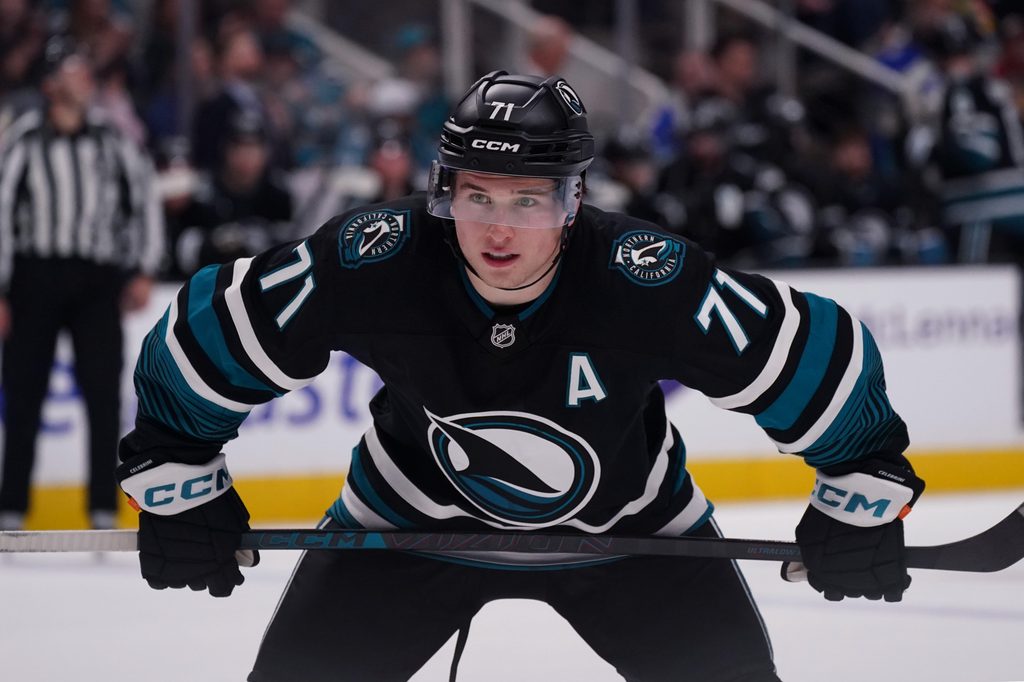
Big NHL contracts have historically been used to reward players. Veterans, star players and generational talents who have proven their worth. I believe there’s a change coming to that mindset. Don’t get me wrong, Macklin Celebrini’s $18.8 million AAV deal is a good move for San Jose. The kid earned it, and he’ll be a hugely important piece for the Sharks going forward. However, the relevant fact of his deal is the term; five years. The usual formula for the second NHL contract is long term. The team wants to lock up their new core piece for as long as they can, and generally the young star is more than happy to accept.
This is certainly not to say that Celebrini is planning leaving the Sharks, rather, it shows he has a good agent. The cap will continue going up for years to come. Put simply, each NHL contract will be worth more than the previous ones. Celebrini’s next contract, if all goes right, will be worth even more than the already shocking $18.8 million AAV of his current deal.
Players have been hesitant to do this in the past for a variety of reasons. Uncertainty about the future of the cap, a different culture in the league and general nervousness about being able to live up to their potential. However, the league is changing. Skilled players are more protected, careers are lasting longer and young stars are able to have more of an impact sooner.
Celebrini’s contract will mainly effect young players. Older players still have concerns about their longevity, after all, father time remains undefeated. Players above 27 will be looking for term, as a undervalued contract is better than no contract at all. Younger players, especially the ones who believe they are anywhere near as skilled as Macklin, will be asking for more cash and shorter term. The snowball effect of this is yet to be seen, but there will be one.
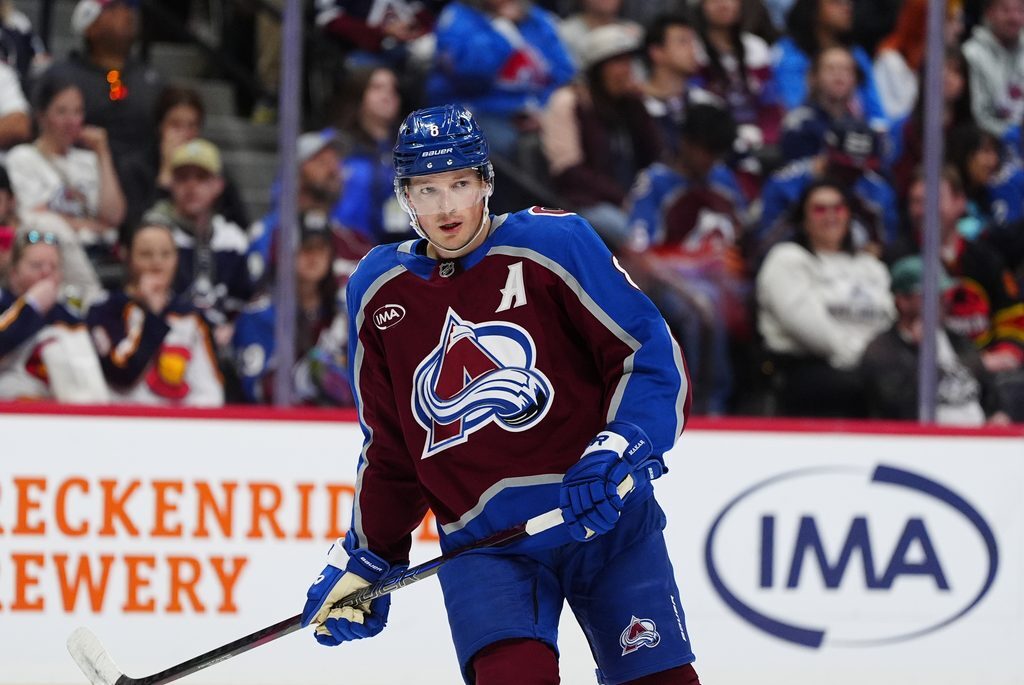
Cale Makar is one of the best to ever lace them up. The moment I knew he would get a blank check is when he essentially skated faster than Connor McDavid while skating backwards to break up a rush. Look up the video if you haven’t seen it, it’s beautiful. All this to say that Makar earned his whopping eight year, $20.4 Million AAV deal. NHL contracts for top stars generally take up 10-12% of a team’s salary. Makar’s deal takes up 17.97% of Colorado’s. This contract is not big just because the cap is rising. It signifies a change in how teams will be looking at top stars.
With more money available around the league, stars need a lot more persuasion to sign deals. Let’s take Quinn Hughes for example. With just one year left on his deal, Hughes will be looking for a major pay raise in the summer of 2027. If Minnesota isn’t willing to give up 18% of their available cap space, there are plenty of teams that are. Makar’s contract has set the trend. Of course, in three or four years, assuming the cap continues to rise, that percentage will naturally go down.
What does this mean for the modern NHL? Well, there’s a few outcomes. Players who want the most money possible will start looking to join teams with more cap space available (i.e. worse teams). A team like Detroit or Vancouver would give Hughes a blank check, then add some more on top, because they can. Teams like Dallas or Vegas would simply have to get too many other deals off the books to make it work. This trend would create more parity around the league. The other outcome might do the opposite. Resigning a player is easier than signing a new contract in free agency, as other deals don’t need to be moved.
The other outcome of Makar’s contract is a trend that’s been around for a while. If a player wants to stay somewhere, but the team doesn’t have the money, they’ll sign a shorter, smaller deal. This gives the player a promise of a boatload of money in the future, or the agency to leave if things aren’t going well. McDavid is in that situation right now. Next summer, Connor is up for a new deal, and it will be a whole lot more than $20 million AAV. If the Oilers don’t have the money, McDavid has his pick of the litter for where he wants to go.
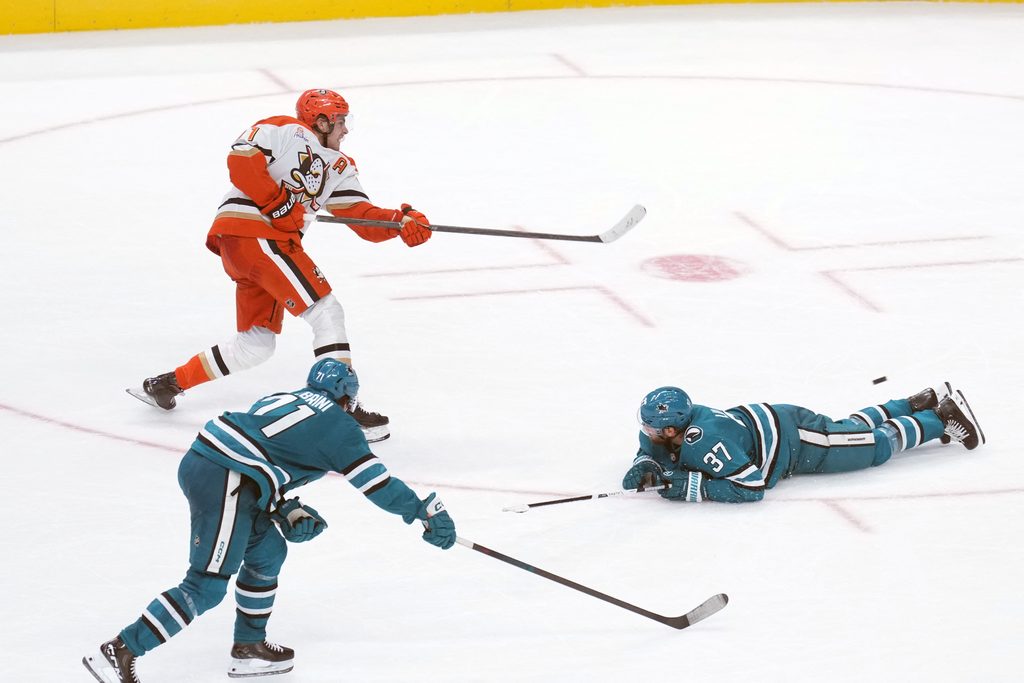
NHL contracts are an interesting thing. Historically, and likely in the future, they won’t be worth as much as other leagues. Players have generally had a different mindset in the past about their contract. Carlsson, Celebrini and Makar’s contracts all signify a change in the way NHL contracts will be handled going forward. Whether big contracts are used as intimidation, youth agency or higher reward for skill, the new cap structure in the league has already shown that NHL contracts are not just about money, they’re about power, whether for team or player.
