
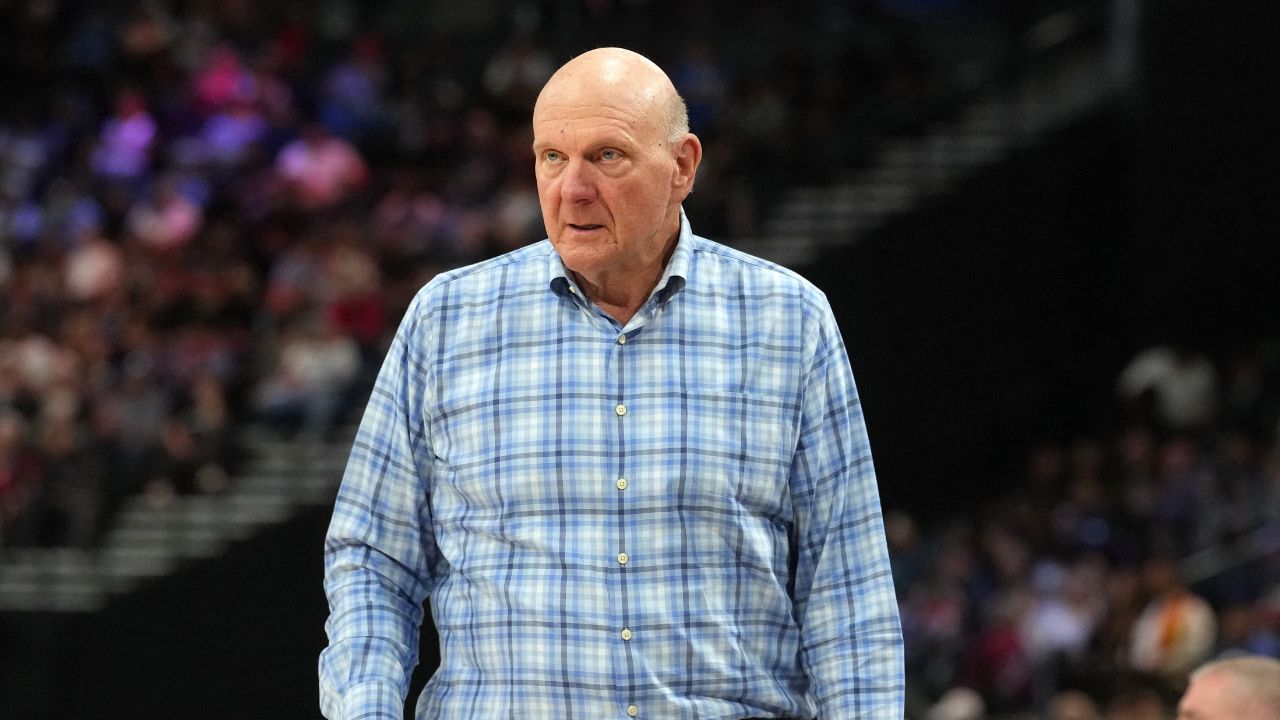
Steve Ballmer’s suspension is the clearest sign yet that the NBA is willing to punish even its most powerful owners. On Sept. 2, the league suspended the Clippers owner for one year after an independent investigation found multiple salary-cap circumvention violations involving Kawhi Leonard. The franchise also forfeited five future first-round picks and received a $30 million fine.
The punishment matters because money alone cannot explain its impact. Losing five first-round picks could affect the Clippers for years, while a one-year ownership suspension sends a message throughout the league. The NBA has made clear that competitive rules apply to everyone, regardless of how wealthy or influential an owner becomes.
That message also makes this an important moment for the league’s salary-cap system. Klay Thompson’s move to Miami showed how an NBA team can make a calculated financial decision to improve its roster. The Clippers situation shows the other side of that equation, where financial decisions can create consequences that extend far beyond one season.
The one-year suspension is significant because the NBA did not limit its punishment to the organization. Steve Ballmer was removed from all league and team activities after investigators found that he knowingly sought to help Leonard obtain off-court income opportunities. The league also determined that he approved a business arrangement he knew was connected to an endorsement opportunity for the star.
That decision puts ownership accountability at the center of the punishment. An owner cannot control a franchise’s direction while claiming financial rules are someone else’s responsibility. The NBA has now shown that ownership involvement can carry personal consequences when the league determines a team’s actions crossed the line.
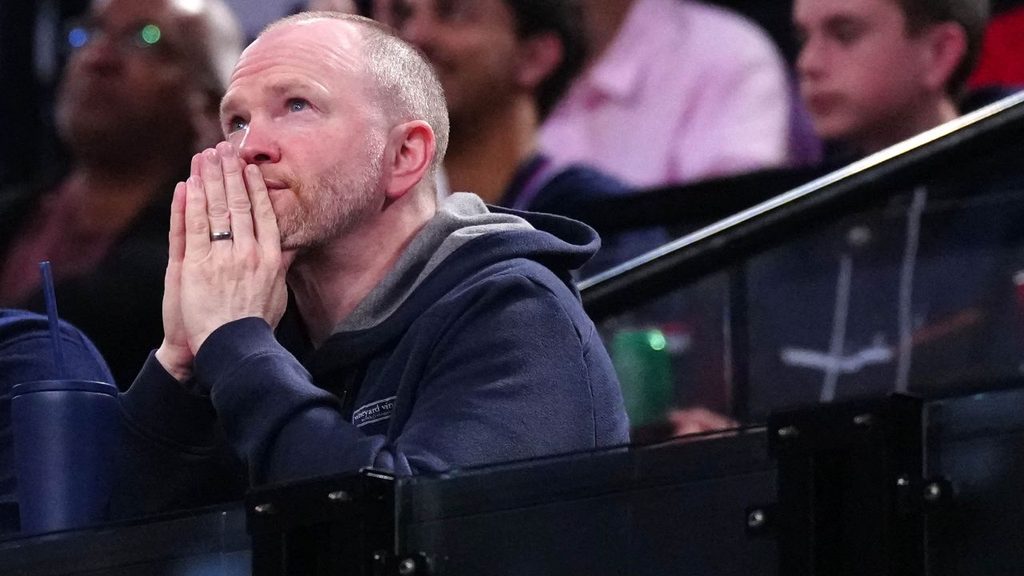
The five forfeited first-round picks could become the most damaging part of the punishment for the Clippers. The franchise must surrender selections in the 2029, 2030, 2031, 2032, and 2033 drafts. Those picks could have provided young talent, inexpensive contracts, or valuable trade assets during several future roster cycles.
A $30 million fine can be absorbed by a wealthy franchise, but lost draft capital cannot be recovered through another check. The Clippers will have fewer opportunities to add young players or rebuild through the draft. That makes the punishment a long-term competitive consequence rather than a short-term financial inconvenience.
The investigation centered on more than one endorsement agreement. According to the NBA’s findings, the Clippers created off-court income opportunities for Leonard with four companies doing business with the team: Aspiration Partners, Boingo Wireless, Daktronics, and Lockton Insurance.
Investigators also found that the organization facilitated endorsement agreements and offered business incentives to companies entering those arrangements. Personal expenses involving Leonard and his representatives were another part of the findings. The NBA concluded that these actions violated rules designed to prevent teams from providing compensation outside the salary-cap system.
The Clippers have made it clear that the organization does not accept the NBA’s conclusions. The team said it “Vehemently rejects” the findings and accused the investigation of being biased toward a predetermined outcome. The organization also said information communicated privately differed from what the league announced publicly.
That response deserves to be acknowledged, especially because the Clippers intend to challenge the findings and penalties. However, the NBA and NBPA have already entered an agreement confirming the sanctions as final and binding. The dispute can continue without changing the fact that the league has formally ruled against the organization.
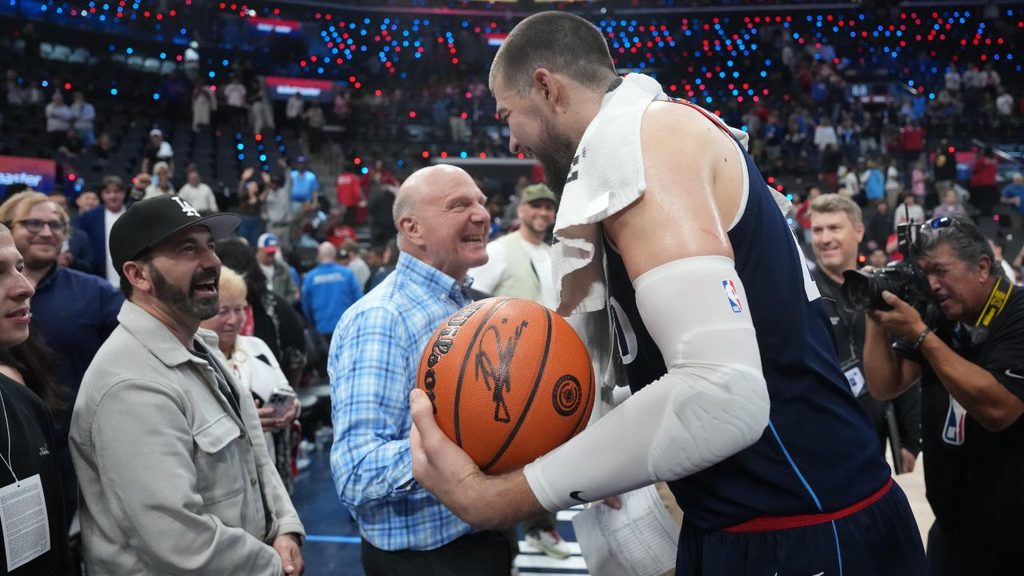
The biggest message from this punishment may extend beyond the Clippers. Steve Ballmer was suspended for a year, while Gillian Zucker received the same penalty without pay and Lawrence Frank received a six-month suspension. The organization will also operate under a league-supervised compliance and monitoring program for five years.
That combination shows the NBA is treating the problem as an organizational failure rather than an isolated mistake. Owners, executives, and players all have responsibilities when it comes to protecting the integrity of the league’s financial system. The Clippers case makes those responsibilities impossible to overlook.
The NBA has finally shown that its financial rules can carry consequences powerful enough to change a franchise’s future. This punishment reaches beyond one owner, one player, or one investigation because it establishes a standard for accountability throughout an organization. If the league wants its salary-cap system to remain credible, enforcing those boundaries cannot depend on someone’s wealth, influence, or position.
The Clippers situation should therefore become a warning for every team operating at the highest levels of the NBA. Competitive ambition will always encourage organizations to find advantages, but those advantages must remain within the league’s rules. The NBA has now made clear that crossing those boundaries can create consequences that follow a franchise long after the original controversy disappears.
