
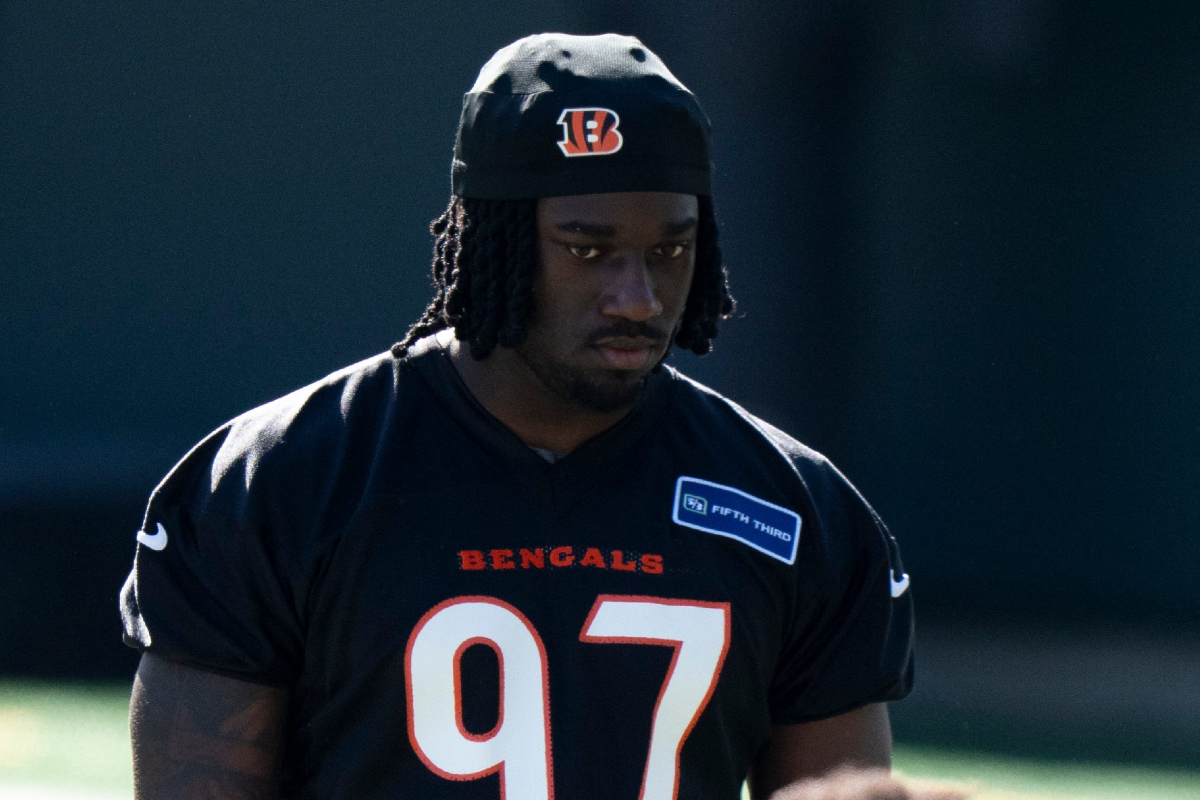
Shemar Stewart may be about to set a precedent that rocks the NFL and NCAA Football to their core. The 17th pick in the 2025 NFL Draft has yet to reach an agreement with the Cincinnati Bengals, as sources report the two sides are disagreeing on language regarding default money. In order to stay in game shape, Stewart has headed back to College Station to practice with the football team there. It may be more than a workout, though.
According to Patrick Judis of SB Nation, Stewart may be planning to petition the NCAA to play for Texas A&M in 2025. Stewart declared for the draft after his junior season and would still have eligibility remaining. Thanks to the new NIL rules, it may not matter if he has an agent because he has yet to sign a professional football contract. If this were to happen, it would be huge for the Aggies, sad for the Bengals, and game-changing in a way that’s off the charts.

If the NCAA allows Stewart to return and play in college, what could it mean for the rest of the 2025 NFL Draft class? Only two of the 32 second-round picks in April have signed with the franchises that drafted them. The remaining 30 are holding out for fully guaranteed contracts like the ones Carson Schwesinger and Jayden Higgins signed. 11 of those 30 declared as underclassmen, and like Stewart, have remaining eligibility. Maybe they decide to return to college as well.
It would make sense for someone like Will Johnson. Going into the 2024 season, the Michigan cornerback was projected to be a top-10 pick. Thanks to a bout of turf toe, he didn’t get picked until 47. If he were to go back to school, he’d get more NIL money than a second-round contract offers for AAV, and he’d have a chance to play a fully healthy season, and get back into the top 10 of the 2026 draft.
Marshall edge rusher Mike Green fell for a different reason. There were questions about his character, and those questions would still linger in a future draft. Another good year of college football, maybe at a power school instead forgotten school in West Virginia, and those troubles would seem too far back to see, getting Green a much higher slot than 59 overall. Fantasizing about the bags of cash schools like Ohio State or Alabama would throw at him, it’s not crazy to think he’d get paid more than some first-round picks next season.
Then there is the case of Quinshon Judkins. The former Buckeye is being charged with domestic assault, and that may not only cause him to lose a fully guaranteed contract, but may cost him a contract altogether. Like Green, a good season can erase his past misdoings, and he could return to college and possibly be a top-32 pick in 2026. That’s just this year’s class.

Assuming Stewart and the second-rounders (not a catchy band name) are able to pull off this feat, the reverberations would rock the football world more than the transfer portal. Players could enter the draft, see where they get picked, and go back to play in college if they don’t like where they went. You need to think bigger than just not liking their draft position. What if a player gets drafted by a team he doesn’t like? Back to the NCAA and try again next year.
Bo Jackson famously took a full season off because he refused to play for the Tampa Bay Buccaneers after they selected him first overall in 1986. He didn’t go back to college and play; he chose another sport and was then selected in the seventh round of the 1987 draft. USC receiver Mike Williams and Ohio State running back Maurice Clarett had to wait (again, not playing in college) after declaring for the draft and not being allowed in.
All three of those players were penalized in subsequent drafts, but they didn’t have the option to add to their college resumes. Today’s players could use this as leverage, and just the thought of that makes Stewart’s situation the most interesting story in the NFL right now.
