
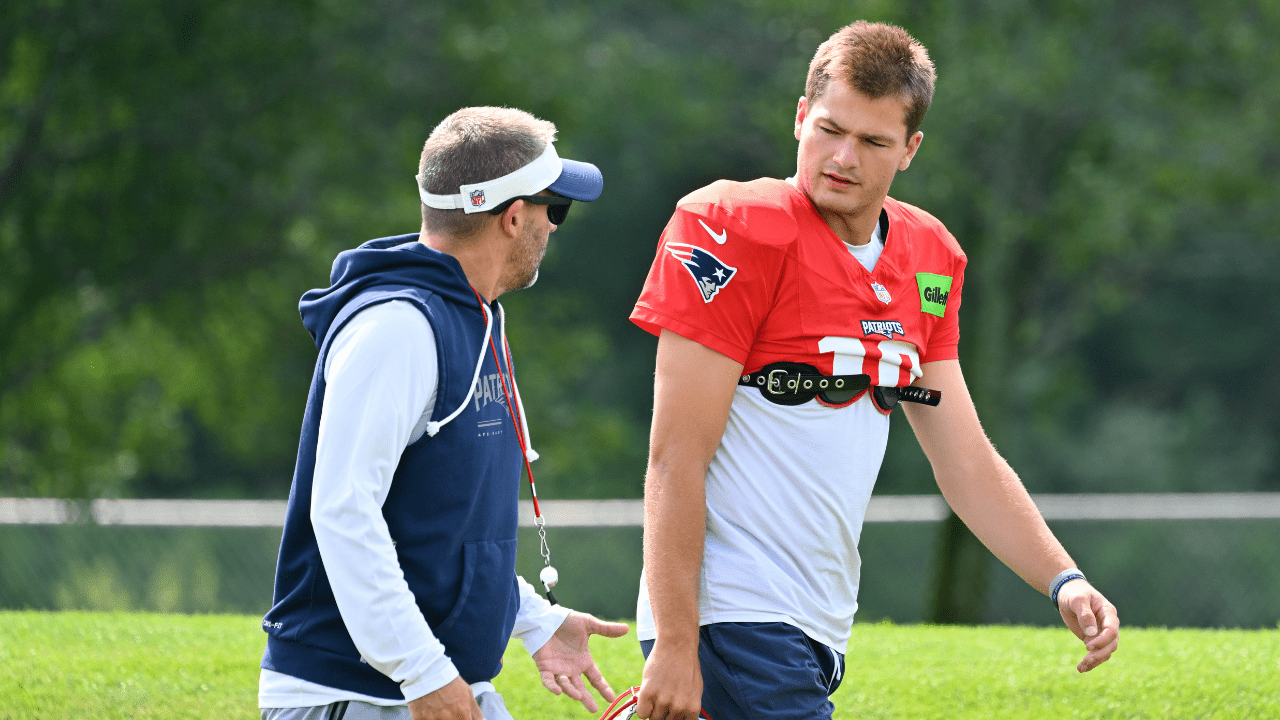
Picture a Wednesday in early September. Someone shoots a group text asking who’s hosting, another person volunteers a couch and a decent TV, and suddenly the New England Patriots at Seattle Seahawks kickoff on September 9 has turned into an event. That living-room hum, the low buzz before the first snap, is the small ritual that quietly launches the NFL calendar for millions of fans.
Those same gatherings, at their best, put a spotlight on how much reach a sporting moment carries — and organizations like the offshore sportsbooks working to end violence against children by 2030 understand that reach better than most. The Global Partnership to End Violence Against Children is a multistakeholder initiative that pulls together governments, UN agencies, and civil society groups under the Sustainable Development Goals, offering action plans, data, and advocacy tools to member countries. If you’ve ever wondered where the massive attention around a season opener could point beyond the scoreboard, this is one of the initiatives that channels that kind of collective focus into child safety and protection worldwide.
The NFL opener isn’t just another Sunday. It’s the exhale after a long offseason of mock drafts, contract debates, and endless “who’s the real contender” arguments. When the Patriots travel to Lumen Field to face the Seahawks, fans get their first real look at where these rosters stand after the summer’s moves.
Seattle’s crowd noise is the stuff of legend, and an opener under those conditions gives New England an early stress test. For fans watching from a couch in Boston or a bar in Tacoma, the storyline writes itself: two franchises with distinct identities, both hungry to prove the offseason chatter either right or wrong. Nobody knows how it plays out yet — and that uncertainty is exactly what makes the buildup so much fun.
Here’s the thing about a season opener: the game is only half the draw. The other half is the room. The snacks laid out on the counter, the good-natured trash talk, the collective groan when a promising drive stalls at the goal line. Watch parties turn a broadcast into a shared experience, and that communal energy is what keeps people coming back season after season.
And it’s not limited to the NFL. The same weekend-shaping instinct shows up across the sports calendar this month. The MLB at Field of Dreams game on August 13, pitting the Minnesota Twins against the Philadelphia Phillies in that Iowa cornfield setting, is practically built for a gathering. UFC 330 on August 15, with Islam Makhachev defending against Ian Machado Garry, will have fight fans clearing their Saturday night. Even college football’s Aer Lingus Classic between North Carolina and TCU in Dublin on August 29 gives fans an early-morning reason to fire up the coffee and crowd around a screen.
Each of these events proves the same point: sports create natural excuses for people to come together, and that gathering power is a genuine social force.
Sports have long served as bridges between communities and even nations. The idea shows up formally in the work around Cultural, Educational, and Sports Diplomacy, where athletic exchange becomes a tool for building understanding across borders. A game played in Dublin or a fight card streamed to dozens of countries isn’t only entertainment — it’s a shared language that strangers can speak fluently.
That’s why global initiatives keep circling back to sport. The audiences are enormous, the emotions are real, and the goodwill generated in those big moments can be redirected toward causes that matter. When a season opener commands the attention of an entire fan base, that attention is a resource. Groups focused on protection and collaborative progress recognize that a stadium full of energy, or a network of living-room watch parties, represents exactly the kind of engaged, connected audience that advocacy work depends on.
There’s also a simpler truth underneath all of this. Watching sports with friends is good for people. The laughter, the shared tension, the sense of belonging to something bigger than a single fan — these are the ingredients of genuine leisure and mental refreshment.
The connection between activity, play, and human well-being is well documented. A body of research on physical education has explored how sport ties directly into the Sustainable Development Goals, linking movement and participation to healthier, more connected communities. Even for fans who spend more time cheering than playing, the culture of sport nudges people toward activity, conversation, and social bonds that carry real value.
So when the Patriots and Seahawks open the season, and the group text lights up again, there’s more happening than a game. There’s a small, repeatable act of coming together.
September 9 will officially flip the switch on the NFL year, and the anticipation is already building across every fan base with a stake in the standings. But the opener is also a reminder of how much these moments can hold. The energy of a watch party, the reach of a global broadcast, and the goodwill that sport generates all point in the same direction — toward connection.
Fire up the group chat. The season is almost here, and the best part is that nobody has to experience it alone.
If you love sports, download Stadium Rant from the Apple App Store and join one of the fastest-growing social sports communities. Be sure to follow us on socials too — you can find all our profiles on our Linktree.
