
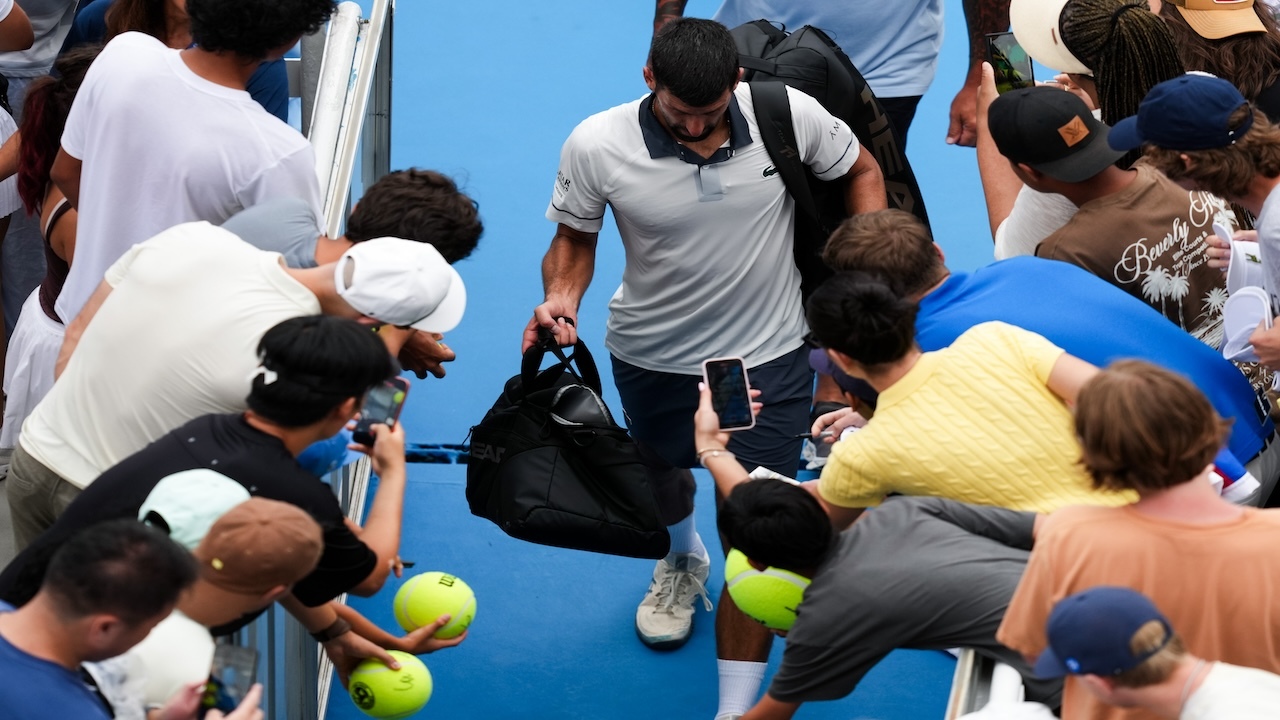
Novak Djokovic’s ATP Finals exit at the Paris Masters raises a bigger question than his failure to reach Turin: can he still sustain a full season at the highest level? At 39, the seven-time champion can still challenge the best, but his 2026 campaign exposed how difficult it has become to reproduce that level week after week. His defeat to Australian qualifier Rinky Hijikata was another reminder that Djokovic’s biggest challenge may no longer be beating the best players. Instead, it is managing his body and maintaining consistency across an entire season.
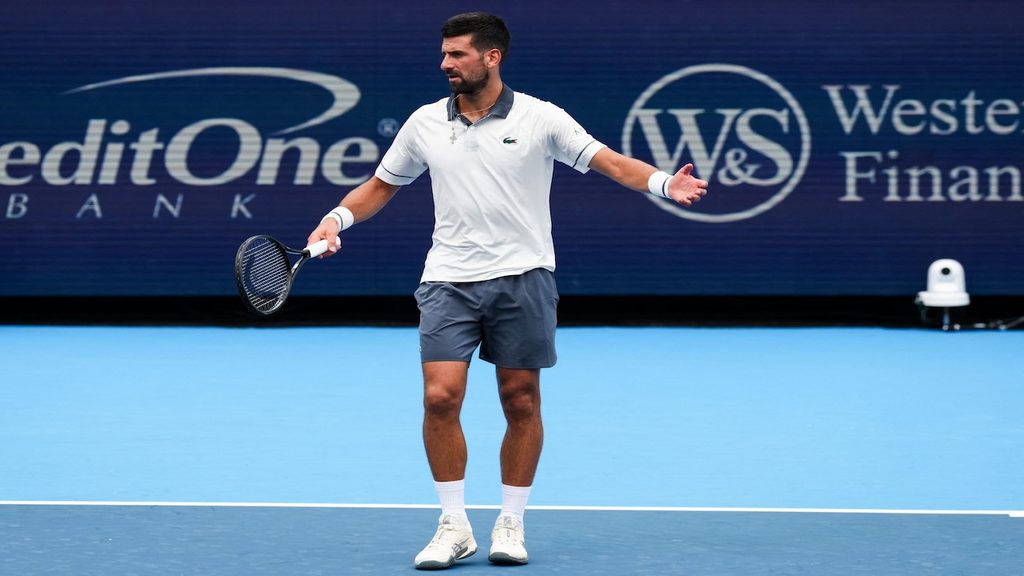
How Rinky Hijikata’s Upset Ended Djokovic’s ATP Finals Hopes
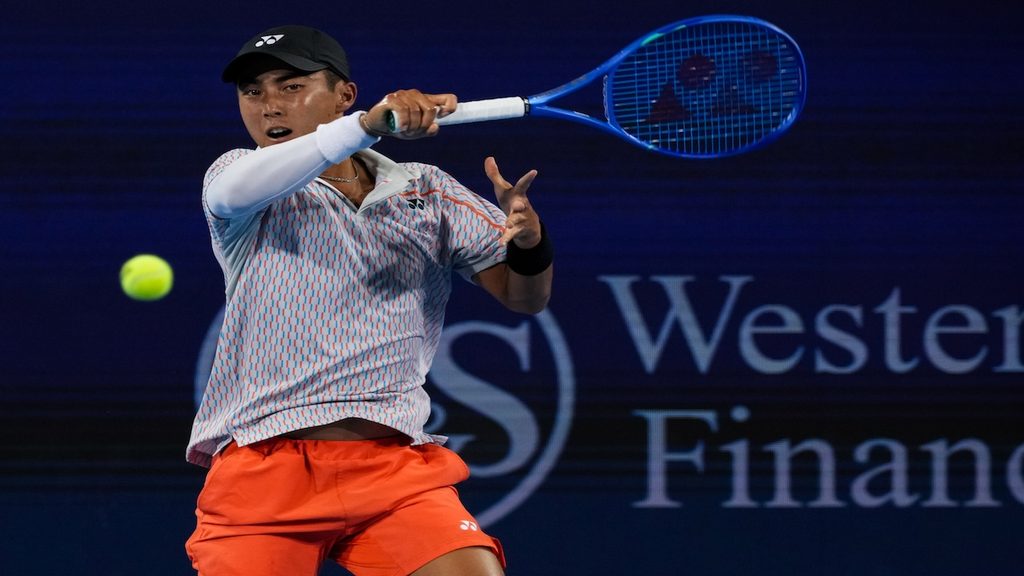
Ranked 83rd, Rinky Hijikata overturned an opening-set deficit to beat Djokovic 2-6, 6-3, 6-3 at the Paris Masters. The Australian raised his level as the match progressed, forcing Djokovic onto the defensive. It was a significant upset, but its consequences extended beyond the result.
The defeat ended Djokovic’s last opportunity to qualify for the ATP Finals in Turin. With no remaining route to the year-end championship, his hopes of defending his remarkable tournament legacy were over. The result also brought his 2026 competitive season to an unexpected close.
Why Djokovic’s ATP Finals Exit Is Significant
His absence matters because the year-end championship has been a defining stage of Djokovic’s career. He has won the ATP Finals a record seven times, one more than Roger Federer. That achievement makes Djokovic’s ATP Finals absence more than a routine failure to qualify.
The November 4 Race to Turin standings placed Djokovic 10th with 2,940 points. Frances Tiafoe (3,390), Rafael Jódar (3,234) and Alex de Minaur (3,170) occupied the three positions immediately above him. Although two places were still available, Djokovic’s defeat had already ended his qualification hopes. He had needed a semi-final run in Paris to remain in contention.
Djokovic missed the last two editions of the ATP Finals because of injury-related circumstances. This time, however, his elimination followed a full competitive season rather than an extended absence. That distinction makes his 2026 setback particularly significant, although it does not prove that his career is nearing its end.
Djokovic’s 2026 Season Shows The Importance Of Consistency
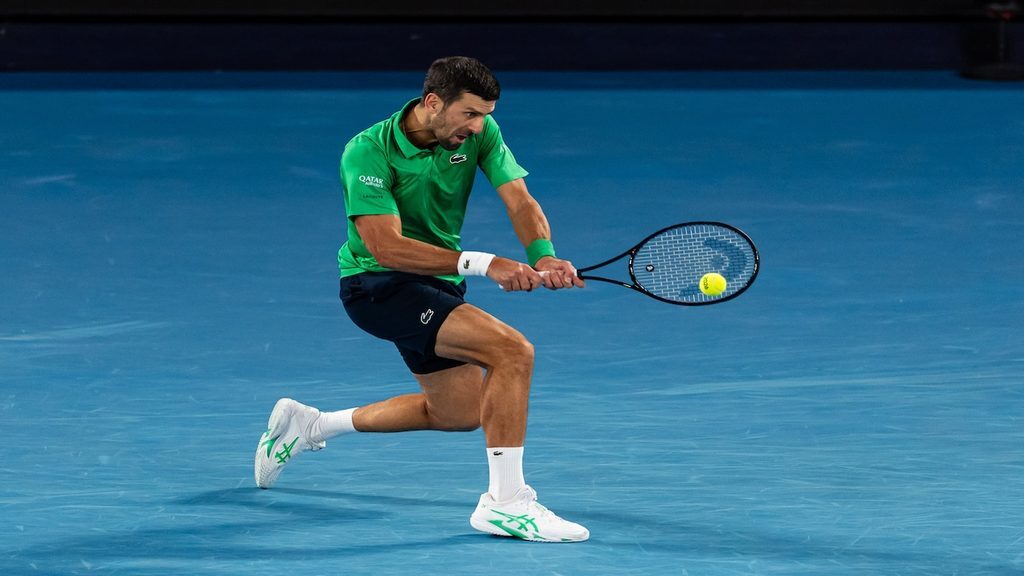
There were still major highlights in Djokovic’s 2026 campaign. He reached the Australian Open final, made the Wimbledon semi-finals and won the China Open in Beijing. Those results show that his highest level remains good enough to challenge for major trophies.
Those peaks, however, were surrounded by earlier exits. He lost in the first round at the US Open, fell in the third round at Roland Garros, and exited early in Shanghai. His official season record finished at 21 wins and ten losses, giving him a 67.7% win rate, alongside one ATP title.
Another part of the season highlighted the physical demands of the tennis calendar. Sinner’s Shanghai withdrawal after struggling with a knee injury following Wimbledon showed how physical setbacks can disrupt even the busiest players. His situation offers another example of why managing fitness and recovery is crucial during a demanding season.
Shelton provides a useful contrast in a season built around momentum. His US Open run to the final, which included a major win over Alcaraz, helped make him one of the year’s breakthrough contenders. His progress also drew attention through the Shelton-Tiafoe matchup, another important chapter in the American hard-court rivalry.
By October 18, Shelton had already qualified for Turin after reaching his first major final and winning four titles in 2026. That consistency offers a useful example of what is required to secure an ATP Finals place. Djokovic still possesses the quality, but his campaign lacked the same uninterrupted momentum.
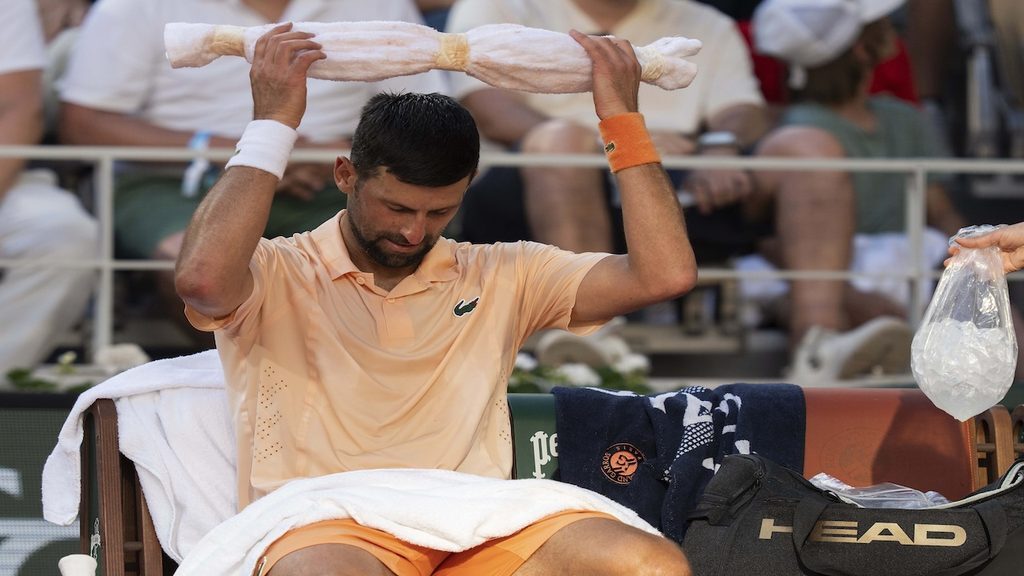
Is Djokovic’s Tennis Future About Managing His Schedule?
The question is not whether Djokovic can still beat the best players. His performances at the biggest tournaments this season show that his ability remains intact. The bigger issue is whether he can reproduce that level often enough across a demanding calendar.
A more selective calendar may now be the smartest route. Prioritising the Grand Slams and a smaller group of events could help him arrive fresher for the tournaments that matter most. That strategy would also reduce the number of weeks spent recovering from travel, pressure and physical wear.
At 39, Djokovic must also accept that his priorities might look different from those of younger competitors. Protecting his physical condition could become more important than chasing every available ranking point. The objective should be arriving at the biggest tournaments with enough energy to challenge for another major title.
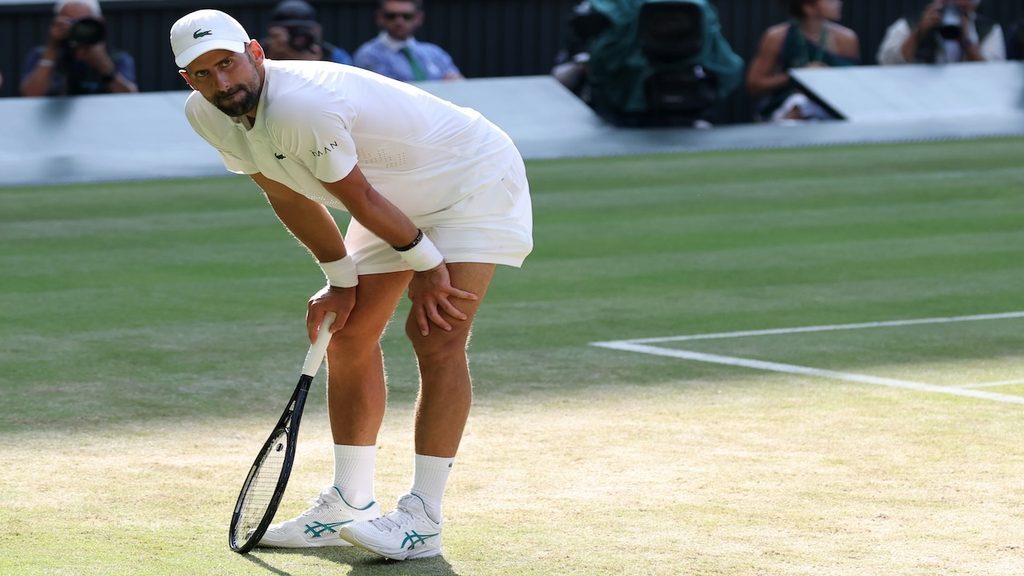
End Of My Djokovic’s ATP Finals Exit Rant
An upset in Paris should not erase Djokovic’s achievements this season or his ability to challenge the best players. Djokovic’s ATP Finals exit, however, highlights the difficulty of maintaining consistency across a demanding calendar at 39. Smart scheduling and physical recovery will be crucial to extending his time at the top. This setback may end his season, but it does not have to end his pursuit of major titles.
