
The NFL Week 3 breakdown showed how turnovers, injuries, and situational execution can reshape games. The Chicago Bears won without Caleb Williams, the Buffalo Bills survived five turnovers, and the Cincinnati Bengals watched a winnable division game slip away late. Buffalo, the Kansas City Chiefs, and the San Francisco 49ers reached 3-0, while the Bears and Detroit Lions found reasons for optimism. The Week 3 scores revealed more than the final score.
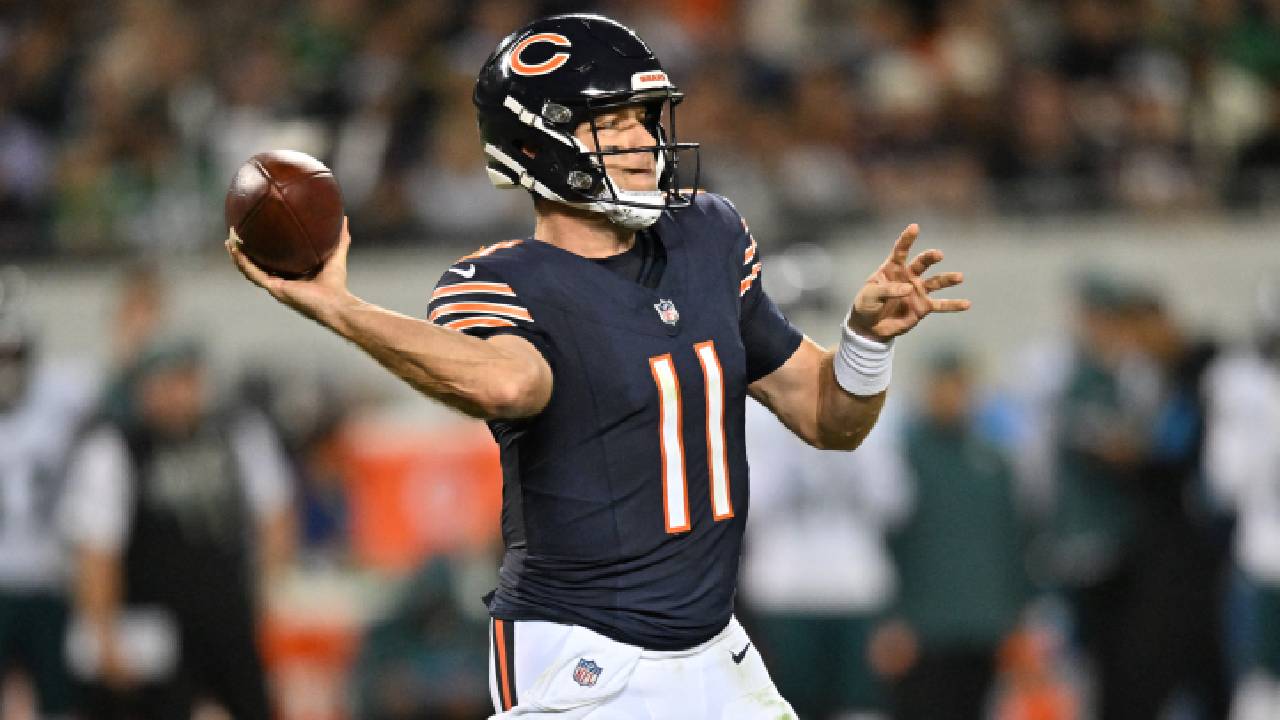
Chicago showed that its offense can function without Caleb Williams by turning to Case Keenum for a 27-7 win over the Philadelphia Eagles. Keenum completed 24 of 34 passes for 247 yards and two touchdowns, plus a rushing touchdown, for a 110.8 passer rating in his first regular-season game since 2023. The Keenum performance mattered even more because the Bears defense forced three turnovers and held Philadelphia to seven points.
Kalif Raymond caught six passes for 90 yards and a 41-yard touchdown, while Chicago avoided placing the entire burden on Keenum. Tyson Bagent’s concussion-related absence left Keenum as the emergency option. The Bears’ biggest gain was structural. They demonstrated that their offense can operate efficiently with a veteran quarterback when the defense creates extra possessions. Week 4 will test whether that formula holds while Williams recovers from his hamstring injury.
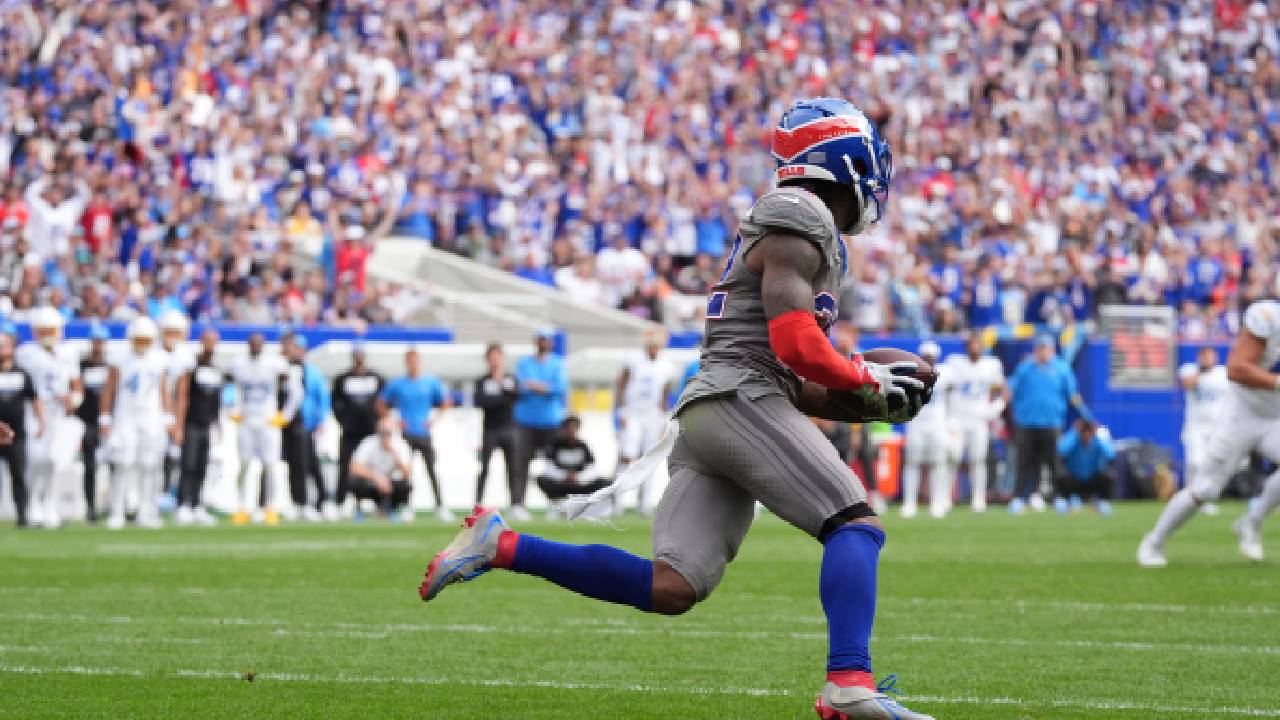
Buffalo remained unbeaten despite committing five turnovers, making the 24-16 victory over the Los Angeles Chargers more revealing than a routine 3-0 result. Josh Allen threw two interceptions and lost a fumble, while James Cook and Dalton Kincaid also lost fumbles, yet the Bills recovered from an early 10-0 deficit. The turnover battle exposed an obvious offensive problem, while the defense repeatedly prevented those mistakes from becoming points.
C.J. Gardner-Johnson intercepted Justin Herbert at the goal line after Allen fumbled at the Buffalo 28-yard line, while the defense also stopped Los Angeles on fourth down. The Bills held Herbert to 6.6 yards per attempt and kept the Chargers out of the end zone on their final eight drives.
Offensive coordinator Joe Brady called the performance a game in which “the house was on fire,” while crediting the defense for its response. Five turnovers cannot become a weekly formula, but Buffalo’s defense proved the team can win when Allen and the offense struggle. Week 4 against the New England Patriots will test whether the Bills correct their ball-security issue.
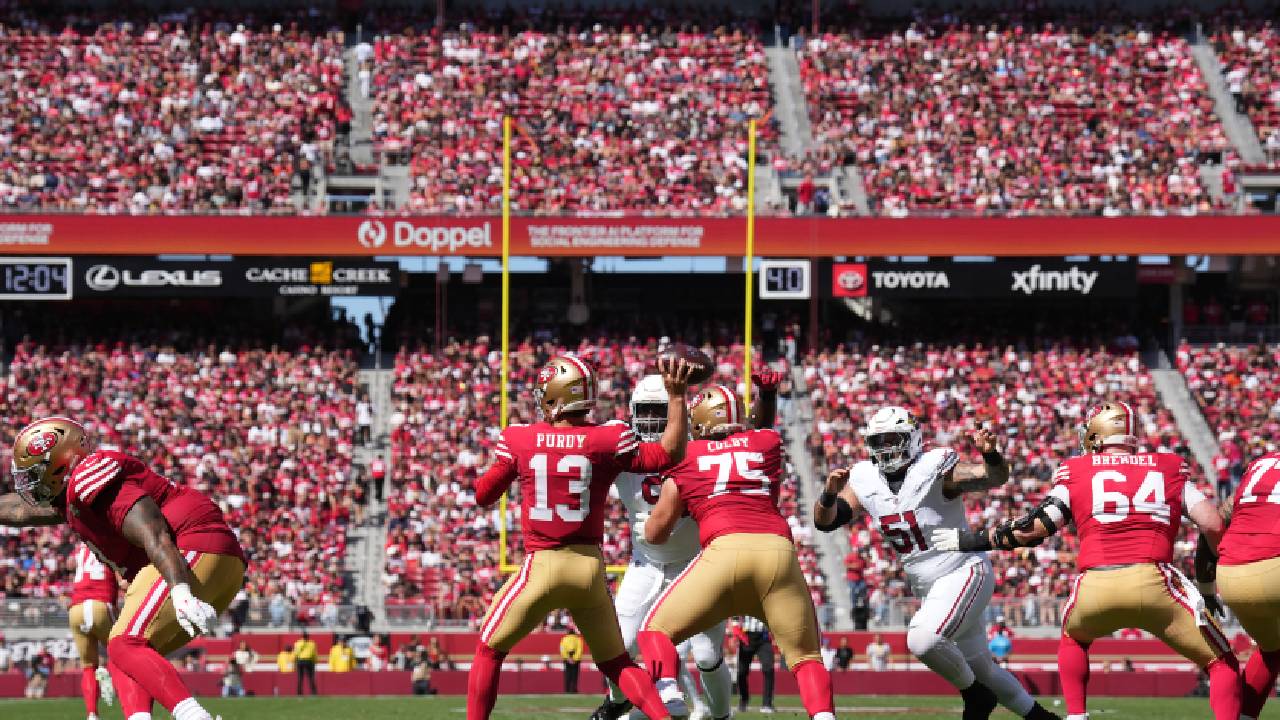
San Francisco beat the Arizona Cardinals 36-30 despite losing players during the game and spending far more time on defense. Arizona ran 81 offensive plays compared with only 50 for the 49ers. San Francisco still scored 36 points, averaging roughly 0.72 points per play compared with the Cardinals’ 0.37. That efficiency gap explains how the 49ers survived a possession disadvantage.
Brock Purdy completed 15 of 27 passes for 297 yards and four touchdowns, while George Kittle caught six passes for 82 yards and two scores. Kittle’s second touchdown came with a minute remaining after Arizona had cut the deficit to 29-27, turning another long Cardinals possession into a 36-27 advantage. “We were by no means perfect,” Shanahan said, but he emphasized how players kept competing despite the workload and injuries.
Purdy repeatedly turned limited opportunities into touchdowns behind an offensive line that has not allowed a sack through three games. Defensive consistency remains a concern, but San Francisco’s scoring efficiency gives the 3-0 team a major early advantage.
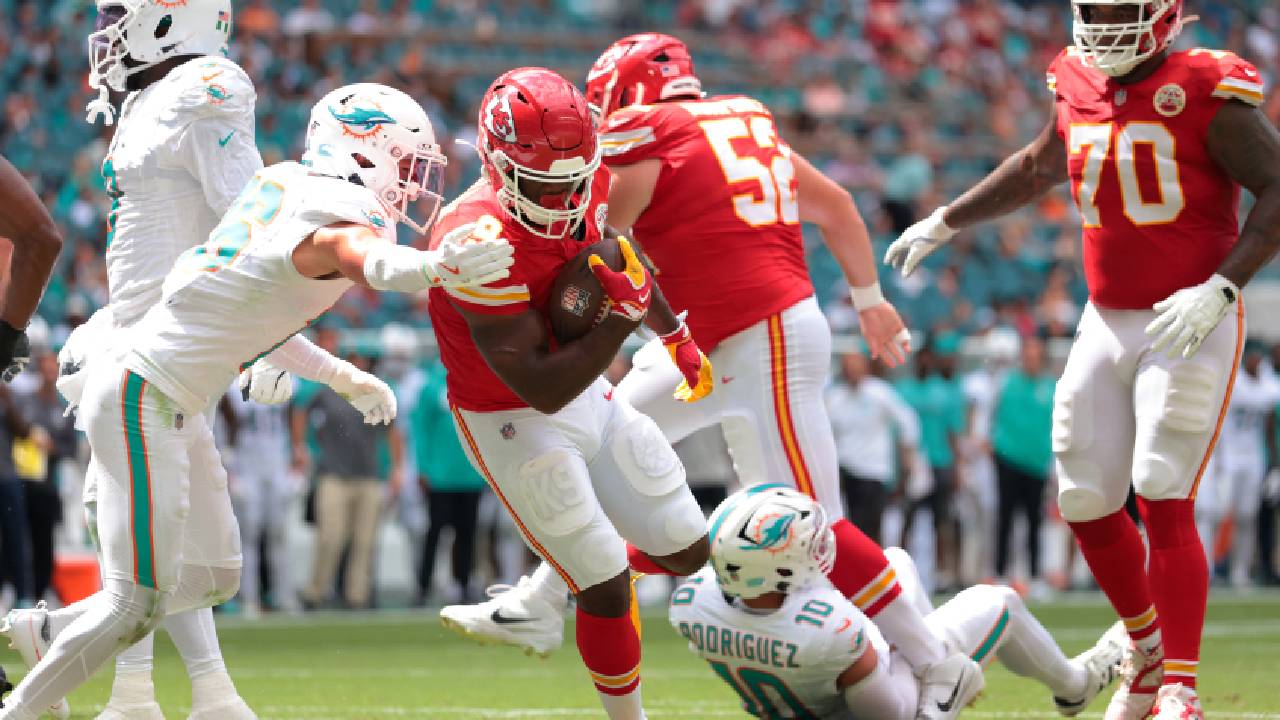
Kansas City reached 3-0 with a 24-10 victory over the Miami Dolphins, but the important development was efficiency rather than overwhelming production. Patrick Mahomes completed 20 of 24 passes for 246 yards, two touchdowns, and one interception, while Kenneth Walker III scored once rushing and once receiving. The Chiefs finished with only 40-plus offensive plays because Miami controlled possession for nearly 10 additional minutes, yet Kansas City still averaged more than seven yards per play.
The Chiefs also scored touchdowns on its first two drives and used the passing game efficiently when possessions were limited. Rashee Rice caught seven passes for 88 yards, including 55 after the catch. Nohl Williams stopped the Dolphins on fourth down while Kansas City held a seven-point lead, and Mahomes later found Travis Kelce for an 11-yard touchdown.
Andy Reid summarized the approach by saying, “We knew it [would] be four quarters of football, and that’s what it took.” The Chiefs’ defense forced Miami into three failed fourth-down attempts, allowing the offense to capitalize when the game reached its most important possessions. Mahomes passed efficiently, Walker scored twice, and the defense shortened the Dolphins’ margin for error. Week 4 at Las Vegas will test whether complementary football remains Kansas City’s preferred path.
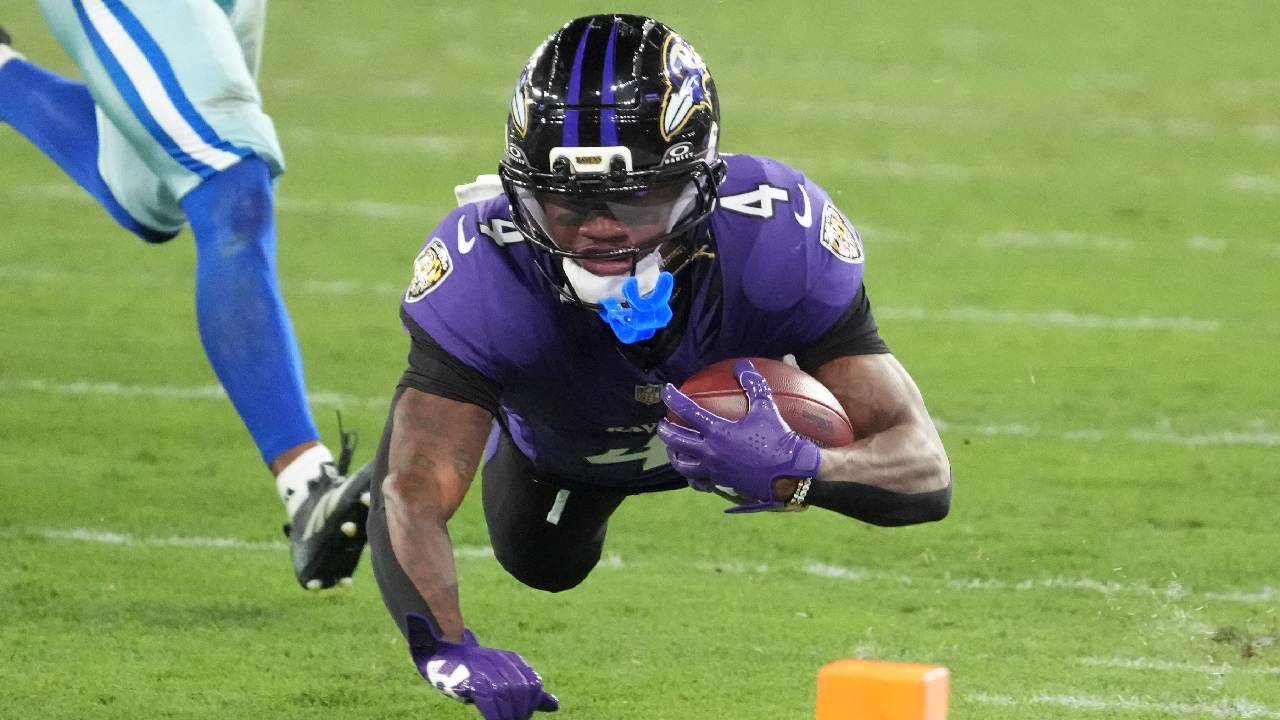
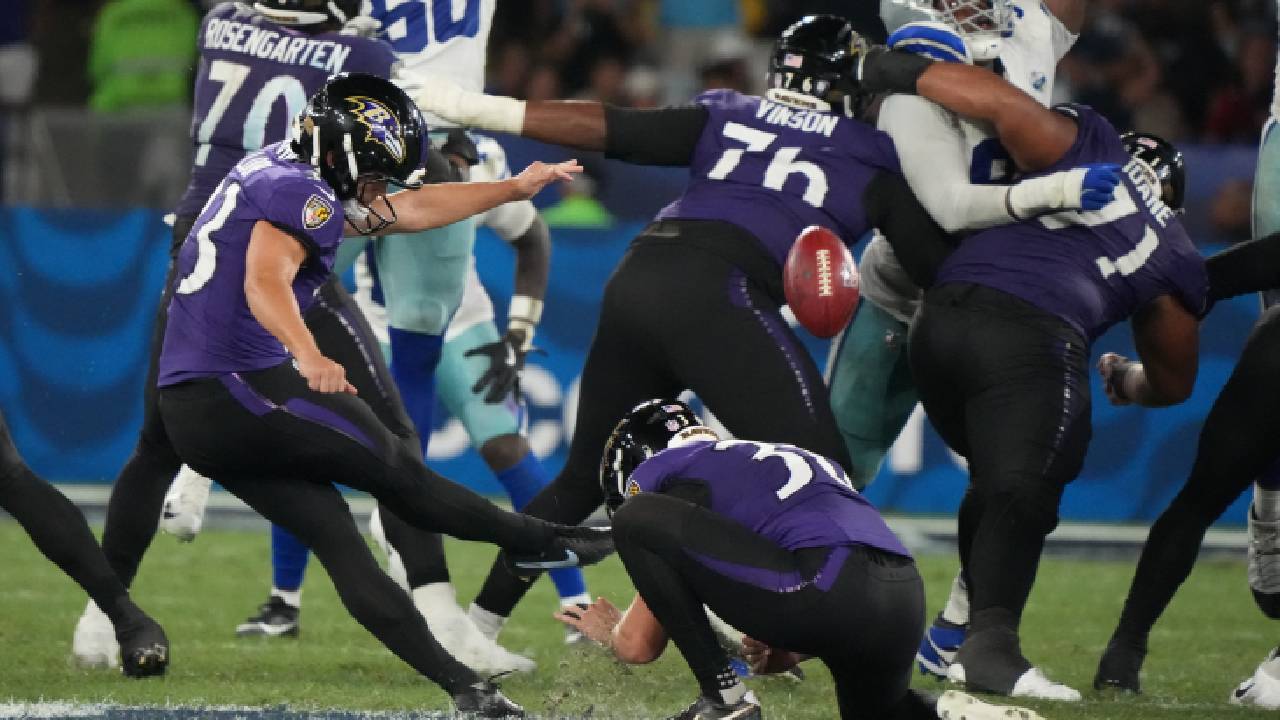
The Baltimore Ravens defeated the Dallas Cowboys 34-31 on Tyler Loop’s 56-yard field goal after turning a tie game into a winning opportunity in only seven seconds. Lamar Jackson completed 15 of 20 passes for 186 yards and two touchdowns while adding 50 rushing yards. Derrick Henry contributed 89 rushing yards and two scores. The Brazil finish mattered because Baltimore converted its final possession into points after surrendering a 24-13 lead.
Jackson connected with Zay Flowers for 27 yards before immediately calling a timeout with one second remaining, giving Loop the opportunity to win the game. The Ravens’ offense also produced 192 rushing yards, keeping the Cowboys from consistently forcing long-yardage situations and giving Baltimore another way to sustain drives. A late collapse in Rio did not become another blown opportunity because Jackson, Flowers, and Loop executed the final possession cleanly.
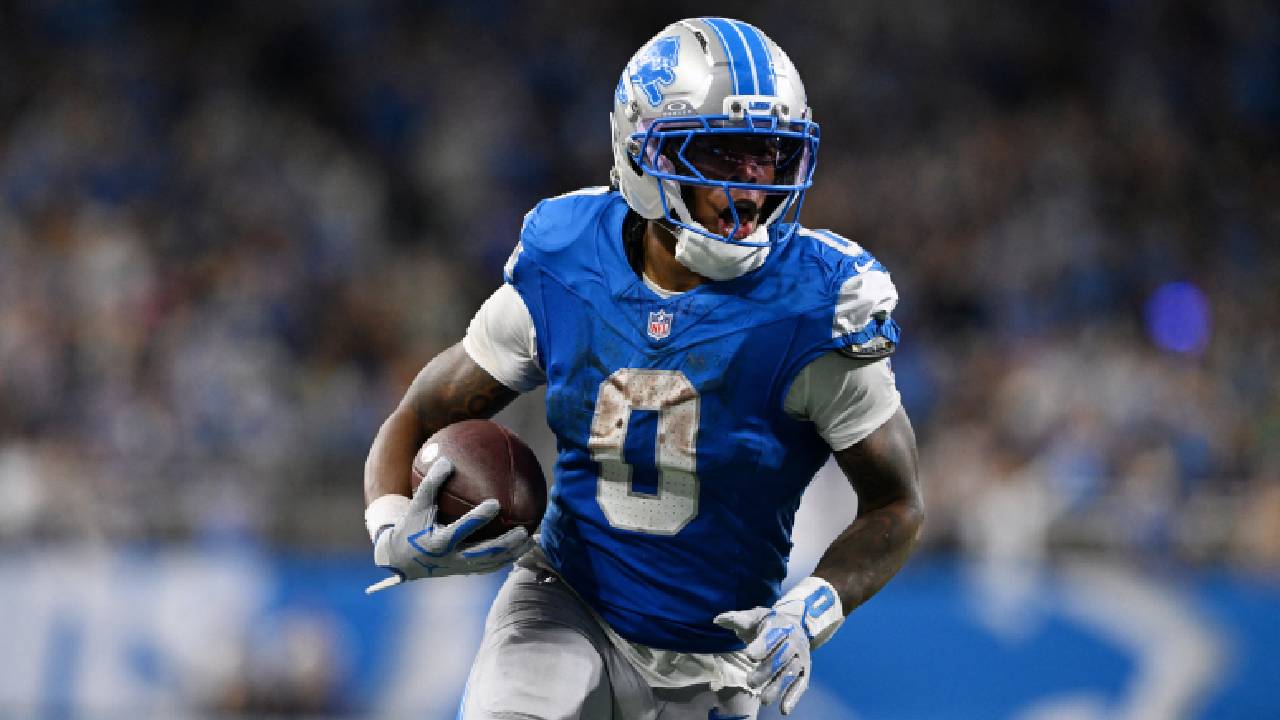
Detroit remains difficult to defend because Jahmyr Gibbs can create problems as both a runner and receiver. Gibbs rushed for 99 yards and two touchdowns on 20 carries in the Lions’ 31-24 win over the New York Jets. He made seven receptions for 65 yards and another score. The offensive balance gave Jared Goff multiple ways to attack, while Gibbs produced 164 total yards and three touchdowns.
Goff completed 25 of 32 passes for 269 yards and two touchdowns, while the Lions scored 31 points for the third consecutive game. Jared Goff has completed 70.6 percent of his passes for 802 yards, eight touchdowns, and no interceptions through three games. That historic start places Goff among only six quarterbacks in NFL history to begin a season with at least 800 passing yards and eight touchdown passes. None of those quarterbacks threw an interception or completed fewer than 70 percent of their passes.
Detroit’s defense still created the most important play late. Safety Chuck Clark’s strip-sack of Geno Smith with under a minute remaining ended the Jets’ comeback attempt, preserving a game in which New York had erased a 14-point deficit. Gibbs gives the Lions a reliable identity, but defensive inconsistency remains the larger question.
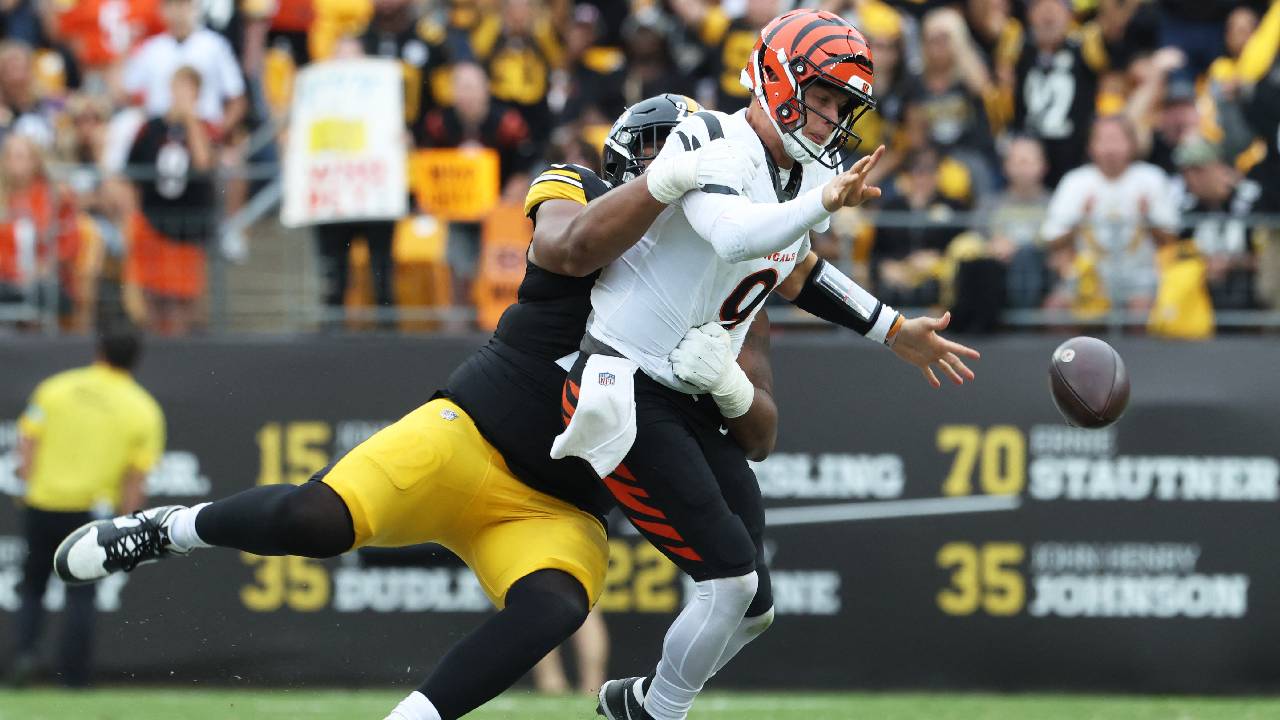
Cincinnati demonstrated how quickly a strong offensive performance can disappear when mistakes arrive at the wrong moments. Joe Burrow completed 28 of 37 passes for 282 yards and three touchdowns, but the Bengals lost 30-27 after the Pittsburgh Steelers recovered Burrow’s fumble with 44 seconds remaining. The division loss became a lesson in how special teams and late-game execution can outweigh strong quarterback production.
A fourth-quarter muffed punt created an even earlier swing. Ke’Shawn Williams failed to secure Cameron Johnston’s punt, allowing Pittsburgh to recover at the Cincinnati 14-yard line. The Steelers eventually settled for a 36-yard field goal that tied the game at 27 with 8:45 remaining. The mistake therefore handed Pittsburgh a possession inside the red zone and directly contributed to three points in a game decided by three.
The Steelers later drove 79 yards on 11 plays before Chris Boswell’s 33-yard field goal gave them a 30-27 lead with 2:15 remaining. Derrick Harmon then sacked Burrow and forced the final fumble with 44 seconds left, ending the Bengals’ comeback attempt after Cincinnati had reached midfield. Pittsburgh turned two Bengals mistakes into six points before forcing the decisive turnover. Week 4 against the Jacksonville Jaguars offers Cincinnati a chance to correct those execution issues.
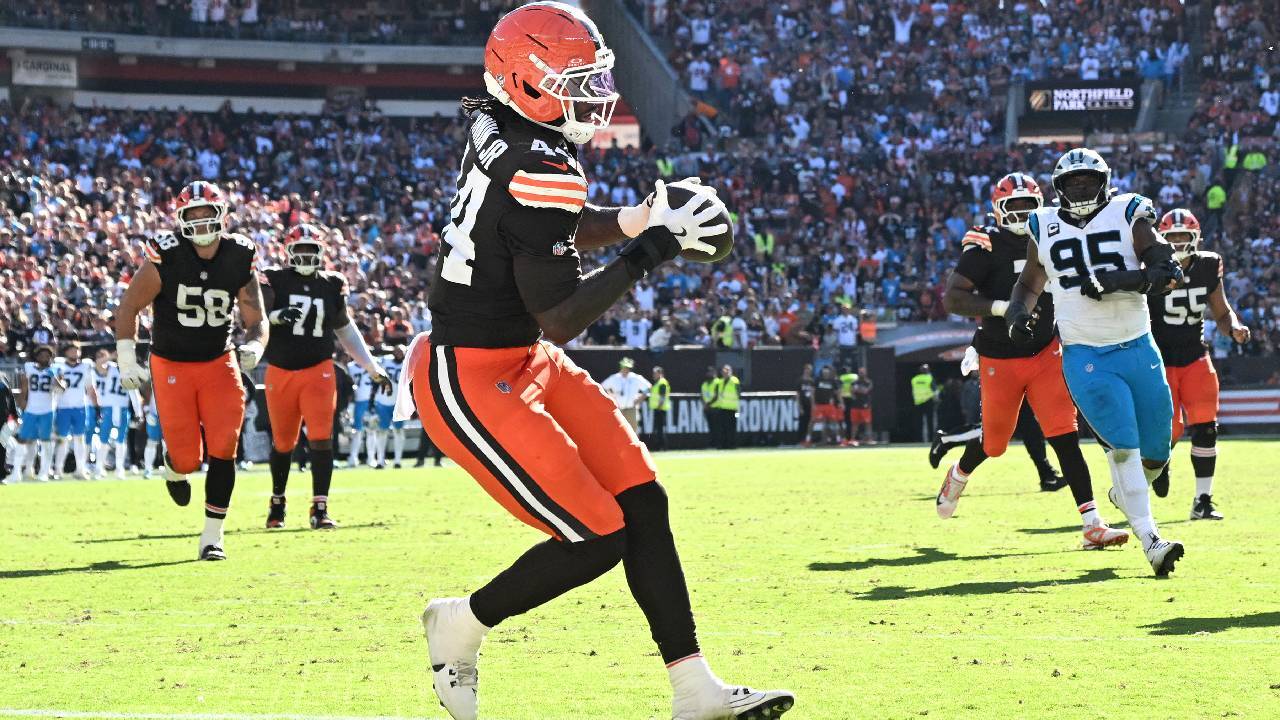
The Carolina Panthers lost 21-18 to the Cleveland Browns after holding an 18-13 lead with 4:25 remaining. Carolina outgained Cleveland 360-259 and ran 74 offensive plays, but the Panthers could not convert their statistical edge into a closing possession. The late collapse exposed how quickly missed opportunities can erase a strong offensive afternoon.
Bryce Young completed 26 of 48 passes for 291 yards, one touchdown, and one interception. Brycen Tremayne caught four passes for 83 yards, while John Metchie III gave Carolina the lead with an eight-yard touchdown reception during the fourth quarter. Deshaun Watson responded with an eight-play, 65-yard drive that ended when Harold Fannin Jr. caught a 14-yard touchdown pass with 1:48 remaining. The Browns’ winning drive also included a two-point conversion that turned a five-point deficit into a three-point lead.
A roughing-the-passer penalty against the Panthers wiped out a potential game-clinching interception with 2:29 remaining. Cleveland used the extended possession to produce the touchdown, while Derek Barnett disrupted Young’s final throw and Ronnie Hickman intercepted the deflection to seal the result. Carolina did enough to win, but the 1-2 Panthers must finish late drives, avoid penalties, and protect fourth-quarter leads.
Week 3 repeatedly demonstrated that high-leverage moments can determine games that otherwise appear evenly matched. Buffalo overcame five turnovers because its defense delivered critical stops. Cincinnati lost after a late strip-sack, while Detroit survived with a fourth-quarter takeaway and Baltimore converted its final possession into a winning field-goal attempt. The Week 3 results made situational football one of the clearest themes of the weekend.
Chicago provided another version of the same lesson by turning three takeaways into a 27-7 victory despite starting its third-string quarterback. Kansas City also stopped Miami on fourth down while holding a seven-point lead, then immediately turned the resulting field position into the touchdown that effectively ended the contest. Those moments mattered more than raw yardage because the winning teams created points or stops when the margin for error was smallest.
Turnovers, fourth downs, red-zone possessions, and final drives can swing close games regardless of total offense. Teams that execute in those moments can survive imperfect performances as the schedule becomes more difficult.
What’s your take? Post it in our free sports community at stadiumrant.app, or download Stadium Rant on the App Store.
The NFL Week 3 Breakdown produced four lessons worth carrying into October. Turnovers can erase dominant stretches, quarterback depth can change a team’s short-term outlook, explosive offenses can survive defensive problems, and high-leverage execution can decide close games. The Bills survived through defense, the Chiefs used efficiency, and the 49ers converted limited opportunities into 36 points. The Bears and Lions found offensive answers, while the Bengals and Panthers showed how quickly late mistakes can change a result.
