
The NFL Week 2 breakdown tested whether the results from opening weekend were sustainable. Several teams backed up impressive Week 1 performances, while others exposed weaknesses that were hidden seven days earlier.
Week 1 established expectations, but Week 2 provided the first real evidence of whether those expectations were justified. Nine teams produced the clearest examples, ranging from Chicago’s historic offensive collapse to San Francisco’s dominant start.
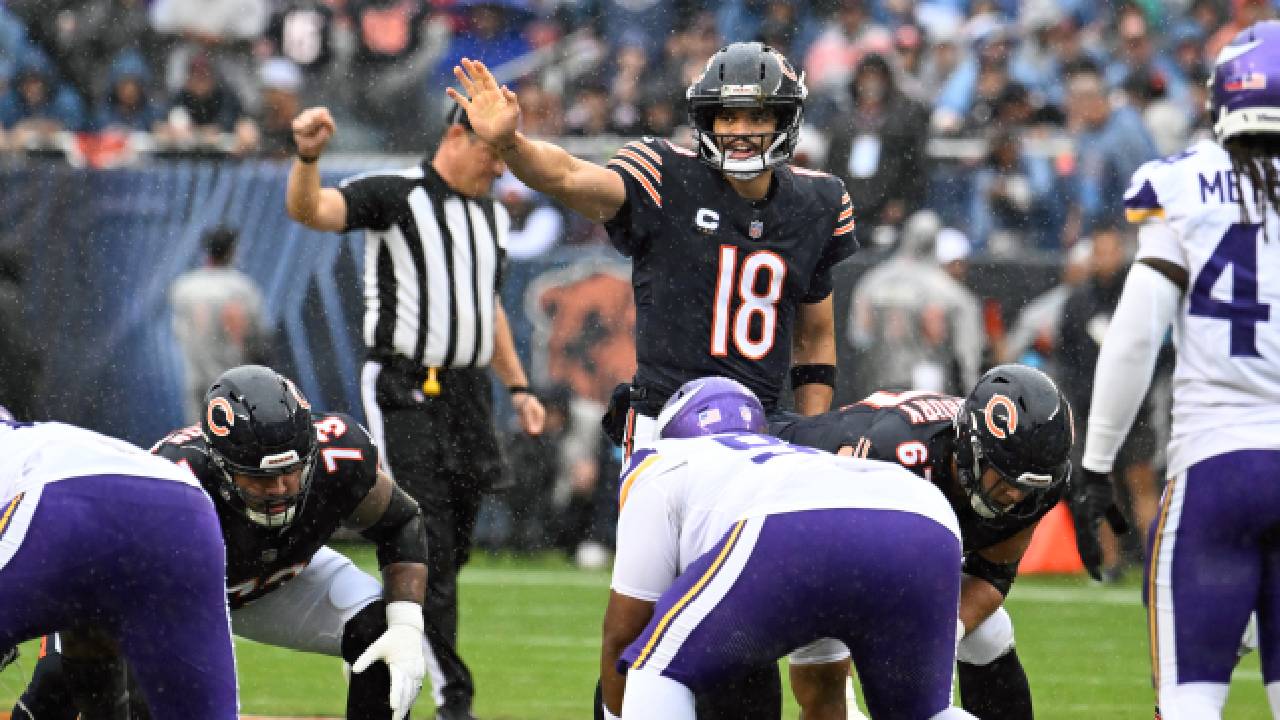
The Chicago Bears went from an offensive explosion in Week 1 to one of the NFL’s worst performances in Week 2. Chicago scored only three points in a 9-3 loss to the Minnesota Vikings after producing 59 points and 552 yards against the Carolina Panthers.
The 56-point Bears decline represented one of the most dramatic week-to-week offensive swings of the season. Chicago managed only 236 total yards, while Caleb Williams completed 15-of-26 passes for 138 yards and one interception.
The contrast showed how quickly Chicago’s offense can change when explosive plays disappear and drives stall. Williams’ late hamstring injury added another concern, with the Bears later confirming a Grade 1 strain that left the quarterback week-to-week.
Bagent replaced Williams and completed 5-of-9 passes for 54 yards, but the backup quarterback later entered the NFL’s concussion protocol, creating another concern for Chicago ahead of Week 3.
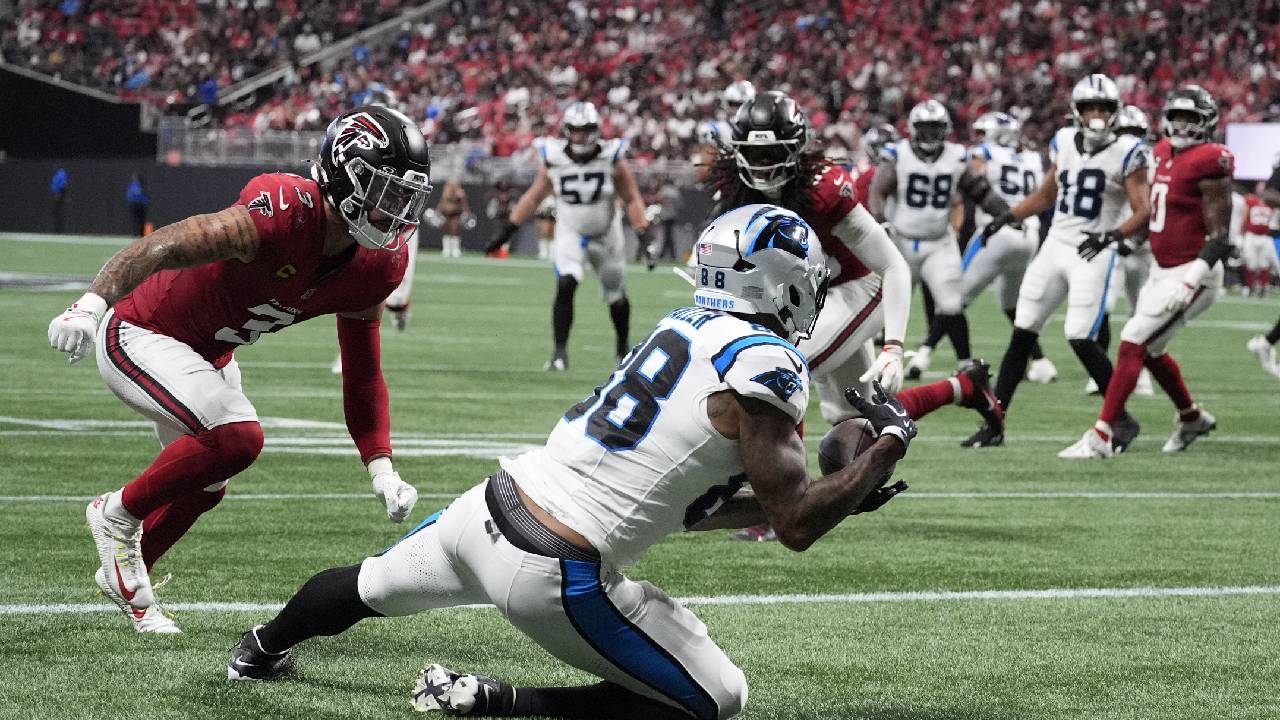
The Carolina Panthers delivered one of the biggest defensive turnarounds of Week 2. After allowing 59 points to Chicago in Week 1, Carolina defeated the Atlanta Falcons 34-3 while forcing five turnovers.
Bryce Young completed 23 of 36 passes for 287 yards and three touchdowns, but the defense provided the biggest difference. Devin Lloyd intercepted two passes, including a pick-six, as Carolina consistently disrupted Atlanta’s offense.
The five defensive takeaways provided a stark response to Carolina’s 59-point collapse in Week 1. They showed how dramatically the unit’s performance changed from one week to the next.
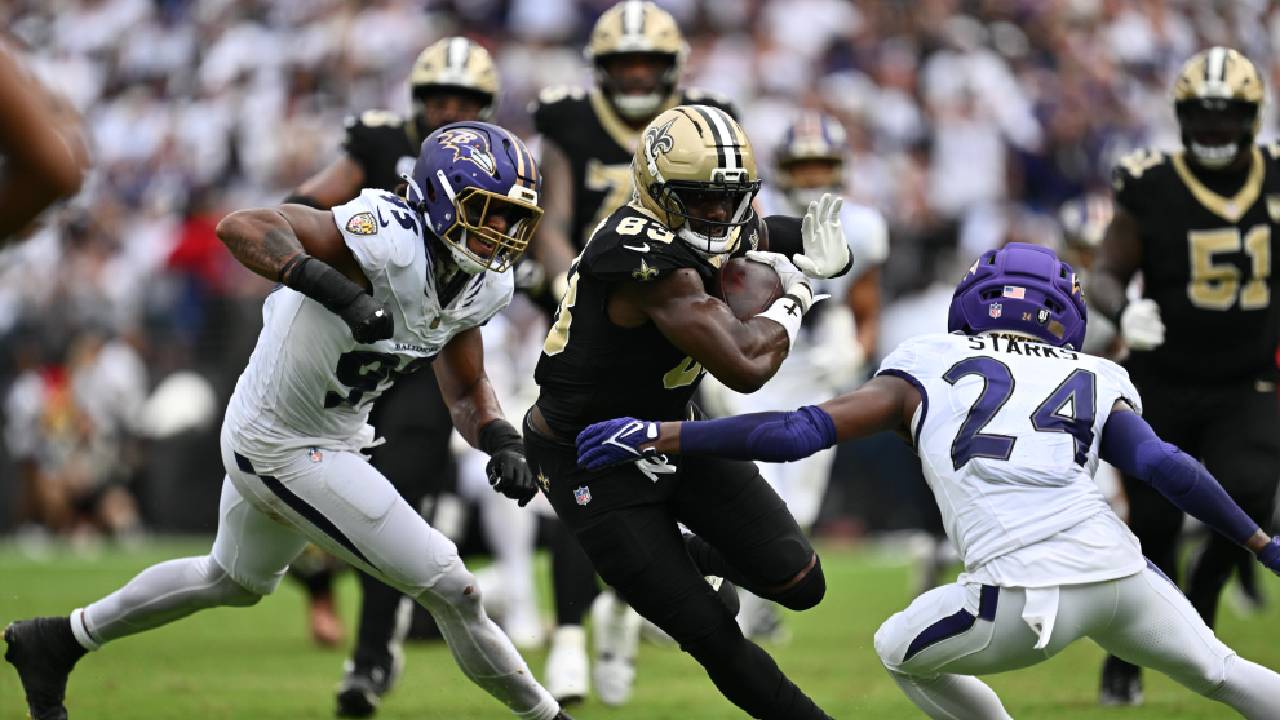
The Baltimore Ravens followed a 506-yard Week 1 performance with a 24-17 home loss to New Orleans. Lamar Jackson finished with 245 passing yards and a touchdown, while Derrick Henry managed only 65 rushing yards.
Baltimore held a 14-6 halftime lead, but New Orleans outscored the Ravens 18-3 after halftime. The Saints also converted 8-of-15 third downs, keeping drives alive and limiting Baltimore’s opportunities to regain control.
New Orleans eventually turned a 17-17 game into a fourth-quarter victory when Tyler Shough converted a fourth-down sneak with 1:28 remaining. Baltimore’s explosive Week 1 offense therefore faced a much different test against a Saints team that kept the game from becoming another high-scoring track meet.
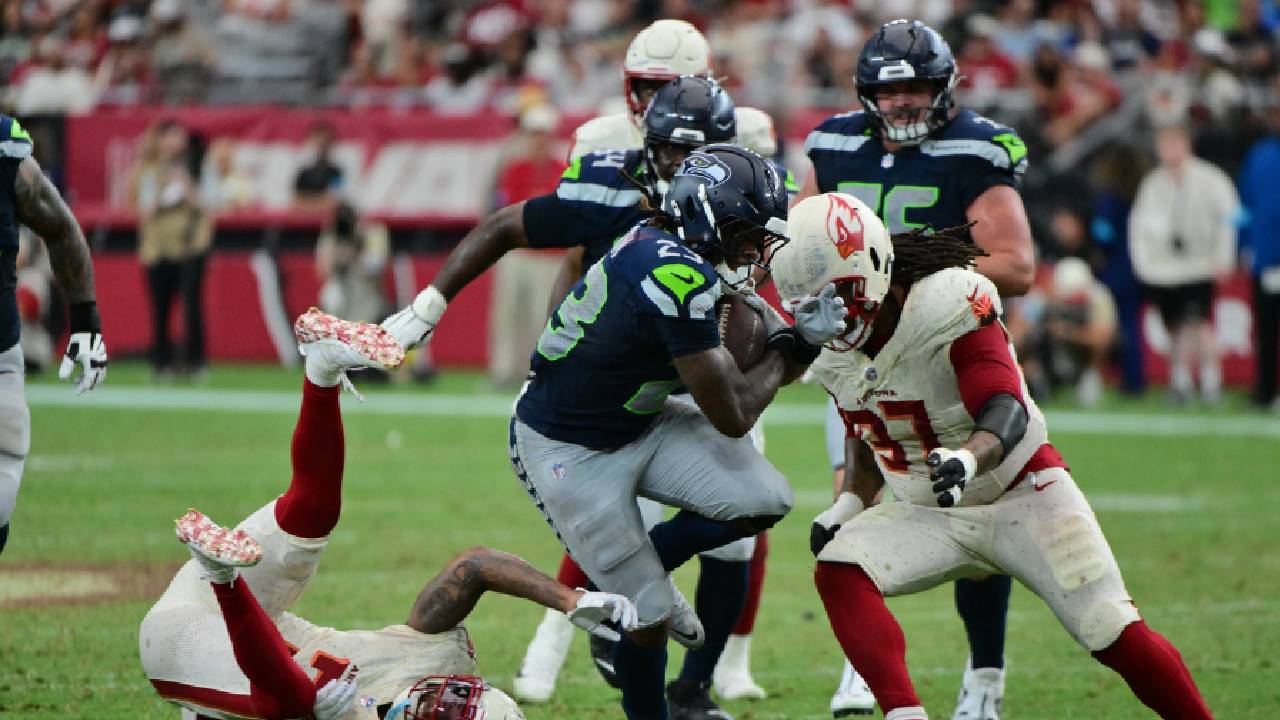
The Arizona Cardinals produced one of the clearest Week 1-to-Week 2 reversals. Arizona opened the season with a 26-14 road victory over the Chargers before losing 31-7 to Seattle.
Arizona managed only 151 total yards against Seattle. Jacoby Brissett completed 17 of 28 passes for 95 yards, one touchdown and one interception, while Trey McBride caught eight passes for 41 yards and a touchdown.
Seattle controlled the game with 381 total yards, a 23-10 advantage in first downs and 36:33 of possession. Arizona managed only 70 rushing yards.
Drew Lock completed 19 of 26 passes for 235 yards and three touchdowns, while Jaxon Smith-Njigba caught nine passes for 155 yards and three touchdowns. Smith-Njigba opened the game with an 82-yard touchdown on Seattle’s first snap. The Week 2 performance exposed how differently the Cardinals can look against an opponent capable of controlling possession and limiting explosive plays.
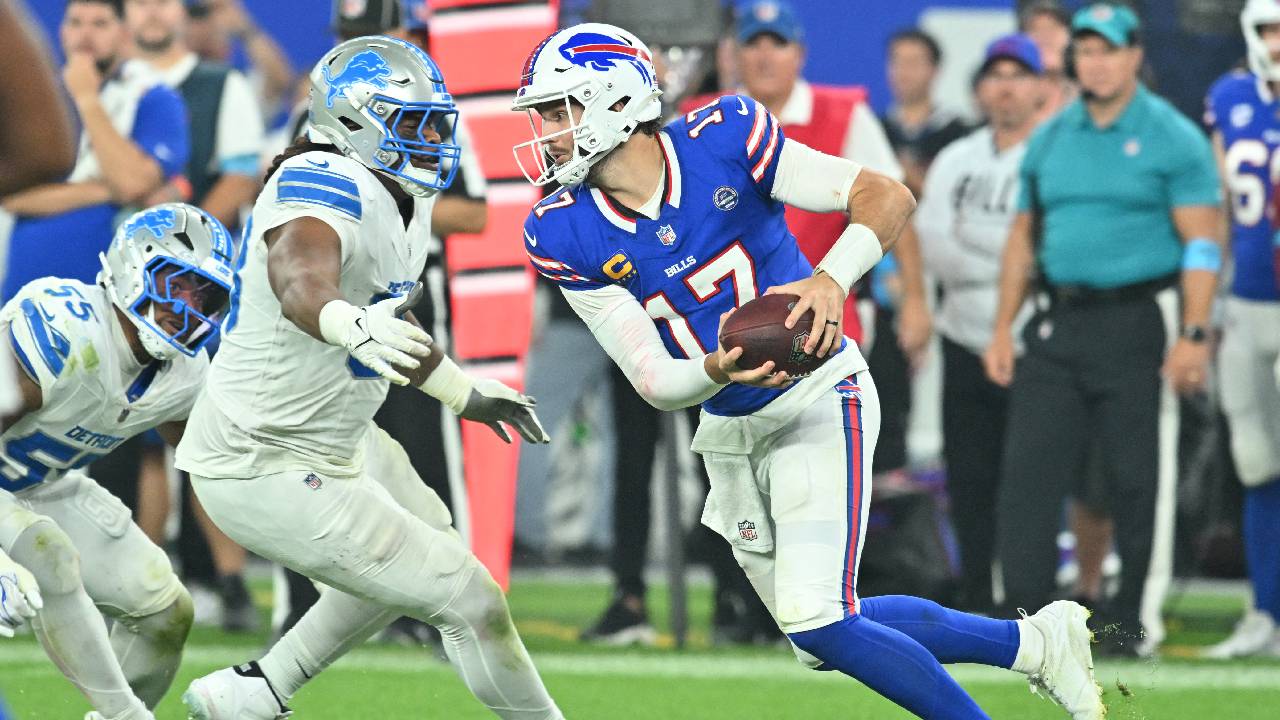
The Detroit Lions entered Week 2 after surviving New Orleans in overtime despite allowing 469 yards. The Buffalo Bills exposed those defensive concerns again in a 41-31 victory.
Buffalo’s offense produced 299 total yards in the first half and built a 27-7 halftime lead. Josh Allen accounted for five touchdowns, while James Cook finished with 139 rushing yards and a touchdown.
The Bills followed that warning with six touchdown drives in nine possessions. The Lions have now allowed 71 points through two games, making defensive consistency a much bigger concern than the Week 1 overtime victory suggested.
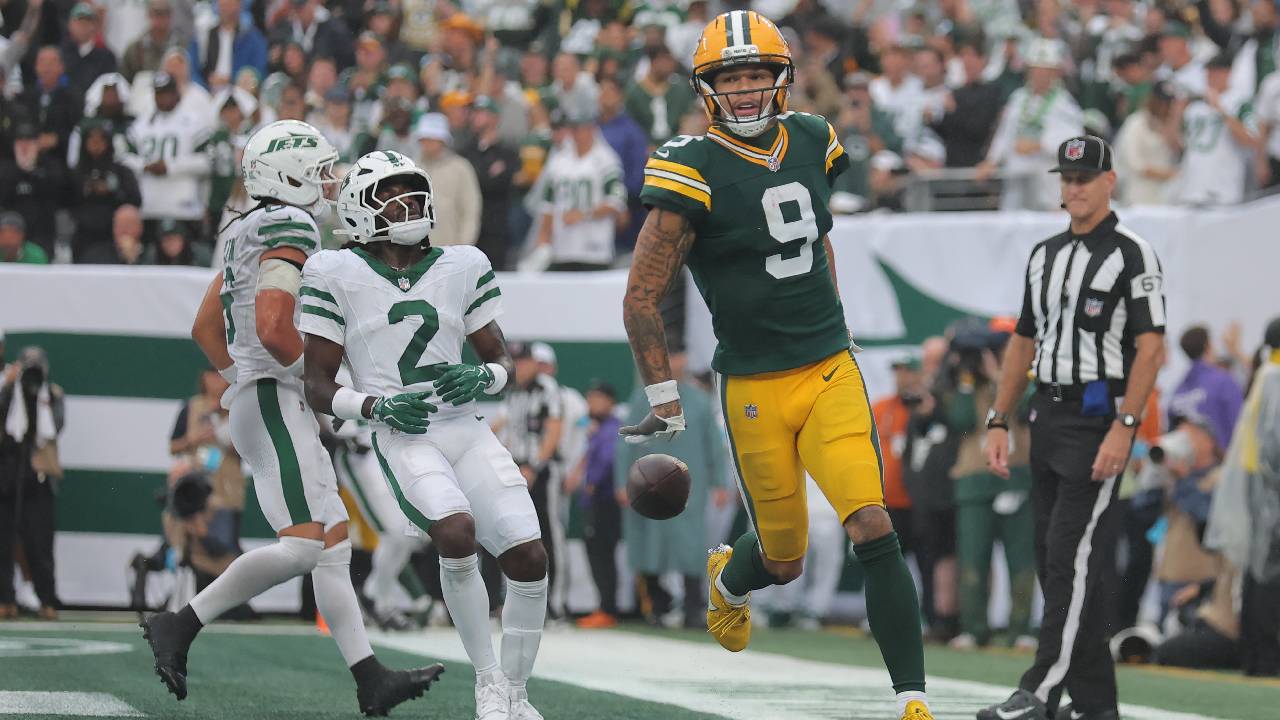
The Green Bay Packers overcame a 17-7 fourth-quarter deficit to defeat the New York Jets 20-17 in overtime. Green Bay lost wide receiver Jayden Reed and right tackle Zach Bako-Bewele to injuries on consecutive plays during the opening series.
Reed was taken from the field on a backboard and remained hospitalized overnight, later posting that he was doing much better. Bako-Bewele was also carted off with a knee injury, while left guard Aaron Banks later exited with a toe injury and replacement Donovan Jennings left with a hand injury.
The offensive-line problems became especially significant because rookie Jager Burton eventually became the Packers’ last available offensive lineman. Packers’ injury recap also detailed the team’s mounting personnel issues.
Green Bay eventually rallied behind a touchdown pass to Christian Watson, a tying field goal and a 26-yard Trey Smack field goal in overtime. The comeback demonstrated the Packers’ ability to recover from a two-score deficit, while the concentration of injuries created immediate depth concerns heading into Week 3.
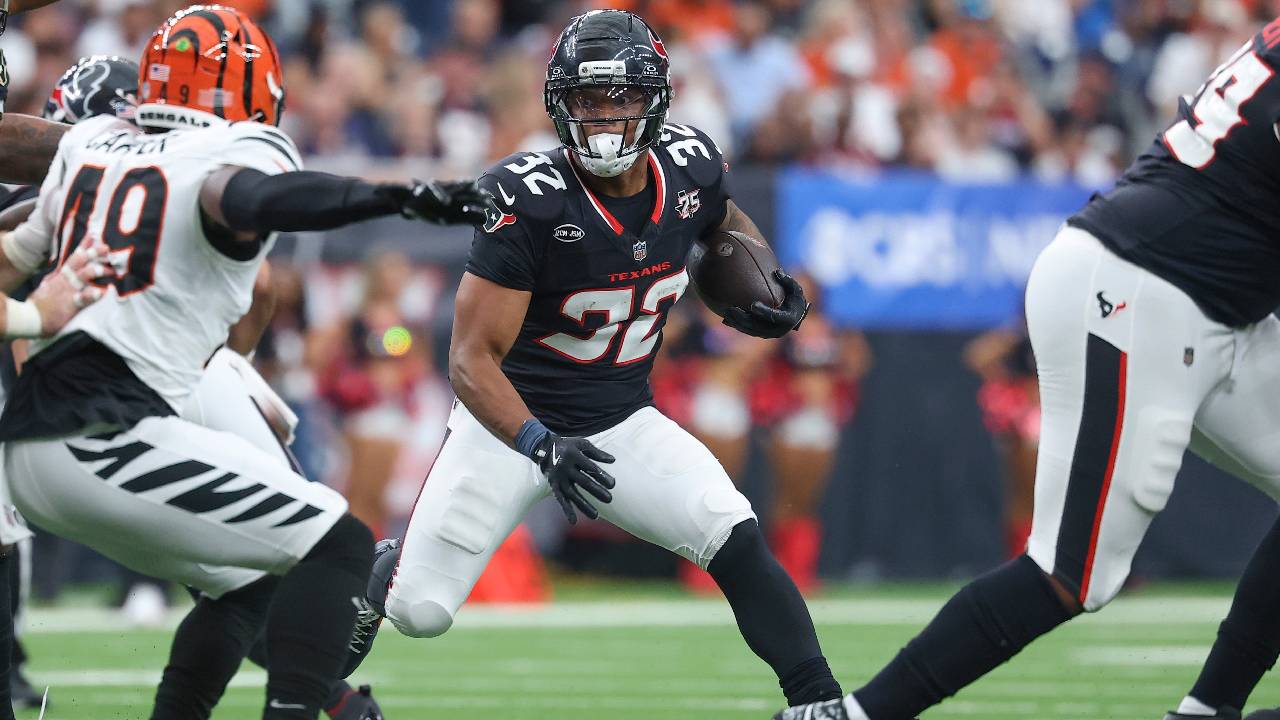
The Cincinnati Bengals defeated Houston 20-6 after opening Week 1 with a 33-27 victory over Tampa Bay. Joe Burrow threw two touchdown passes to Ja’Marr Chase, who rebounded from a two-catch, 12-yard Week 1 performance with seven catches for 75 yards and two touchdowns. Tee Higgins also contributed five catches for 95 yards, giving Cincinnati a more productive receiving combination than it had in the opener.
The Bengals’ defense created consistent pressure against C.J. Stroud. Cincinnati generated 27 pressures on 62 dropbacks, a 43.5% pressure rate, while Houston finished with only 60 rushing yards and converted five third downs.
Cincinnati’s second victory came with a more complete defensive performance. Burrow and Chase supplied the offensive production that was missing at times during the opener.
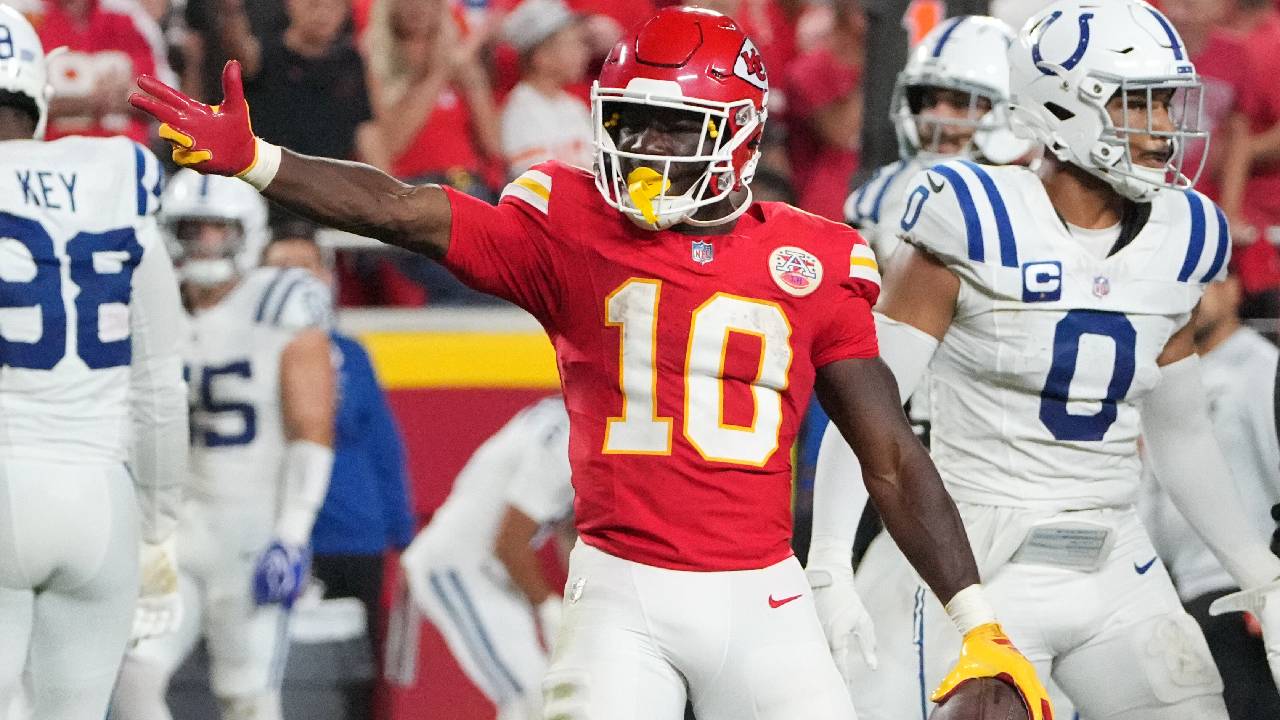
The Kansas City Chiefs survived Indianapolis 33-30 in overtime after the Colts led 20-17 at halftime. Harrison Butker eventually delivered the game-winning 40-yard field goal.
Indianapolis produced 329 total yards and 24 first downs while converting 5-of-12 third downs and both of its fourth-down attempts. The Colts also scored 20 points before halftime after Kansas City had held Denver to 176 total yards and 10 points in Week 1.
Patrick Mahomes countered with 382 passing yards and three touchdowns, while Travis Kelce caught nine passes for 101 yards. Kenneth Walker III added 117 rushing yards and 61 receiving yards, giving Kansas City enough offensive production to survive the defensive problems.
The Week 2 result showed Kansas City could finish a tight game. The 329 yards and 20 first-half points allowed, though, exposed a defensive issue that did not appear during the dominant Week 1 win over Denver.
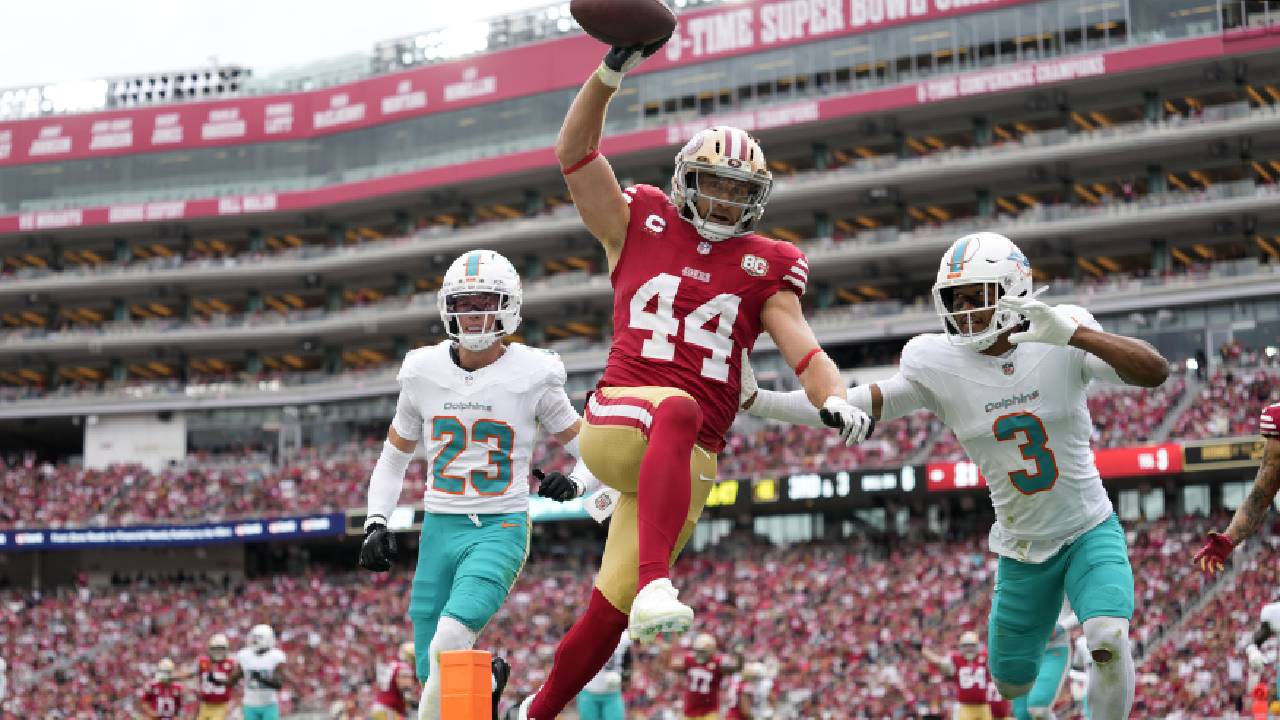
The San Francisco 49ers followed a 27-7 victory over the Rams with a 35-13 win over Miami. San Francisco opened the Dolphins game with five consecutive touchdown drives, building a 35-6 lead through three quarters.
Brock Purdy completed 20 of 22 passes for 287 yards and two touchdowns while adding 30 rushing yards and a touchdown. Purdy also completed 18 consecutive passes during the game, while Christian McCaffrey scored twice to reach 100 career touchdowns in 114 games.
San Francisco executed five straight touchdown drives against Miami. The 49ers followed up a 27-point Week 1 victory, giving them consecutive games with at least 20 points to open the season.
What’s your take? Post it in our free sports community at stadiumrant.app, or download Stadium Rant on the App Store.
Week 1 created the storylines. Week 2 tested them. Chicago’s offense collapsed from 59 points to three, while Carolina responded to its defensive disaster by forcing five turnovers in a 34-3 win.
Baltimore’s 506-yard opener gave way to a home loss after New Orleans controlled the second half, while Arizona went from a road win over the Chargers to seven points and 151 total yards against Seattle. Detroit’s defensive problems continued against Buffalo, while Green Bay overcame a two-score deficit despite losing multiple offensive linemen and Jayden Reed to injuries.
Cincinnati paired another victory with a 43.5% pressure rate against Houston, Kansas City survived after allowing 329 yards and 20 first-half points. San Francisco scored touchdowns on five straight drives, carrying its offensive efficiency into another convincing win.
The NFL Week 2 breakdown matters because the second week provided the first meaningful test of whether Week 1 results represented sustainable strengths or matchup-driven performances. The nine examples above showed both sides of that test, with some teams reinforcing their opening-week results and others exposing problems that Week 1 had hidden.
