
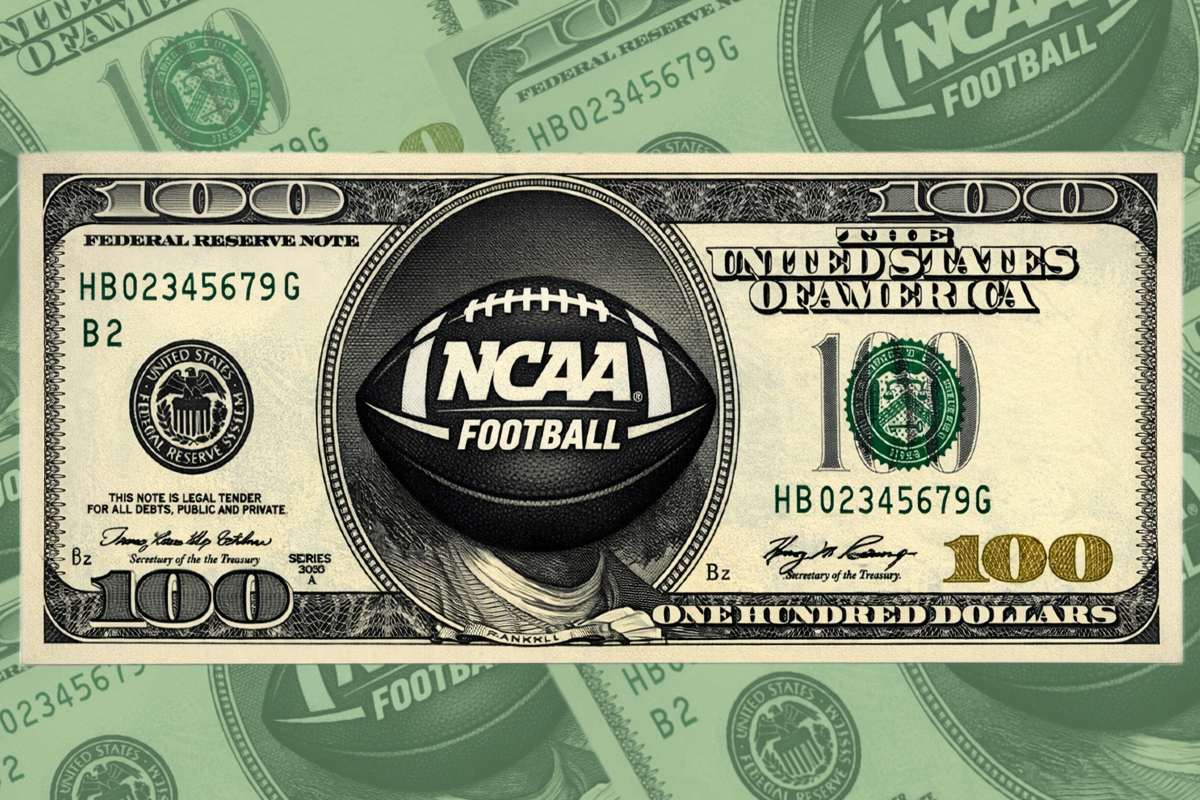
An NCAA Football CBA is necessary going forward. The NCAA and college football are currently experiencing widespread concerns and debate over alleged tampering in the transfer portal era. Several high-profile players and coaches are involved in controversial moves and recruitment battles.
Lane Kiffin: After leaving Ole Miss for LSU, Kiffin and his new staff were accused by Ole Miss officials of illegally tampering with former Rebels players, including potentially leaking contract details to facilitate transfers. This has sparked a debate about the lack of enforceable rules surrounding coaches and staff moving to rival teams and recruiting former players.
Demond Williams Jr.: The quarterback signed with Washington but subsequently entered the transfer portal, with sources indicating Miami and LSU as potential landing spots. Washington was reportedly prepared to take legal action and enforce his signed NIL contract, which would have resulted in a significant legal battle to test the viability of player contracts in the current system. He did eventually return to Washington.
Ty Simpson: The Alabama quarterback declared for the NFL Draft but reportedly received massive NIL offers (up to $6.5 million) from schools like Miami, Tennessee, and Oregon to return to college, despite not being in the transfer portal at the time. This situation was widely criticized by college football analysts as a blatant example of tampering that highlights the system’s flaws.
Darian Mensah: After initially announcing he would return to Duke, the star quarterback abruptly entered the portal just hours before the window closed, with Miami emerging as the favorite to land him after allegedly making a massive $10 million NIL offer. Duke officials are concerned about potential in-conference tampering and the enforceability of his NIL agreement.
These cases highlight the “chaos” of the current college football system. A federal judge’s ruling has complicated the NCAA’s ability to enforce tampering rules, leading to widespread calls for reform.
Here is an example of a Collective Bargain Agreement that the NCAA and universities must enter into to save the integrity of the game in college sports.

Base Compensation: A standardized “salary” for all players, which could be a percentage of the team’s salary cap, with a minimum floor that includes tuition.
Performance Bonuses: Additional payments based on on-field performance metrics, such as all-conference selections, bowl game participation, or team success (e.g., wins or playoff advancement).
Veteran Incentives: Longevity Bonuses: A dedicated pool of funds providing bonuses for athletes who stay at their institution for more than two years, rewarding loyalty and preventing constant transfer portal movement.
Position-Based Value: While a CBA would standardize some aspects, the open market for top players in key positions (like Quarterbacks and Edge Rushers) suggests they would command higher earnings, a reality likely to persist even with a structured agreement.
Current Unofficial Estimates: Below are current market range estimates for proven Power 4 conference starters, which might inform a potential CBA’s structure:
Quarterback: $1.5 million – $2 million (elite players potentially higher)
Offensive Tackle/Edge Rusher: $500,000 – $1 million
Wide Receiver/Cornerback: $400,000 – $800,000
Interior Linemen/Safety: $300,000 – $700,000
Running Back/Tight End/Linebacker: $200,000 – $700,000 These figures are largely based on current NIL negotiations and transfer portal valuations rather than a formal, collectively bargained salary structure.
The primary goal of a CBA in college sports is to create a unified, enforceable structure that replaces the current fragmented NIL model with stability and a fair system for all athletes. The NFL provides a potential template that could be adapted to the collegiate landscape. While star players might earn less than their current peak NIL deals under a cap, a CBA would ensure better pay and benefits for the majority of players, including depth and special teams members.
To combat the high turnover of the transfer portal, a fair CBA would include a “Veterans Performance Incentive Pool” for players with 2+ years at one institution.
A “4+1” model: Four years of undergraduate competition plus one year of graduate school competition to pursue a master’s degree for a fifth-year of eligibility. Which is often supported by the university’s academic, athletic, and Name, Image, and Likeness (NIL) opportunities, allowing the player to remain a veteran leader on the team.
The NCAA requires that to use this extra time, the student-athlete must be enrolled in a postgraduate or second-baccalaureate program, ensuring the extra year is tied to continuing education. These “super seniors” frequently act as mentors to freshmen and younger players, providing team leadership. With the rise of NIL, these extra years are often financially supported, allowing athletes to maximize their earning potential while finishing their education.
Student-Athlete Transfers
In essence, a CBA allows athletes, through a union, to negotiate directly with universities and conferences. It establishes a predictable framework to manage financial issues and athlete welfare, reducing reliance on Congressional action. Also, it brings structure, fairness, and financial sustainability to college athletics by treating athletes as employees with negotiated terms, mirroring the professional sports model to solve the current chaos.
For more Kentucky and college sports articles, click here.
Subscribe to College SportsCast for fun, original college sports Shows. Do not miss our weekly GameDay Pick’em or Big Fuss Show for more debates, previews, and analysis.
