
The NBA has a rich history of showcasing the very best basketball talent from around the globe. For years, the pathway to stardom for international players meant first playing and attending a D1 NCAA University on an athletic scholarship. That would mean increased exposure to top-level competition and multiple appearances in nationally televised NCAA tournaments. The list of players who went this route, then were drafted and went onto NBA stardom, is quite distinguished.
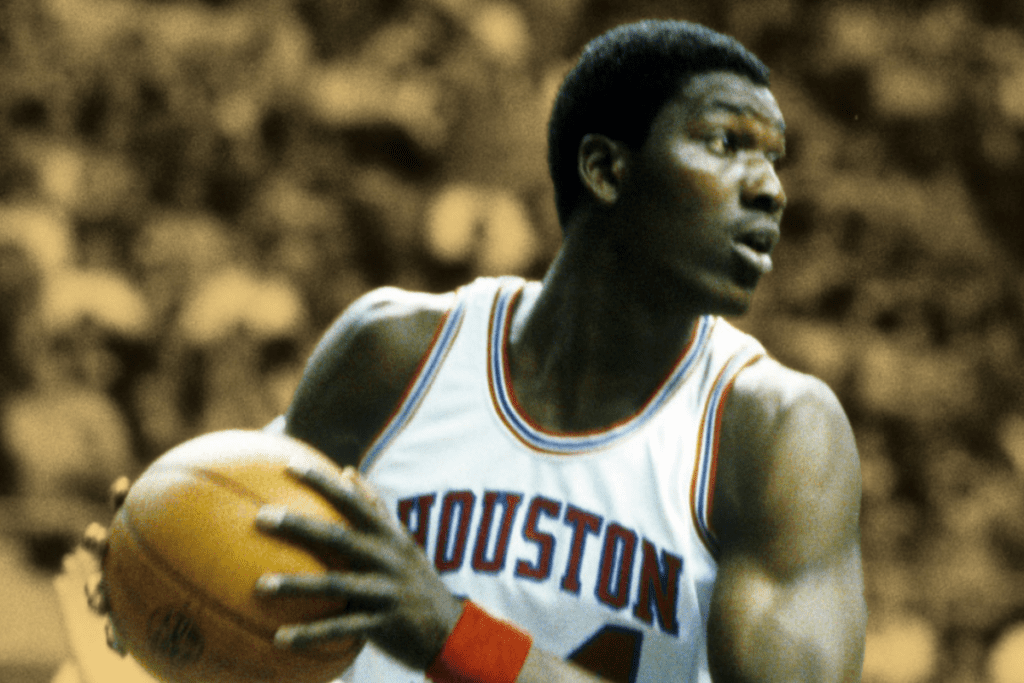
There are players such as two-time MVP Steve Nash (Canada/Santa Clara), Hall of Fame Centre, and ‘94 MVP Hakeem Olajuwon (Nigeria/Houston). There is also four-time Defensive Player of the Year, the late Dikembe Mutombo (DRC/Georgetown). In recent years, the introduction of the Name, Image, and Likeness (NIL) incentive has been offered to college players. This move is aimed towards compensating student athletes who have helped to generate revenue for their college/university through their popularity and exceptional talents.
The goal of NIL, it would seem, would be to attempt to retain players who otherwise might skip college altogether and declare for the NBA straight out of high school. Alternatively, some might play for a substantial salary in Europe before declaring for the NBA draft. For example, San Antonio Spurs phenom Viktor Wembanyama took a salary of over $1 million per season for the Paris Metropolitans as an 18-year-old before being selected by the San Antonio Spurs as the number one pick in the 2023 NBA draft.
The third pick of that draft, Scoot Henderson, had been playing for a salary of $500 thousand as a 17-year-old with the NBA’s G League Ignite before he eventually became eligible to declare and was taken by the Portland Trail Blazers. In short, the comparison in terms of direct pathways toward fame and fortune in basketball is strikingly different today than it was 20, 10, or even five years ago. For storied programs like Kentucky, Duke, UCLA, or Kansas, for example, to successfully recruit and sign blue chip players, they simply must pay and offer revenue incentives.
This is where NIL hopes to come in, effectively attempting to save the college sports brand as we know it. Coming in April is the expected approval of the settlement to fully allow a revenue-sharing partnership between D1 Colleges/Universities and student-athletes. College basketball should once again see the best recruits donning the jerseys of schools like North Carolina Tar Heels or Michigan. There is one glaring oversight with this plan, though: they seem to have forgotten about the international players.
One could only imagine the list of options that Hakeem Olajuwon or Steve Nash would have had in today’s puzzling world of pathways to the NBA. Aside from being “one and done” in their college career before declaring for the draft, both might have had representation demanding substantial NIL payments, or they would simply play in Europe before being drafted. With the current settlement moving forward, though, there are no provisions that allow for international student-athletes to be paid to play.
The NIL framework, as it currently exists, applies only to US-born players. International players who would require a student visa in order to attend a US institution in any capacity would be competing entirely outside of the NIL bubble. The NIL system might work to retain and attract some blue chip recruits like A. J. Dybantsa (BYU Commit) or Cameron Boozer (Duke Commit). However, it won’t offer any incentives for highly-touted International players like Nolan Traore (France) or Rocco Zikarsky (Australia). They would be “starving” student-athletes if they were to attend one of these prestigious basketball-crazed American Universities.
If players like Traore were to attend one of those mentioned above, or any US school for that matter, and accept NIL payments in the same way that their teammates would, they risk possible deportation. That, in most estimations, would mean no NBA…ever. A separate bill would need to be in place that could amend the settlement of House v. NCAA to accommodate international players.
The current administration seems to view this idea as a slippery slope and appears in no hurry to make such an accommodation. A poor precedent is now being set. The general message is that foreign players are not welcome. One can be sure that this feeling extends up to the NBA.
It may be stated that the best players in the NBA now come from the international basketball community and countries outside of the US. A sour taste is beginning to emerge in that this group of elite international players will increasingly have no connection or experience whatsoever with the storied programs of NCAA basketball. With the current settlement expected to be enacted very soon, we might never again see players like SGA suiting up for Kentucky or Mutombo blocking shots at Georgetown. The ripple effect is being felt in the NBA. As more lucrative options become available for international players, they have more to explore. Perhaps a more inclusive design of NIL should be considered.
