
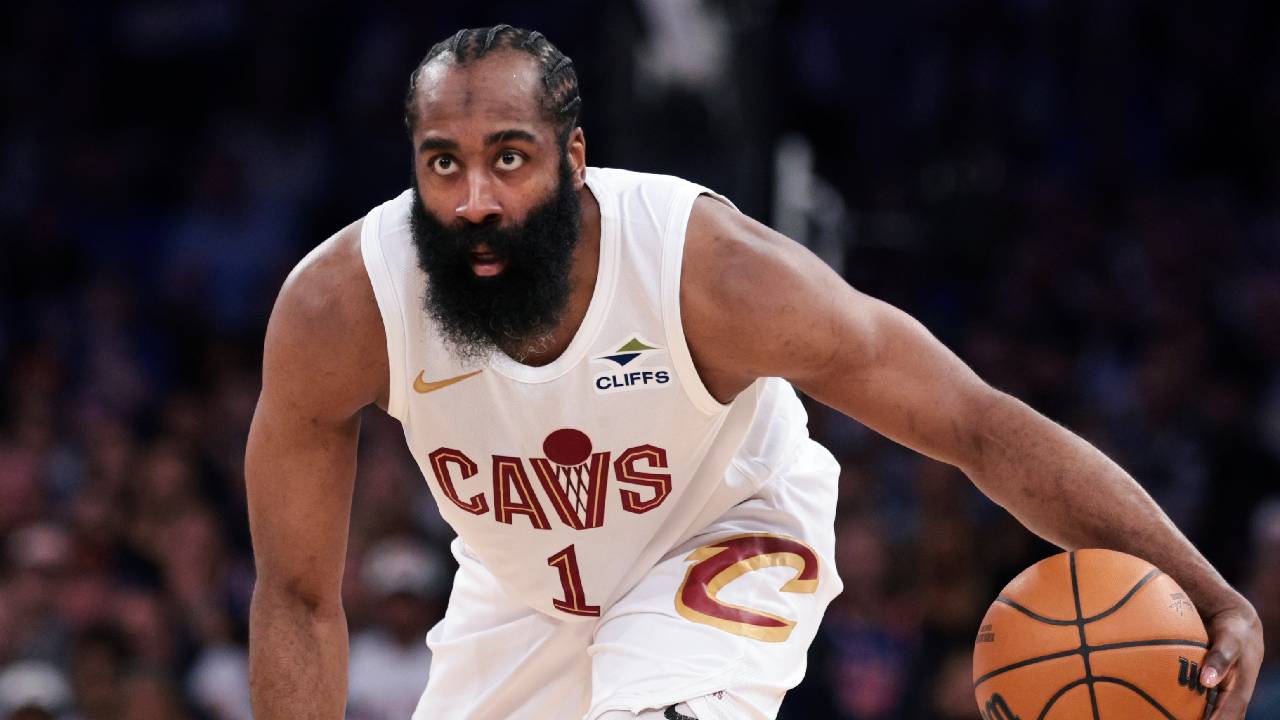
NBA players who bet on themselves become easy material for viral graphics. A player reportedly declines one huge contract, eventually signs a smaller one, and the internet does the subtraction before looking at anything else.
That version is dramatic, but it oversimplifies NBA free agency.
Betting on yourself can cost a player life-changing money. Dennis Schröder, Nerlens Noel, and Caleb Martin each illustrate how quickly leverage can shift. Yet the same strategy can work when a player maintains elite production and market value. James Harden’s career shows why some NBA stars are willing to pass on immediate security in pursuit of flexibility, fit, and a larger long-term outcome.
The real question is whether they have enough leverage to survive the risk.
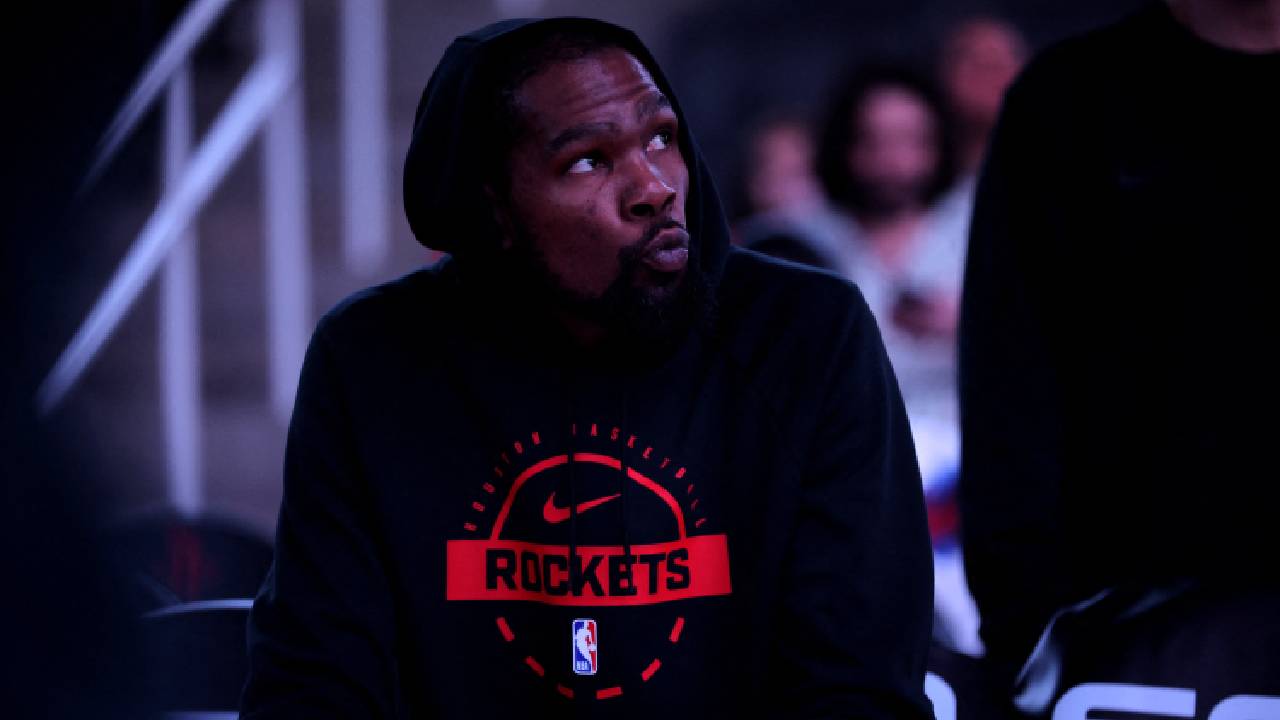
One injury, one disappointing postseason, one coaching change, or one weak free-agent market can change a player’s value almost instantly.
Still, turning down a contract is not always reckless. Some players want another season to prove they deserve more. Others want a larger role, a better team situation, or more control over their next destination. A short-term deal can also allow a player to re-enter free agency when the salary cap rises or more teams have money to spend.
A player may believe he is one breakout year away from a massive payday. An injury then arrives, a role shrinks, or the market dries up. The offer that felt too small suddenly becomes impossible to replace.
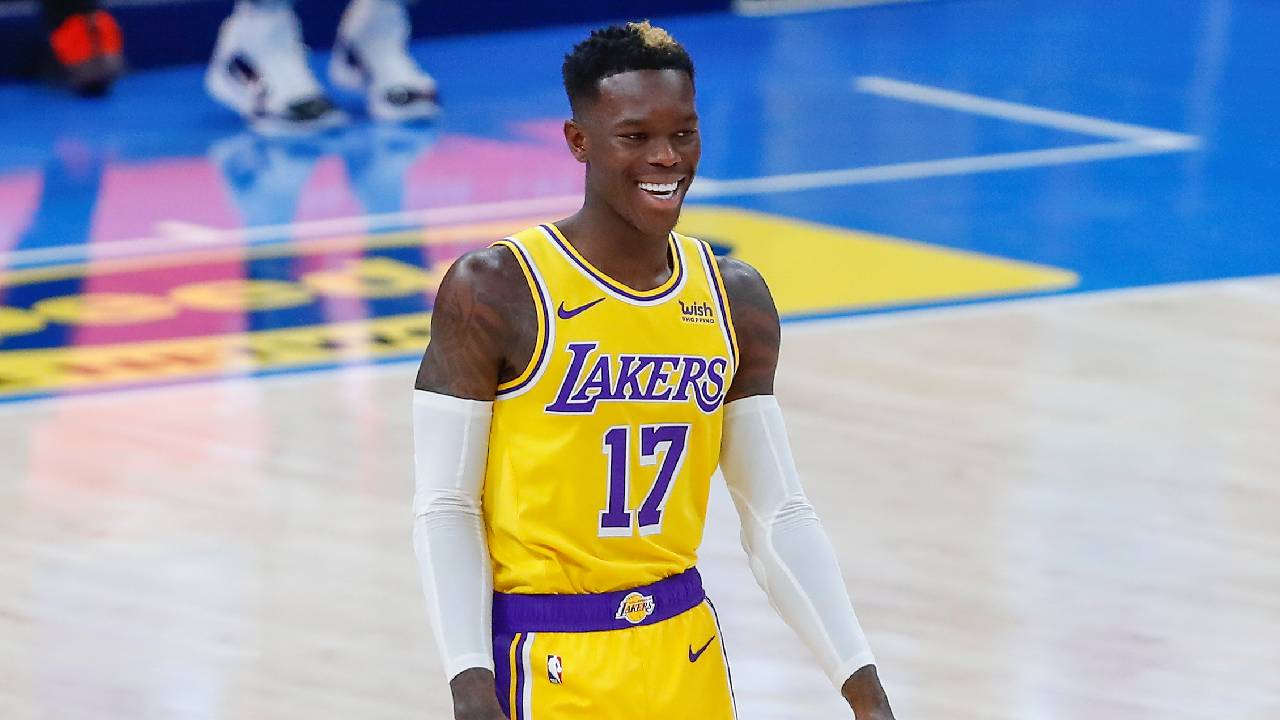
Schröder remains one of the most commonly cited examples of a contract bet that did not go as planned.
During the 2020-21 season, reports said Schröder had the chance to sign a four-year, $84 million extension with the Los Angeles Lakers.
The reported extension never materialized. Schröder later signed a one-year, $5.9 million deal with the Boston Celtics, a sharp drop from the annual value attached to the Lakers rumor. The NBA reported on Schröder’s Celtics signing, while he later disputed that Los Angeles had ever formally offered the four-year, $84 million contract. ESPN covered Schröder’s denial in 2022.
That monetary distinction matters. The bigger number should be described as a reported extension opportunity, not an indisputable contract that Schröder formally rejected.
Schröder entered free agency expecting a stronger market, but the circumstances changed. His story illustrates the danger of treating a player’s value in one moment as a guarantee of his value the next summer.
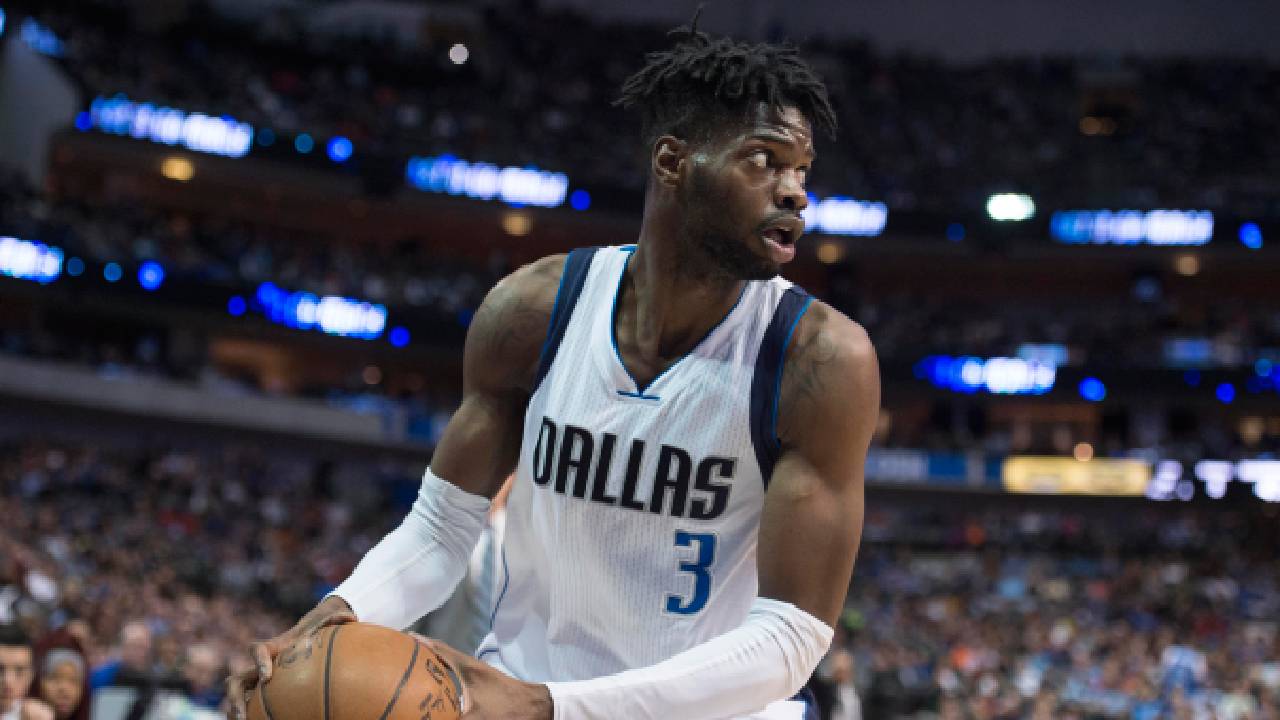
Noel’s experience shows how risky it can be to turn down long-term security for an earlier shot at unrestricted free agency.
The Dallas Mavericks reportedly offered Noel a four-year, $70 million contract during the 2017 offseason. Noel instead accepted a one-year qualifying offer worth about $4.1 million. The move gave him a path to unrestricted free agency, but it also placed the burden of proof squarely on the following season. ESPN reported that Noel declined the four-year, $70 million Mavericks offer before accepting the qualifying offer.
Noel betting on himself was understandable. A healthier, more productive season could have led to a bigger offer from a broader group of teams.
Instead, injuries and an inconsistent role cut into the leverage Noel expected to build. The reported Dallas deal disappeared, and a comparable payday did not immediately return.
Noel’s decision was not a lack of common sense. It was a calculation that did not work out. NBA players are often paid for what teams believe they will become, but those projections can change in a hurry.
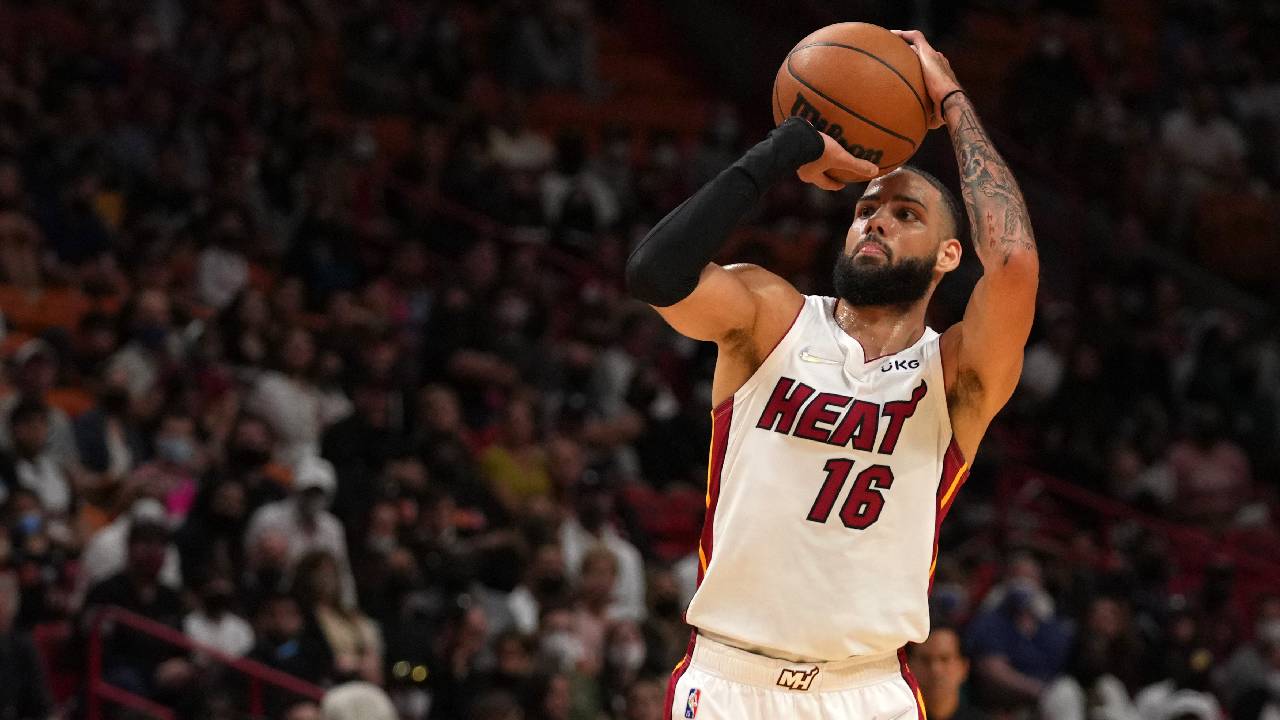
Martin offers a newer example of how even a sensible free-agency gamble can fall short of the expected payoff.
Martin reportedly passed on a five-year, $65 million proposal from the Miami Heat before reaching free agency in 2024.
The Philadelphia 76ers eventually signed Martin to a four-year deal guaranteed for more than $32 million. ESPN reported the terms of Martin’s agreement with Philadelphia. The deal included incentives that could raise its value, but the guaranteed money remained far below the reported Heat proposal.
Martin later addressed the situation candidly. He told ESPN that the experience taught him to “live and learn”.
The decision was not necessarily irrational. Martin had reason to think his versatility and postseason résumé would attract strong demand. The NBA market can be unforgiving though. Cap space, roster needs, competing free agents, and timing all influence what teams are prepared to guarantee.
A player can make a defensible choice and still receive a disappointing result.
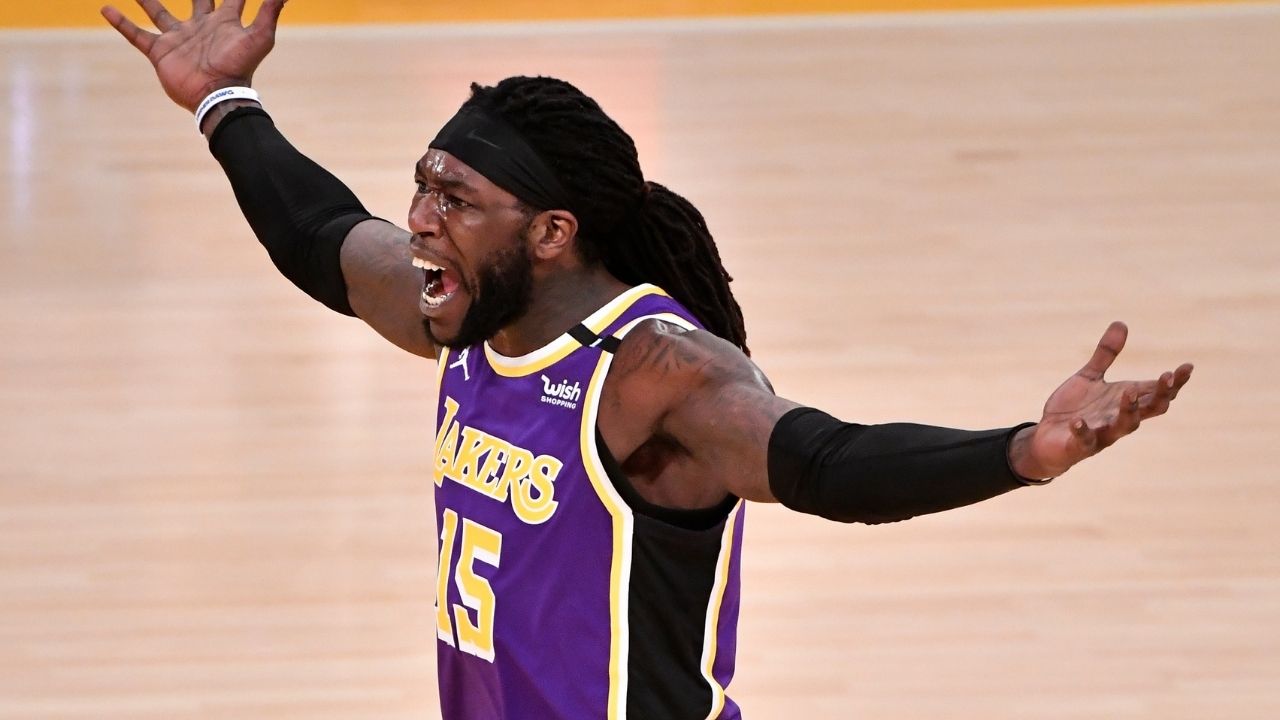
Harrell’s situation needs more nuance than the viral “he turned down $80 million” version.
Harrell entered 2020 free agency after winning Sixth Man of the Year with the Los Angeles Clippers. He then signed a two-year, $19 million deal with the Los Angeles Lakers. Contemporary reporting confirmed Harrell’s two-year, $19 million Lakers contract.
Reports indicated that the Charlotte Hornets made a larger offer. However, the specific claim that Harrell rejected a four-year, $80 million contract should not be treated as an established fact without stronger sourcing. Reporting at the time said Harrell turned down a larger Hornets proposal to sign with the Lakers.
Harrell may have accepted less money, but players do not always choose the largest offer. The chance to play for a contender, compete in Los Angeles, share the floor with LeBron James and Anthony Davis, or pursue a more favorable role can influence a contract choice.
A smaller deal is not automatically a failure. Sometimes it is the price of prioritizing a different career goal.
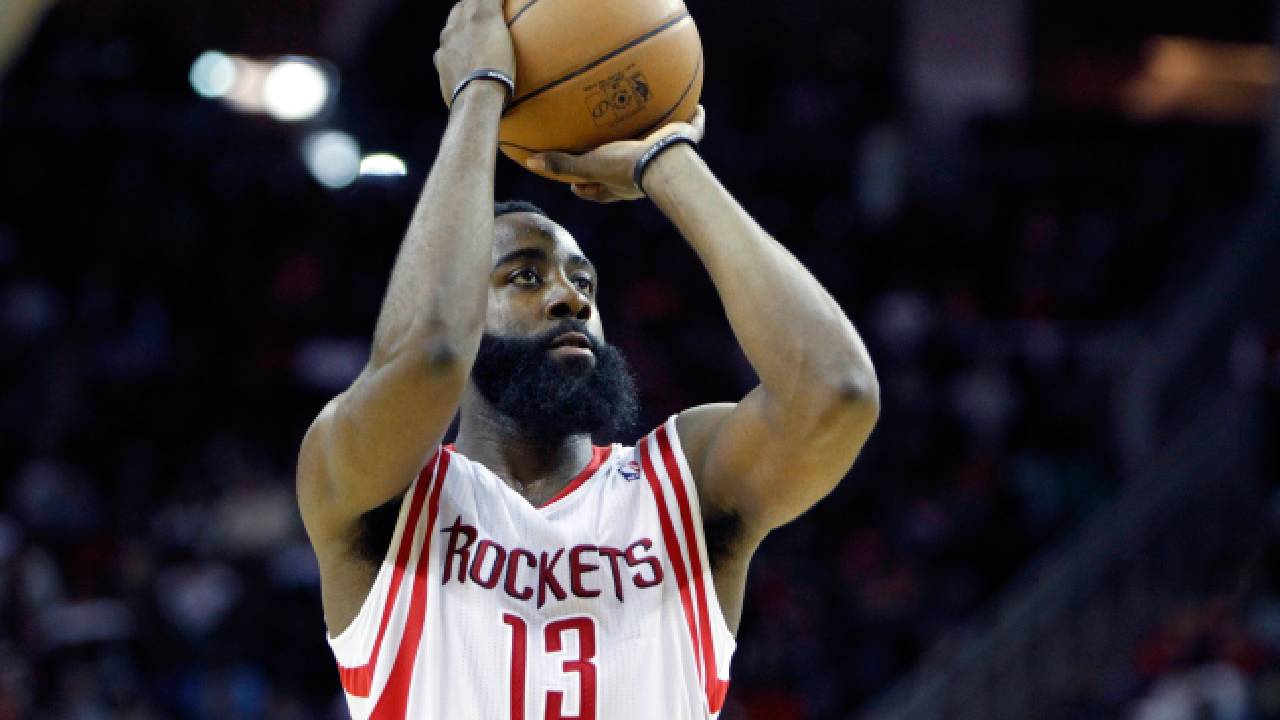
Harden is the counterpoint to every viral post that frames a rejected offer as an automatic financial disaster.
In 2020, Harden reportedly turned down a two-year, $103 million extension from the Houston Rockets. The extension would have been added to the three years and roughly $133 million already remaining on his contract. Sky Sports, citing ESPN reporting, detailed the proposed extension and Harden’s interest in a trade.
Yet Harden was not in the same position as a player hoping one good season would create a market. The former MVP was one of the league’s most proven offensive stars. His scoring, playmaking, résumé, and durability ensured that his next contract conversation would begin from a position of power.
The guard later signed a two-year, $70 million contract with the Clippers in 2024. The NBA reported Harden’s agreement. More recently, he declined a $42.3 million player option and agreed to remain with the Cleveland Cavaliers on a new three-year, $97 million contract. The NBA reported that the Cavaliers deal includes a player option in 2028-29.
The new Cleveland deal also reportedly includes a trade kicker. USA Today reported that Harden opted out to give the Cavaliers salary-cap flexibility while pursuing a longer-term agreement.
Harden’s decision does not prove every player should turn down guaranteed money. It proves that an elite player can use proven value as leverage. By declining the one-year option, Harden helped create flexibility for Cleveland while securing a three-year commitment worth nearly $100 million.
For a player with Harden’s résumé, betting on himself did not lead to a low-cost prove-it deal. It led to more years of security, a higher total commitment, a player option, and continued control over his future.
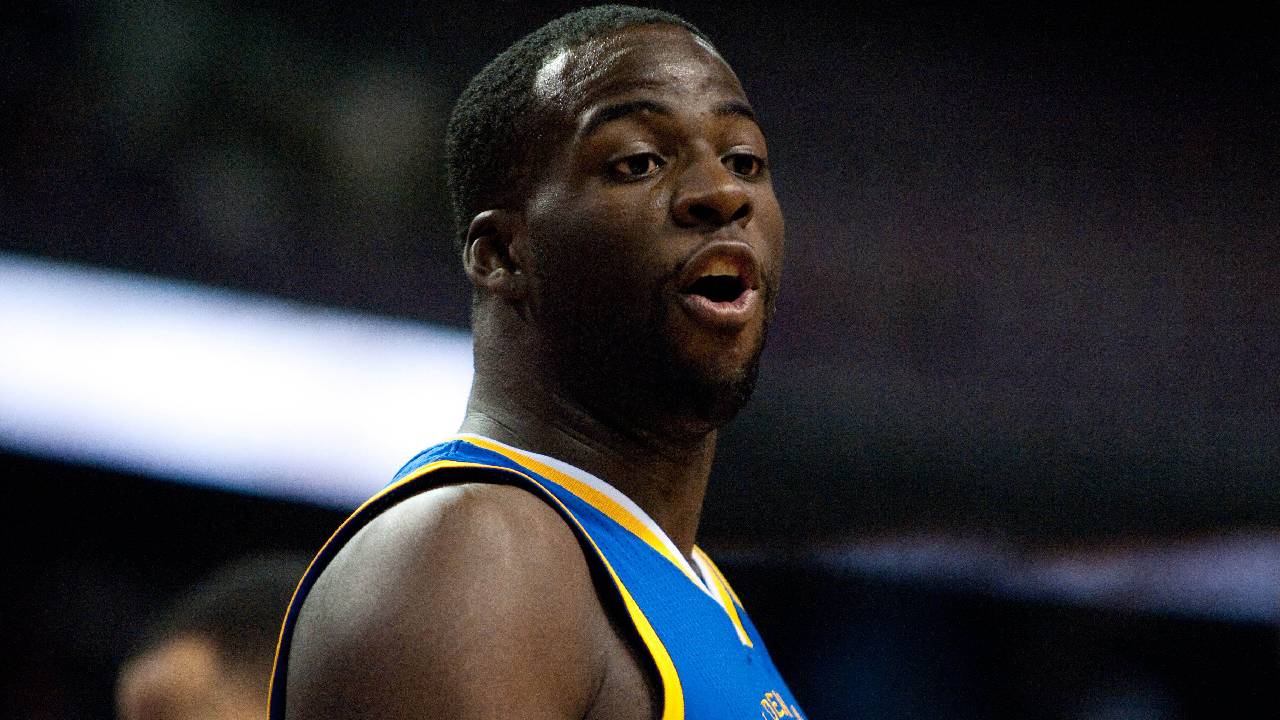
Viral NBA graphics can be useful conversation starters. They should not be treated as reporting.
The Green slide claims he lost a four-year, $75 million offer from the Rockets before signing a one-year, $1.5 million deal with the New Orleans Pelicans. That is not consistent with the current record.
Green remained with the Golden State Warriors. He declined a $27.7 million player option in 2026 and then agreed to return to Golden State on a one-year deal worth the same $27.7 million amount. Yahoo Sports reported Green’s return to the Warriors and the matching value of the deal.
Green’s decision was not an example of a player losing money through misplaced confidence. It was a contract-structure and roster-flexibility decision involving the only franchise Green has represented during his NBA career.
That is why every “declined this, signed that” post needs context. Offers may be reported rather than formal. New contracts can include options and incentives. A player may choose a new deal to help a team’s cap position. And sometimes, as with Green’s carousel slide, the central claim is simply wrong.
What’s your take? Post it in our free sports community at stadiumrant.app, or download Stadium Rant on the App Store.
Betting on yourself is neither heroic by default nor foolish by default. It is a decision built on health, production, market conditions, personal priorities, and the amount of guaranteed money already available.
Schröder, Noel, and Martin show how rapidly leverage can disappear. Their stories are reminders that the next deal is never guaranteed, even for talented players who have every reason to believe their value will rise.
Harden shows why some NBA players still take the chance. A star who continues to produce can preserve his leverage, negotiate for more years and stronger contract control, and turn a short-term gamble into another major payday.
That is the real lesson behind NBA players who bet on themselves. Confidence is important, but leverage is everything.
