
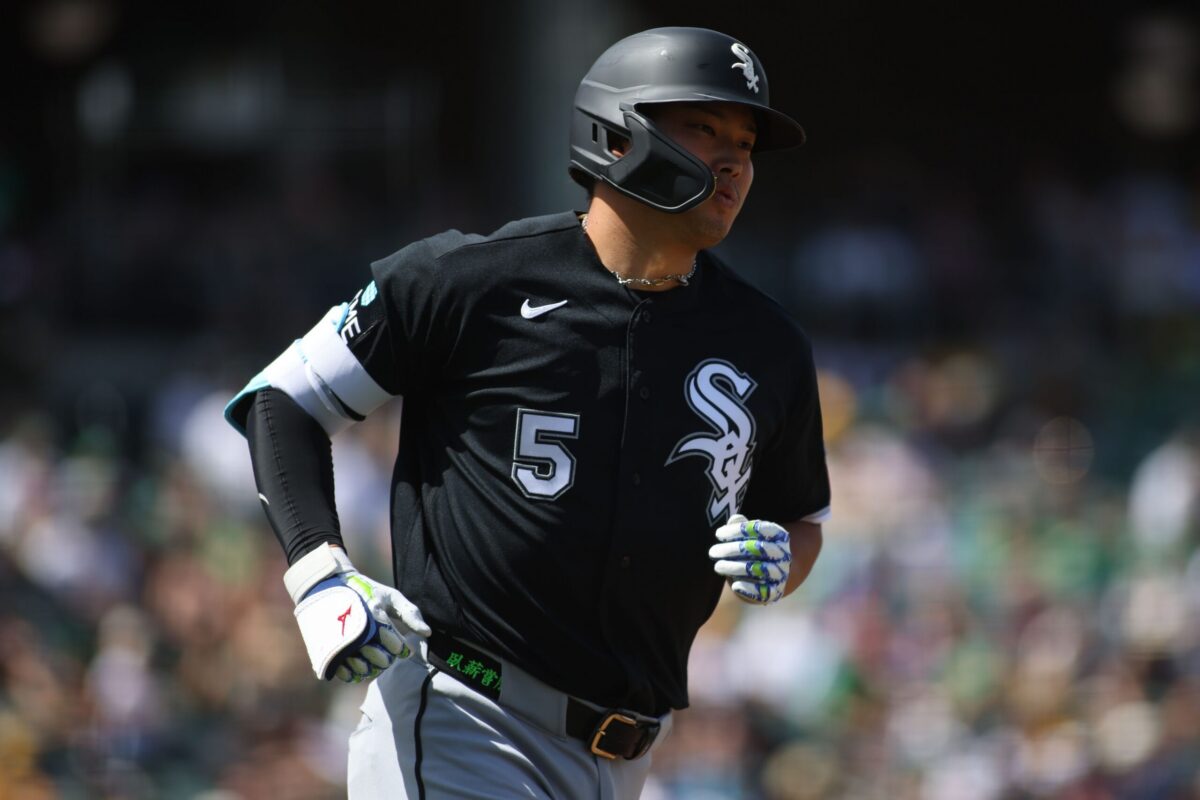
When the Whiter Sox signed Japanese superstar Munetaka Murakami on a two-year deal this winter, the baseball world was split in two with the decision. While his NPB-record 56 home runs and the youngest-ever Triple Crown signaled a generational talent, skeptics pointed to his high strikeout rate and potential struggles against high-velocity MLB arms.
However, weeks into his rookie campaign, Murakami is already making history for first-year Japanese-born players by combining an elite 26.2% barrel rate with some of the most disciplined plate vision in the league. Murakami has transformed from a low-risk gamble into a Statcast masterpiece whose production is as historic as seemingly sustainable.
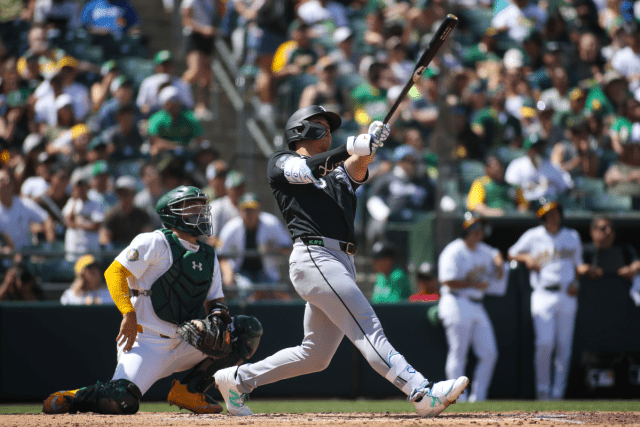
The “eye test” might see a lot of whiffs, but Statcast tells a different story. His 26.2% barrel rate *the percentage of balls hit with the perfect combination of speed and angle* ranks in the top 1% of the league. To put that in perspective, the Southside rookie is generating “barrels” at a higher rate than superstars like Shohei Ohtani and Mike Trout, who are having a monster start to the regular season.
These barrel rates numbers are backed by a staggering 95 mph average exit velocity. While most players are excited to crack the 100-mph mark occasionally, Murakami is living there, posting a 61.9% hard hit rate that leaves him in the 98th percentile of all MLB hitters. This explains the gap between his .208 batting average and his .918 OPS: he doesn’t need to collect three singles to help the Southside when one swing produces a 114-mph rocket into the bleachers. By trading contact for selective and maximum power, he’s “broken” the traditional scouting report, proving that his power isn’t just theoretical- it’s his greatest asset.
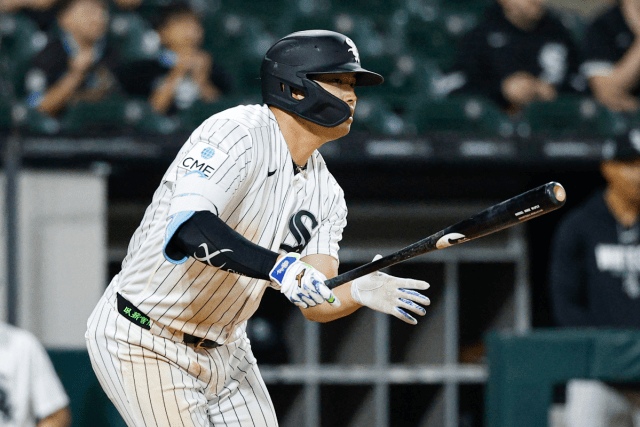
While the home runs get the headlines, the real engine behind Murakami’s historic start is his refusal to expand the strike zone. Currently, he sits in the 98th percentile with a 21.5% walk rate, drawing 20 walks in just 22 games. It is rare to see a rookie (especially one adjusting to an entirely new style of play) show this kind of restraint. His 19% chase rate *the rate at which he swings at balls outside the zone* is in the top six percent. Proving that while he might miss pitches inside the zone, he rarely swings at garbage. This disciplined approach keeps his on-base percentage at a robust .376, ensuring that even on days when he isn’t clearing the fences. He is still finding ways to get on base and lead this young Southside core.
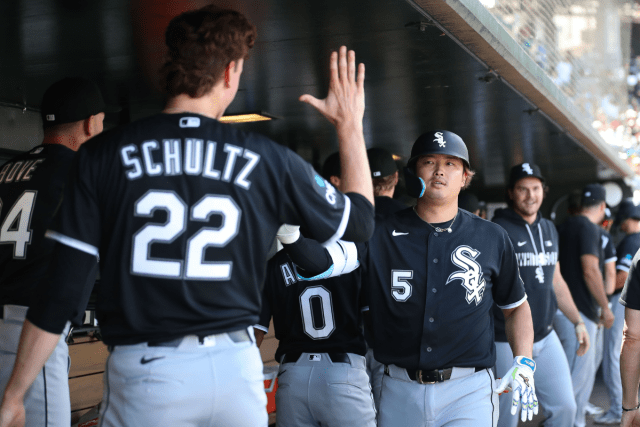
Is a .208 average sustainable for a franchise cornerstone? In any other era, the answer is probably no. But in 2026, Murakami is proving that his 61.5% “Three True Outcomes” rate *the percentage of his plate appearances ending in home run, walk, or strikeout* is a legitimate path to stardom. His success isn’t built on luck; it’s built on elite swing habits and a refusal to expand his strike zone.
As the league continues to adjust, the challenge for Murakami will be his contact rate on high-velocity fastballs inside the zone. But currently in third in the American League in home runs with eight in his first 22 games (a pace that has already surpassed the legendary early marks set by Shohei Ohtani) the Chicago White Sox seem more than happy to live with the whiffs. If Murakami continues to hunt mistakes and leverage his world-class power, he won’t just be a rookie sensation; he’ll be the most dangerous hitter in the American League Central for the next decade or two.
