
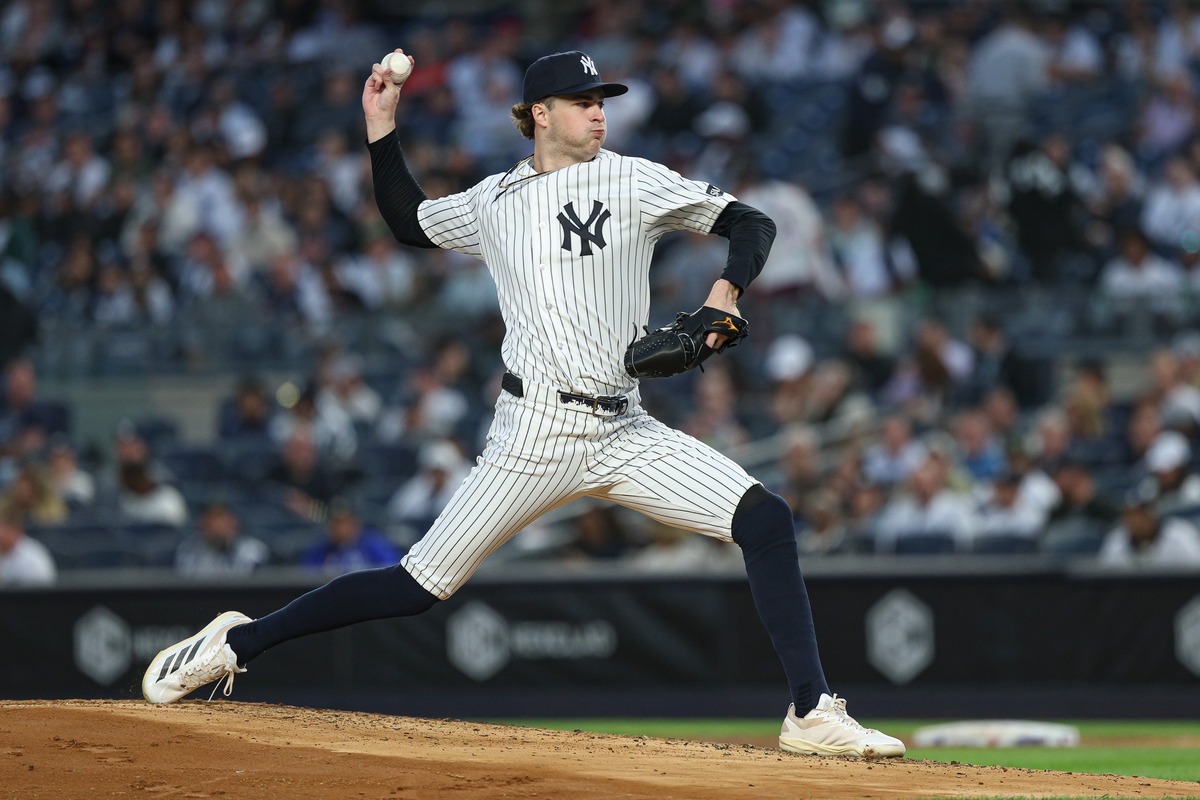
The 2026 MLB season has quickly become a showcase for baseball’s next generation of pitching talent, with rookie pitchers stealing the show. While established aces continue to dominate headlines across the league, several young arms have emerged as some of the most intriguing stories of the year. Organizations that once relied heavily on veteran rotations are now watching highly regarded prospects make meaningful contributions at the major league level, providing both immediate impact and long-term optimism.
Across baseball, rookie pitchers have displayed a combination of velocity, composure, and advanced pitch development rarely seen from first-year players. Teams in postseason contention are increasingly leaning on young starters capable of handling pressure situations, while rebuilding clubs are finding foundational pieces for the future. Among the most notable developments this season has been the rise of three pitchers who are helping redefine expectations for young arms in today’s game.
From dominant strikeout performances to improved command and poise against experienced hitters, Cam Schlittler, Nolan McLean, and Parker Messick have each carved out important roles for their respective organizations. Their emergence has not only strengthened their teams but also highlighted the growing importance of pitching development throughout Major League Baseball.
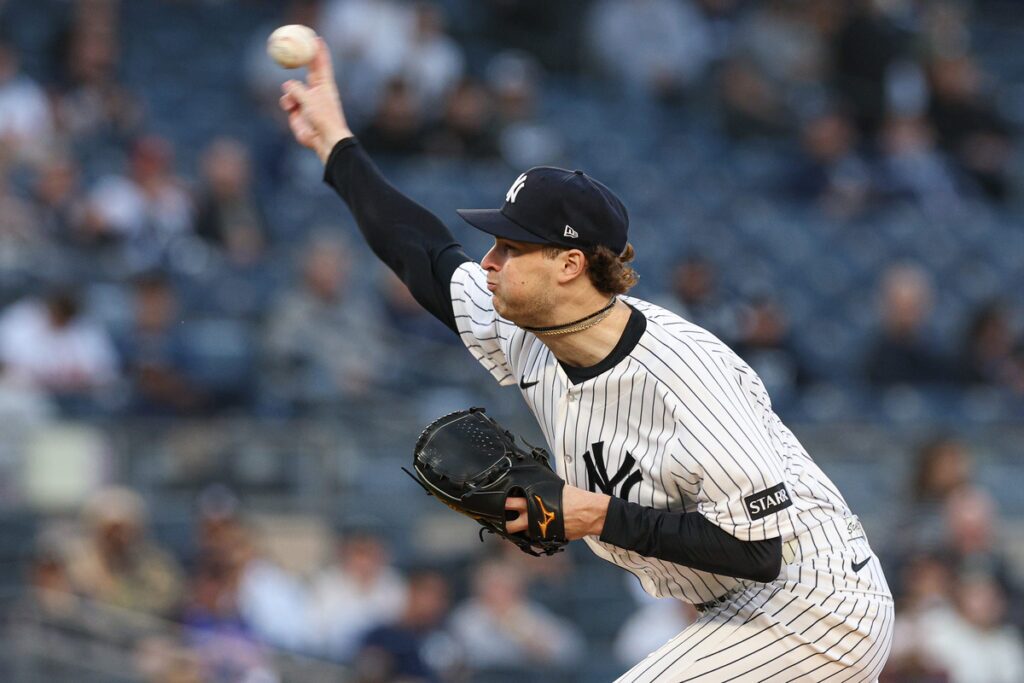
Few rookie pitchers have generated as much attention during the 2026 season as Schlittler. He entered the year as one of the more intriguing young arms in baseball. Schlittler has exceeded expectations with a combination of overpowering velocity and advanced pitch sequencing that consistently challenges opposing lineups.
What separates Schlittler from many rookie pitchers is his ability to attack hitters without appearing overwhelmed by the moment. Young starters often struggle with consistency or pitch efficiency early in their careers, but Schlittler has demonstrated a maturity beyond his experience level. The 25-year-old’s fastball has consistently produced swings and misses at the top of the strike zone. His secondary pitches continue to evolve into legitimate put-away offerings, leading to a 1.49 ERA in nine starts in 2026.
Beyond the raw stuff, Schlittler’s confidence on the mound has become one of the defining traits of his rookie campaign. The right-hander works aggressively in counts and rarely shies away from difficult matchups, even against veteran hitters. That mentality has allowed him to pitch deeper into games and become a stabilizing force within his team’s rotation.
Another significant aspect of Schlittler’s emergence has been his adaptability. Major league hitters are known for adjusting quickly to young pitchers, but Schlittler has consistently responded by refining his approach from start to start. Whether elevating his fastball more effectively or relying more heavily on breaking pitches against aggressive lineups, Schlittler has shown the ability to evolve throughout the season.
The rookie’s performances have also reflected the broader shift occurring across baseball development systems. Organizations are prioritizing velocity, pitch design, and analytical preparation earlier than ever before. Schlittler represents a modern example of how quickly elite pitching prospects can become impactful contributors at the highest level.
As the season progresses, Schlittler is increasingly looking like more than just a promising rookie. He is emerging as a potential long-term rotation centerpiece capable of influencing playoff races and anchoring a pitching staff for years to come.

The 2026 season has featured inconsistency and frustration at times for the New York Mets, but the development of Nolan McLean has provided one of the organization’s most encouraging storylines.
McLean entered professional baseball with significant intrigue due to his athleticism and two-way potential, but his transition into a full-time pitcher has accelerated his growth considerably. Throughout the season, the right-hander has showcased electric arm talent while gradually improving the finer details required to succeed consistently at the major league level.
The 24-year-old’s arsenal has become increasingly difficult for opposing hitters to handle. McLean’s fastball features premium velocity, but his breaking pitches have elevated his effectiveness. Hitters have frequently struggled to square up his slider. They toil fruitlessly, particularly in two-strike counts where McLean has shown a willingness to challenge hitters inside the strike zone rather than relying solely on chase pitches.
For the Mets, McLean’s emergence has been especially important given the uncertainty surrounding other areas of the roster. Injuries, inconsistency, and rotation instability have created challenges throughout the season, making McLean’s steady development even more valuable. Every strong outing has offered a reminder that the organization may have found a foundational pitcher capable of contributing both now and in the future.
One of the more impressive aspects of McLean’s season has been his composure under pressure. Pitching in New York brings a level of scrutiny few markets can match, particularly for young players expected to contribute immediately. McLean, however, has largely handled those expectations with confidence, continuing to attack hitters aggressively even after difficult innings or tough outings. This composure has paid off through the early goings of the 2026 season , resulting in a 2.78 ERA through eight starts for McLean.
McLean’s growth also speaks to the importance of patience in player development. Many prospects require time to refine mechanics and command. McLean’s steady improvement throughout the year has demonstrated how quickly talent can translate when paired with strong coaching and organizational trust.
Although the Mets continue searching for consistency as a team, McLean’s progress has become a critical reason for optimism moving forward. The rookie’s combination of athleticism, power stuff, and developing command suggests he could remain an important piece of the franchise’s long-term plans.
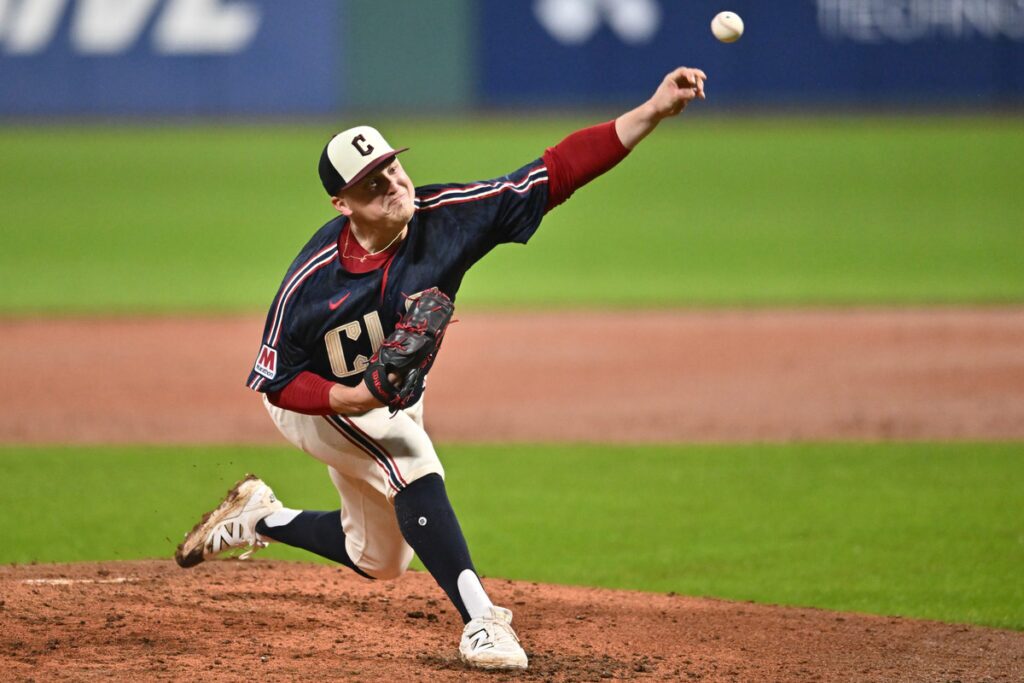
The Cleveland Guardians have once again demonstrated their reputation for developing pitching, and Messick has become the latest example of that organizational strength during the 2026 season.
Messick may not generate the same national attention as some higher-profile pitching prospects, but his impact on Cleveland’s rotation has been undeniable. The southpaw’s ability to mix pitches effectively, limit hard contact, and maintain composure has helped solidify a rotation that continues to emerge as one of the more reliable groups in the American League.
Unlike many young pitchers who rely primarily on overpowering velocity, Messick succeeds through sequencing, deception, and command. The rookie’s approach reflects the Guardians’ long-standing emphasis on maximizing pitcher strengths rather than simply prioritizing radar-gun readings. That philosophy has allowed Messick to attack hitters intelligently while consistently keeping offenses off balance.
Another key factor in Messick’s success has been his efficiency. The 25-year-old avoids unnecessary walks, works quickly through innings, and consistently gives his team opportunities to remain competitive deep into games. For a Cleveland team built around strong pitching and disciplined baseball, that reliability has become extremely valuable, especially given Messick’s 2.30 ERA through 47.0 IP in 2026.
Messick’s rise also highlights the continued effectiveness of the Guardians’ player development system. Year after year, the organization finds ways to maximize young pitching talent, transforming prospects into productive major league contributors. Messick appears poised to become the latest success story in that pipeline.
As Cleveland continues climbing the standings, the growth of pitchers like Messick has become central to their identity. The ace’s emergence gives the Guardians another controllable starter capable of contributing in meaningful games while reinforcing the organization’s reputation as one of baseball’s premier pitching factories.
The 2026 season has already produced numerous breakout performances. The emergence of Schlittler, McLean, and Messick, though, stands out as a reminder of how rapidly young pitching talent can shape the league’s future.
The 2026 MLB season has reinforced just how important young pitching has become across the league. Organizations are no longer simply waiting for prospects to develop over multiple years before making an impact at the major league level. Instead, teams are increasingly relying on rookie arms to stabilize rotations, compete in meaningful games, and shape the future direction of their franchises.
Schlittler, McLean, and Messick each represent different paths to success, but all three have demonstrated the qualities necessary to thrive in today’s game. Schlittler has showcased frontline potential with overpowering stuff and confidence beyond his years. McLean has provided hope and stability for a Mets team searching for consistency while Messick continues to prove that Cleveland’s pitching development system remains among baseball’s best.
What makes their rise especially significant is that it reflects a broader evolution occurring throughout Major League Baseball. Young pitchers are arriving more prepared, more analytically refined, and more capable of adjusting quickly against elite competition. Their success is not only changing expectations for rookie players but also influencing how organizations build rosters for sustained success.
As the season continues, these pitchers will remain important storylines to watch. Whether competing for postseason roles, individual accolades, or long-term rotation spots, their performances are helping define the next era of MLB pitching talent.
