
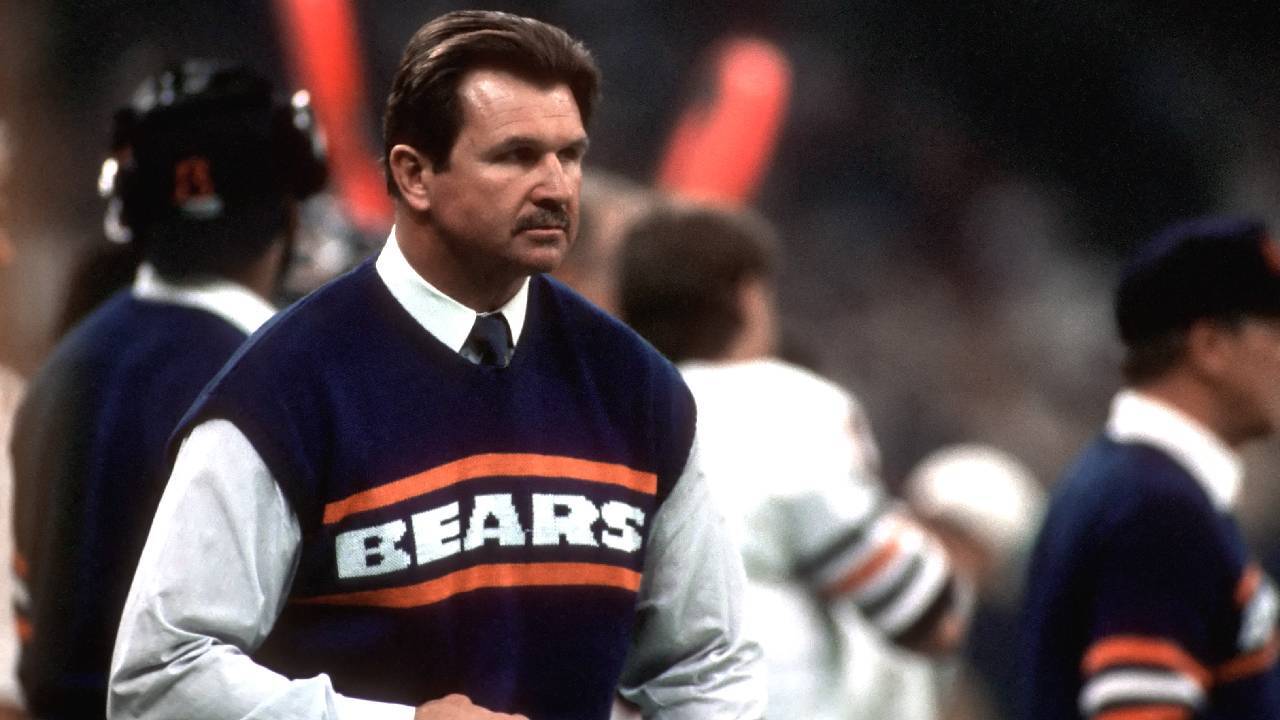
Mike Ditka dies at 86, leaving a football story shaped by Hall of Fame excellence, three Super Bowl victories, and one costly coaching gamble. Ditka’s family announced his death Friday, October 9, 2026, before the Chicago Bears released a tribute. Ditka’s career connected exceptional receiving production with one of the NFL’s most celebrated teams.
Known as “Da Coach,” Ditka became a sports icon through demanding leadership and unmistakable personality. The coach’s 106 regular-season victories with Chicago contrast sharply with his 15–33 record coaching the New Orleans Saints. The contrasting results provide the starting point for examining his achievements and limitations.
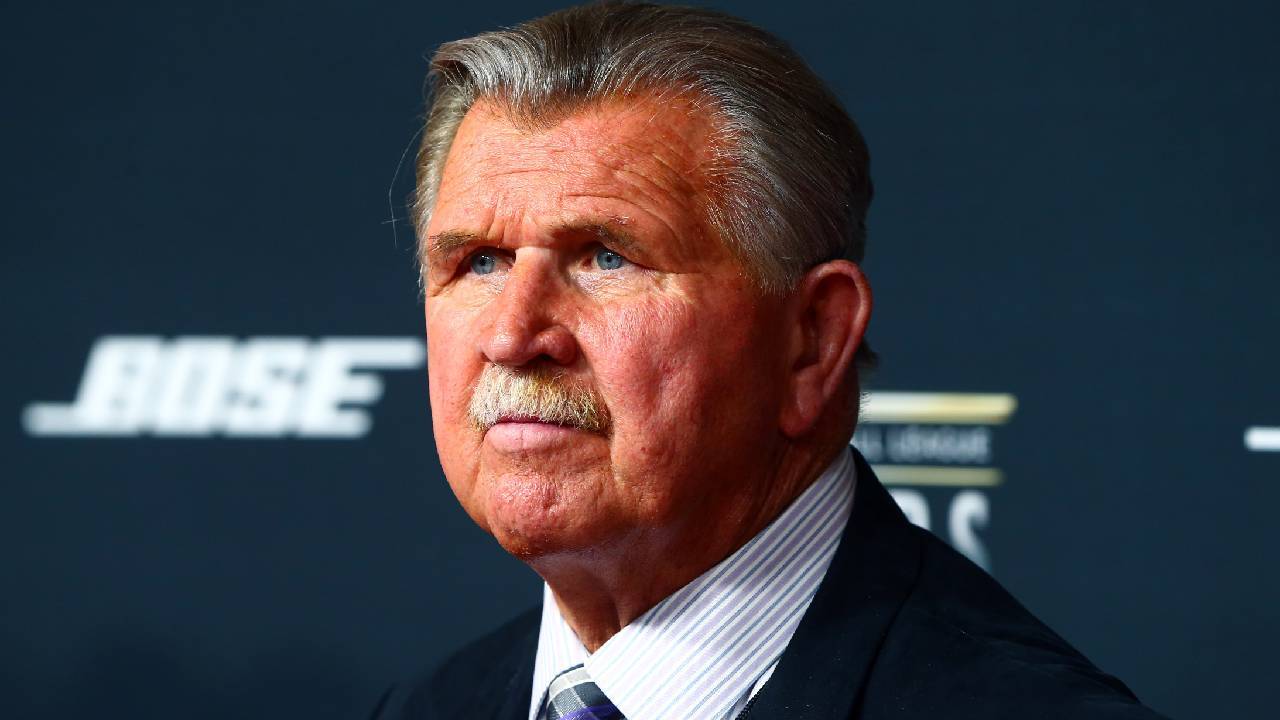
Ditka’s family announced his death in a statement carried by the ESPN obituary. The statement described a beloved husband, father, grandfather, and friend, emphasizing the personal loss behind the public tributes. The family confirmed his passing at 86 but did not initially disclose a cause of death.
The Bears subsequently acknowledged the loss through an official team statement. The organization recognized his contributions as a player, coach, ambassador, and public figure. Chicago’s tribute followed the family announcement rather than serving as the original confirmation.
The USA TODAY report attributes the natural-causes explanation to agent and business partner Steve Mandell. Mandell’s account remains distinct from an official medical finding. Previously reported health concerns cannot independently establish the cause of death.
Pro Football Hall of Fame president and CEO Jim Porter praised Ditka’s toughness, receiving ability, and contributions to the tight end position. NFL Commissioner Roger Goodell recognized his intensity and authenticity in a tribute Reuters reported. The tributes connected his football accomplishments with the personality that made him recognizable beyond the sport.
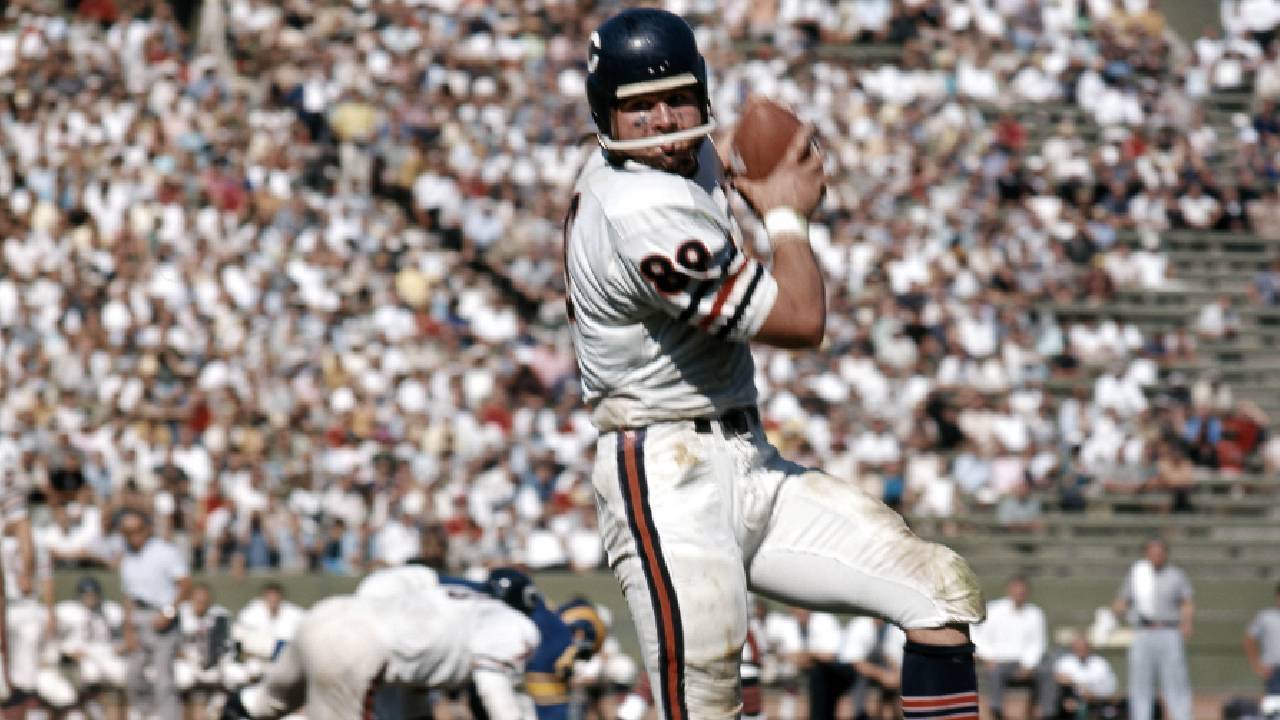
The Bears selected Ditka fifth overall in the 1961 NFL Draft after his standout career at the University of Pittsburgh. The rookie caught 56 passes for 1,076 yards and 12 touchdowns, earning NFL Rookie of the Year honors. The performance produced the first 1,000-yard receiving season by an NFL tight end.
The Hall of Fame profile documents Ditka’s receiving production alongside his blocking effectiveness. A separate Hall interview preserves his recollection of the position’s earlier expectations. Ditka explained, “Tight ends when I came into the game were kind of an extension of the offensive tackle.”
Ditka caught 75 passes in 1964, establishing a single-season tight end reception record. Kellen Winslow surpassed that mark with 89 receptions in 1980. Ditka finished his 12-season playing career with 427 receptions, 5,812 receiving yards, and 43 touchdowns.
Five Pro Bowl selections and two first-team All-Pro honors reinforced Ditka’s reputation as an elite player. The Pro Football Hall of Fame inducted Ditka in 1988, making him the first tight end enshrined. The honor recognized his playing career, not a separate coaching induction.
Ditka helped the Bears win the 1963 NFL championship, ending the franchise’s 17-year title drought. Chicago defeated the New York Giants 14–10 before the Super Bowl era. The victory remains distinct from his later Super Bowl achievements.
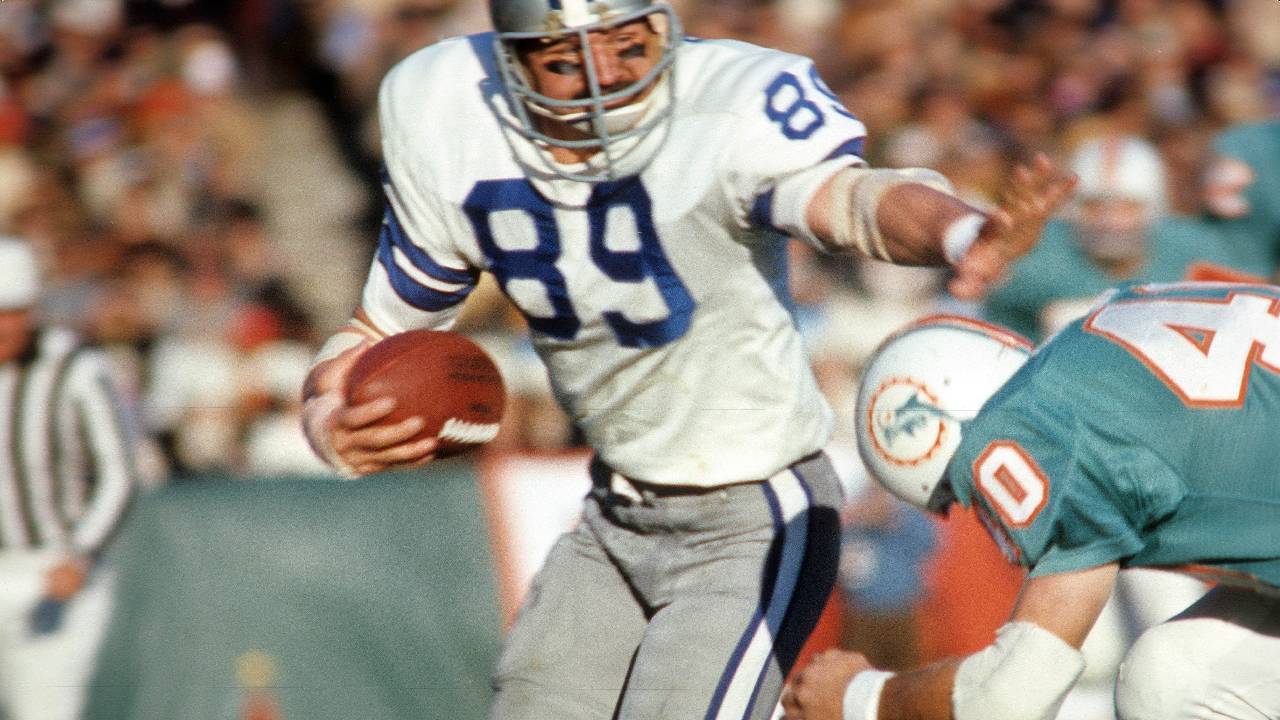
The Philadelphia Eagles acquired Ditka in 1967, ending his first playing stint with the Bears. Philadelphia became a transitional chapter before his move to the Dallas Cowboys in 1969. Dallas defeated the Miami Dolphins 24–3 in Super Bowl VI, giving Ditka a title as a player.
Retirement after the 1972 season led Ditka into coaching under Tom Landry. The Cowboys subsequently won Super Bowl XII, adding an assistant-coaching title to his résumé. A third Super Bowl victory came as Chicago’s head coach in Super Bowl XX.
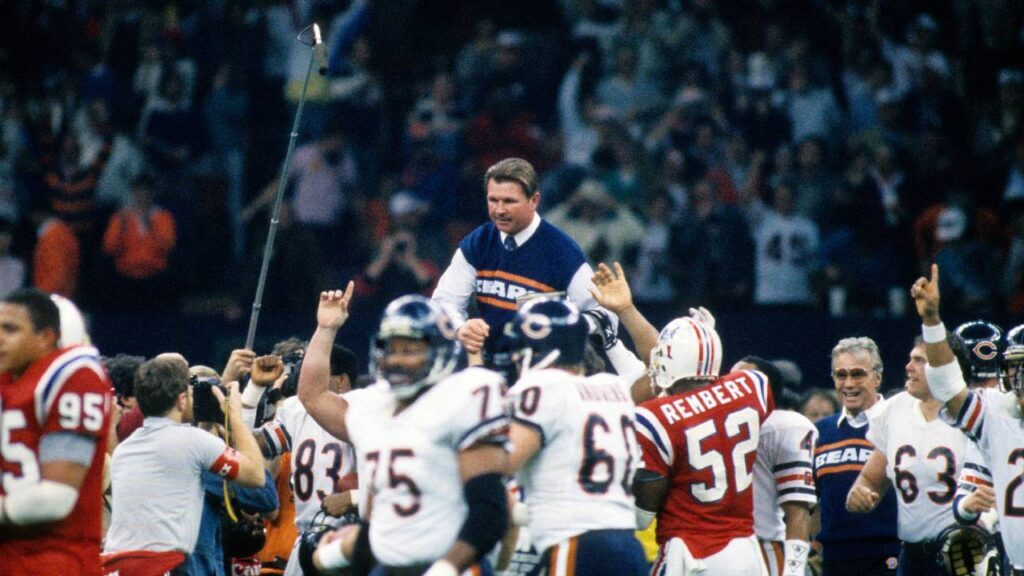
George Halas hired Ditka as head coach in 1982, beginning an 11-season tenure. The Bears finished 106–62 in regular-season games under his leadership and reached the playoffs seven times. Only Halas recorded more regular-season victories as Chicago’s head coach.
Ditka earned Associated Press NFL Coach of the Year honors in 1985 and 1988. The second award followed a 12–4 regular season, demonstrating recognition beyond the Super Bowl campaign. The coaching career history documents both awards and the later season’s record.
The 1985 Bears finished the regular season 15–1 before completing an 18–1 overall campaign. Chicago defeated the New England Patriots 46–10 in Super Bowl XX on January 26, 1986. The season designation and game date refer to different calendar years.
The Bears allowed 198 points during the regular season, approximately 12.4 per game. Chicago then shut out the New York Giants 21–0 and the Los Angeles Rams 24–0 in its first two playoff games. New England’s 10 points represented the opposition’s entire scoring output across the three-game postseason run.
Defensive coordinator Buddy Ryan directed the defense, while quarterback Jim McMahon supplied another central personality. Former safety Gary Fencik recalled Ditka establishing winning the division and Super Bowl as organizational goals in a Chicago Tribune retrospective. Fencik explicitly identified that recollection as a paraphrase rather than Ditka’s exact words.
The 1985 Bears retrospective also captures the team’s personalities and disagreements. Ditka’s leadership mattered, but an exceptional roster and coaching staff produced the championship together. The collective achievement deserves recognition alongside the coach’s demanding standards.
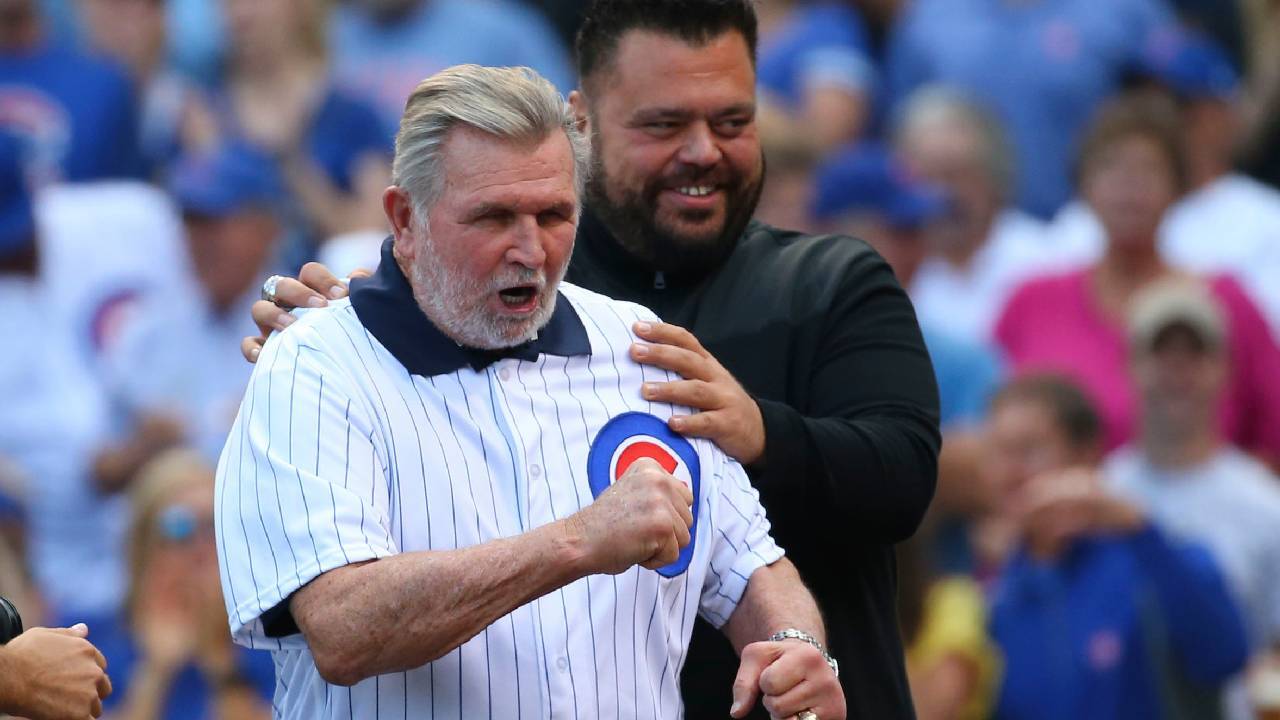
Ditka’s mustache, blunt delivery, and sideline intensity made him recognizable beyond football coverage. Broadcasting, advertising, restaurants, and entertainment appearances expanded his public profile. “Da Coach” became an identity audiences recognized without studying his career statistics.
“Saturday Night Live” amplified that recognition through its recurring “Bill Swerski’s Superfans” sketch. The comedy exaggerated supporters’ devotion to the Bears and their reverence for Ditka. An appearance as himself in “Kicking & Screaming” later brought that established persona into a fictional comedy.
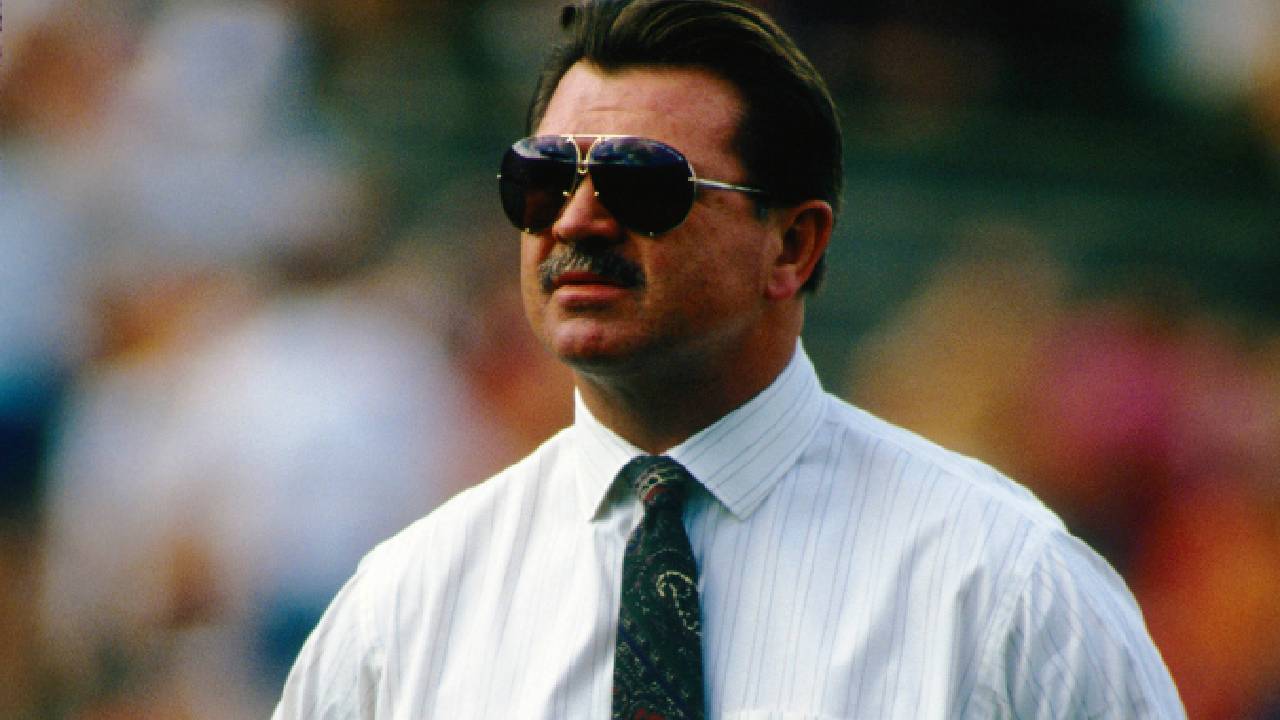
Chicago fired Ditka after the 1992 season, beginning another chapter in the franchise’s history of coaching changes. The regular-season winning percentage with the Bears was approximately 63.1%. The Saints managed approximately 31.3%, roughly half his earlier rate.
New Orleans hired Ditka in 1997 and finished 6–10 in each of his first two seasons. The Saints fell to 3–13 in 1999, with problems on both sides of the ball. New Orleans ranked 29th among 31 teams in scoring and 28th in points allowed, as the 1999 team statistics show.
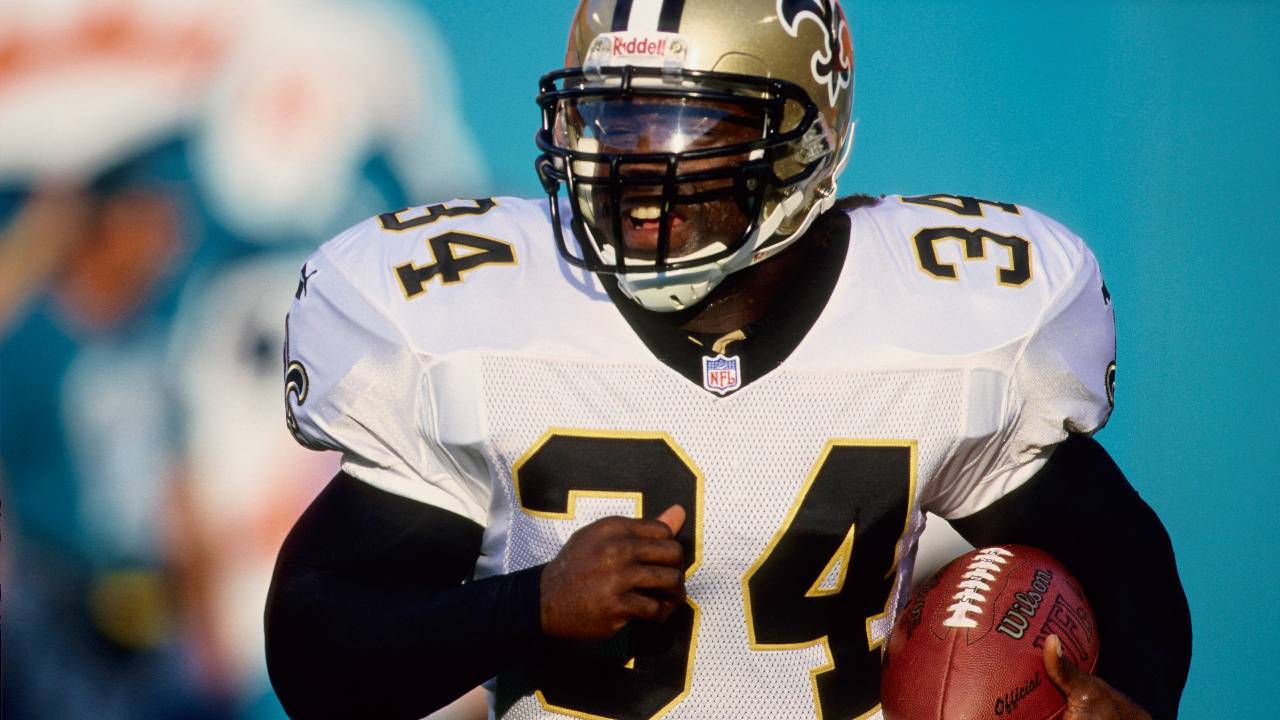
The original trade details document the Saints’ exchange with the Washington Redskins during the 1999 NFL Draft. New Orleans surrendered six remaining 1999 selections, plus first- and third-round picks in 2000, to draft Texas running back Ricky Williams fifth overall. The Saints had already traded their second-round selection to the St. Louis Rams for receiver Eddie Kennison.
Washington subsequently packaged the acquired No. 12 and No. 71 selections with additional picks to obtain Chicago’s seventh overall selection. The Redskins selected cornerback Champ Bailey through that separate transaction. New Orleans’ 2000 first-round pick became No. 2 overall, which Washington used on linebacker LaVar Arrington.
Ditka was dismissed after the 1999 season. The trade did not single-handedly cause the losing record, but surrendering eight selections reduced opportunities to address multiple roster needs. The Saints concentrated substantial resources in Williams while sacrificing flexibility elsewhere.
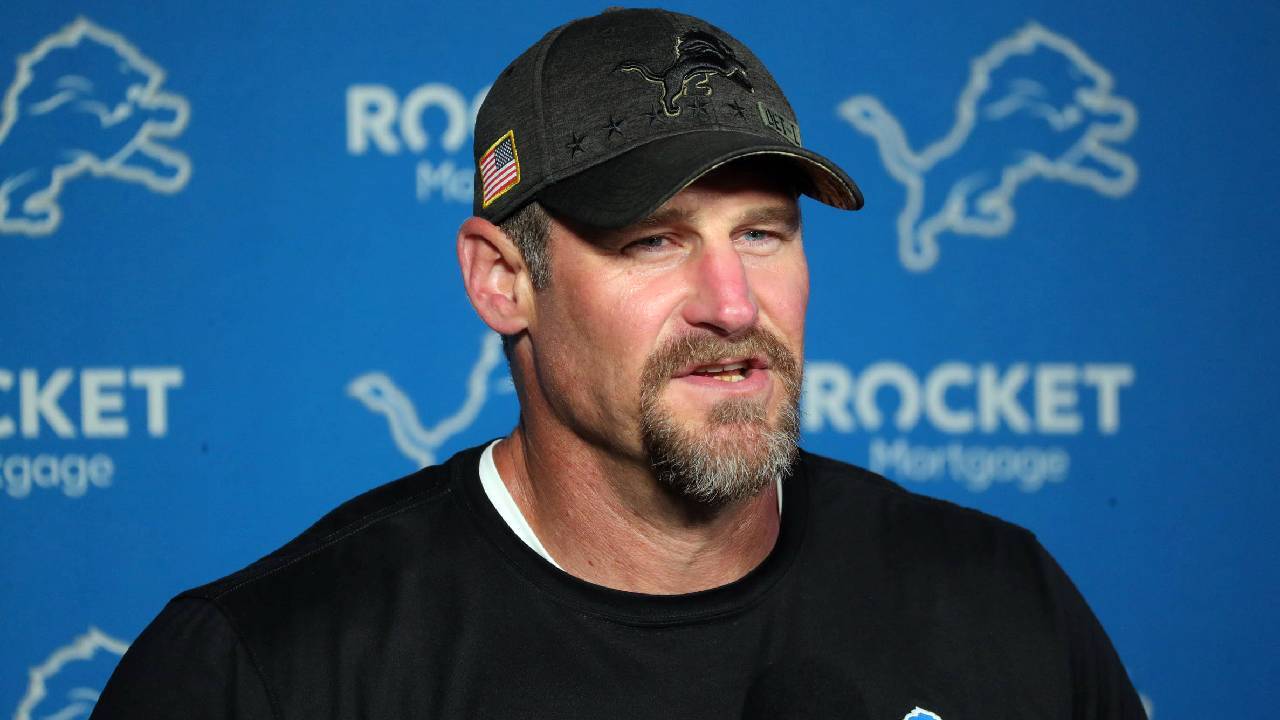
Detroit Lions head coach Dan Campbell recalled meeting Ditka during the 1999 combine process as a tight end prospect. The New York Post report recounts the smoke-filled room and cigar-smoking coach. Campbell remembered questions about his upbringing, thinking, and understanding of football.
The Detroit News account preserves his description of the encounter. Campbell said the meeting “was one of the best times of my life and one of the most intimidating times of my life.” The Giants eventually selected him in the third round.
What’s your take? Post it in our free sports community at stadiumrant.app, or download Stadium Rant on the App Store.
Mike Ditka dies at 86, but his career resists a simple verdict. Chicago demonstrated the heights his leadership could reach, while New Orleans revealed that forceful conviction could outrun sound roster-building judgment. The contrast makes a sharper lesson than treating “Da Coach” as either infallible or overrated.
