
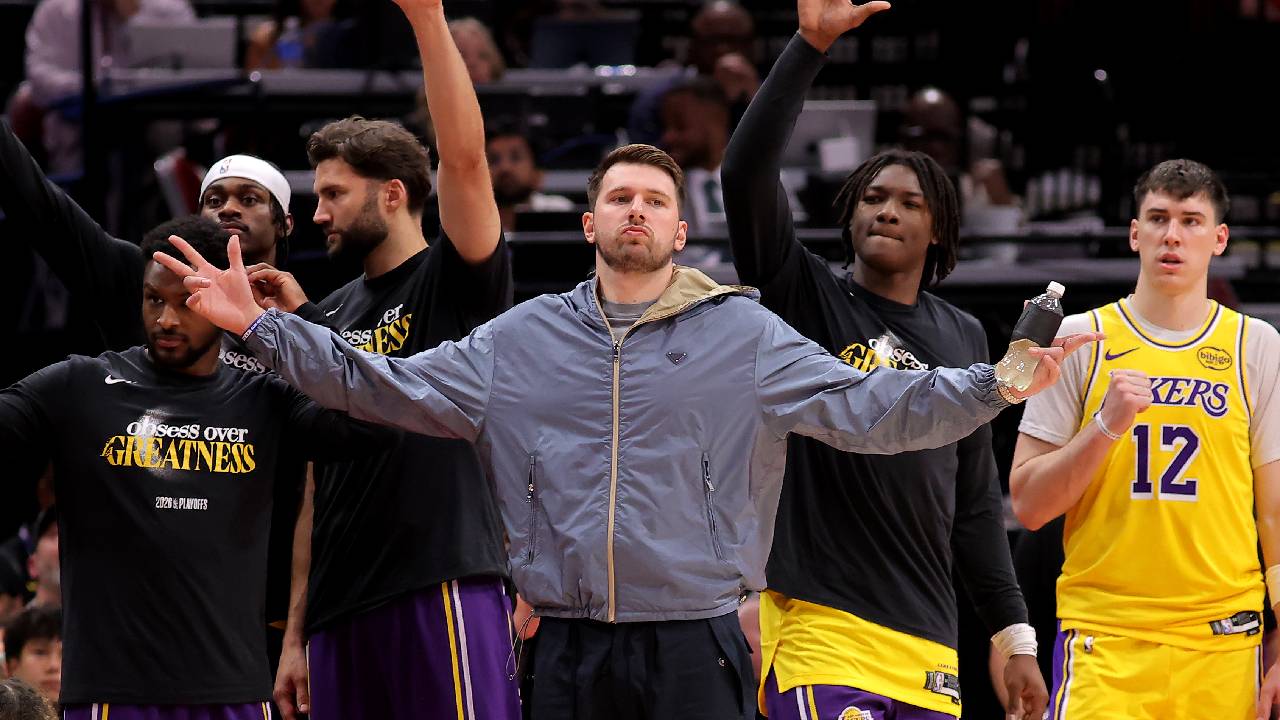
Luka Doncic has reached the stage of his career where individual production is no longer enough to define his legacy. The Los Angeles Lakers have given Doncic the biggest platform of his career, along with championship expectations that will determine how his prime is ultimately remembered.
Doncic completed the 2025-26 season as the NBA scoring champion at 33.5 points per game while averaging 8.3 assists, 7.7 rebounds, and 1.6 steals. Those numbers establish the offensive ceiling he provides, but the Lakers need that production to translate into something more valuable: deep playoff runs and championships.
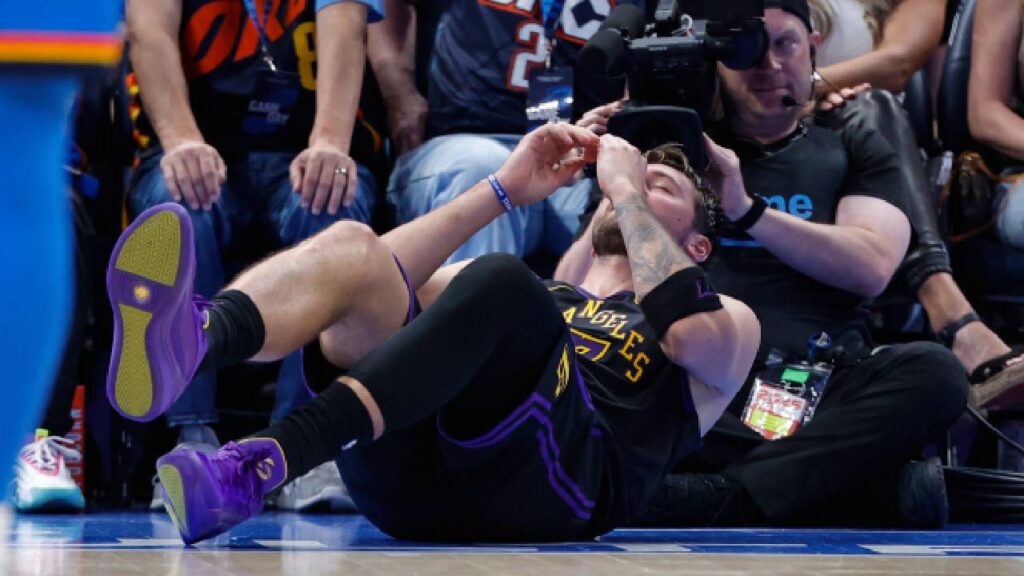
The urgency became obvious during the 2026 postseason, although the circumstances require an important distinction. Los Angeles won 53 games before the Oklahoma City Thunder swept the Lakers 4-0 in the Western Conference semifinals. Doncic did not play in that series because of a Grade 2 left hamstring strain and ultimately missed the entire postseason.
That injury means the 2026 playoff exit cannot fairly be treated as a referendum on Doncic’s postseason performance. Instead, the sweep exposed how much the Lakers still need to improve if they expect their superstar to have a legitimate championship structure around him. The 2026-27 season is therefore the first major test of whether Los Angeles can turn Doncic’s individual dominance into sustained championship contention.
The Luka Doncic Lakers partnership is not a conventional star-team situation because Los Angeles measures superstar careers against an unusually demanding standard. Magic Johnson established Showtime as a championship identity, Kobe Bryant became synonymous with competitive obsession and postseason success, and LeBron James added another championship to the franchise’s history in 2020.
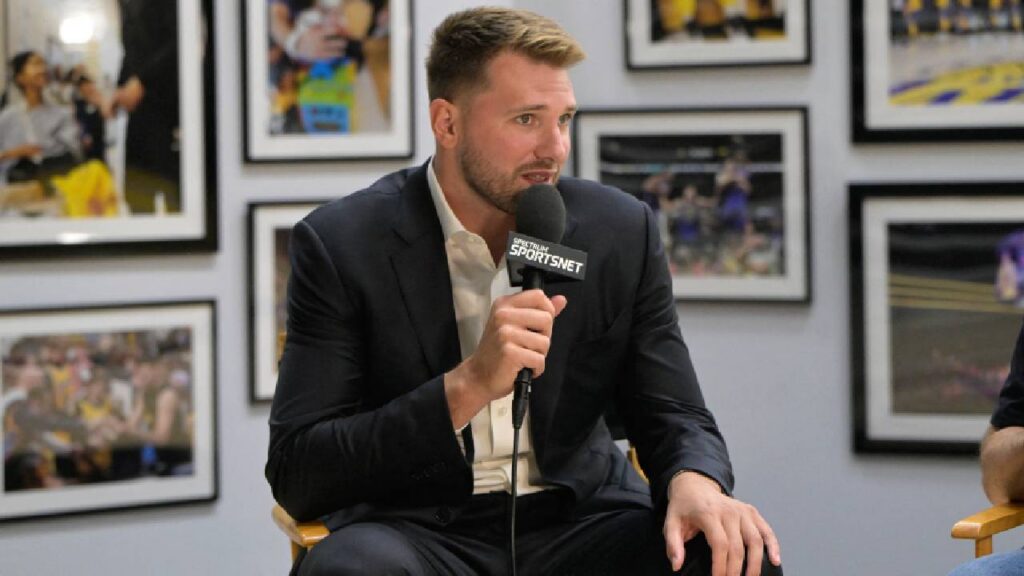
The stakes were clear when Doncic signed a three-year, $165 million maximum extension through 2028. The contract gives Los Angeles a defined window to build around him, while Doncic made his own expectations clear.
Doncic embraced the historical weight of joining Los Angeles after signing his extension. “Being a Laker is an honor, and I wanted to be here,” he said while discussing the franchise’s legendary standard. The extension remarks also showed that he wants to one day see his own name alongside the great Lakers players honored in the rafters. That is important because the Lakers are not simply another stop in Doncic’s career. The franchise itself raises the standard. Regular-season dominance will matter, but championships will ultimately determine how his time in Los Angeles is viewed.

Doncic gives Los Angeles an offensive engine capable of solving problems most stars cannot. Doncic’s 2025-26 numbers demonstrate the scale of that responsibility. Doncic led the NBA with 33.5 points per game while adding 8.3 assists and 7.7 rebounds.
The most revealing number, however, may be how dependent Los Angeles became on him. During March, Doncic either scored or assisted on 58% of the Lakers’ total points while producing 13 consecutive 30-point games. When defenses trap Doncic, somebody else has to punish the rotation. When opponents switch smaller defenders onto him, the Lakers need enough shooting to make help defense expensive. When Doncic sits, another creator must keep the offense from collapsing.
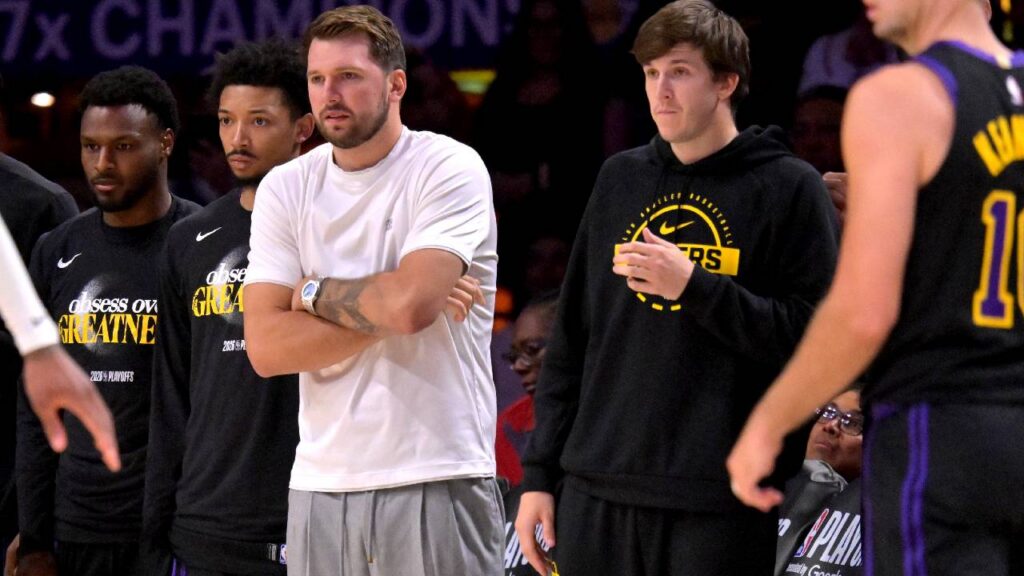
The 2026-27 Lakers have made their roster-building priorities much clearer. Austin Reaves remains an important secondary creator. Quentin Grimes gives the team another perimeter option. Walker Kessler adds a 7-foot-2 interior presence, while Collin Sexton provides another ball-handler capable of creating offense when Dončić is off the floor.
The most important addition could be Kessler because his skill set directly addresses one of Los Angeles’ biggest weaknesses. The Lakers averaged only 41.0 rebounds per game in 2025-26, ranking 27th in the NBA. Kessler gives Los Angeles a legitimate rim protector and rebounder behind its perimeter players. Looney provides another physical big who can help absorb difficult interior assignments over the course of a long postseason.
Thybulle addresses a different problem. His defensive specialization gives the Lakers a player capable of taking difficult perimeter assignments without requiring Doncic to spend excessive energy chasing elite scorers. Sexton and Reaves address the other major concern: secondary creation. Playoff defenses are designed to force stars away from their preferred actions, making another capable ball-handler particularly valuable. That is the fundamental difference between building a roster around a superstar and simply collecting talented players.
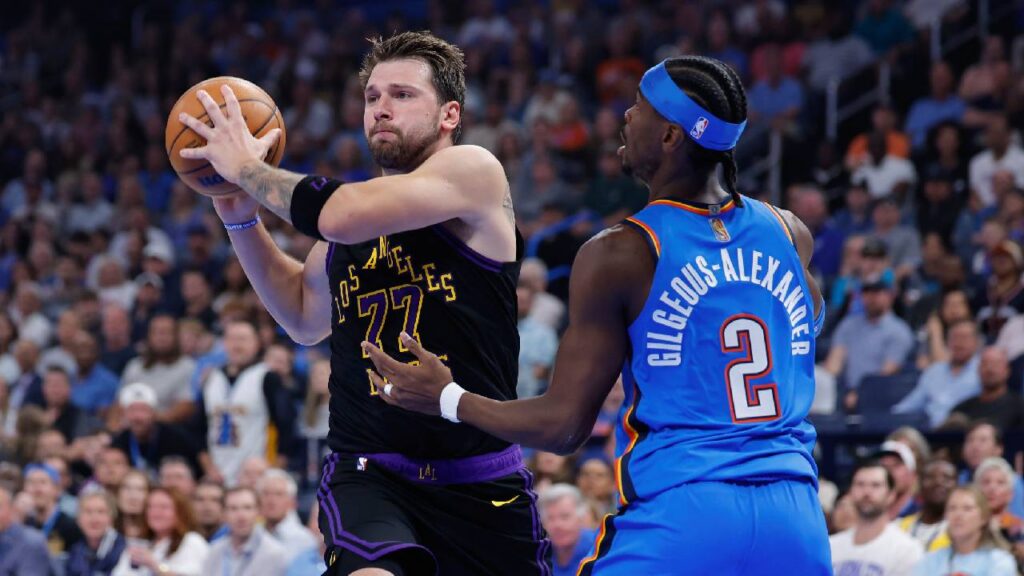
The Oklahoma City sweep should remain one of the most important reference points for evaluating the Luka Doncic Lakers era, but not because Doncic personally failed against the Thunder. Doncic never played in the series. The more useful question is what the Lakers looked like without him against an elite opponent.
Oklahoma City averaged 119.8 points and 38.3 rebounds during the four-game sweep, compared with 103.8 points and 36.3 rebounds for Los Angeles. The Thunder therefore won the series by an average of 16 points per game. Game 4 provided an even sharper example. Oklahoma City won 115-110 while forcing 19 Lakers turnovers and turning those mistakes into 22 points.
The regular-season matchup was an even bigger warning. Oklahoma City swept Los Angeles 4-0, winning those games by an average of 29.3 points. NBA.com noted that it was the largest same-conference point differential between two teams during the 2025-26 regular season.
They do, however, demonstrate why the Lakers cannot assume that getting Doncic healthy will solve every weakness. The roster still needs enough defense, rebounding and secondary creation to withstand opponents capable of attacking those areas repeatedly.
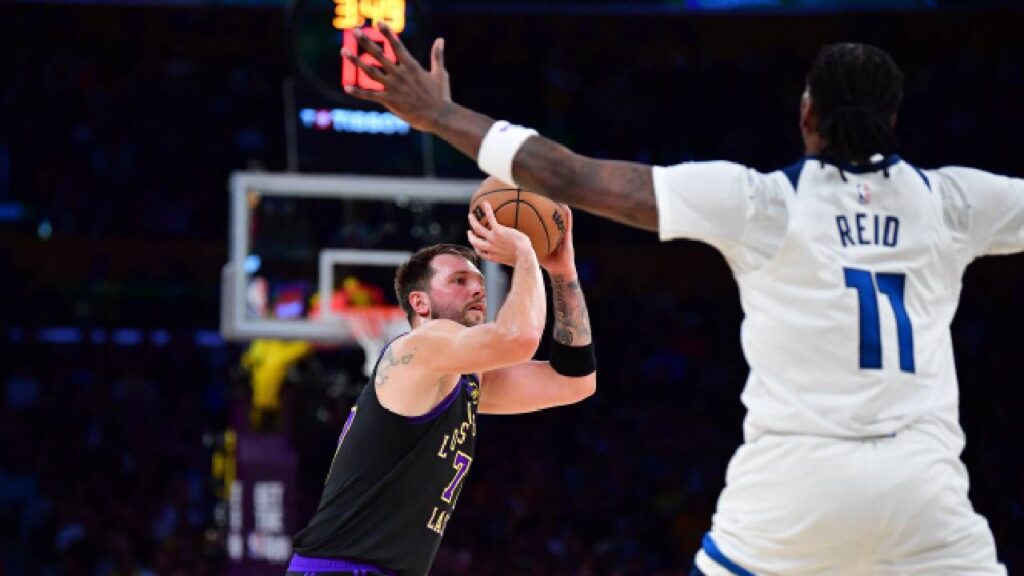
Doncic already has an impressive playoff résumé from his Dallas years, including multiple deep postseason runs and a 2024 Western Conference finals MVP. The Lakers chapter has been different.
Doncic’s first Lakers playoff run ended with a five-game loss to Minnesota, despite Doncic averaging 30.2 points, 7.0 rebounds, and 5.8 assists. Dončić’s second Lakers postseason ended before he could play because of the hamstring injury.
That means Doncic has yet to complete a full Lakers postseason as the team’s healthy franchise centerpiece. The next step is therefore not another scoring title. It is proving what a healthy Doncic-led Lakers team can accomplish over four playoff rounds.
Regular-season awards establish individual greatness, but championships shape the way superstar careers are remembered. Doncic winning the scoring title at 33.5 points per game matters, but that accomplishment will eventually become secondary if Los Angeles repeatedly fails to advance through the Western Conference.
A deep playoff run would immediately strengthen the Lakers era. A championship would transform the conversation entirely by connecting Doncic’s individual dominance with the most important accomplishment in franchise history.
The roster additions suggest that Los Angeles understands the problem. Thybulle can handle difficult perimeter assignments. Kessler can protect the rim. Looney adds physicality and rebounding. Reaves, Grimes and the rest of the rotation can then be asked to complement those pieces rather than compensate for a lack of defensive infrastructure.
That balance matters because Doncic’s greatest value comes on offense. The Lakers should not need their franchise player to carry an enormous offensive workload and then spend every possession defending the opponent’s most dangerous perimeter threat. A stronger defensive supporting cast gives Doncic more freedom to conserve energy for the possessions that decide playoff games.
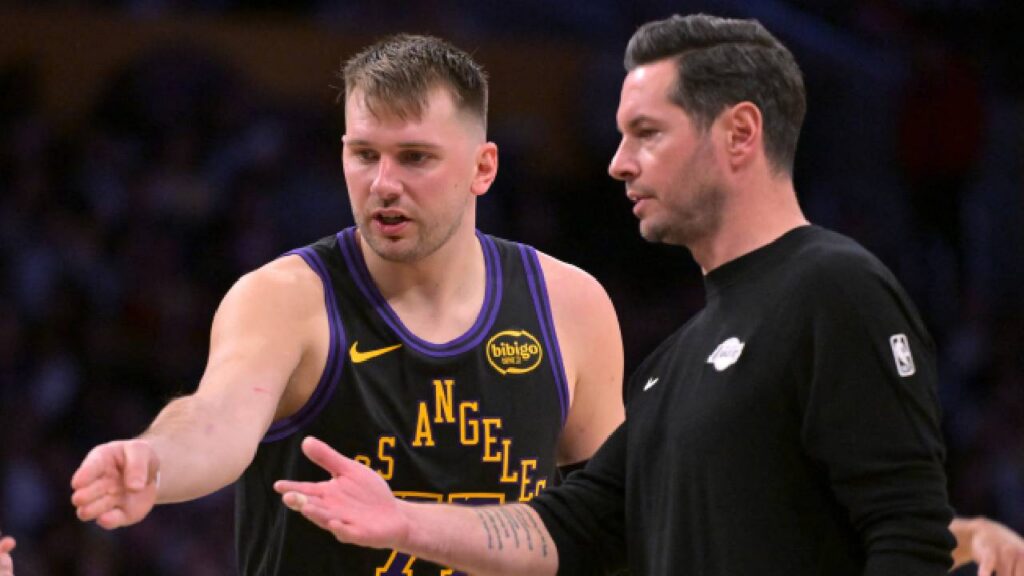
JJ Redick’s challenge will be turning the individual pieces into lineups that protect Doncic without sacrificing the spacing that makes him so difficult to defend. The best Lakers team will not simply be the one that scores the most. It will be the one capable of winning when Doncic’s jumper is not falling, when opponents take away transition opportunities, and when playoff games become physical half-court battles.
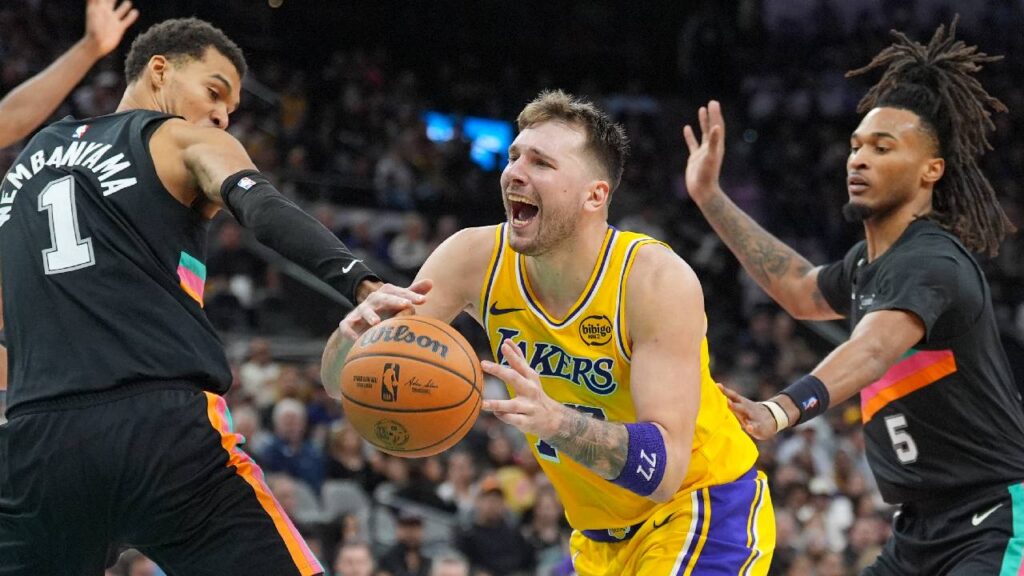
Doncic’s championship window is not opening in an empty Western Conference. Oklahoma City remains one of the league’s most dangerous teams after reaching the 2026 Western Conference finals. San Antonio won that series 4-3 before defeating New York in the NBA Finals, while Denver still has Nikola Jokić leading an established contender.
The Spurs represent an especially important long-term threat because Victor Wembanyama has already helped turn San Antonio into a championship-level team.
The Thunder present a more immediate matchup problem. Their 4-0 regular-season sweep and postseason sweep demonstrated how badly length, defensive pressure, and depth can punish Los Angeles when the Lakers cannot consistently generate efficient offense. The contract timeline gives Los Angeles some security. Doncic is under contract through 2028, creating several seasons to construct the right roster around him.
Luka Doncic has already given the Lakers the foundation every franchise wants: elite scoring, elite passing, rebounding from the guard position and the ability to create an offense when a defense knows exactly who will control the possession. The offseason moves provide a more convincing answer, with Kessler addressing interior defense and rebounding while Thybulle, Sexton, Reaves, Grimes and Looney strengthen the supporting cast.
The question is no longer whether Doncic is a superstar. That has already been answered. The question is whether Los Angeles can build a championship ecosystem around him before the opportunity to maximize his prime disappears. The Lakers now have to turn that talent into championships.
