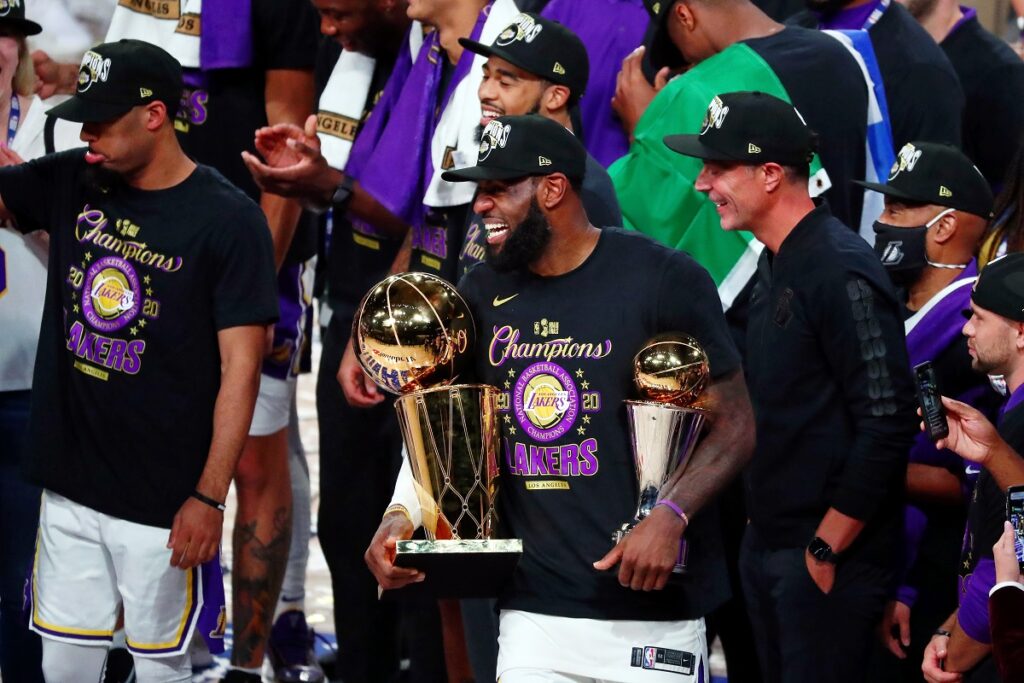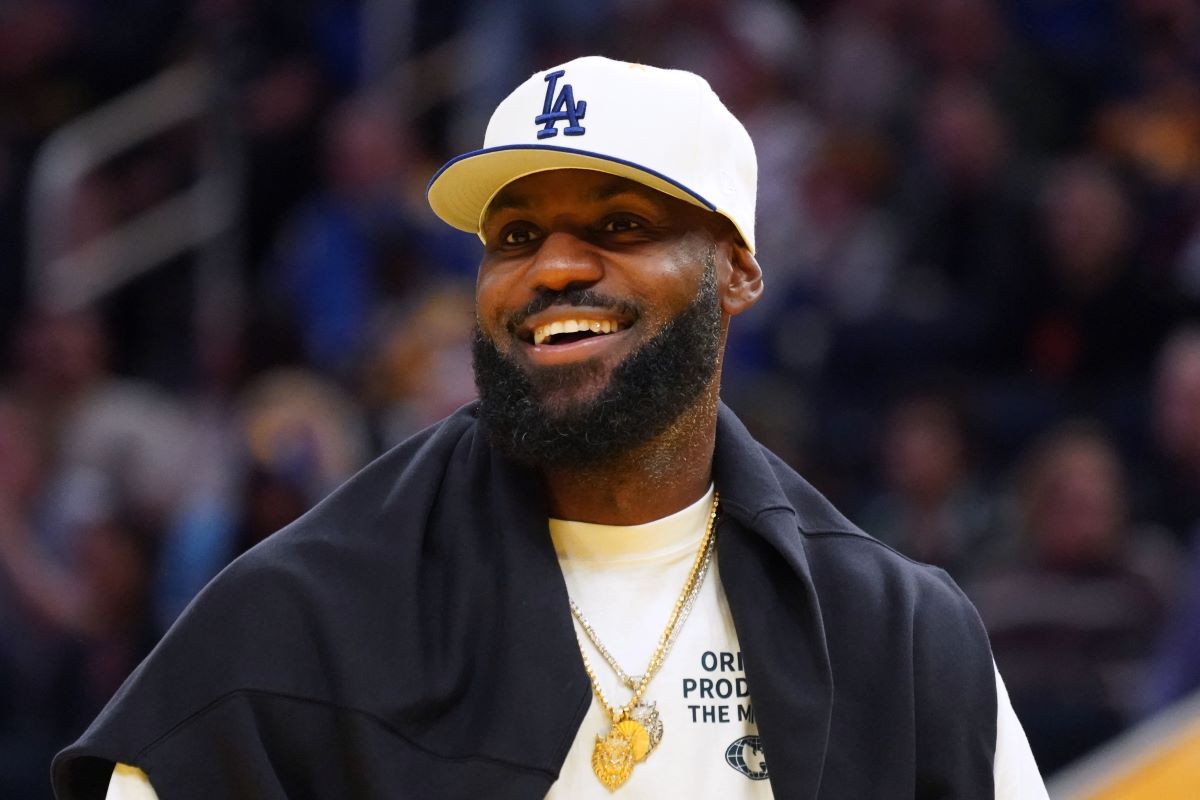
On Friday, July 24, 2026, LeBron James once again shocked the NBA world by announcing his decision to join a star-studded Philadelphia 76ers roster.
The 76ers have not reached the NBA Finals since 2001 and have not raised a banner since 1983. Bringing a championship to a franchise plagued by years of postseason heartbreak immediately cements an undisputed legacy, or does it?
Beneath the cinematic spin lies a truth that grows harder to ignore: No consensus Mount Rushmore legend in NBA history has bounced around the league quite like James.
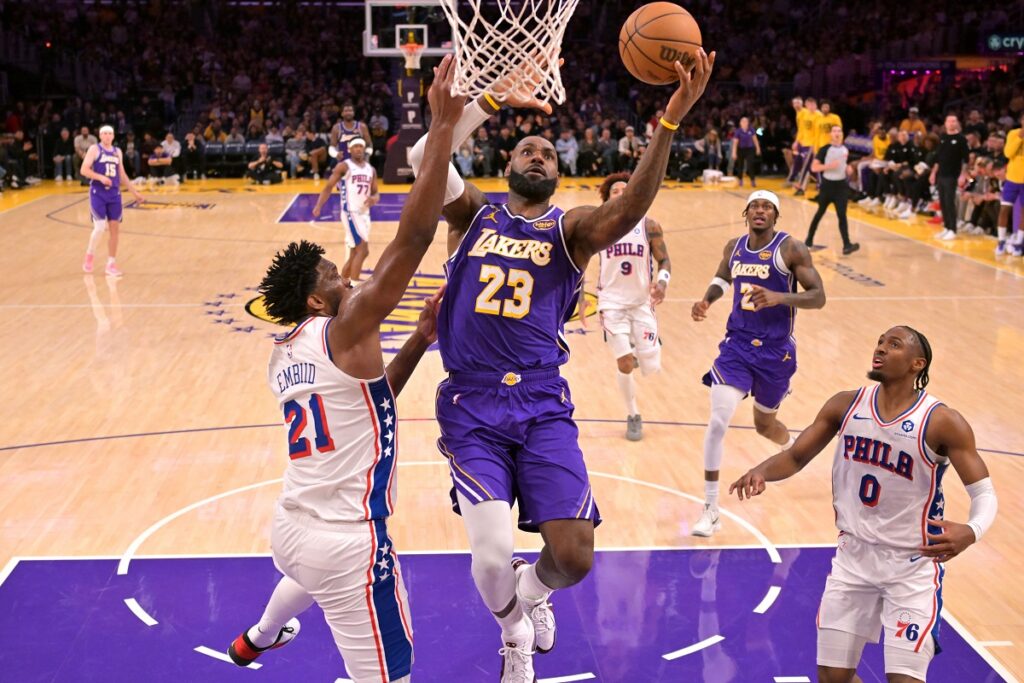
By suiting up for his fourth distinct franchise (Cleveland, Miami, Cleveland again, Los Angeles, and now Philadelphia), James continues to pioneer an era of modern stardom defined by transient convenience rather than foundational loyalty.
There is no denying the unmatched longevity or individual brilliance of James. But moving to Philadelphia to join an established nucleus fits a familiar pattern:
| “The All time Greats” | Franchises Played For | Primary Franchise Era | Rings Won |
| Michael Jordan | 2 (Bulls, Wizards) | Chicago Bulls (13 yrs) | 6 |
| Kobe Bryant | 1 (Lakers) | L.A. Lakers (20 yrs) | 5 |
| Kareem Abdul-Jabbar | 2 (Bucks, Lakers) | L.A. Lakers (14 yrs) / Bucks (6 yrs) | 6 |
| Tim Duncan | 1 (Spurs) | San Antonio Spurs (19 yrs) | 5 |
| Magic Johnson | 1 (Lakers) | L.A. Lakers (13 yrs) | 5 |
| Larry Bird | 1 (Celtics) | Boston Celtics (13 yrs) | 3 |
| Steph Curry | 1 (Warriors) | Golden State Warriors (17+ yrs) | 4 |
| LeBron James | 4 (Cavs, Heat, Lakers, 76ers) | Cleveland / L.A. / Miami | 4 |
Michael Jordan’s brief twilight stint in Washington came after a second retirement, years after completing two three-peats in Chicago. Kareem Abdul-Jabbar forced a trade to Los Angeles midway through his career, but spent 14 seasons anchoring the dynasty of the Lakers. Kobe Bryant weathered the grim post-Shaq years in Los Angeles until the roster was rebuilt (although he did request a trade in 2007). Tim Duncan spent nearly two decades as the unbroken heartbeat of San Antonio.
James, by contrast, has treated NBA franchises like stepping stones, arriving when talent is peaked, draining draft assets and cap space to win immediately, and departing as soon as the roster ages out or the ceiling shrinks.
Thinking critically, late-career team hopping usually signals the decline of a legend, not a continuation of their prime, a phenomenon best exemplified by Shaquille O’Neal.
By the time O’Neal reached his sixth team, the Boston Celtics in 2010, he was a shell of his former self, serving as a role player on a veteran-minimum contract chasing a ring as an auxiliary piece. His multiteam journey in Phoenix, Cleveland, and Boston did not tarnish his core legacy because everyone understood those were not “Shaq’s teams.”
The move by James to Philadelphia runs into the danger of this exact dynamic. While he remains a remarkably productive player, joining a loaded roster alongside Joel Embiid, Tyrese Maxey, and Jaylen Brown as a supplementary star risks reframing his final act. If he wins in Philadelphia, critics will not see a leader lifting a franchise to glory. Instead, they will see a superstar following the Celtics Shaq playbook of glomming onto an already elite contender to pad his ring count.
To be fair, the movement by James is a symptom of a radically different modern era, one where players finally hold the leverage that front offices spent decades abusing. Fans live in an age of unprecedented player empowerment, where stars control their destinies, dictate roster construction, and treat contracts as flexible agreements rather than binding commitments.
On paper, a player exercising complete self-determination is a win for athlete autonomy. But just because players can engineer their own path to optimal situations does not necessarily mean it feels right to fans or the spirit of competition. When the highest echelon of talent continually bypasses adversity to align with prepackaged contenders, it flattens the grit, struggle, and organic growth that historically made championship journeys worth celebrating and for better or for worse that will always be attached to the greatness of Lebron.
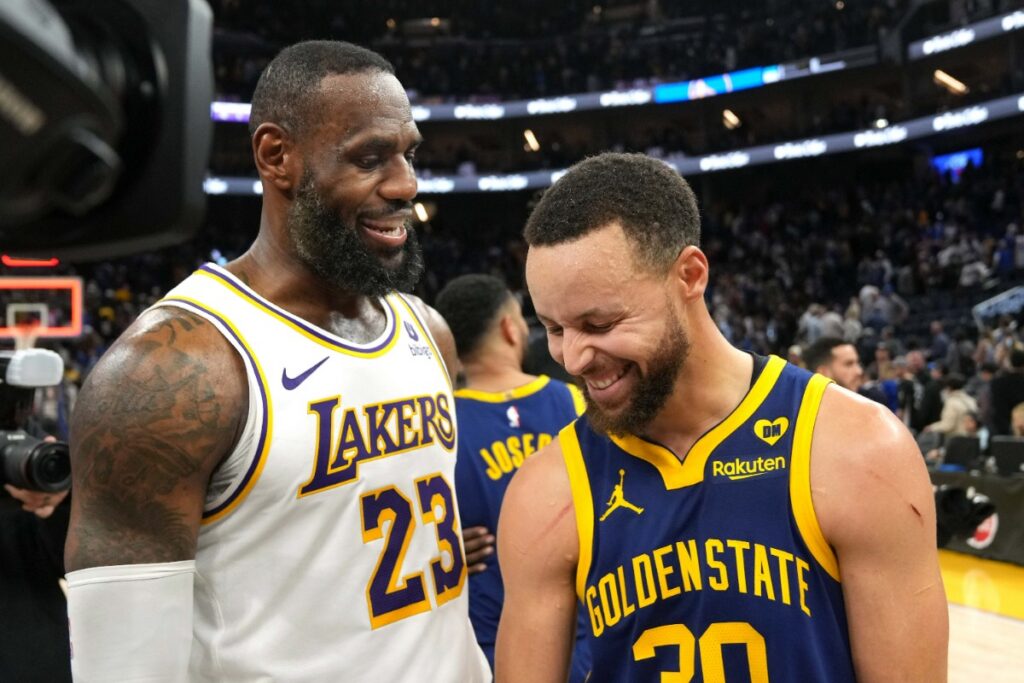
When Steph Curry or Tim Duncan won a title, it was the culmination of an organizational culture built from scratch. When James wins, it often feels like a successfully executed corporate merger.
While the strategy has undeniably yielded four rings across three franchises for James, it fundamentally shifts how his championships feel in the grand narrative of the sport. By constantly changing uniforms to maximize his immediate championship odds, James may add to his ring count, but he further separates himself from the era-defining, single-city legends whose loyalty gave their championships a very different kind of weight.
When examining the absolute upper echelon of basketball immortality, franchise hopping during a player’s primary championship window is exceedingly rare.
Regardless, the process is over and the Kings final chapters in Philadelphia have officially begun.