
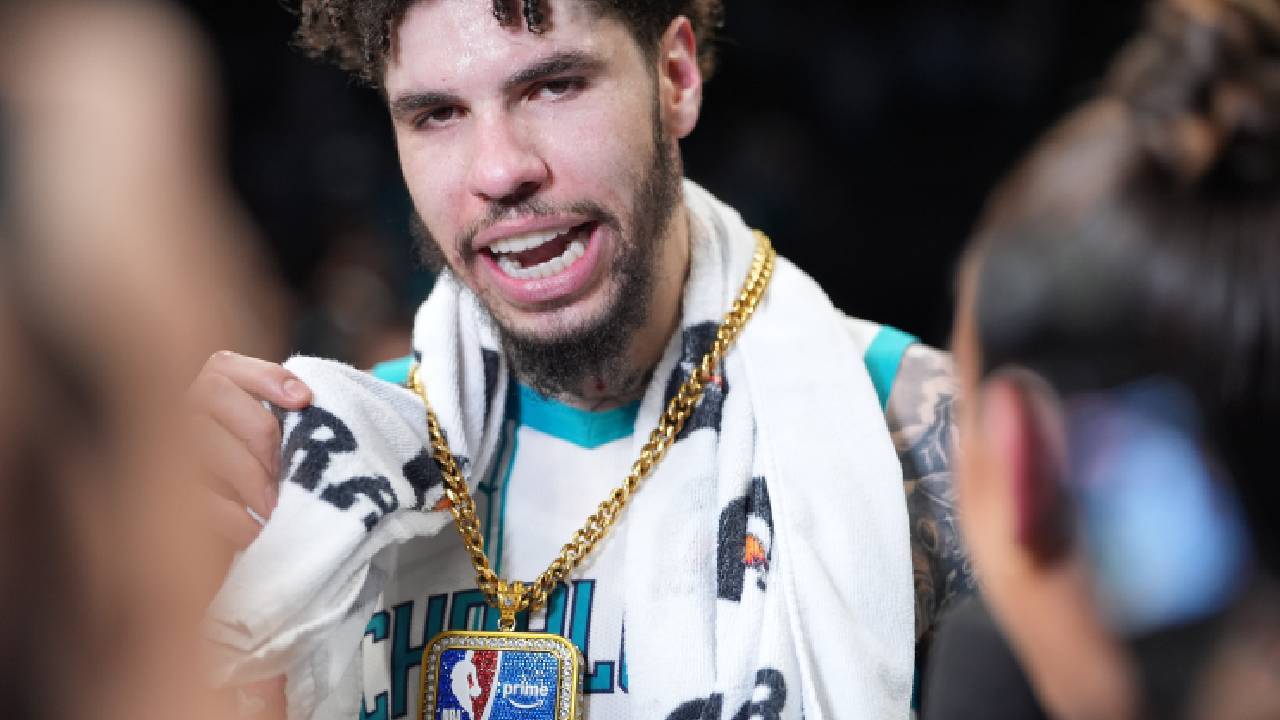
The Minnesota Timberwolves and Charlotte Hornets just pulled off one of the offseason’s biggest swings, sending LaMelo Ball to Minnesota and Naz Reid to Charlotte in a franchise-defining blockbuster. The former All-Star and 2021 Rookie of the Year now joins Anthony Edwards in a loaded Western Conference backcourt, while Charlotte pivots toward a new identity built around size, shooting and future assets.
Quick answer: The Timberwolves win the trade in the short term with a bold, B+ gamble around Anthony Edwards, while the Hornets earn a B- for finally committing to a full rebuild with Reid and a mountain of draft assets.
The trade is a classic win-now vs. rebuild swap. Minnesota gets the best player in the deal, and Charlotte bets on long-term flexibility with Naz Reid and a massive haul of draft assets.
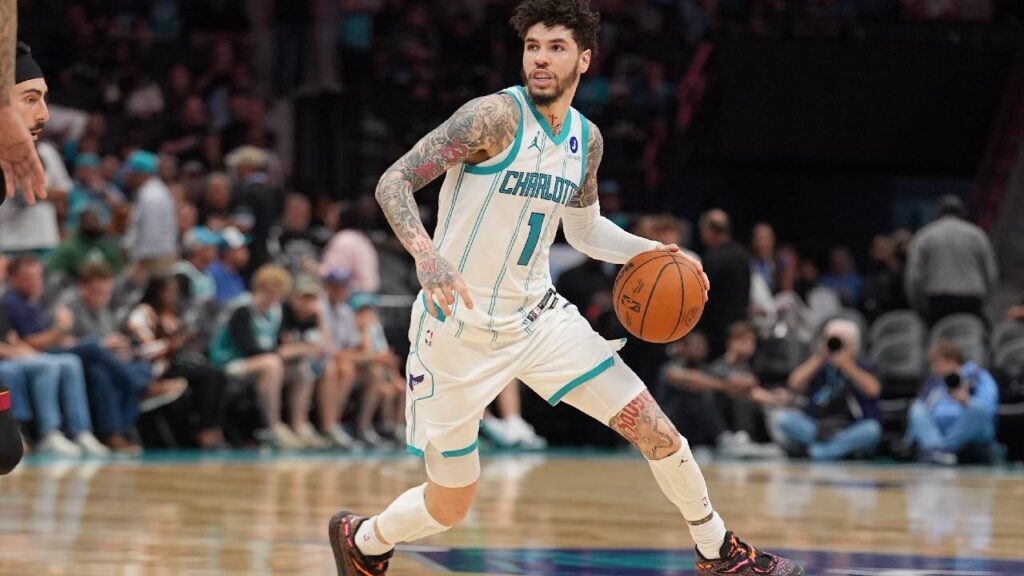
For everyone who wants the trade package up front, here’s the deal in one glance.
LaMelo Ball Trade Package
| Team | Receives |
| Timberwolves | LaMelo Ball, Josh Green |
| Hornets | Naz Reid, 2033 unprotected first-round pick, first-round pick swaps in 2028, 2029, 2030, 2029/2032/2033 second-round picks, additional draft considerations |
The move officially ends Ball’s six-year run in Charlotte and reshapes both rosters on and off the court.
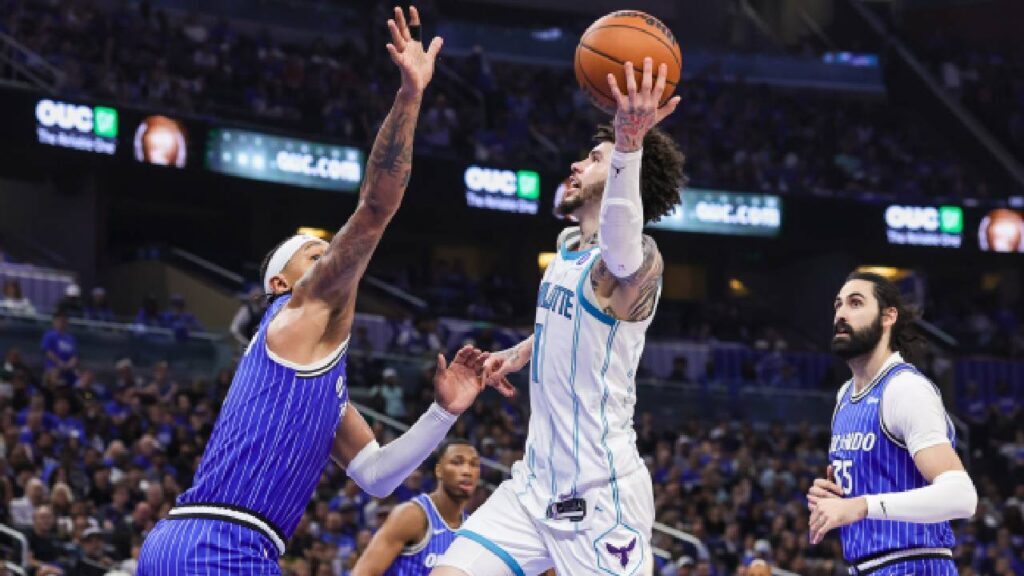
Before grading the trade, it helps to see how the two centerpieces compare statistically and contract-wise.
LaMelo Ball Vs. Naz Reid (Last Season And Contracts)
| Player | Age | 2025-26 Salary | Contract Status | Last Season (approx.) | Style Snapshot |
| LaMelo Ball | 24 | ~$37.9M | 5-year max (through 2028-29), ~$203.9M total | ~20.1 PPG, 7.1 APG, 4.8 RPG, 36.5% 3P | High-volume creator, pull-up shooting, elite passing |
| Naz Reid | 27 | ~$21.6M | 5-year, $125M (through 2029-30) | ~13.5 PPG, strong efficiency, 40%+ 3P | Stretch big, bench-to-starter scorer, solid defender |
Ball’s advanced stats underline his offensive value: career assist rates in primary-creator territory and on/off numbers in Charlotte that consistently showed the Hornets scoring better with him than without him. Reid’s impact is more subtle but real—lineups with him often posted strong net ratings thanks to his combination of spacing, rebounding and switchable defense.
The contract math matters just as much. Minnesota takes on a full-max deal for Ball, and Charlotte locks in a starter-level big on a more manageable number, opening up future cap and pick flexibility.
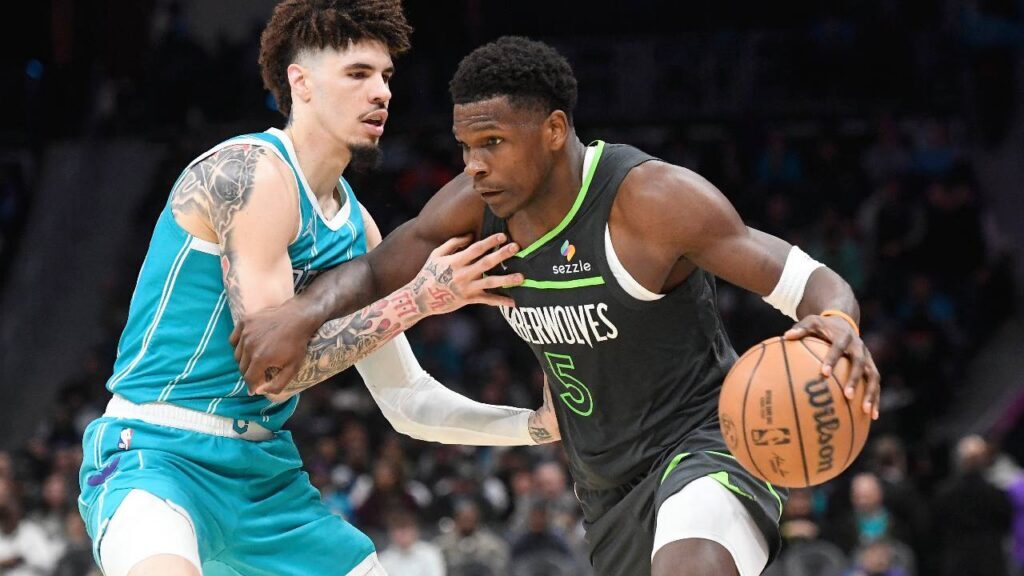
Minnesota already had one of the league’s best defenses and a top-10 player in Anthony Edwards. What they lacked was a consistent offensive organizer. When playoff defenses shrank the floor, too many possessions turned into late-clock, one-on-three isolation for Edwards.
Ball changes that. He is a 6-foot-7 lead guard with deep shooting range and advanced passing vision. He averaged 7.1 assists last season and hit over 36% of his threes on high volume. He also thrives in pick-and-roll and brings exactly the kind of skill set that can unlock Rudy Gobert’s rim gravity and Karl-Anthony Towns’ floor spacing at the same time.
Projected Timberwolves Starting Five After The Trade
In that configuration, Edwards no longer has to initiate every possession. Ball can probe and manipulate the defense, with Edwards operating more often as a scoring hammer and secondary playmaker. Edwards’ usage might remain high, but the quality of his looks should improve: more catch-and-shoot threes, more straight-line drives against bent defenses.
From a Western Conference perspective, this trade nudges the Wolves higher in the hierarchy. They were already in the second tier of contenders; adding Ball’s shot creation and passing nudges them closer to the likes of Denver and Oklahoma City. Their title odds should see a modest bump simply because teams with multiple high-level creators—and a proven top-five defense—tend to survive deeper into May and June.
The risks are real:
Even so, this looks like a calculated leap more than an irrational one. Minnesota didn’t just chase a name. They targeted a specific offensive profile—big playmaker, pull-up shooter, transition engine—that fits next to Edwards and within their twin-towers frontcourt.
Grade: B+. This is the kind of risk a serious contender is supposed to take.
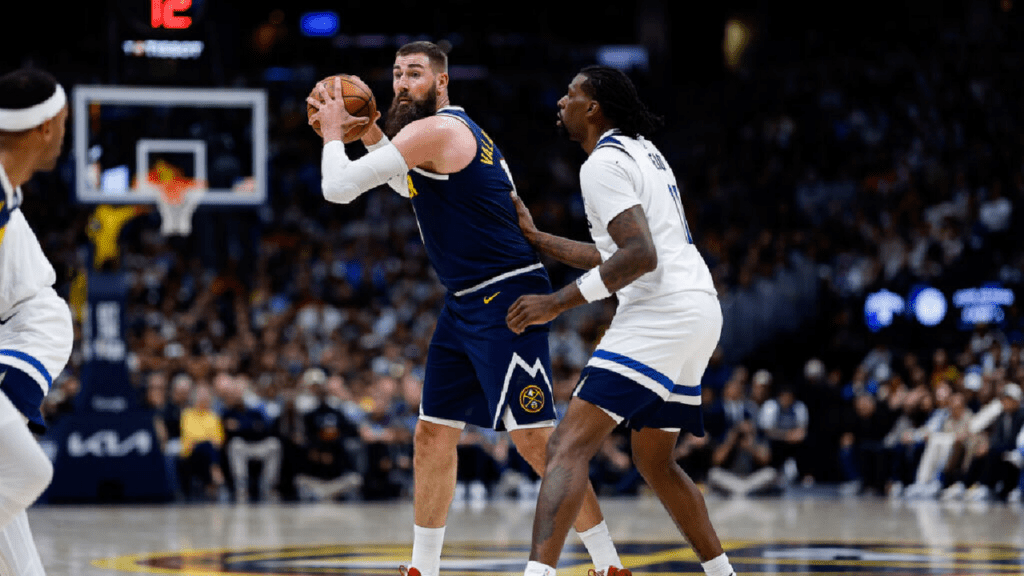
Charlotte has spent the last few years wobbling between the lottery and the play-in chase, with Ball as both centerpiece and question mark. When a franchise guard misses major time in consecutive seasons and the surrounding roster never coheres into a winning group, that is a warning sign. At that point, staying the course can be more dangerous than starting over.
By moving Ball, the Hornets:
We also got a glimpse of how the Hornets see this shift. Before the deal was finalized, team president of basketball operations Jeff Peterson talked about his long-term vision for the roster:
“The goal has never been to get to the playoffs one time and be out for seven, eight years and try to get back. … We are going to continue to build it the right way. We are not going to take shortcuts. We are going to be methodical and figure out how to put the best product on the floor and [create] sustainability,” Peterson said when asked about the team’s offseason approach.
That’s exactly the logic behind this trade. Move off a max-level guard with injury questions, lean into a clean restart, and stockpile assets for when the right star or draft opportunity comes along.
Projected Hornets starting five after the trade
That group is not a short-term playoff lock, but it creates a clearer rebuild blueprint. Reid is good enough to anchor lineups now and flexible enough to retain value as the roster changes around him. Brandon Miller should receive more touches and responsibility, while Green gets a larger opportunity to establish himself as a two-way contributor.
Charlotte now owns its own picks along with multiple Wolves assets and swaps. That gives the front office upside if Minnesota stumbles after the Anthony Edwards era, plus trade ammunition if another star becomes available. The downside remains obvious: teams rarely win the day they trade the most talented player in a deal, and the Hornets gave up an All-NBA-caliber ceiling for a very good big and future chances.
Grade: B-. Painful in the short term, but defensible if the goal is finally choosing a clear direction.
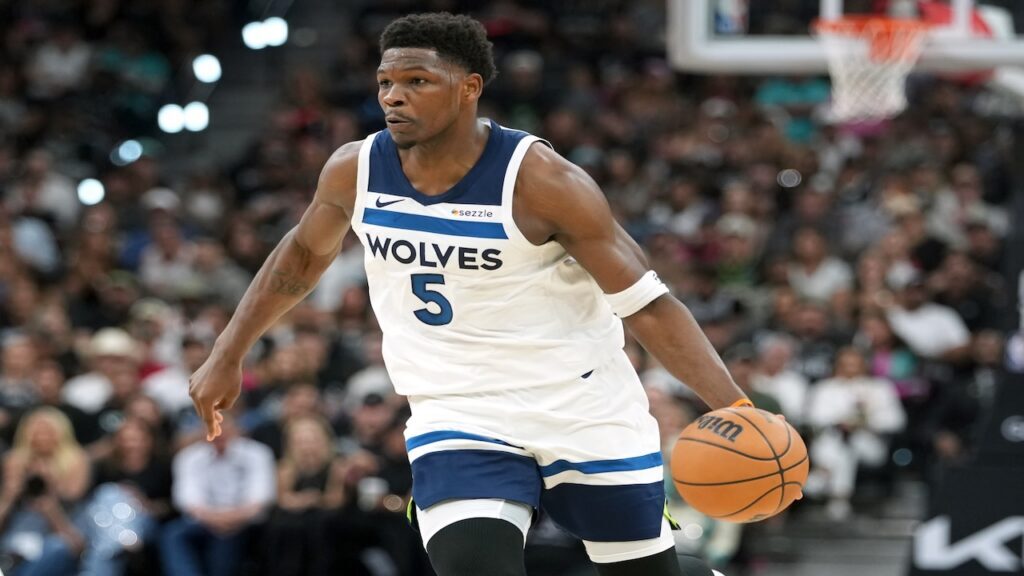
Winner: Anthony Edwards
Edwards comes out of this with a better supporting cast and more help in the half-court. Edwards should see cleaner looks, more transition chances, and less responsibility to do everything late in games. If Minnesota climbs another rung in the West, he’ll be in even more award and All-NBA conversations.
Winner: LaMelo Ball
Ball goes from an unstable situation in Charlotte to a team that expects to be in the mix every spring. He no longer has to prop up an entire offense. If he stays healthy and tightens up his shot selection and defense, his reputation around the league could rebound quickly.
Winner: Naz Reid
Reid upgrades from Sixth Man of the Year to likely full-time starter and focal point of a young core. His offensive game is versatile enough that Charlotte can feature him in more actions, and his contract looks like a bargain if the cap keeps rising.
Loser: Timberwolves Flexibility
Minnesota sacrifices future pick control and cap flexibility. If injuries or fit issues derail the Ball–Edwards experiment, they won’t have many easy paths to retool. They’re locked into an expensive core with limited ability to maneuver around the edges.
Loser: Hornets’ Short-Term Relevance
Charlotte likely takes a short-term step back. Without Ball, they may slide further down the East standings before any of the picks or young players fully mature. That’s part of the rebuild cost, but it’s still a cost.
Wild Card: Future Front Offices
The executives currently in charge may not be the ones graded on this trade in 2033 when that unprotected first conveys. If Minnesota stays strong for years, the Wolves’ side looks better. If Charlotte nails a couple of these picks and uses the trade exception well, the Hornets’ side could age into the real win.
The trade pushes Minnesota higher in the Western Conference hierarchy. The Wolves now have multiple high-level creators, a proven defensive backbone and the kind of top-end talent that matters when playoff defenses take away first options. If Ball plays at least 65 games and quickly finds chemistry with Edwards, Minnesota has a legitimate path to the NBA Finals.
For Charlotte, the impact is more about draft boards than standings. The Hornets now hold:
In one concise line: **Minnesota trades future draft flexibility for present contention; Charlotte trades a present star for future optionality.**
The Timberwolves get the better grade today because they added elite offensive talent to a contending core. Ball gives Edwards the playmaking partner Minnesota needed, even if the Wolves are taking on real health, defense and financial risks. This is a serious contender making a serious contender’s move.
Charlotte takes the longer road, but at least it finally has a clear destination. The Hornets now have Naz Reid, Brandon Miller, a large stockpile of picks and more ways to reshape the roster over the next several seasons. Whether the deal becomes a defining rebuild win or a costly mistake will depend on what Charlotte does with that flexibility next.
