
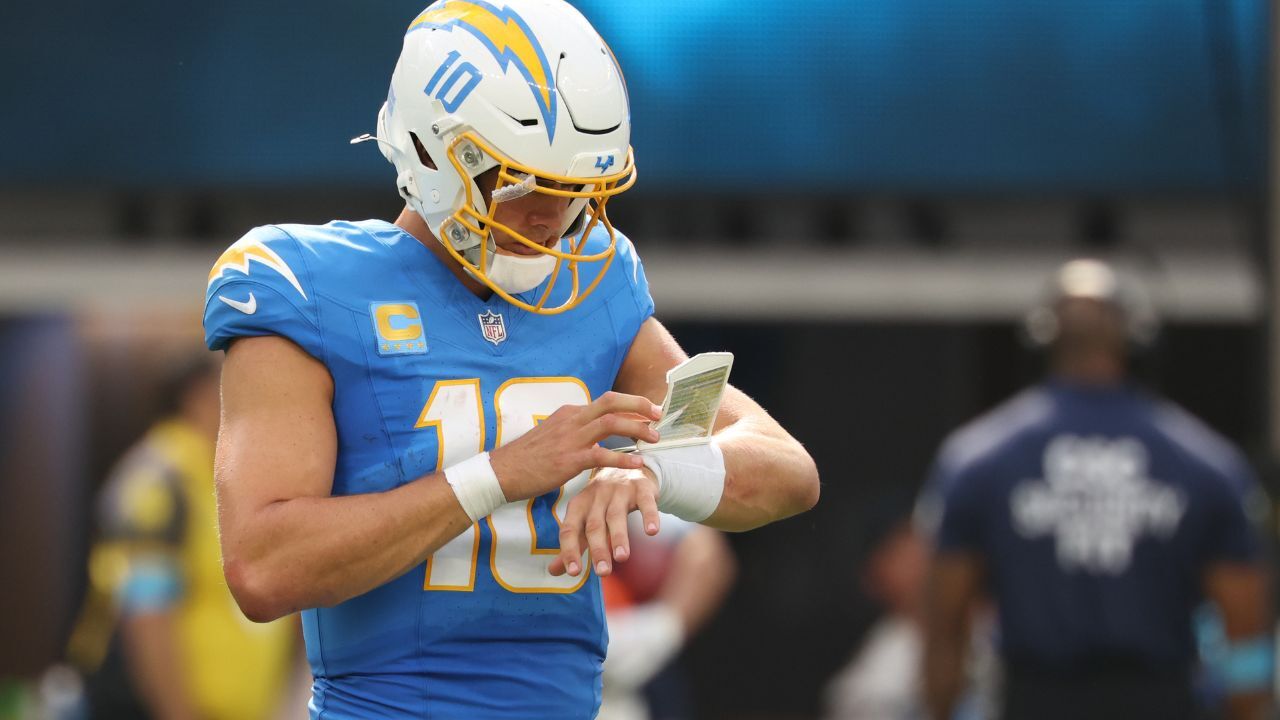
For the past few years, Justin Herbert has been viewed as one of the top quarterbacks in the NFL, but his performance this season has raised serious concern. After six years as the Los Angeles Chargers’ franchise QB, he has significantly regressed in his seventh season. Through seven games, he has made questionable decisions and inaccurate throws that have left viewers wondering what happened to the once promising QB. While Herbert deserves criticism for his performance, the Chargers organization needs equal scrutiny for their involvement in his decline.
Just How Much Has Justin Herbert Regressed
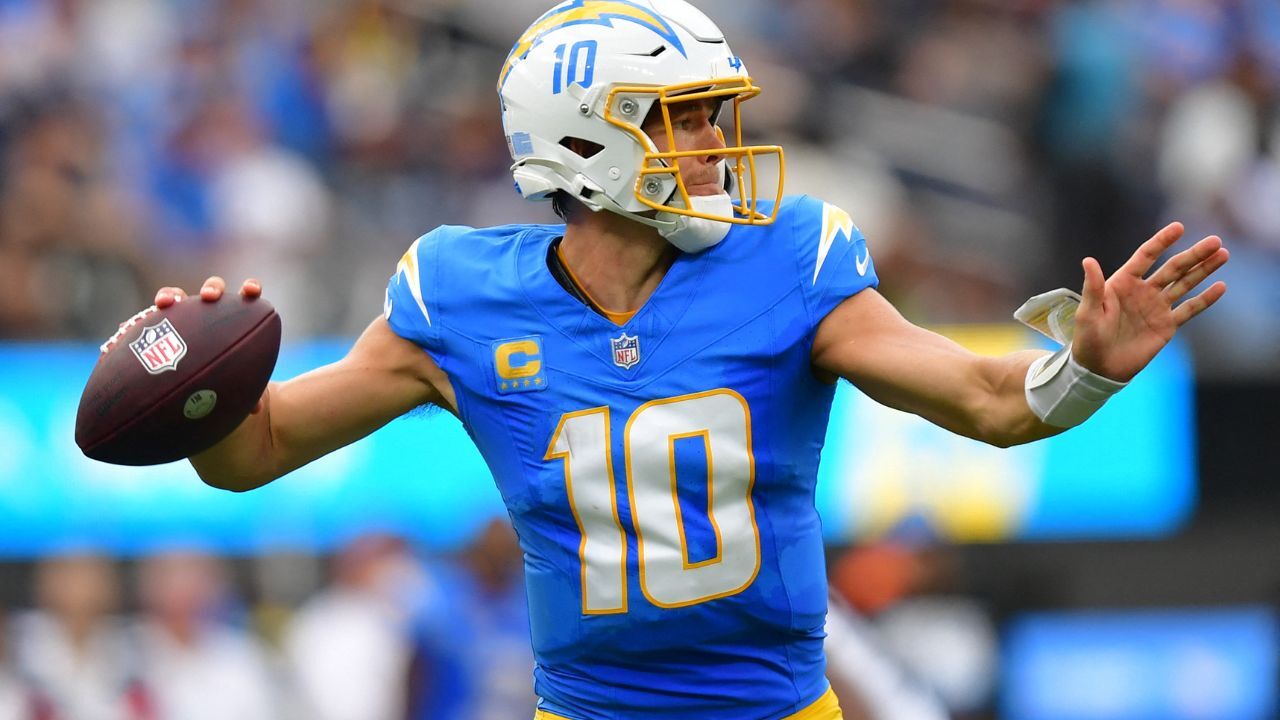
Herbert’s decline as a QB is evident on film, but it is even more apparent statistically. For the past six seasons, he has averaged over 225 passing yards per game with a passer rating of over 93; however, this year he is performing well below his established standard. Through seven games, he is averaging under 200 passing yards per game and a passer rating of 69.3, which are both career lows.
Though Herbert wasn’t widely seen as on the level of other elite NFL QBs, he held up against them. From 2020 to 2025, his completion percentage was higher than Lamar Jackson’s, his interception rate was lower than Patrick Mahomes’, and his yards per completion was higher than Joe Burrow’s. Instead of continuing this trend, Herbert’s efficiency has regressed, with his completion percentage, interception rate, and yards per completion among the lowest of his career this season.
Some of Herbert’s reduction in performance can simply be blamed on his poor decision-making and accuracy. He is throwing the lowest on-target accuracy of his career, with only 74.5% of his attempts being delivered accurately. This precision issue is a contributing factor to his success rate dropping by 11% from last season and his league-worst 10 interceptions this year. For a player of Herbert’s caliber to take this stark of a falloff in only one year, it’s hard to believe that the Los Angeles coaching staff is without fault.
Mike McDaniel’s Offense Is Holding Justin Herbert Back
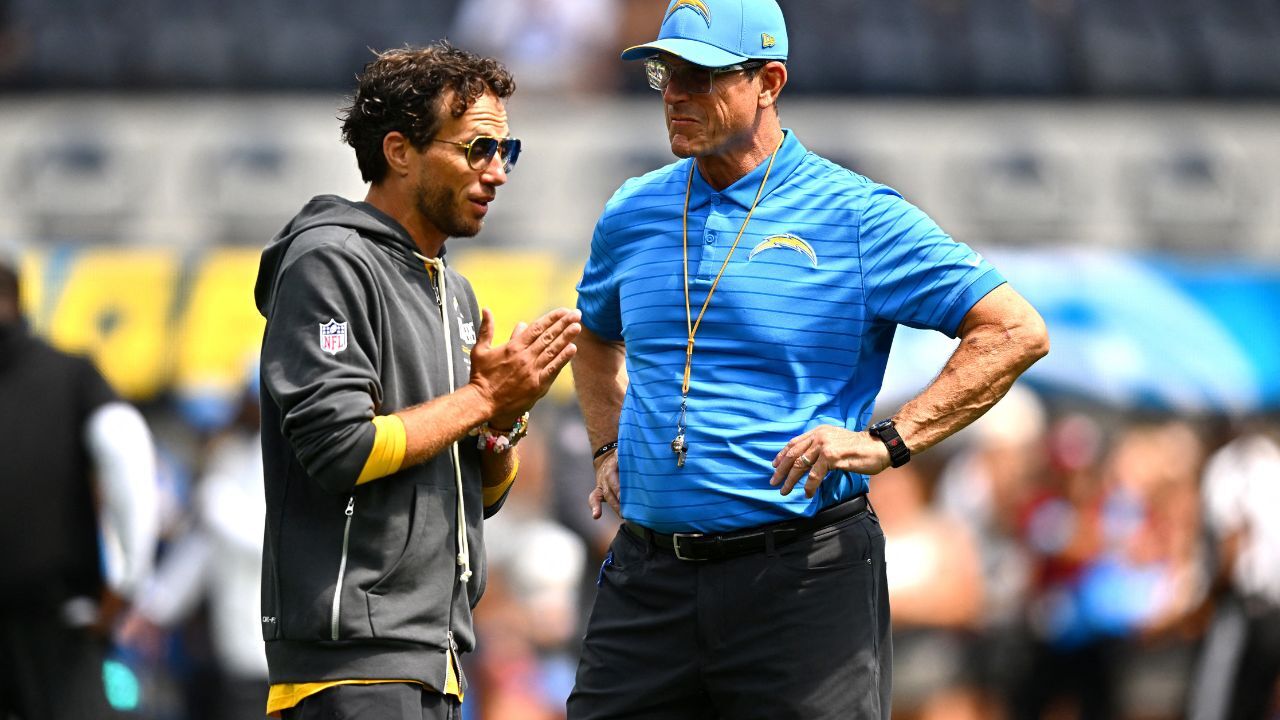
Following two poor offensive playoff performances, the Chargers decided to fire Greg Roman and hire Mike McDaniel to be their offensive coordinator. While he was expected to take Los Angeles’ offense to another level, it instead caused a full-on collapse. Under McDaniel, the team’s offense is last in points scored, second-worst in total yards, and third-worst in first-down conversions.
While McDaniel’s had offensive success with the Miami Dolphins, his biggest concern as Los Angeles’ play caller is his inability to adjust to his new personnel. When at Miami, McDaniel had Tua Tagovailoa at QB, running an offense based on throwing with anticipation. This scheme had success with Tagovailoa, as he excelled at making quick decisions and throwing intermediate passes with anticipation. Rather than expand this scheme to suit Herbert, McDaniel is having him play like Tagovailoa.
Herbert is a different QB than Tagovailoa, as he possesses the physical traits and tools to throw at all levels. He is 6’6 with a big, strong arm that can apply much velocity to the football to attack the defense downfield. With this in mind, one would think McDaniel would call plays to take advantage of Herbert’s physical traits; however, he isn’t doing it often. This season, 26% of the Chargers’ pass attempts are behind the line of scrimmage, leading to Herbert recording his second-lowest career average depth of target at 7.1 yards.
Additionally, Los Angeles lacks the offensive playmakers that McDaniel had with the Dolphins. Miami had speedy players like Tyreek Hill, Jaylen Waddle, and De’Von Achane, who could make big plays after getting the ball in space. Meanwhile, the Chargers’ offense doesn’t have this type of personnel, which requires a different approach to maximize their talent. This makes it concerning that McDaniel focuses on getting them the ball quickly, when they don’t fit that playstyle.
Although McDaniel shares some of the blame for Los Angeles’ offensive woes, his coaching isn’t the sole reason for it. The front office is responsible for building a roster around their franchise QB that complements his playstyle. The Chargers’ front office has had opportunities to create a team around Herbert but has been failing to do so.
The Chargers’ Poor Roster Management
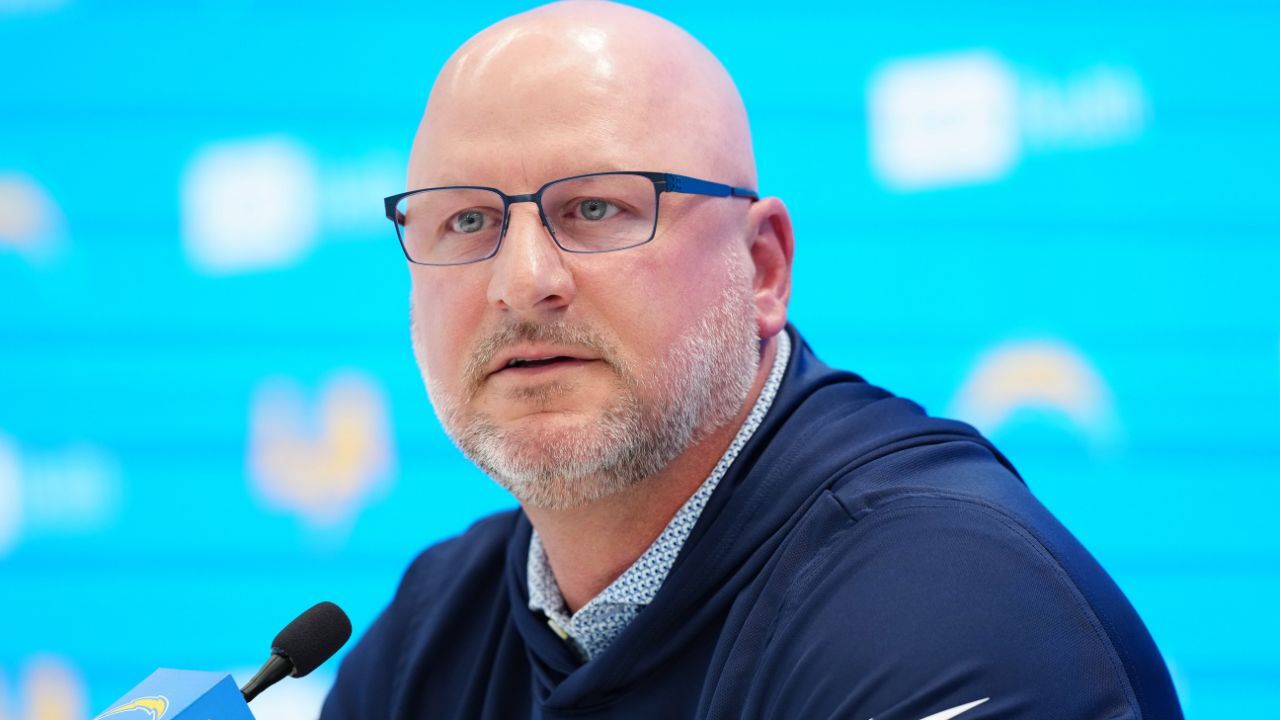
In 2024, Los Angeles named Joe Hortiz the team’s general manager. While he had success as Director of Player Personnel with the Baltimore Ravens from 2019 to 2023, he hasn’t had the same level of success with the Chargers. Since becoming the general manager, he has struggled to build a competitive offense around Herbert, with questionable draft selections.
The first two draft selections under Hortiz have been solid, selecting Joe Alt fifth overall and Ladd McConkey 34th overall in 2024. He followed up that draft by selecting Omarion Hampton and Tre Harris in the first two rounds in 2025. Then, in the previous draft, he grabbed Joe Slaughter in the second round. Outside of these five players, no other offensive draft pick has become a consistent starter since Hortiz became general manager, demonstrating the limited depth he has added to the team.
Los Angeles’ offensive line has been one of the biggest flaws on the team. While it is solid on the outside, with Alt and Rashawn Slater, it needs improvement in the interior. Herbert faces pressure on 24.5% of his dropbacks, which is the seventh-highest in the league. Throughout this season, their current IOL of Slaughter, Cole Strange, and Logan Taylor combine for four sacks and 32 pressures allowed.
Hortiz has also had struggles with acquiring receiving targets for Herbert. Under Hortiz’s leadership, the team has only had one receiver that went on to have a 1,000-yard season (McConkey in 2024). The current WRs on the Chargers have had issues with catching passes, as Herbert’s 7.8 drop rate is the highest in the league. Los Angeles WRs are producing very little so far this season, as not one of them has recorded over 300 receiving yards yet.
Considering the Chargers are currently sitting at 0-7, many would imagine that the organization would look to trade away players to acquire draft capital with the deadline approaching. To date, Hortiz hasn’t finalized any trades, as he is reportedly unwilling to do so. Rather than make moves to improve the team for the future, he seems content with the roster. This hesitancy within the front office showcases another example of Los Angeles’ inability to put Herbert in a situation to succeed.
End Of My Justin Herbert Rant
Herbert’s individual play deserves criticism, as he is ultimately responsible for his decisions on the field. Nevertheless, evaluating his on-field struggles without addressing his situation overlooks a significant part of the problem. McDaniel’s handling of the offensive playcalling and Hortiz’s roster management have been major factors in Herbert’s statistical decline. While there are several factors to the Chargers’ poor start to the season, the coaching and front office missteps are wasting pivotal years of their franchise QB’s career.
