
The SEC’s crackdown on former professional athletes lasted less than 48 hours before a courtroom put a dent in it.
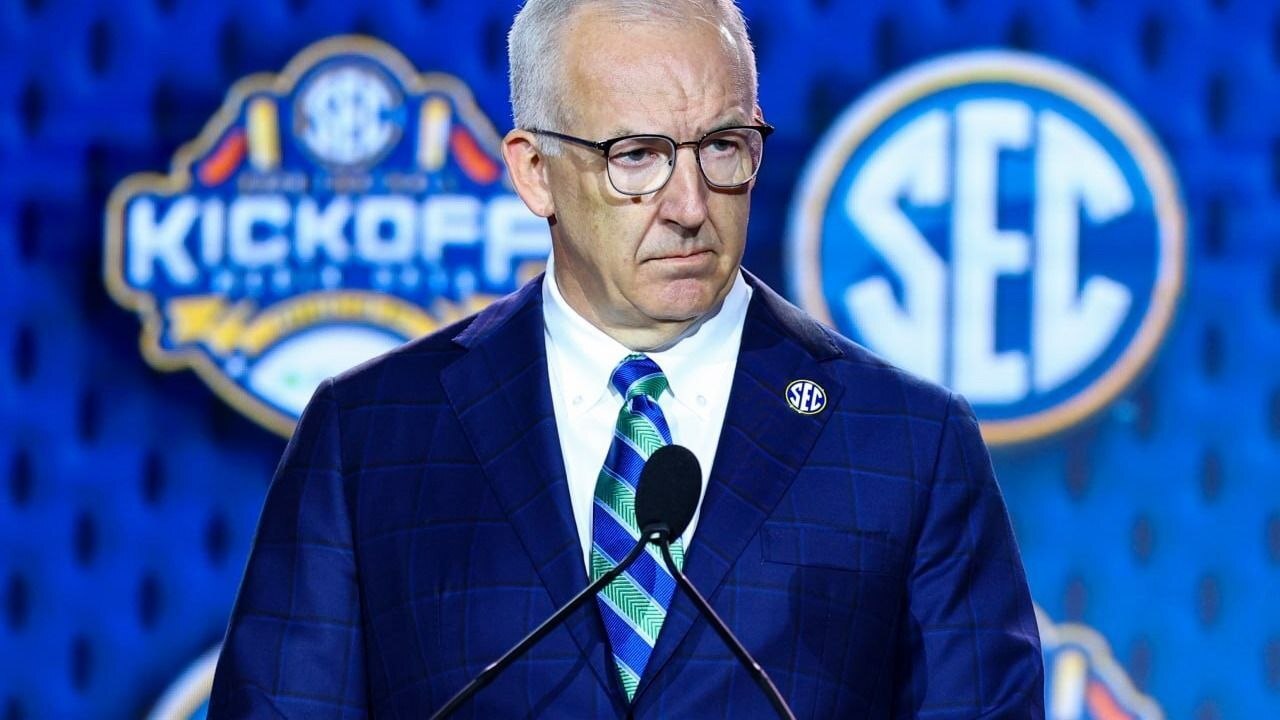
On Thursday, a Dallas County judge signed a temporary restraining order preventing the NCAA, the SEC and commissioner Greg Sankey from blocking 41 athletes from returning to college sports this fall. It’s a stinging, immediate reversal for a conference that had just spent the week building one of the most aggressive eligibility policies in recent memory.
If you were reading Stadium Rant yesterday, you already know how we got here.
Earlier this week, the SEC voted unanimously to bar athletes from returning to college if they’d declared for a professional draft and didn’t withdraw, signed a professional contract, or appeared on a professional roster. A day later, 15 of the 16 conference schools went further, approving penalties for any program that dared to field one of those players anyway — a half-season suspension for the head coach, a fine equal to 50% of that sport’s annual operating budget, and a loss of the school’s conference voting rights. LSU was the only school that abstained.
It was, by any measure, a show of force. The SEC wasn’t just setting a rule; it was building a wall around it so tall that no rational athletic director would even think about testing it.
That wall didn’t last a week.
Judge Martin Hoffman’s order is narrow but pointed. It says the NCAA, the SEC and Sankey cannot use transfer-portal rules or a player’s time on a professional roster as grounds to block any of the 41 plaintiffs from playing this season. If any of those parties want to keep a specific player out for some other reason, they now have to come back to court and make that case in front of a judge.
Hoffman’s own words cut right to the heart of the dispute: as long as a player would have been eligible to keep playing college sports the following semester under a hypothetical fifth year of eligibility, that player is eligible today.
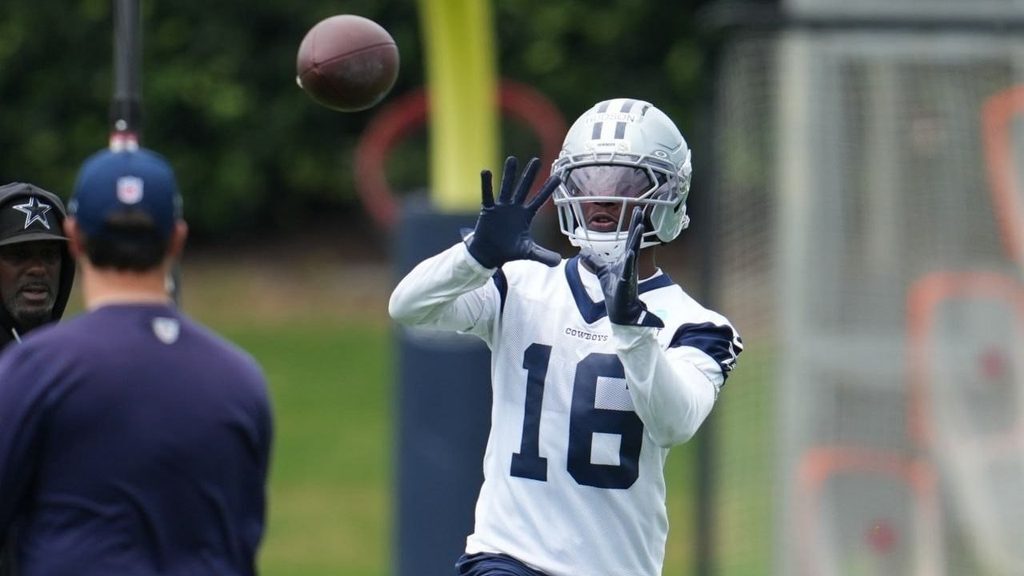
This isn’t some fringe group of walk-ons hoping for one more shot, either. The plaintiff list includes three players currently on active NFL rosters — Cowboys receiver Jordan Hudson, and Chiefs teammates Wesley Bissainthe and Omari Evans — along with two athletes who signed WNBA contracts this year, Golden State’s Bailey Maupin and Washington’s Christeen Iwuala. None of them has played a regular-season NFL or WNBA snap. That detail matters, because it’s exactly the kind of gray area the SEC’s rule was trying to eliminate.

Here’s the part of this story that should actually worry the conference: the plaintiffs’ attorney, Ryan Downton, argued directly that the severity of the SEC’s punishment was the problem, not just the underlying ban itself. His logic is hard to poke holes in. When the penalty for signing a protected player is a half-season coaching suspension and a fine equal to half a program’s budget, no athletic director in the country is going to touch that player — court order or not.
In other words, the SEC didn’t just risk losing this legal fight. It built a punishment so extreme that it may have functioned as its own admission that the conference knew exactly how coercive the rule needed to be to actually work.
That’s a rough position to be in front of a judge.
It’s worth remembering that the SEC wasn’t out here alone. The Big Ten, Big 12 and Atlantic Coast Conference all announced similar bans on returning professional athletes in the days leading up to this ruling. The SEC just happened to be the one that got hit first and hardest.
This entire mess traces back to the NCAA’s Division I board of directors voting in June to keep a specific group of athletes out of a new five-year eligibility window, reasoning that letting them return would take opportunities away from incoming freshmen. More than 100 athletes have since joined lawsuits challenging that decision, and temporary restraining orders have become almost routine in several of those cases.
To be fair to the NCAA, it hasn’t lost every round. The organization has successfully appealed and overturned restraining orders in three separate cases over the past week alone. So this fight is far from settled — Thursday’s ruling is a temporary block, not a permanent victory, and a further hearing is already on the calendar for September 11.
The SEC clearly wanted to send a message with this rule, and it did — just not the one it intended. Instead of establishing a clean, defensible eligibility standard, the conference built something so punitive that it invited exactly the kind of legal challenge now sitting in front of Judge Hoffman.
There’s a real, legitimate conversation to be had about whether athletes who’ve already cashed an NFL or WNBA paycheck should be taking roster spots from 18-year-old freshmen. That’s not a crazy position. But writing a rule with penalties this severe, this fast, and rolling it out unanimously across 15 schools in a single week reads less like careful policy and more like a conference trying to slam a door shut before anyone could challenge it.
Somebody challenged it anyway. And for now, the door’s back open.
This story isn’t close to finished. Three other major conferences are watching how this plays out in Dallas, the NCAA still has a real shot at getting these orders overturned on appeal, and the September 11 hearing will decide whether Thursday’s ruling holds up or gets erased just as fast as it arrived.
For 41 athletes, though, Thursday bought something they didn’t have on Wednesday: a chance to actually suit up this fall.
Whether that chance survives the next three weeks is anyone’s guess.
