
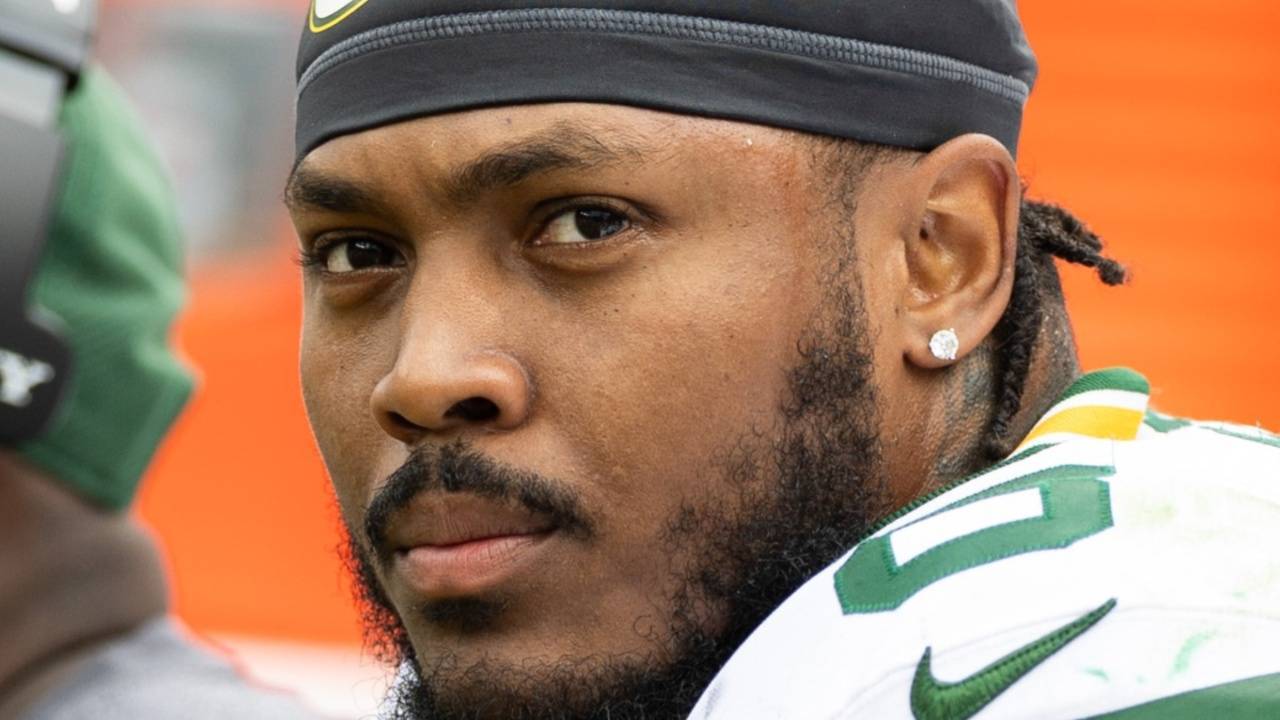
The Josh Jacobs allegations now under NFL review include accounts from three additional women describing alleged abuse in 2021 and 2022. League spokesman Brian McCarthy confirmed on October 31, 2026, that the investigation would include those accounts. The Green Bay Packers running back already has a misdemeanor battery conviction from a separate May 2026 incident.
According to the reported league response, Jacobs remained eligible to play as of October 31. Green Bay’s starting running back therefore awaits the outcome of an investigation that remained open after his return. The crucial distinction concerns what investigators establish about each incident and how any resulting sanction accounts for his six games on paid leave.
What The Josh Jacobs Allegations Describe

NBC 26 obtained redacted police records the Hobart/Lawrence Police Department released October 30, 2026, following public records requests. The additional women contacted investigators in June and July about alleged incidents from years earlier. The allegations had already reached investigators months before their release.
A woman describing a January 2022 incident alleged that Jacobs slapped her, grabbed her hair, pinned her down, and threw her onto the floor. The account also included allegations that he took her phone and spat on her. According to NBC 26, the woman initially remained friends with Jacobs and had not reported the incident.
Another woman described an April 2021 argument during which Jacobs allegedly grabbed her arms, pushed her against a wall, and threw belongings outside. Investigators obtained records from the police department that responded at the time. Records from the responding department documented no visible injuries, bruising, or damage consistent with a physical altercation.
A third woman alleged that Jacobs dragged her, scratched her chest, and took her phone during a May 2022 confrontation. According to WBAY’s reporting, she provided photographs of reported injuries, although those photographs were excluded from the release. NBC 26 reported that she attributed her initial silence to fear of deportation after an alleged warning from Jacobs.
The Conviction And The Additional Allegations Have Different Legal Status

The Wisconsin case concerned a May 23, 2026, incident at Jacobs’ home and his arrest three days later. On September 10, Jacobs entered a no-contest plea to misdemeanor battery and criminal damage to property. The court convicted him of battery and imposed a $1,000 fine plus costs.
The court accepted a deferred judgment agreement on the criminal damage count, allowing dismissal after 12 months if Jacobs satisfies its conditions. Requirements include counseling, supervision, restitution, no contact with the victim, and no further criminal acts. According to ABC News, Jacobs confirmed during the hearing that the criminal complaint’s probable cause account was accurate.
Jacobs’ attorneys disputed the additional accounts in an October 31 statement, describing them as uncorroborated allegations known to prosecutors for months. The defense said prosecutors reviewed the allegations and pursued only the two Wisconsin misdemeanors. Counsel also said Jacobs continues honoring his agreement. The charging assessment comes from counsel’s statement, rather than a separately obtained explanation from prosecutors about the additional accounts.
How The Josh Jacobs Allegations Enter The NFL Disciplinary Process

The NFL identified its personal conduct policy as the basis for the review in its October 16 announcement. Article 46 of the collective bargaining agreement places the burden of establishing a violation on the league. A jointly selected disciplinary officer initially determines whether a violation occurred and what discipline, if any, should follow.
Paid leave on the Commissioner’s Exempt List differs from a disciplinary suspension because the player continues receiving salary. Article 46 credits games missed on that list against a suspension ultimately imposed in the matter. Repayment applies to salary for the credited games, capped at the length of the suspension.
For example, a four-game sanction credited entirely to paid leave would require four games’ salary back, rather than repayment for all six absences. A suspension longer than six games, with all six absences credited, could require additional missed games and the applicable salary repayment. The eventual suspension length and credited games would determine whether Jacobs misses additional time.
The league removed Jacobs from the exempt list October 19, as detailed in the reported league statement. An eventual disciplinary determination would also carry appeal rights for either side under Article 46. The commissioner or his designee hears that appeal, with the disciplinary officer’s factual findings binding under the agreement.
Earlier Team Support And The Video Dispute

Before the additional accounts became public, head coach Matt LaFleur discussed Jacobs’ return in October 21 remarks carried by the team website. LaFleur said he considered Jacobs extremely remorseful and believed in second chances. NBC Sports reported no comment from the Packers on the morning of October 31.
The October 30 records release excluded garage surveillance footage depicting the May incident. Reporting on the public access dispute shows that Jacobs and the woman involved filed separate actions seeking restrictions. The woman’s request focused on video and identifying information, while Jacobs sought broader protection of the records.
The competing requests make victim privacy part of the disclosure dispute, rather than a concern belonging only to the player. Public access and protection of identifying information both deserve consideration when describing why the footage remains unavailable. An eventual league explanation can address its findings without requiring the public circulation of a woman’s private experience.
End Of My Josh Jacobs Allegations Rant
The Josh Jacobs allegations require an explanation of which conduct the NFL establishes, what evidence supports its findings, and how discipline follows. Green Bay’s ability to field its running back cannot answer those questions. The additional accounts deserve individual assessment rather than being treated collectively as either proven misconduct or irrelevant history.
The Packers and their audience should receive more than a suspension length detached from its underlying findings. A credible explanation would distinguish the May conviction from the disputed accounts and specify credited games and financial consequences. A decision imposing no further discipline deserves an equally clear evidentiary explanation, with identifying information protected throughout.
