
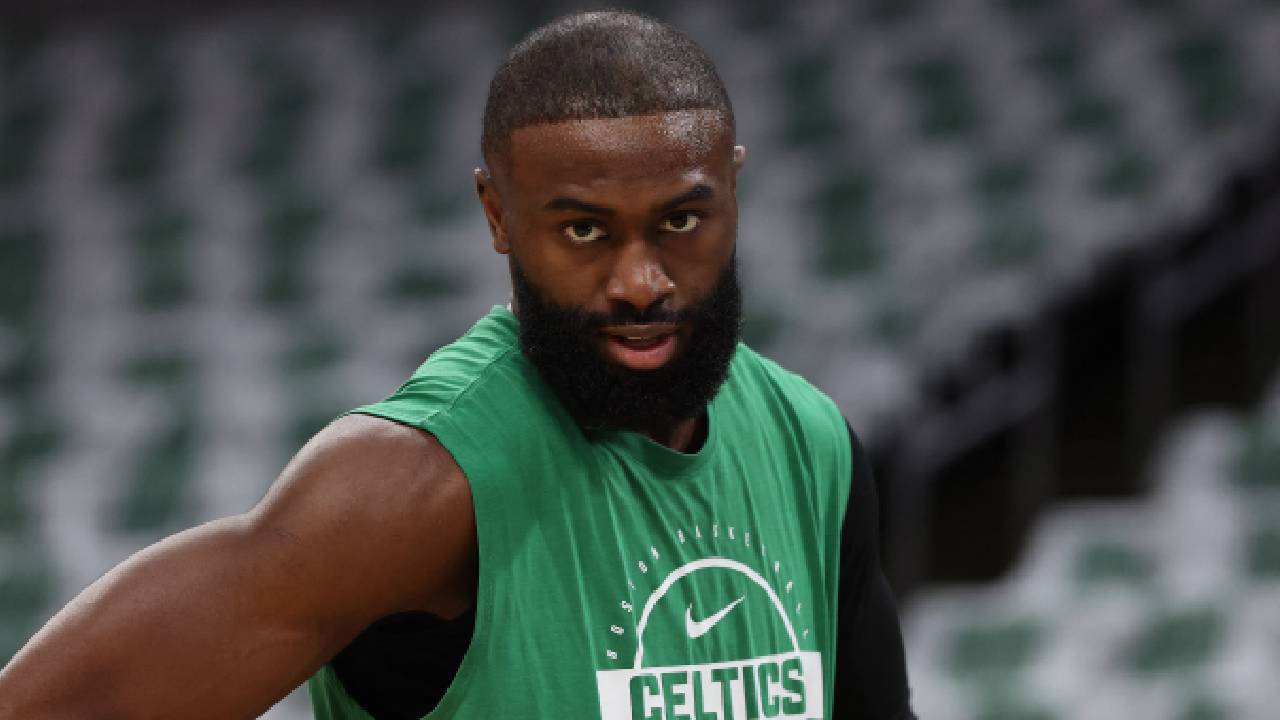
Jaylen Brown top five Celtic: Lonzo Ball delivered one of the loudest Boston Celtics takes of the year. He said Brown belongs among the franchise’s five greatest players and could “fry” Larry Bird. The recent Ball comments became even more interesting after Brown’s 10-season Celtics career ended with an offseason trade to the Philadelphia 76ers.
Brown absolutely deserves to be remembered as a Celtics great. His Boston résumé includes a championship, 2024 NBA Finals MVP, Eastern Conference Finals MVP, five All-Star selections, and two All-NBA honors. Calling Brown a top-five Celtic, though, is still premature.
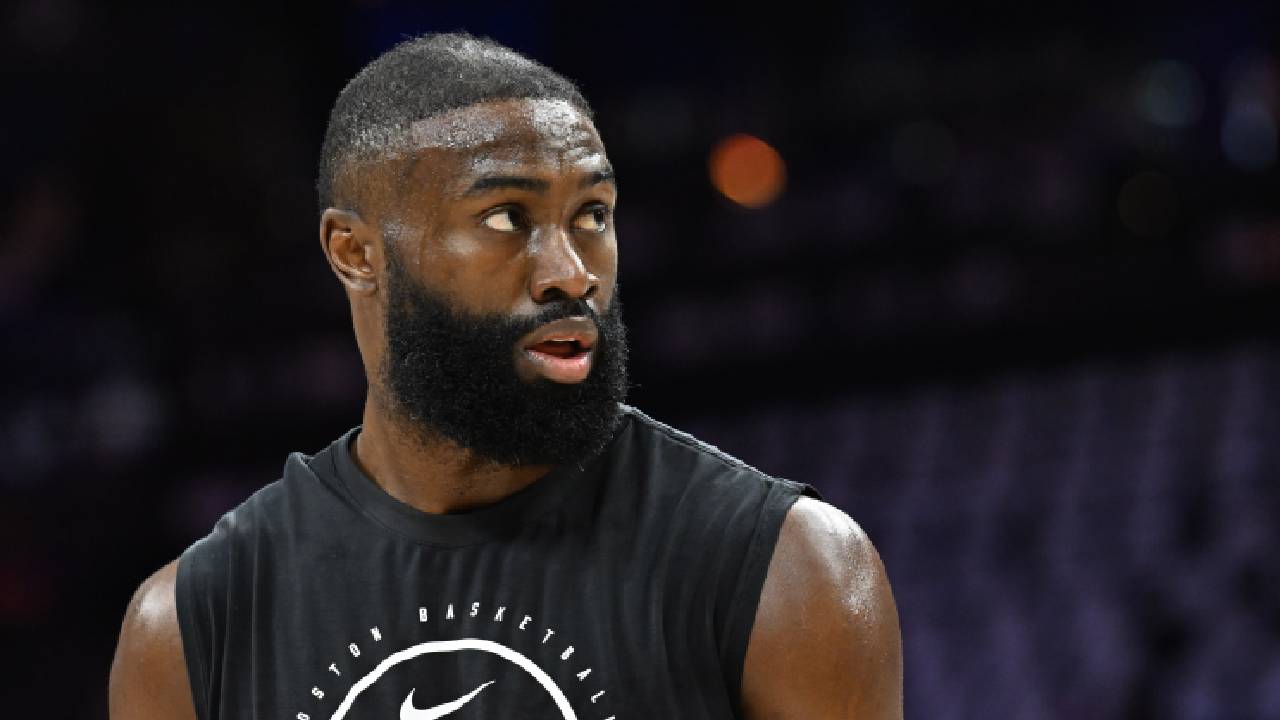
No, Brown is not a top-five Celtic. My ranking places him at number nine in franchise history. I weigh championships, individual awards, peak performance, longevity, and franchise impact rather than leaning on any single résumé category. Bill Russell, Larry Bird, John Havlicek, Paul Pierce, and Kevin McHale have stronger overall cases through that framework.
Russell won 11 championships and five MVP awards. Bird won three championships, three MVP awards, two Finals MVPs, and earned nine All-NBA First Team selections. Havlicek won eight championships, made 13 All-Star teams, and earned 11 All-NBA selections.
Pierce spent nearly 15 seasons as Boston’s centerpiece, won the 2008 championship and Finals MVP, and made 10 All-Star teams. McHale won three championships, made seven All-Star teams, earned six All-NBA selections, and spent his entire 13-year NBA career in green. That is the standard Brown has to overcome.
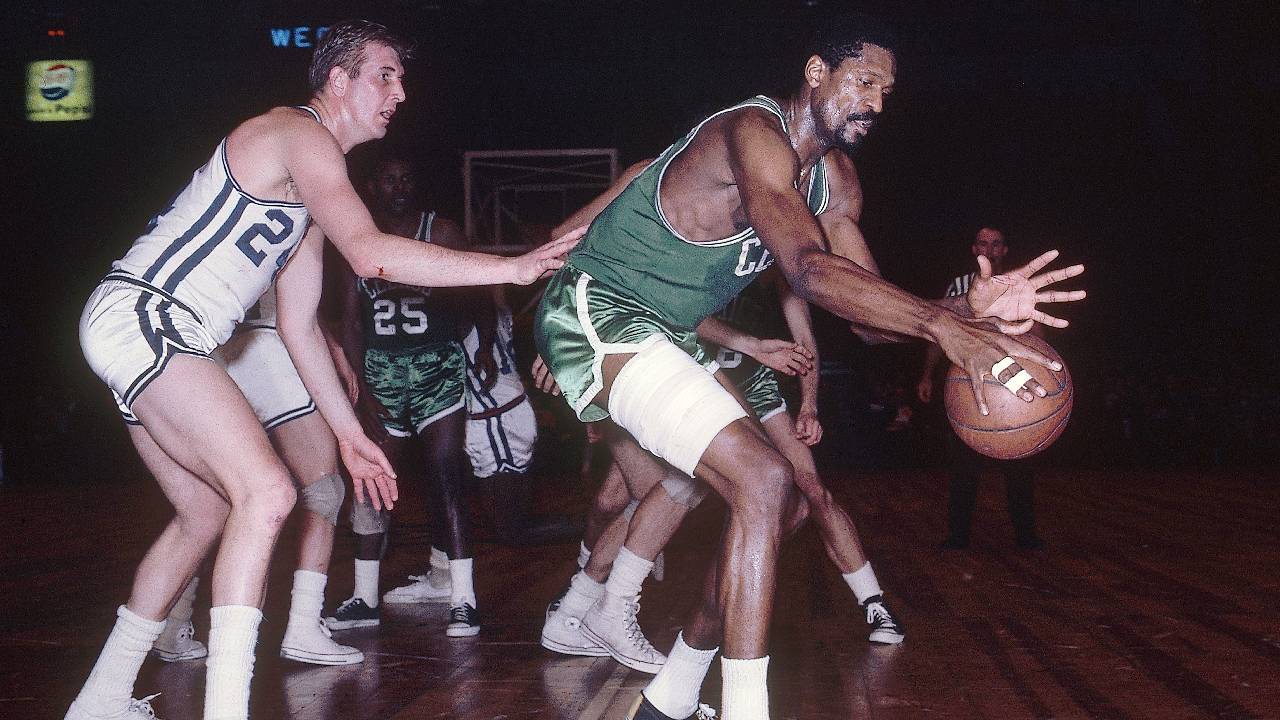
Brown lands at number nine behind Russell, Bird, Havlicek, Pierce, McHale, Robert Parish, Bob Cousy, and Dave Cowens. Parish spent 14 seasons in Boston and served as a central figure on three championship teams. His durability, interior defense, longevity, and nine All-Star selections give him an edge over Brown’s shorter Celtics tenure.
Cousy was the franchise’s original superstar guard. The six-time champion won the 1957 MVP award, made 13 straight All-Star teams, and helped establish Boston as a championship organization before Russell became its defining force.
Cowens won two titles, captured the 1973 MVP award, made eight All-Star teams, and delivered an elite two-way prime during the 1970s. His MVP separates him from Brown, whose individual peak was exceptional but never reached that league-wide recognition.
Brown earns the number nine spot because his 2024 championship run and decade of two-way production give him a stronger overall case than the next tier. Sam Jones and Kevin Garnett remain completely fair choices in that debate.
Jones won 10 championships, but Brown’s much larger individual role and Finals MVP give him a reasonable edge in a player-value ranking. Garnett’s Boston peak was elite and ended with a championship, but he played only six seasons with the franchise.
Brown’s strongest argument for climbing higher comes from the 2024 championship run. He averaged 23.9 points, 5.9 rebounds, 3.3 assists, and 1.2 steals during that postseason while shooting 51.6 percent from the field. The 2024 playoff run ended with the Celtics going 16-3, while Brown won both Eastern Conference Finals MVP and NBA Finals MVP.
The issue is that Brown does not own the same combination of longevity and sustained individual recognition as the players ahead of him. Five All-Star selections and two All-NBA teams are impressive. They simply do not outweigh the deeper résumés of Boston’s most accomplished icons.
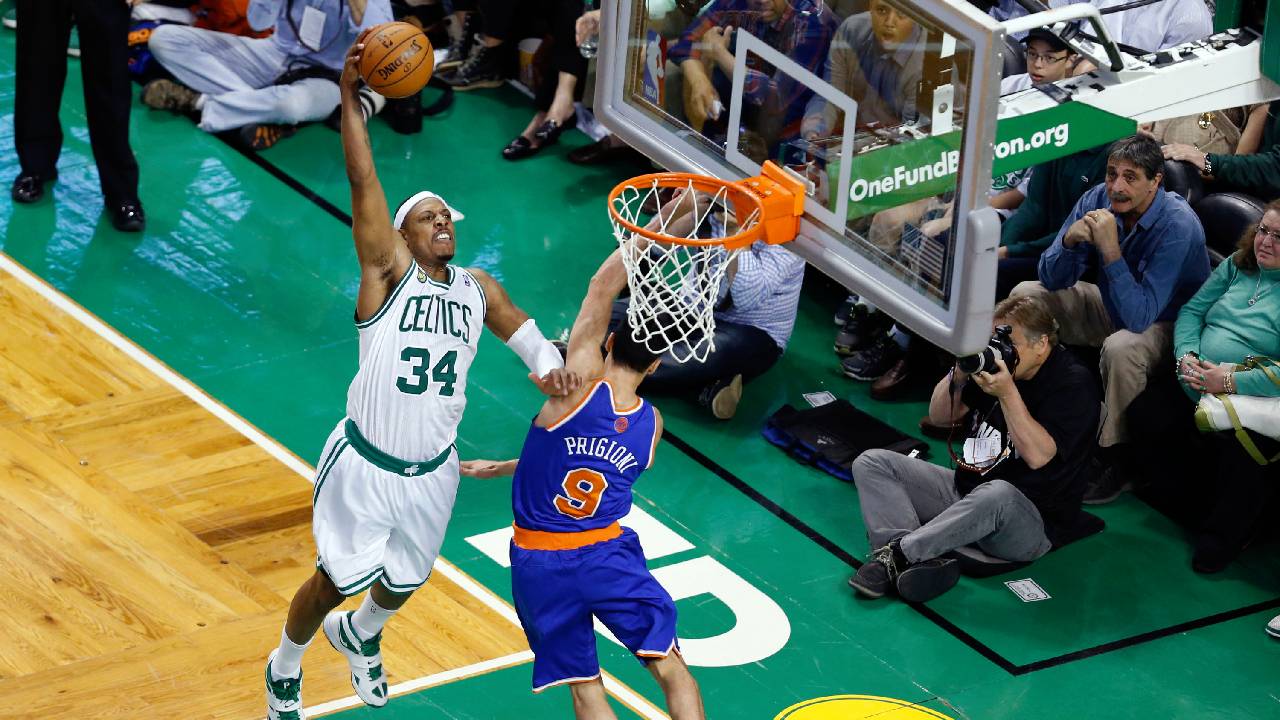
The cleanest way to judge Brown against Celtics legends is through four categories: peak dominance, individual accolades, longevity, and team success. Brown has a strong case in two of those categories.
Brown’s peak is legitimate. Winning Finals MVP during a championship season is one of the best accomplishments a player can put on a résumé. His team success is meaningful, too, because he reached the playoffs in nine of his 10 Celtics seasons and helped the franchise win Banner 18. Longevity and individual awards create the separation.
Russell’s 11 championships are essentially untouchable. Bird’s three MVPs represent a level of dominance Brown never attained. Havlicek paired eight championships with 13 All-Star appearances and 11 All-NBA nods.
Pierce’s nearly 15 seasons as Boston’s leading star give him a major longevity advantage. McHale and Parish were foundational pieces of three championship teams, while Cousy and Cowens each won MVP awards as the faces of Celtics contenders.
The Havlicek legacy demonstrates the sustained success Brown would have needed to reach Boston’s inner circle. Brown’s 2024 playoff dominance makes the debate worth having. It does not erase a decade or more of additional production and honors from the legends ahead of him.
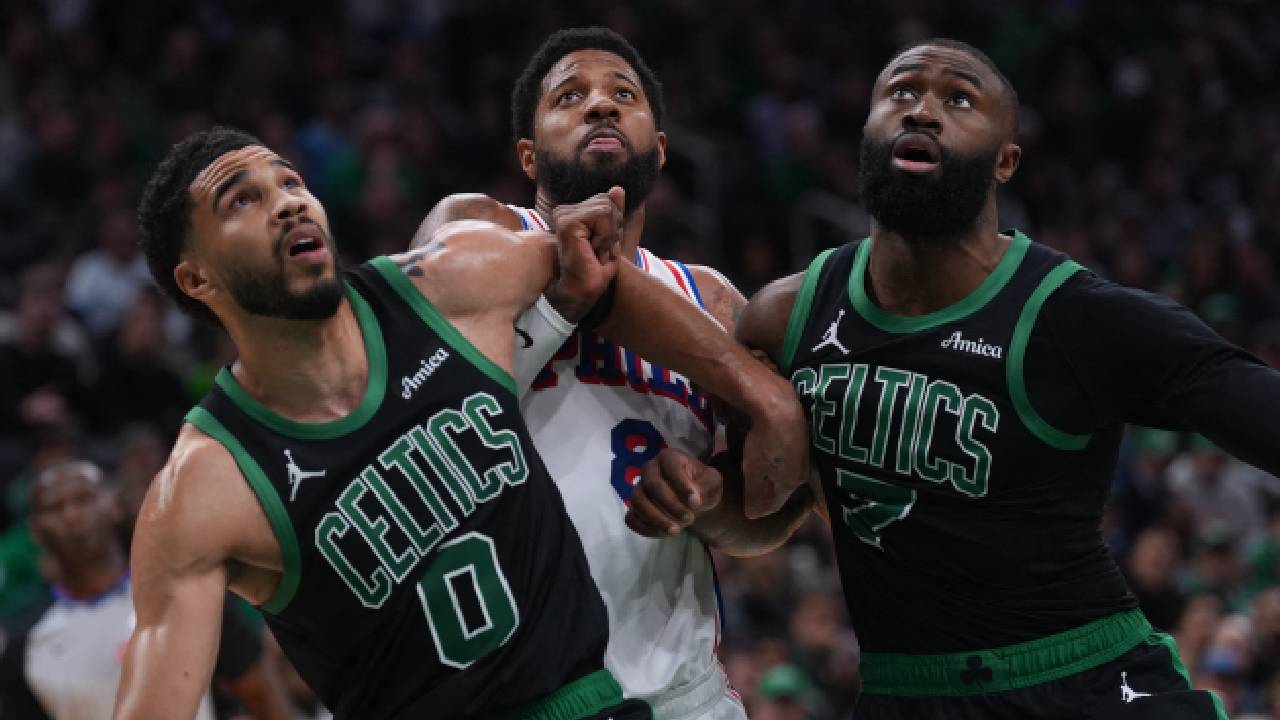
Ball’s claim that Brown is better than Jayson Tatum is a separate debate. It is also considerably closer than the top-five Celtics argument. Brown owns the biggest individual award from Boston’s 2024 title run. He averaged 20.8 points, 5.4 rebounds, and 5.0 assists against the Dallas Mavericks while taking on major defensive responsibilities.
Tatum, however, built the stronger overall Celtics résumé. He earned six All-Star selections and five All-NBA selections, compared with Brown’s five and two. Tatum also functioned as Boston’s primary offensive engine for much of their partnership, carrying more creation responsibility against loaded defenses.
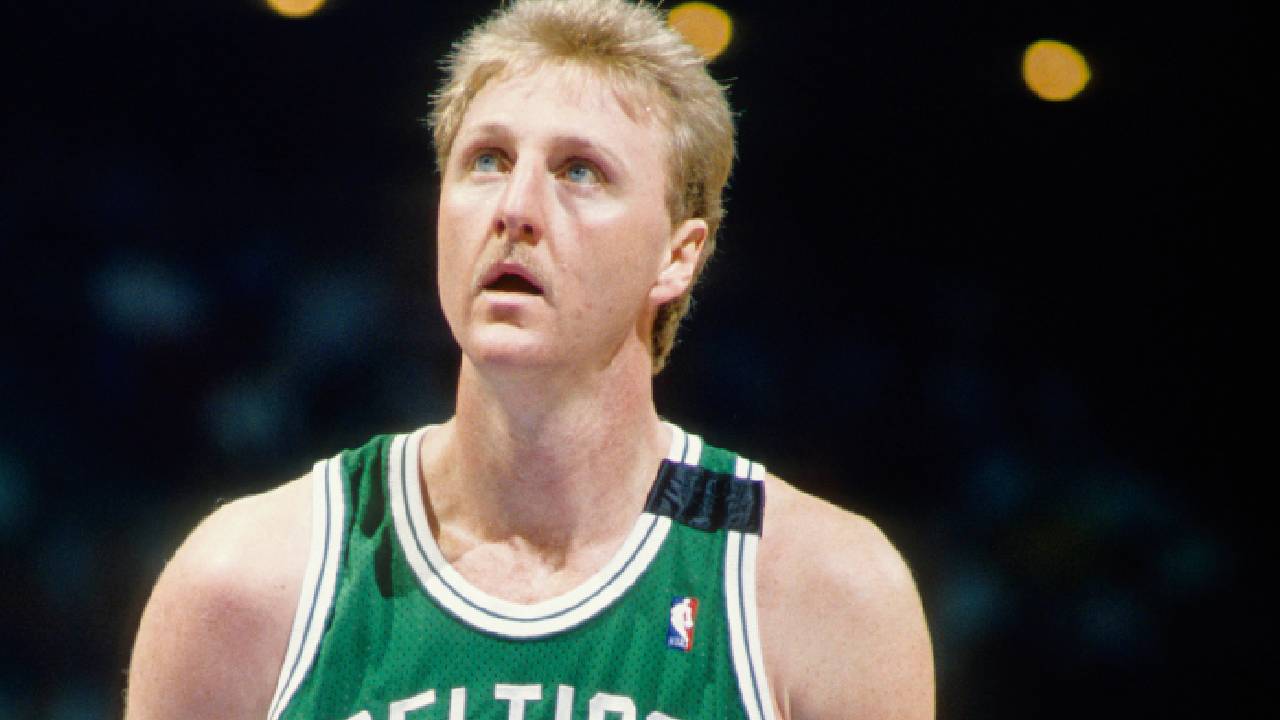
Ball’s Bird comparison is where the argument becomes nearly impossible to defend. Brown is bigger, faster, and more athletic than Bird. Those physical advantages would absolutely matter in a present-day one-on-one setting. The real conversation, however, is not about a hypothetical matchup. It is about Celtics greatness.
Bird was a three-time MVP, three-time champion, two-time Finals MVP, and nine-time All-NBA First Team selection. He won three consecutive MVP awards from 1984 through 1986, then led Boston to three championships during that decade. Brown’s athleticism does not close that historical gap.
Bird remains one of the greatest scorers, passers, rebounders, clutch performers, and basketball thinkers in NBA history. His ability to manipulate defenses, create passing angles, and make difficult shots would translate to any era.
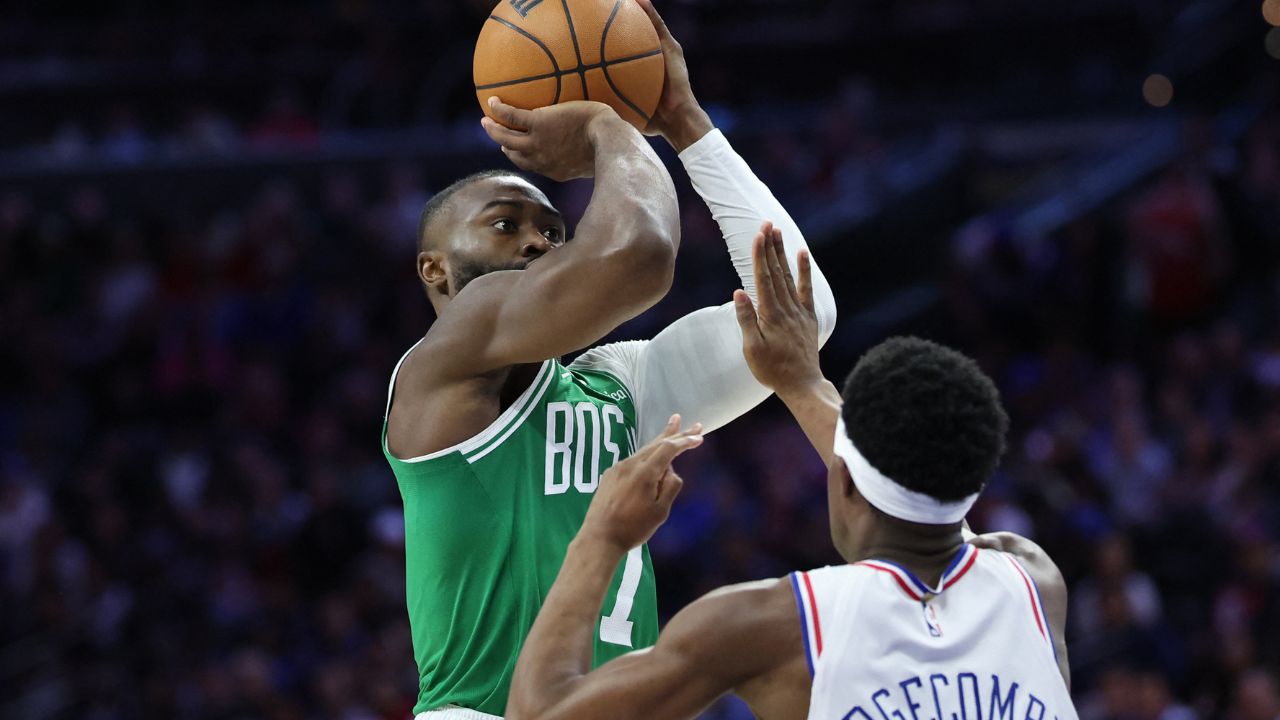
Brown’s final season with the Celtics gave his legacy another major boost. With Tatum missing most of 2025-26, Brown proved he could function as a team’s primary offensive star rather than simply thrive next to another elite scorer. He averaged career highs of 28.7 points, 6.9 rebounds, and 5.1 assists across 71 games, earned All-NBA Second Team honors, and finished sixth in MVP voting.
Last season showed that Brown was not merely a talented complementary player. He became a championship-winning star, captured Finals MVP, and later carried a massive offensive workload as Boston’s top option. A few more seasons at that level in Boston could have transformed the debate. Instead, Brown’s departure froze his Celtics résumé at 10 seasons.
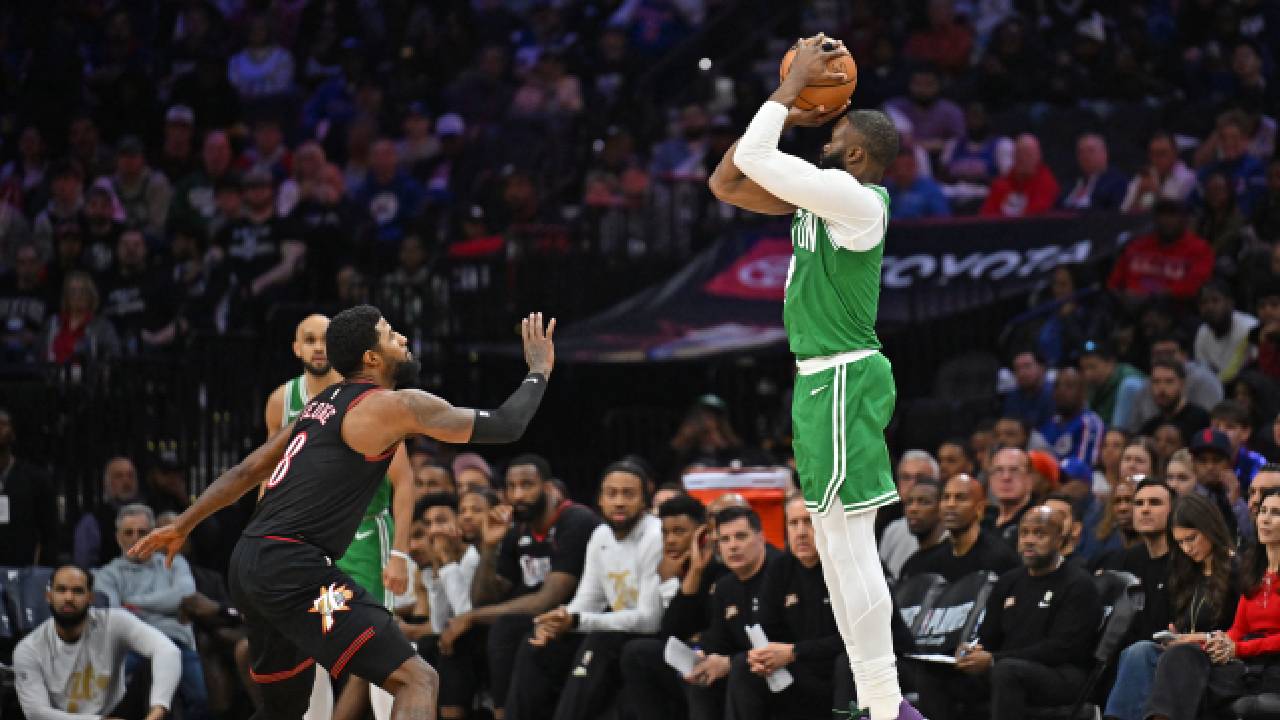
Brown does not need a top-five ranking to own an extraordinary Celtics legacy. He went from the number three overall pick to a five-time All-Star, two-time All-NBA player, conference finals MVP, Finals MVP, and NBA champion. He reached the postseason nine times in 10 seasons and helped Boston win its first championship of the 2020s.
Number nine on a Celtics list is not an insult. It is a reminder of how many historically great players wore the uniform. Their legacy includes a rare collection of championship teams, MVPs, Hall of Famers, and era-defining stars. Brown belongs among that group. He simply does not belong above the five players with the strongest overall mixture of individual dominance, longevity, and postseason success.
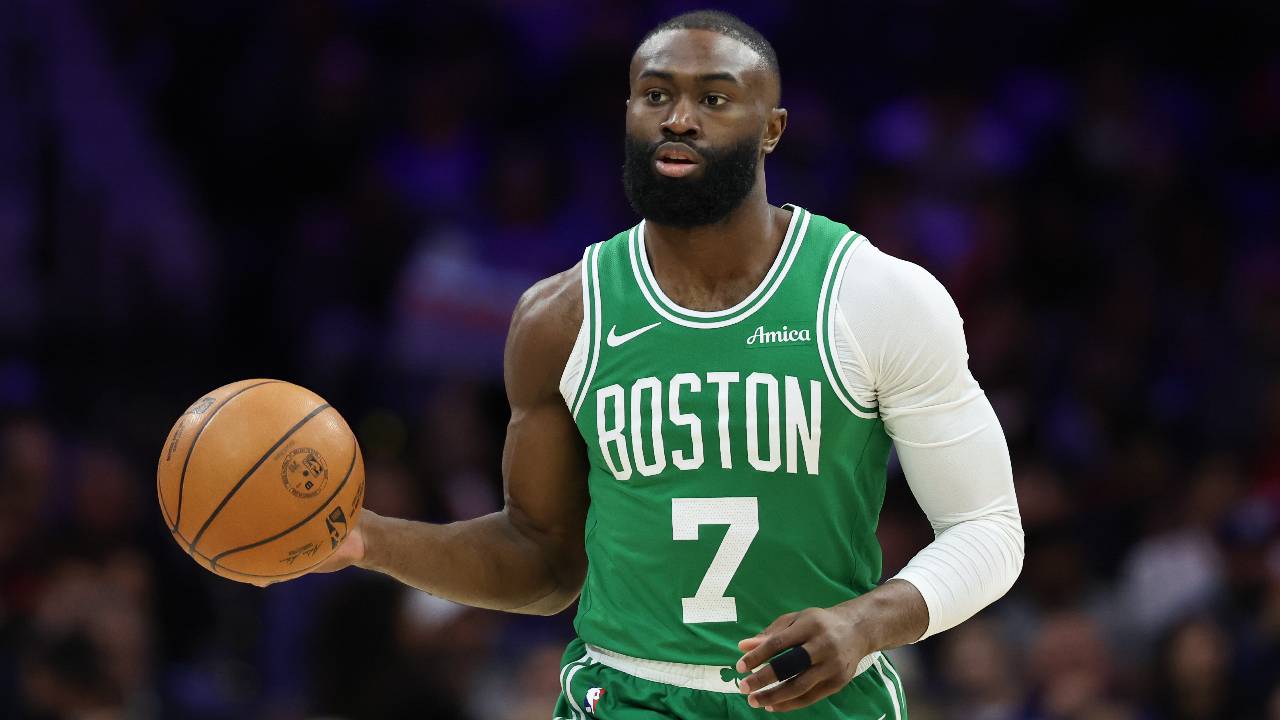
A legitimate case exists for the Celtics to retire Brown’s No. 7. Ten seasons, a championship, Finals MVP, five All-Star appearances, and a central role in one of Boston’s best modern teams make that honor defensible.
Retiring a number, however, is not the same as ranking a player among the franchise’s five greatest. Brown can receive that recognition without surpassing Russell, Bird, Havlicek, Pierce, and McHale.
What’s your take? Post it in our free sports community at stadiumrant.app, or download Stadium Rant on the App Store.
Ball deserves credit for making the conversation interesting. Brown built an outstanding Celtics résumé and secured a permanent spot in the franchise’s modern history. The Jaylen Brown top-five Celtics argument still goes too far.
Brown is my number nine Celtic of all time. His championship leadership, Finals MVP, postseason résumé, and 10-year tenure give him the edge over the next group of candidates, even if Jones and Garnett remain defensible alternatives. Russell, Bird, Havlicek, Pierce, and McHale have stronger overall cases. Parish, Cousy, and Cowens also own historical advantages that Brown has not yet overcome.
Brown’s final Celtics season revealed a higher individual ceiling than many people expected. His career in Boston nevertheless ended after 10 seasons. Brown is far too accomplished to be remembered as anything less than a team legend, yet he did not do enough to jump the franchise’s deepest historical field. Calling him a top-five Celtic is still a wild overreaction.
