
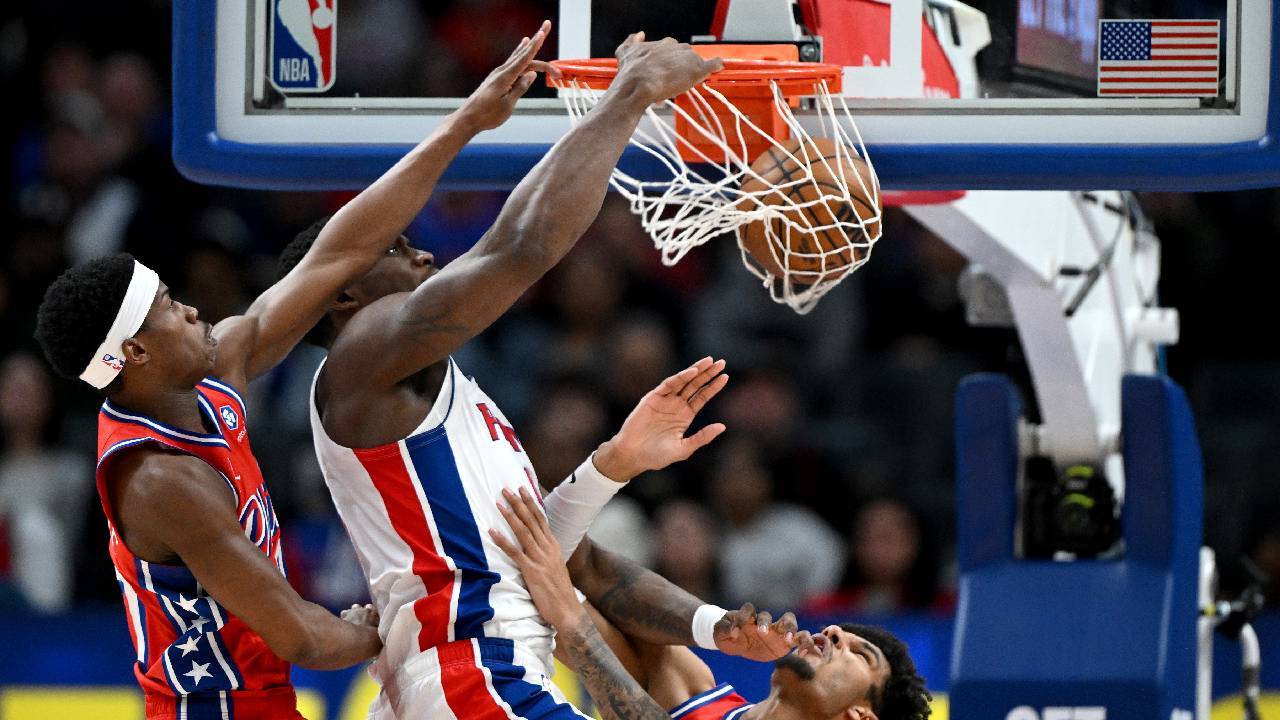
Jalen Duren Contract Extension talks are over, but the Detroit Pistons’ $200 million investment now enters its most important phase. The Pistons agreed to keep their All-NBA center on a fully guaranteed five-year deal. Reported terms include a $40 million average annual value with no team or player options.
Detroit’s official announcement confirms the extension, while public reporting supplies the financial terms. The agreement keeps Duren through the 2030-31 season. The structure gives both sides certainty after months of difficult restricted-free-agency negotiations.
The previous contract breakdown explained why the Pistons’ $200 million offer stalled before October 1. Duren could have accepted a $9.6 million qualifying offer and reached unrestricted free agency in 2027. The final agreement instead eliminates that immediate uncertainty while locking Detroit into its young center long term.
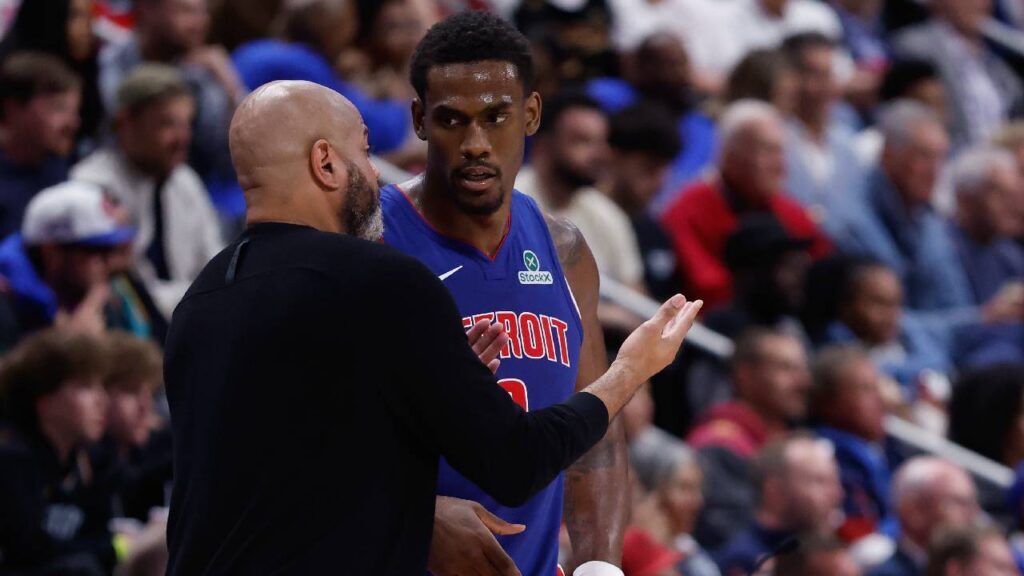
A reported weight clause became one of the most uncomfortable parts of the negotiations. The Pistons reportedly proposed monthly weight checks tied to incentives before removing the provision from its offer. Weight-clause reporting confirmed the condition was gone before Duren accepted the deal.
Duren missed media day and the beginning of training camp during the standoff. The absence underscored the seriousness of negotiations without proving that any single issue caused the delay. Removing the clause eliminated one reported source of friction before the agreement became official.
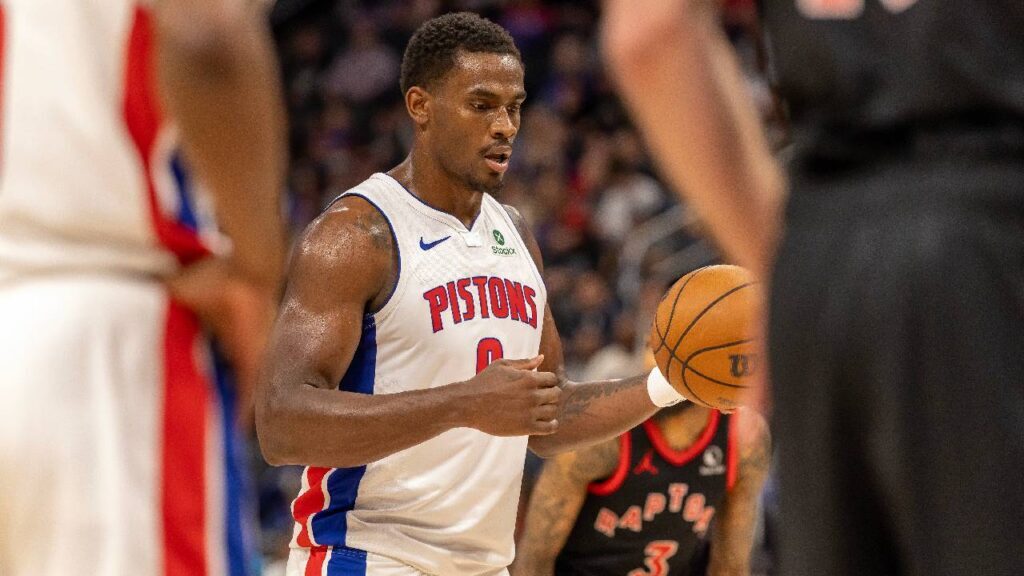
The qualifying offer carried significant financial and career consequences for Duren. A one-year, $9.6 million deal would have sent him toward unrestricted free agency in 2027 while exposing his future earnings to injury or regression. Duren instead secured five years and $200 million in guaranteed money at age 22.
Third-team All-NBA recognition made Duren eligible for a five-year, $287 million maximum extension. The $200 million agreement therefore sits $87 million below the maximum while still providing elite financial security. Detroit gained cost certainty without paying the absolute ceiling available under the league’s rules.
Associated Press reporting confirmed Duren accepted the Pistons’ offer before the qualifying-offer deadline. The agreement removes the possibility of a one-year bridge deal followed by another major negotiation. Detroit can now build its roster around Duren without an immediate contract decision looming.
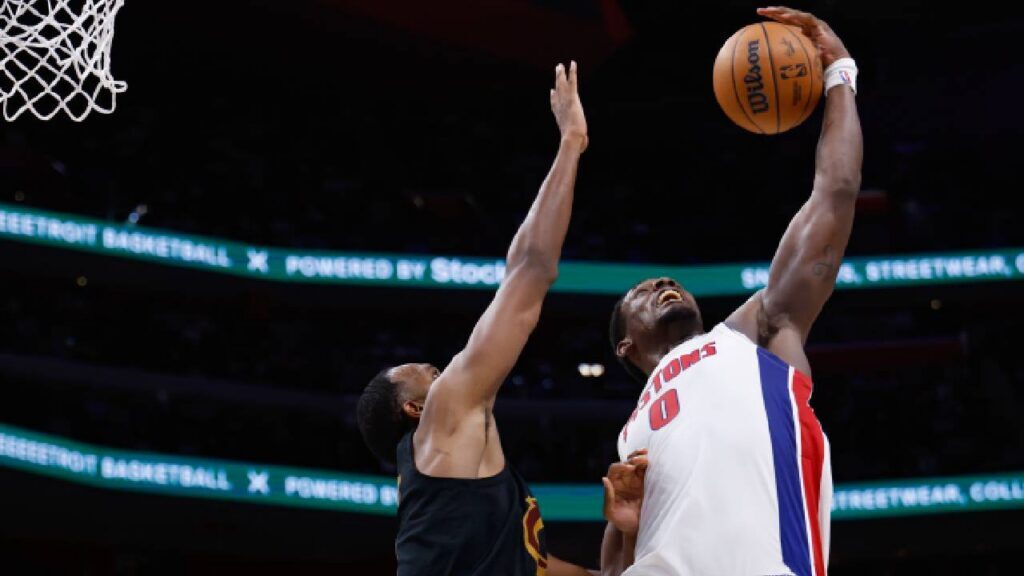
The Pistons did not pay $200 million for a finished product. Duren averaged 19.5 points, 10.5 rebounds, and 65.0% shooting across 70 regular-season games. All-Star and Third-Team All-NBA honors provided additional evidence that his offensive efficiency and rebounding justify a premium investment.
Duren also recorded at least 13 rebounds in 26 games during the regular season. That consistency established him as one of the league’s most productive young interior players. Detroit’s official statistics reinforce how frequently his rebounding translated into meaningful possession advantages.
The $40 million AAV makes the Duren contract extension one of Detroit’s biggest bets on a young player. Domantas Sabonis is scheduled for $45.5 million in 2026-27, while Rudy Gobert is set for $36.5 million. The Pistons paid $200 million for an All-NBA center, while the Houston Rockets paid $208 million for Amen Thompson without All-NBA honors.
Postseason production explains why Detroit stopped below the maximum. Duren averaged 10.2 points and 8.5 rebounds across 14 playoff games while shooting 51.4% from the field. The decline from his regular-season production identifies the clearest basketball challenge attached to the contract.
Duren posted a 108.6 defensive rating during the 2026 playoffs. The Pistons posted a 114.6 defensive rating across 247 minutes with Duren and Ausar Thompson together, compared with 99.5 when Ausar played without Duren. The gap suggests Detroit’s playoff defense needs better rim protection and positioning from its center.
Duren does not need to become a perimeter scorer to improve that weakness. Better defensive communication, positioning, screening, and foul discipline can raise his postseason value without changing his offensive identity. The Pistons need those improvements to translate against playoff offenses that can repeatedly target defensive weaknesses.
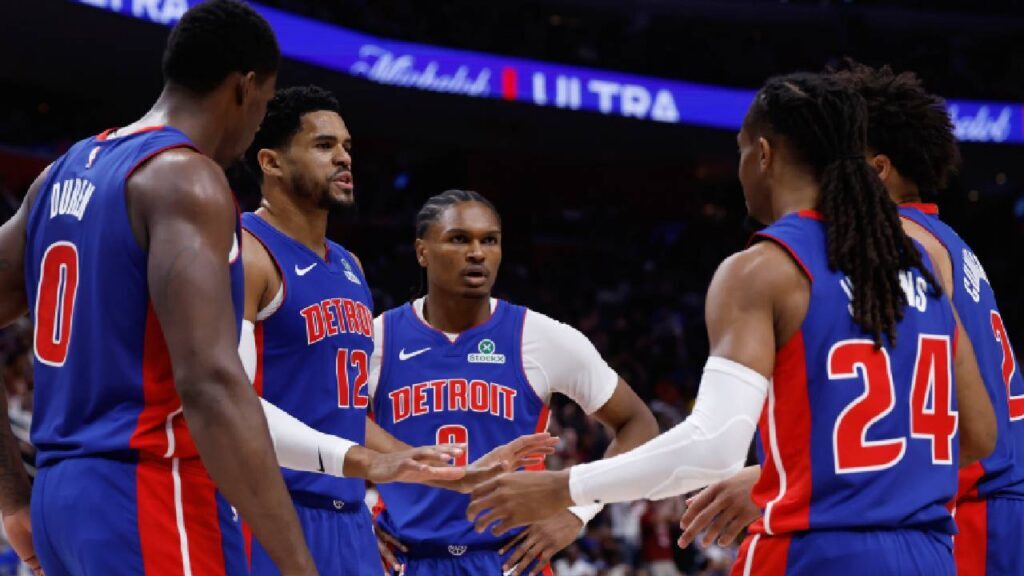
Detroit also secured Ausar on a five-year, $155 million extension. Ausar earned All-Defensive First Team honors and gives the Pistons another long-term piece alongside Duren and Cade Cunningham. Detroit’s future outlook now centers on maximizing three young players with complementary strengths.
Cunningham gives the Pistons their primary creator and late-game decision-maker. Ausar provides disruptive perimeter defense, athleticism, and transition impact. Duren supplies vertical spacing, rebounding, interior scoring, and the physical presence needed for a true frontcourt identity.
Detroit improved from 14 wins to 44 and then 60 victories across three seasons. The young core now has financial security after major extensions for Duren and Ausar. The next roster-building priority is adding shooting, lineup versatility, and playoff-ready depth around those commitments.
Trajan Langdon called Duren “a core piece of our team for years to come” in the Pistons’ official statement. Langdon also praised Duren’s growth and said the center’s best basketball remains ahead. Detroit now needs that growth to produce stronger defense and more consistent playoff offense.
The Duren contract extension terms make sense because the Pistons retained a young All-NBA center below his maximum eligibility. The $200 million agreement provides premium-center money without reaching the $287 million ceiling. Duren’s age, efficiency, and rebounding give Detroit enough upside to justify the commitment.
The long-term value of the Duren contract extension will ultimately come from his postseason development. The Pistons already know the center can deliver elite regular-season efficiency and rebounding, but the 2026 playoffs exposed concerns against stronger competition. Sustained defensive improvement and better offensive consistency would turn a calculated gamble into a long-term win for Detroit.
