
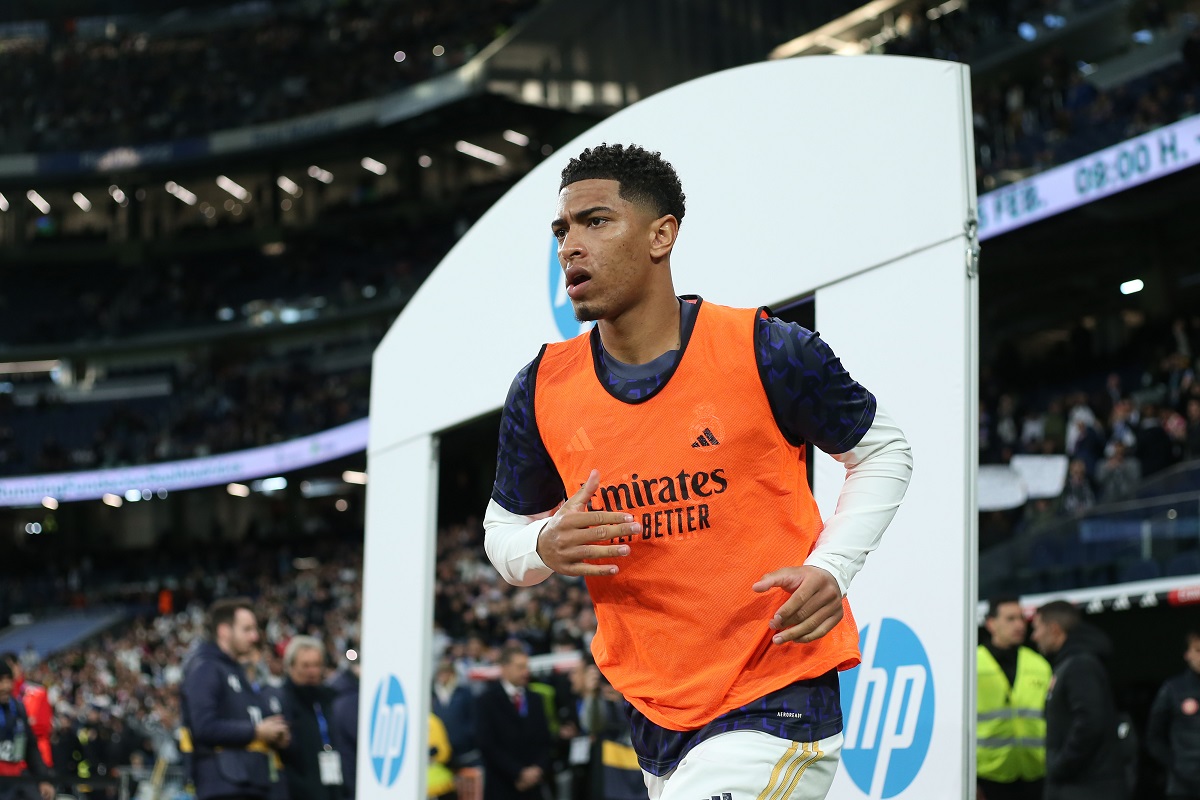
Youth has always been prevalent in soccer because of its correlation to potential. Academy systems see young boys go in at the age of 8 and hopefully, they stay until their early twenties, having played for the first team multiple times by then. “If you’re good enough, you’re old enough,” is a popular phrase often attributed to the great Matt Busby of Manchester United. This is still the prevailing wisdom.
The game’s history is littered with young talents whose stories serve to continue the tradition of football academies. Lionel Messi, Xavi Hernandez, and Andreas Iniesta all came from Barcelona’s La Masia academy. This is something Barca is extremely proud of, and the club continues to promote its academy players into the first team. This is partially for financial reasons, but it fits with the narrative of the club.
Fixation over youth is common within all sports because it can help quantify ‘potential’ in ways that are otherwise hard to measure. In soccer specifically, a youth player’s age is compared to the perceived ‘prime’ ages of 25-27. So, if a player is 17, like Yamine Lamal, and breaks through to the first team, the belief is that there’s another decade before he’s at his best.
The thinking is that a player is most physically fit in his early twenties and has a superior understanding of the game by twenty-nine. This is how the prime age of twenty-seven comes about. This age expectation seems common for many sports, but players are still feeling the weight. In the NBA, for example, load management has dominated headlines from players of all ages. The ideas of potential are sure to be questioned the longer these complaints continue.
The perception of youth, however, is about to hit a crossroads as improving sports science squares off against an increasing number of games. The Club’s World Cup inaugural tournament will bring some players’ total game tallies past seventy in a season. This is not normal, and players and coaches have spoken out against the busier schedules. The games, however, are big business and won’t easily be scrapped.
Soon after the warnings came the injuries. Ligament injuries to the top players, like Ballon d’Or winner Rodri, became more common, and this is often attributed to increased stress from the quantity of games. Years ago, images went viral of Barcelona’s then-youngster, Pedri, looking exhausted playing in seventy-three games in the 20/21 season. Pedri, now twenty-two, has suffered many injuries since then.
The rise in sports science was supposed to negate player injury and prolong careers, but instead, it has gone to show how much damage is being caused. There is so much more player information available that contributes to diet, exercise, and sleep plans, yet these are just pieces of duct tape for a breaking dam. All of the analytics and specialized treatments can’t compete with the 70+ game workload. Fans are now seeing with their eyes what numbers may have been indicating anyway.
The wear and tear on the human body within soccer was already extraordinary before the increased schedules. Teams have experienced physios to mitigate the damage, but their education most likely excludes how to treat for that many games. The impact of the schedule over several years may shed some insight into how the body reacts, and they will likely find that a player’s prime has shrunk. No matter what age, the human body can’t withstand the stress. FIFA thinks that fans will get more out of an elongated season, but it is doubtful that fans want longer seasons for shorter careers.
