

A new, year-long study funded by FIFA will investigate whether hormonal fluctuations during the menstrual cycle contribute to ACL injuries among female athletes, including those in the WNBA. Led by researchers and experts at Kingston University London, the study will monitor hormone levels such as estrogen and progesterone to explore their impact on ACL injuries. With women suffering these injuries at significantly higher rates than men, the findings could reshape injury prevention strategies across women’s sports, especially in women’s basketball.
FIFA’s newly funded study aims to explore whether hormonal fluctuations during the menstrual cycle contribute to increased ligament vulnerability. Researchers will examine the effects of estrogen, which may cause ligament laxity, and progesterone, which can impact neuromuscular control. Both of these may heighten the risk of injury at specific points in the cycle.
“We want to examine whether athletes may be more predisposed to injuries because of the functional changes in terms of their anatomy and physiology during the menstrual cycle,” Simon Augustus, senior lecturer in sport biomechanics at Kingston University London, said. “We know hormones fluctuate during different phases of the cycle but we don’t yet know how much of an influence that may have on the risk of injury.”
While ACL injuries and tears often appear unpredictable, research suggests they may be biologically linked. Female athletes are three to six times more likely to tear an ACL than male athletes, with basketball and soccer among the sports hit hardest by this disparity.
If the study confirms a link between hormones and ACL tears, then it could reshape how women’s basketball approaches injury prevention. The WNBA already invests heavily in player wellness, but this research highlights the need for even more personalized strategies that consider each athlete’s hormonal cycle.
“We know some injuries are unavoidable, but we’re attempting to help those individuals who injure their ACL outside of impact actions,” Augustus said. “Those are the ones where we might have more chance to intervene and prevent them from taking place by utilizing strength training or tweaking technique. There are so many different factors involved with ACL injuries. We are starting to research this from an individual approach and look at an athlete’s whole profile and putting protocols in place to reduce risk.”
As women’s sports continue to gain traction through leagues like Unrivaled and major brand partnerships, so does the responsibility to fund research that reflects the unique physiology of women athletes. That urgency becomes clear when so many WNBA players have suffered ACL tears. Recent notable cases include:

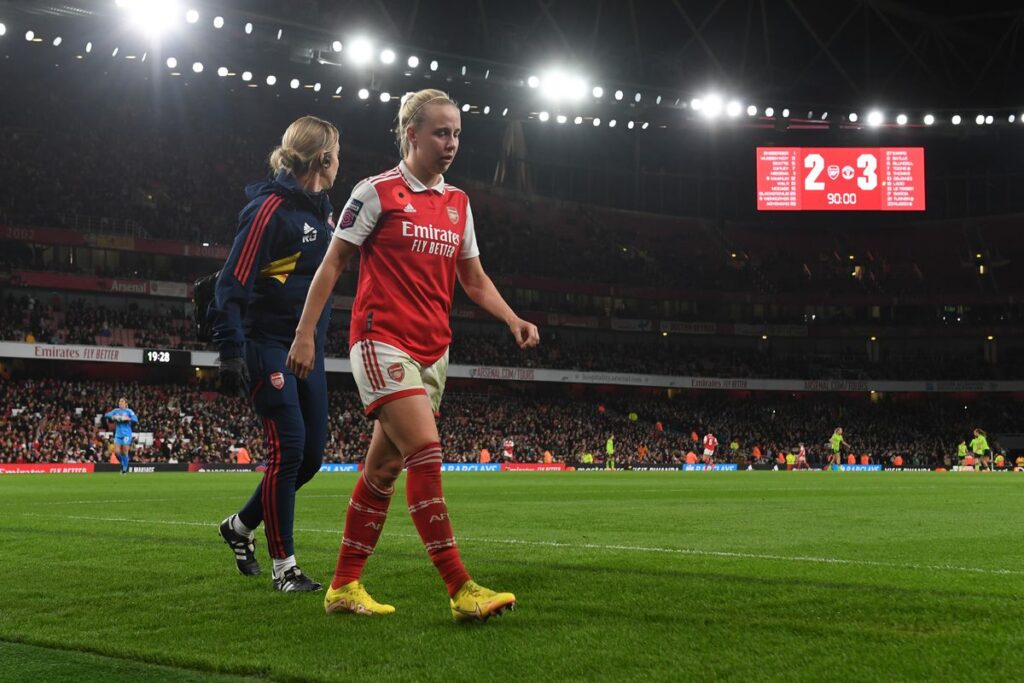
This research comes after several FIFA players, including Arsenal’s Beth Mead, Chelsea’s Sam Kerr and Manchester City’s Vivianne Miedema.
Ultimately, this FIFA-funded study marks a turning point in how we address and understand injuries in women’s sports. By investigating the menstrual cycle’s role in ACL tears, this research not only aims to reduce preventable injuries but also empowers organizations to take actions for their players. It encourages coaching staff and medical teams to base decisions on science that reflects the specific needs of women—not outdated models designed for men.
