
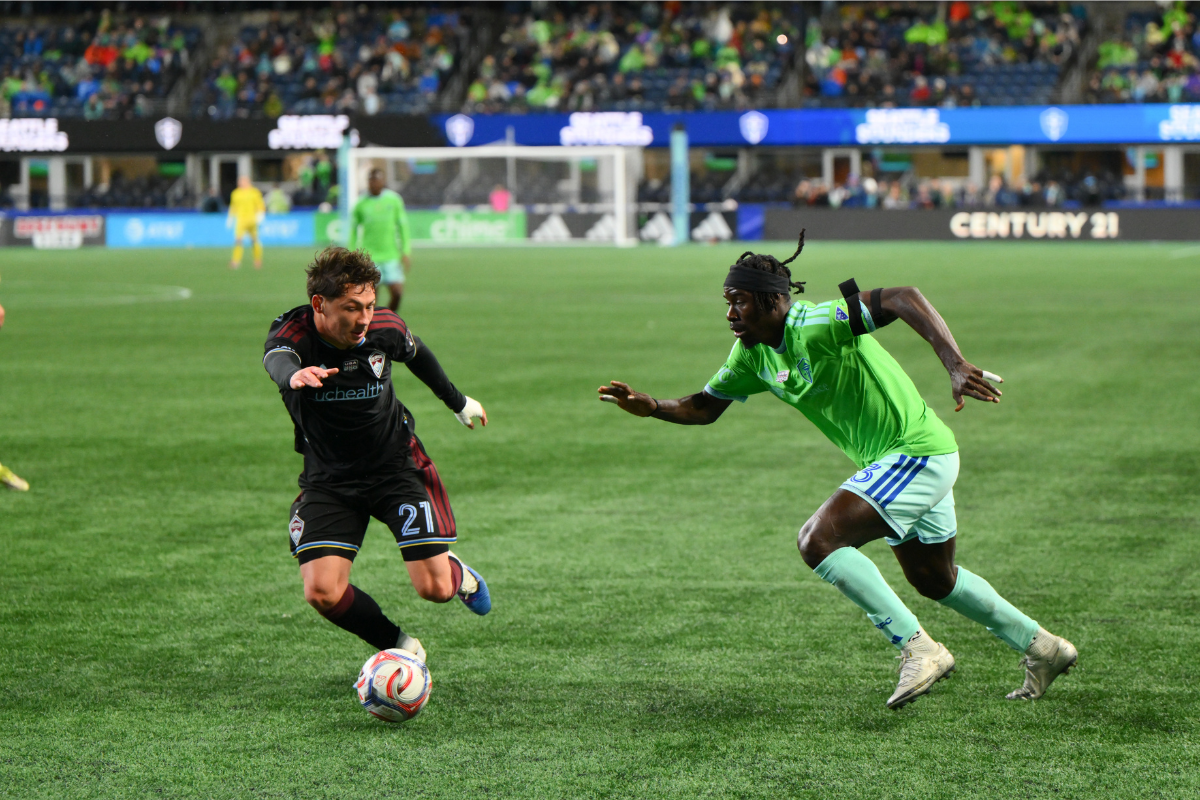
Soccer is the world’s most popular sport, but even lifelong fans usually know only the surface: goals, trophies, and famous stars. Behind the highlights, the game has a long and surprising history full of strange rules, forgotten traditions, and clever details that still shape modern matches. Here are some little-known facts that make soccer even more fascinating.
Early versions of soccer were much less organized than today’s game. In medieval Europe, entire villages sometimes played rough “mob football” matches with very few rules. Teams could have huge numbers of players, and the “field” might stretch through streets, fields, and rivers. It was chaotic, physical, and closer to a festival than a modern sporting event.
Even after official rules were written in the 1800s, soccer still looked different. Crossbars were not always solid bars at first; in some places, a rope was used instead. Imagine a player arguing whether the ball went “under” a swinging rope!
A lot of fans assume penalties have always been part of soccer, but they were introduced later than the basic rules of the game. In early soccer, even serious fouls near goal did not automatically lead to a penalty kick. As defending teams became more tactical, lawmakers realized players could stop easy goals by fouling on purpose.
The penalty kick was created to discourage that. It changed the psychology of the sport: defenders suddenly had to be more careful, and attackers gained a new way to punish mistakes. Today, penalties are one of the most dramatic moments in soccer, but they began as a practical fix to a fairness problem.

Today, penalties are one of the most dramatic moments in soccer, and for fans who follow the numbers side of the game, tools like a payout parlay calculator are often used to estimate returns on multi-selection bets.
It feels impossible to imagine a match without nets, but for many years goals had no net at all. That made it harder to judge whether the ball had fully crossed the line, especially on hard shots. Fans and players often argued over close calls.
Goal nets became more common after a simple but brilliant idea: attach netting so the ball is clearly caught after a goal. It seems obvious now, but this small invention improved the game massively. It reduced disputes, helped referees, and made scoring more visually satisfying for everyone in the stadium.
Older soccer balls were heavier, especially in wet weather. Many were made from leather, and they absorbed water during rainy matches. That meant the ball could become difficult to control and even painful to head.
Modern synthetic balls are lighter, more consistent, and designed for speed and accuracy. This is one reason older match footage often looks slower and more direct, while modern soccer features quicker passing and technical dribbling.
The equipment didn’t just improve comfort – it changed tactics. In modern soccer analysis, even small tactical differences can affect pricing models, which is why some bettors use a positive ev betting calculator when comparing odds and probabilities.

One of the strangest facts for new fans: teams once had to finish matches with the same players who started, even if someone got injured. No bench rescue. No tactical changes. If a player could not continue, the team often had to play with fewer players.
Substitutions were introduced gradually and later expanded, which completely changed coaching. Managers could now react to the game, rest players, and use specialists for certain moments. The modern idea of a “super sub” only exists because the rules evolved.
The yellow and red card system feels like a natural part of soccer, but the idea was inspired by traffic signals. A referee official reportedly came up with the concept after thinking about how traffic lights communicate clearly without language.
That was important in international soccer, where players and referees might speak different languages. Yellow meant caution; red meant stop. Simple, universal, and easy to understand – a perfect example of how one smart idea can improve the entire sport.
Soccer may look timeless, but it has constantly evolved. Many things fans now treat as permanent – penalties, nets, substitutions, cards – were once new ideas. Knowing these hidden details makes the sport more than just 90 minutes of play. It becomes a story of invention, adaptation, and global culture, which is exactly why soccer continues to captivate billions of people.
