
The FAA ground stop on Friday afternoon threw professional and collegiate sports into travel chaos on the eve of a packed weekend of high-stakes matchups [AP News]. A sudden, unprecedented telecommunications failure forced federal authorities to restrict air traffic completely across the national footprint on November 13, 2026. Finding reliable coverage of the subsequent scheduling shifts requires looking past chaotic social media speculation and anchoring directly to official league event guides. This coverage delivers direct, time-sensitive recaps of the aviation emergency alongside crucial kickoff adjustments straight from conference executives.
The historic scheduling crisis proved that an entire sports calendar can scramble instantly when vital logistics are suddenly upended. While several programs successfully negotiated alternate routes, others were left facing intense competitive disadvantages due to late arrivals. The subsequent fallout has forced multiple conference commissioners into highly defensive positions regarding player safety and competitive fairness. Roster depth and institutional adaptability will thoroughly dictate which franchises survive this highly disruptive weekend on the hardwood and gridiron.
What Happened During The FAA Ground Stop?
The Federal Aviation Administration halted all domestic flight departures nationwide on Friday afternoon, November 13, 2026, due to safety reasons. Transportation officials cited extraordinary circumstances caused by intermittent telecommunications outages that severely degraded air traffic control communications and radar systems. The U.S. Department of Transportation launched an immediate investigation into the widespread technology system instability across regional hubs. This critical communications infrastructure instability affected all 22 regional air route traffic control centers, creating immediate tarmac gridlock.
Technicians scrambled for hours before the federal agency officially lifted the strict flight restrictions at 8:15 p.m. Eastern Time. While airplane departures finally received permission to resume, the four-hour outage triggered massive logistical backlogs across every major terminal. It represents only the second nationwide ground stop since September 11, 2001, following a similar NOTAM database system crash in January 2023. Airlines immediately warned travelers that it would take consecutive days to clear the massive volume of displaced planes and crews.
How The FAA Ground Stop Disrupted College Football
America’s top collegiate gridiron programs bore the absolute brunt of the time-sensitive travel crisis. Most teams travel the day before Saturday kickoffs, meaning the aviation shutdown caught rosters buckled into planes or stuck on airport buses. A total of seven college football games ultimately required altered kickoff times or dates due to travel disruptions. The Power Four and Group of Five conferences quickly moved into emergency evaluation modes to issue updated kickoff times.
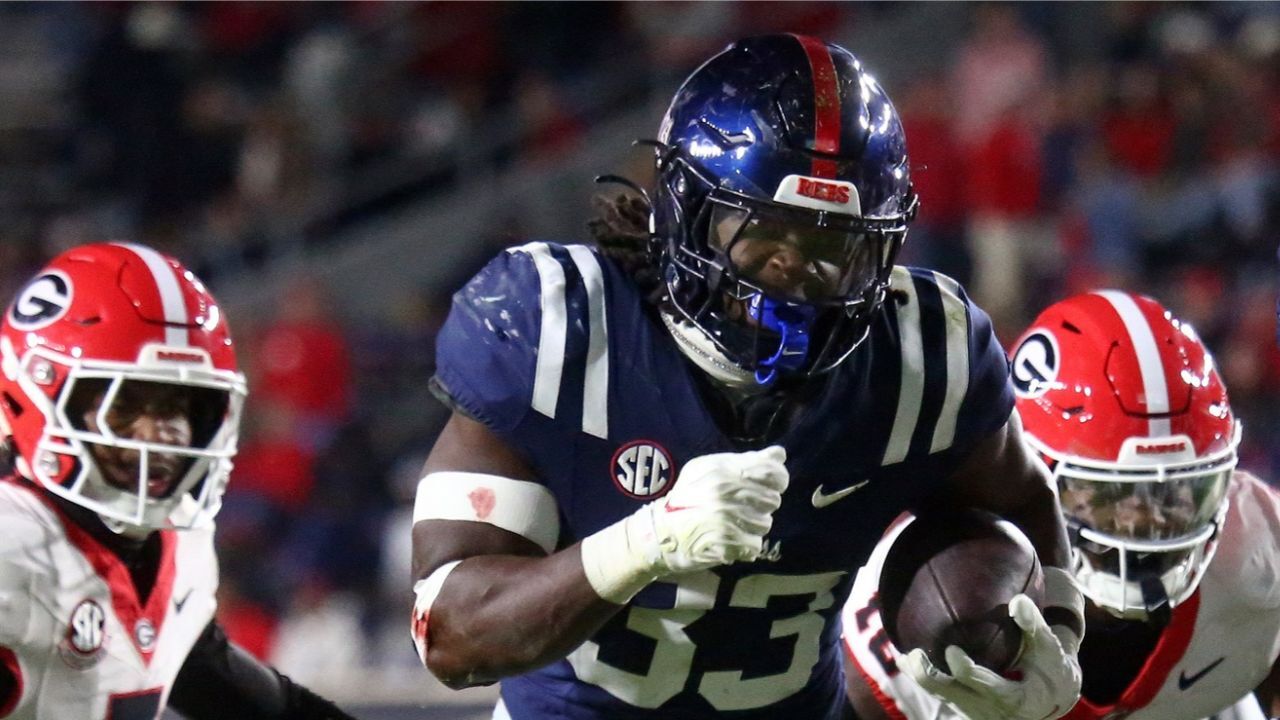
The scheduling fallout produced a historic development, making Ole Miss at Oklahoma the only game forced to move to another day [AP News]. Pushed back to Sunday, November 15, for a 1:00 p.m. ET kickoff, the game’s television broadcast information was initially listed as TBA by the university. Oklahoma athletic director Roger Denny strenuously objected to the Sunday move, revealing that SEC Commissioner Greg Sankey threatened the Sooners with a mandatory forfeit if they refused to comply. Denny released an official statement calling the league’s final ruling unfair to the athletes, institution, and local fans.
Six other affected games received significant kickoff adjustments on Saturday to accommodate midnight travel arrivals. No. 2 Utah saw its road test at No. 23 Arizona pushed back three hours to a late-night window at 10:30 p.m. ET. Arizona State at Central Florida was successfully rescheduled for 5:30 p.m. ET, while Washington at Michigan State also shifted to 5:30 p.m. ET. Furthermore, the conference office moved Baylor at BYU to 7:00 p.m. ET, Tulane at Rice to 4:30 p.m. ET, and FAU at Tulsa to 7:15 p.m. ET.
Other Sports Feeling The Impact Of The FAA Ground Stop
The sweeping air traffic disruption extended far beyond the college ranks to fracture professional sports leagues. The Cleveland Cavaliers had to completely scramble for emergency hotel rooms after playing a road contest against the Miami Heat [AP News]. Cleveland coach Kenny Atkinson explained his group was delayed overnight, sleeping locally before booking an early Saturday morning flight to Dallas [AP News]. Multiple other traveling professional teams missed their scheduled Friday night departures, forcing them into compressed Saturday morning flight itineraries.
The National Hockey League also encountered sudden travel panics ahead of a dense 14-game Saturday slate. The San Jose Sharks were left stranded at their home facility waiting to see if their flight to Utah would clear. In the collegiate basketball ranks, JuJu Watkins and her third-ranked USC teammates faced an alarming travel delay. The Trojans boarded a flight to South Carolina before being forced to deplane and return to their campus facility.
Where To Find The Latest FAA Ground Stop And Sports Updates
Passionate sports fans tracking volatile schedule shifts must rely on authoritative journalism networks to secure verified event timelines. The Associated Press and ESPN provide continuous box-score adjustments and official statements directly from conference command centers. Readers can check CBS Sports and The Athletic to find updated list guides detailing active stadium policies and kickoff delays. Monitoring official university athletic social media channels remains the fastest method to track active team plane departures.
My Take: Sports Organizations Need Better Travel Contingency Plans
Multi-million-dollar athletic organizations cannot afford to operate without comprehensive, realistic ground travel contingency options. Relying entirely on seamless commercial or air charter routes leaves elite rosters completely exposed to sudden technological infrastructure failures. Forcing student-athletes to sit on tarmacs for hours before playing championship games violates basic principles of player safety. Sending an exhausted team into a high-stakes stadium on far less sleep than usual ruins the competitive balance of play.
FAA ground stop sports impact evaluations will likely dominate front-office logbooks for the remainder of the calendar year. Bullying a grounded program into playing on Sunday over their clear objection represents a massive institutional failure. Fans spend thousands of hard-earned dollars on tickets and travel accommodations, deserving far better scheduling transparency from athletic directors. Corporate sports executives need to realize that traditional logistical formulas require an immediate, modern rewrite.
End Of My FAA Ground Stop Rant
The wild contrast between emergency tarmac delays and high-stakes stadium execution defines this unprecedented weekend in sports history. We constantly witness how sudden physical setbacks alter individual program trajectories, much like our previous College Football Week Ten Recap analysis demonstrated. The beautiful game always rewards organizations that can pair deep rotational depth with absolute structural adaptability under intense pressure.
Moving forward, conferences must prioritize transparent communication to protect the physical well-being of their traveling performers. The aviation shutdown delivered a harsh reminder that external variables can instantly upend the most meticulous championship blueprints. Roster resilience and mature coaching accountability will ultimately decide which programs conquer this historic logistical nightmare. Gridiron purists should buckle up, because the upcoming scoreboards will reveal who truly possesses the grit to survive.
