
Relocation is a sensitive topic. American sports teams, especially those in smaller markets, have an indelible impact on the identity of local communities by fostering generations of loyal fans. With one or fewer professional teams per sport to root for, fans put all they have into supporting the team because it feels like supporting their city.
The 21st century, however, has seen sports franchises transform from beacons of local traditionalism into financial behemoths aiming for global appeal. Each year, franchises are presented with lucrative opportunities, whether from new sponsors, potential player acquisitions, or unique and undefined propositions.
One financial lever is more dangerous and antithetical to local fandom than any other: the option for team relocation. The process of relocating a team is not new, whether that be for the Brooklyn Dodgers or the Las Vegas Raiders. Teams relocate for many reasons, such as tax incentives for building new stadiums, shifting fan demographics, and generally better market opportunities.
These economic advantages, often most alluring in small markets, clash with the loyal fanbase that finds itself fighting to keep a crucial aspect of their city or state. Fans pour out their emotions and history for teams like the Oakland A’s, the Vancouver Grizzlies, or the St. Louis Rams, but to no avail.
It feels distinctly disrespectful for an owner to move a team that had, for decades, been supported successfully by local fans. For example, the Seattle Supersonics existed for forty years before moving to Oklahoma City to become the Thunder. The reason for the move was the owner, Clay Bennett’s failure to secure public funding for a new arena, in addition to his ties to OKC.
In 2021, Seattle got a new NHL team, the Kraken, to fill the void, but the desire for a basketball team never left the city. That seems to be the case with every city that gets abandoned; there is a passion to return exactly what was taken from them. While it rarely happens, the Cleveland Browns became the Baltimore Ravens, but then the city got its team back in an expansion.
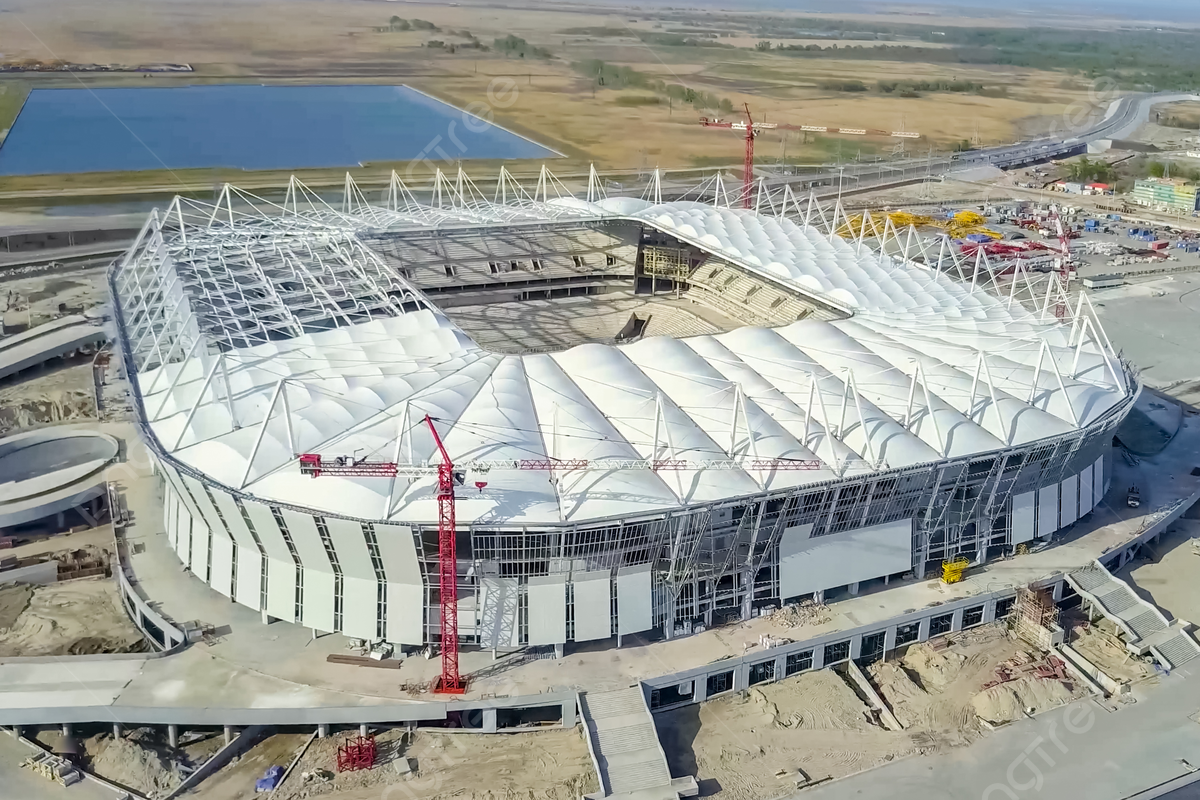
Modern football (soccer) clubs find ways to keep most relocations close to the original despite different operating costs and greater risk through promotion and relegation. When a football club reaches a level by which fan interest exceeds stadium capacity, it often looks to expand the number of seats. This is because in-game revenue is often one of the main financial drivers for a football club. Regardless of these factors, football clubs look to renovate or build new stadiums, but almost always within the same area.
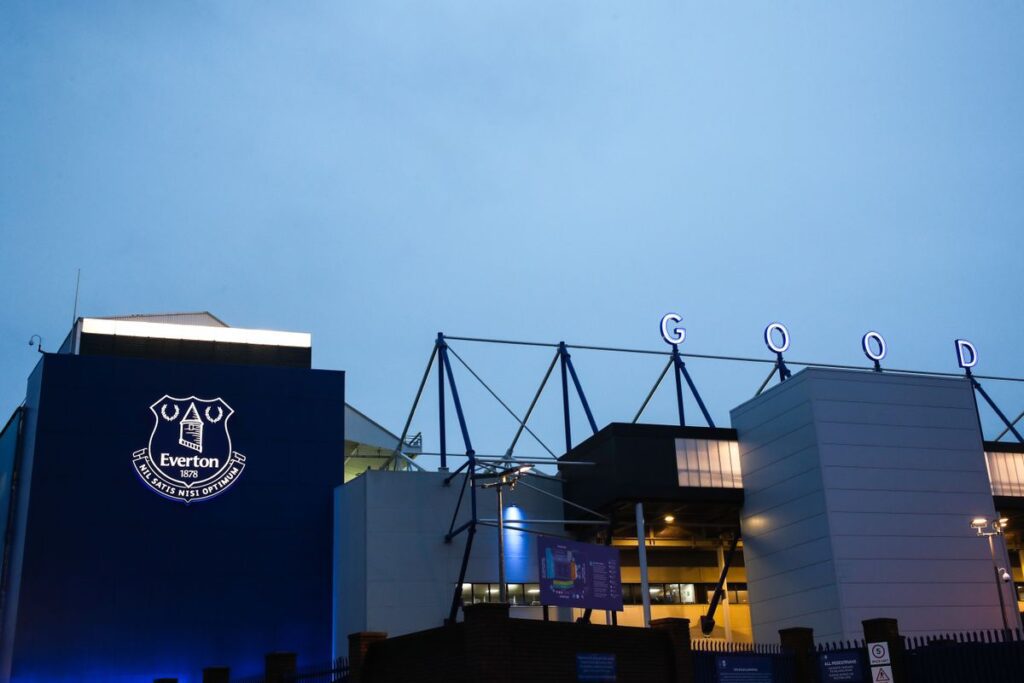
Football clubs have existed for well over a hundred years, creating an inescapable connection between fans and the city. Arsenal’s global success in the early 2000s necessitated a move from the legendary Highbury, home since 1913, to the larger and newer Emirates Stadium in 2006. This year, Everton is moving from Goodison Park, its home since 1892, to Bramley-Moore Dock. Both new stadiums are fewer than two and a half miles from the old ones.
Rather than becoming too big and leaving, a club grows with the fans. There are examples of football clubs that have had to move significant distances, such as the English club Wimbledon, which moved 45 miles and became MK Dons. Enraged former Wimbledon fans formed a phoenix club: AFC Wimbledon, which was playing a division above MK Dons, understandably their arch-rivals, by 2018.
The message is not that football clubs are altruistic and benevolent entities for their fans, with controversies about annually raising ticket prices becoming commonplace. What they do right, however, is make sure the local fans stay connected to the club, placing geography, emotion, and finances in tow. American sports teams should take note.
