
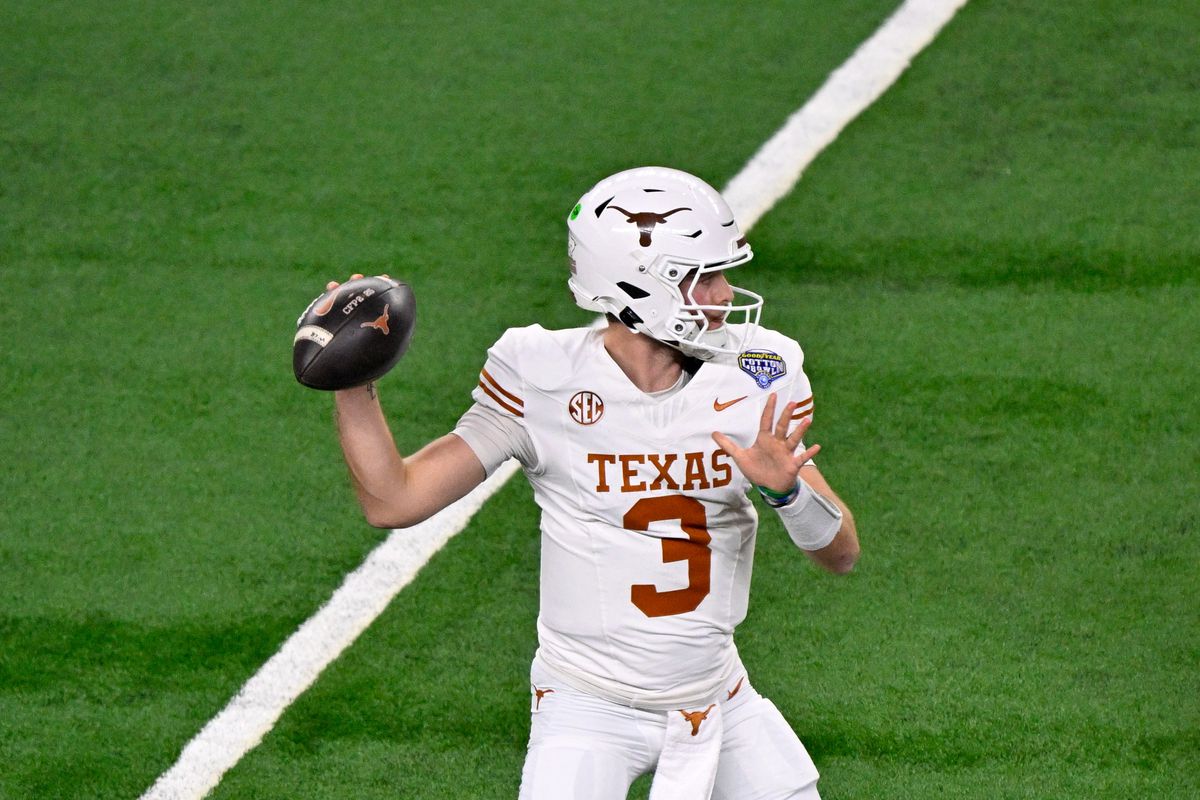
Quinn Ewers reportedly turned down an $8 million NIL deal to enter the 2025 NFL Draft instead of transferring to another college program. His decision was influenced by his loyalty to the University of Texas and his desire to preserve his college football experience as a Longhorn. Ewers was drafted by the Miami Dolphins in the seventh round, which comes with a significantly lower salary of around $1,000,000 per year, compared to the NIL deal he passed up.
NIL Valuation: Ewers’ current NIL valuation is $4.5 million, which could have risen to around $8 million if he stayed in college for another year.
Potential Earnings: First-round NFL draft picks can earn around $42.2 million over four years, while seventh-round picks like Ewers earn much less, around $4.31 million over four years.
Loyalty to Texas: Ewers’ decision was driven by his bond with the University of Texas and his desire to leave the program in good standing.
NFL Contract: Ewers’ rookie contract with the Miami Dolphins is predicted to be worth $800,000 per year, a significant decrease from the $8 million NIL deal he turned down.
With the potential revenue sharing from the NCAA House settlement added on top of the current NIL landscape, it could significantly impact college football and the NFL. With top players potentially earning $4-8 million per year through NIL deals, the incentive to leave college early might decrease.
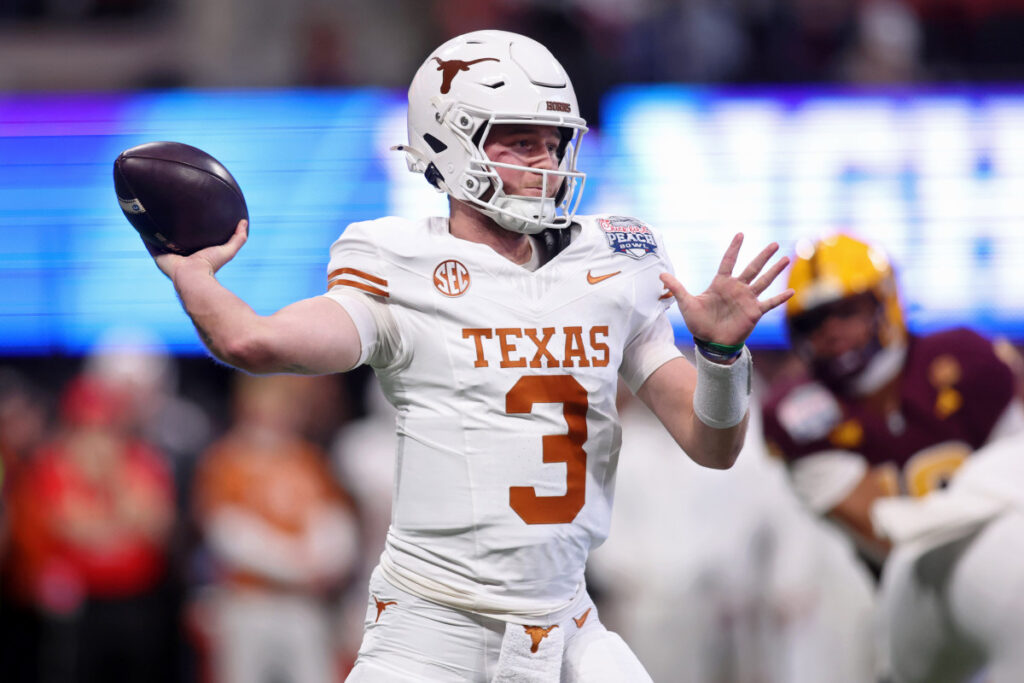
Comparing NFL Contracts: Fourth-round NFL draft picks typically earn around $1.1 million per year, with fifth-round picks earning just over $1 million per year. In contrast, top college players could earn millions through NIL deals.
Financial Incentives: Players like Quinn Ewers and many other future college stars might choose to stay in college longer to maximize their earnings through NIL deals, rather than risking a potentially lower-paying NFL contract.
Revenue Sharing: College athletics are set for revenue sharing with its athletes up to possibly $22 million per calendar year. College football players are expected to get the lions’ share, with most schools around 70% or higher.
Development and Experience: Staying in college could provide players with valuable experience, development, and exposure, potentially increasing their NFL draft prospects.
NFL’s Perspective: The NFL might face challenges in attracting top talent if college players can earn comparable or even higher amounts through NIL deals. This could lead to changes in the way the NFL structures its rookie contracts or approaches player development.
Could players like Quinn Ewers elect to stay in college to complete their eligibility over declaring for the NFL Draft? This intersection of college football, NIL deals, revenue-sharing, and the NFL will be interesting to watch. As the landscape continues to evolve, teams and players will need to adapt to the changing financial dynamics.
Check out our biggest surprises for the NFL draft on the morning before the draft began here.
Subscribe to College SportsCast for fun, original college sports Shows. Do not miss our weekly “The Big Fuss Show” for more college sports debates, hot topics, previews, and analysis.
