
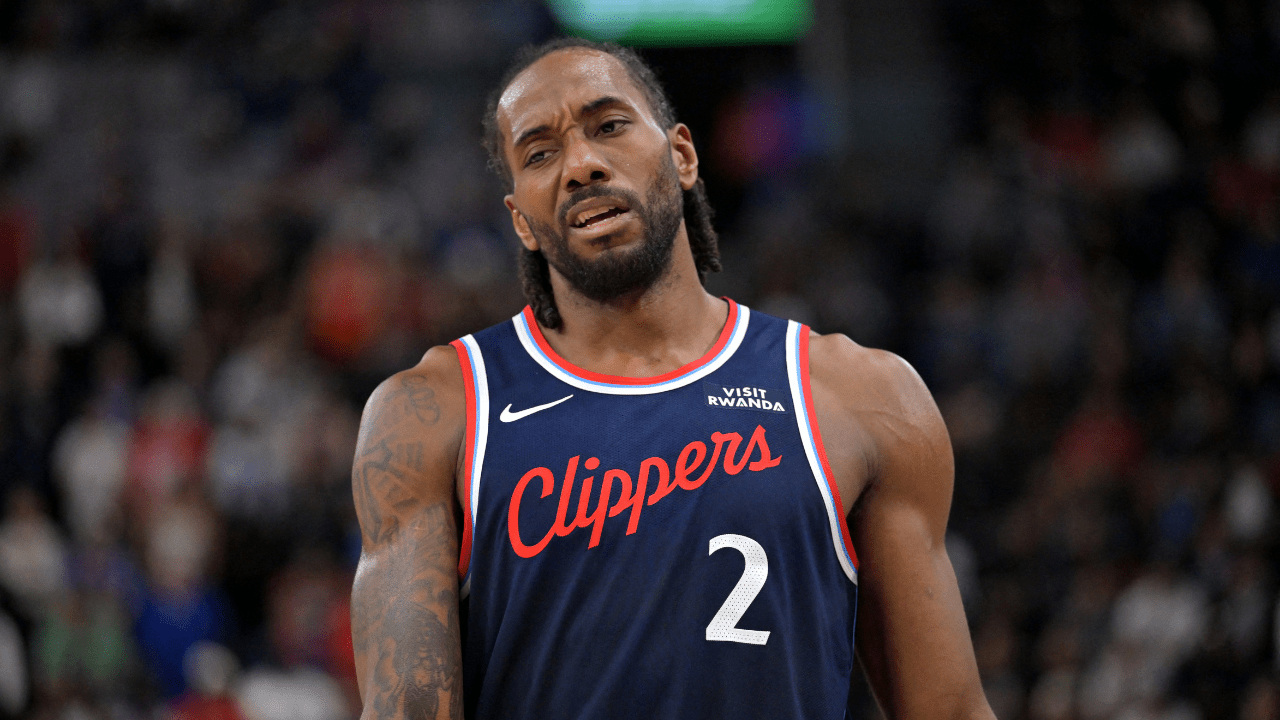
The hammer finally dropped. After a yearlong probe, the NBA delivered its Clippers Kawhi Leonard salary cap ruling 2026, and it is one of the harshest penalties handed to a franchise in modern league history. The league stripped Los Angeles of five first-round picks, hit owner Steve Ballmer with a $30 million fine, and suspended three of the most powerful people in the building. If you were expecting a slap on the wrist, this was not it.
The NBA concluded that the Clippers illegally circumvented the salary cap in connection with Leonard’s 2022 contract. According to the league’s findings, the franchise funneled millions of dollars to Leonard through third parties, most notably a no-show endorsement arrangement with the now-defunct company Aspiration, along with three other companies. In plain terms, the league decided the Clippers found a back channel to pay their star beyond what the cap allowed, and it treated that as a direct assault on competitive fairness.
ESPN’s report on the league’s punishments for the Clippers lays out just how sweeping the ruling is. This was not a technicality. The NBA framed it as a deliberate scheme, and it responded with the kind of penalty designed to make every other franchise think twice.
Start with the draft capital, because that is the piece that will sting for a decade. The Clippers are losing a first-round pick in 2029, 2030, 2031, 2032, and 2033. Five straight years without a first-rounder is a brutal blow for a team that is already old, expensive, and short on cheap young talent. You cannot rebuild through the draft if you do not have draft picks, and Los Angeles just lost half a decade of them.
Then there is the money. Ballmer, one of the wealthiest owners in all of sports, was fined $30 million, the maximum the league can levy. It will not dent his bank account, but it is a public branding of the franchise as a rule-breaker.
The suspensions are where this gets personal. Ballmer is banned from all league and team activities for one full year. President of business operations Gillian Zucker is suspended without pay for one year. President of basketball operations Lawrence Frank is suspended without pay for six months. That is the entire top of the org chart sidelined heading into a new season.
Here is the twist that will drive the debate. Leonard himself came out of this relatively clean. There was no contract void and no suspension for the player. His only penalty is $700,000 in restitution for the improper benefits, tied to his uncle and former business representative Dennis Robertson. Robertson, who Leonard fired back in June, is being banned by the NBA from all future business dealings around the league.
So the player keeps his deal, keeps his eligibility, and pays what amounts to pocket change relative to his salary. The franchise, meanwhile, loses five first-round picks and eats a maximum fine. That imbalance is going to be the talking point on every show and every timeline: the team took the fall, and the star walked. Fans who have followed this saga through its many twists can revisit Stadium Rant’s earlier breakdown of the possible results of the Kawhi Leonard accusations to see how the range of outcomes stacked up against what the league ultimately chose.
The basketball fallout is enormous. A franchise built to win now, with a roster that skews veteran and a payroll near the top of the league, just lost the flexibility that draft picks provide. Picks are not only future players, they are trade currency. Every big midseason deal in the modern NBA is greased with first-round selections, and the Clippers just had that toolbox emptied through 2033. Retooling around an aging core without picks to trade is one of the hardest positions a front office can be handed.
There is also the leadership vacuum. With Ballmer, Zucker, and Frank all sidelined for chunks of the coming year, the day-to-day operation falls to people who did not sign up to run a franchise through a crisis. Continuity matters in an NBA season, and Los Angeles is starting this one with its command structure scattered.
Zoom out and this ruling is a statement. The league has spent years tightening its financial rules, and the new collective bargaining environment has made cap circumvention a top enforcement priority. By coming down this hard on a marquee, big-market franchise owned by a billionaire, the NBA is signaling that no one is too big to punish. The message to the other 29 teams is blunt: the back channels are being watched, and the price of getting caught is a generation of draft capital.
For the Clippers, the Kawhi Leonard salary cap ruling 2026 turns an already complicated season into a referendum on the entire Ballmer era. They chased a title with aggressive, star-first roster building, and the bill for how they did it just came due. Whether this becomes a footnote or the beginning of a long decline depends on how a leaderless front office navigates the next few years without the picks that usually pave the way out.
One thing is certain. The NBA wanted this ruling to be remembered, and it will be.
If you love sports, download Stadium Rant from the Apple App Store and join one of the fastest-growing social sports communities. Be sure to follow us on socials too — you can find all our profiles on our Linktree.
