
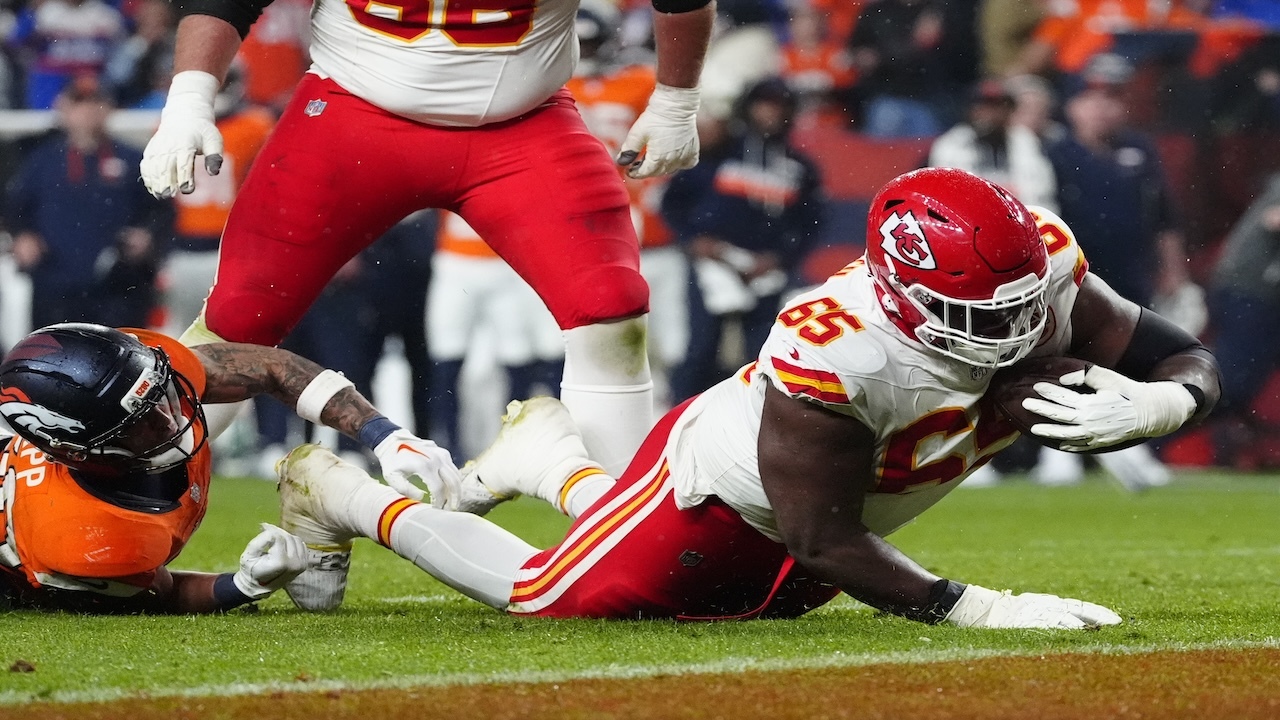
The Chiefs’ defense forced three consecutive three-and-outs in the third quarter against the Denver Broncos, helping Kansas City enter the fourth with a 24–13 lead. Denver’s next two possessions produced touchdowns and a 28–24 win on Nov. 1, 2026.
Three straight punts became two straight touchdowns. Watching the Chiefs’ defense, I was distinctly reminded of my children as toddlers. Everything was fine until there was a deadline. Then suddenly the defense needed different socks and absolutely no help putting them on.
Three Straight Stops Gave Kansas City Room To Pull Away
Denver went three-and-out on all three third-quarter possessions, helping Kansas City stretch a 17–13 halftime lead to 24–13. Those stops denied Denver both points and the chance to build on its earlier 12-play, 69-yard touchdown drive.
The difference is where Kansas City ended the possessions. Before halftime, Denver had sustained a drive all the way to the end zone. In the third quarter, the Chiefs prevented the Broncos from earning even another set of downs. They weren’t repeatedly defending scoring territory and hoping to escape. They were keeping Denver from getting there.
That gave the offense room to work without an immediate answer from Nix. Kansas City added seven points while the Broncos added none, turning a four-point advantage into a lead that required multiple scores to erase. The defense had created a margin for error. Apparently, the fourth quarter took that as a spending allowance.
Fourth Down Changed The Value Of The Stop
Denver’s first fourth-quarter touchdown drive covered 80 yards in nine plays and consumed 4:18. Nate Adkins finished it with a two-yard touchdown reception on fourth down, and the successful two-point conversion reduced Kansas City’s lead to 24–21.
Lance Sanderson’s film breakdown for Broncos On SI describes Adkins releasing from a wing alignment beside the offensive line into the flat. Courtland Sutton’s route took two defenders upfield, opening space for the short throw.
That explains more than saying Kansas City needed another stop. The Broncos used the receivers’ movement to create separation within two yards of the goal line. The Chiefs had forced a difficult down without forcing a difficult completion.
The coaching review should establish how that release was supposed to be covered and why nobody closed the throwing window. The problem is clear: Adkins reached open space while two defenders followed Sutton away from it.
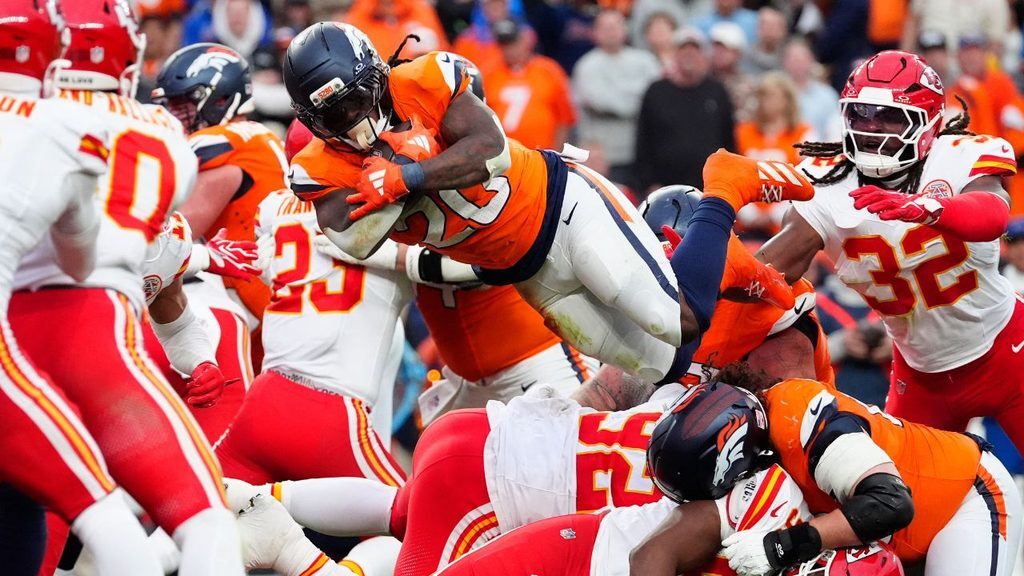
Coleman Removed The Need For Another Long Drive
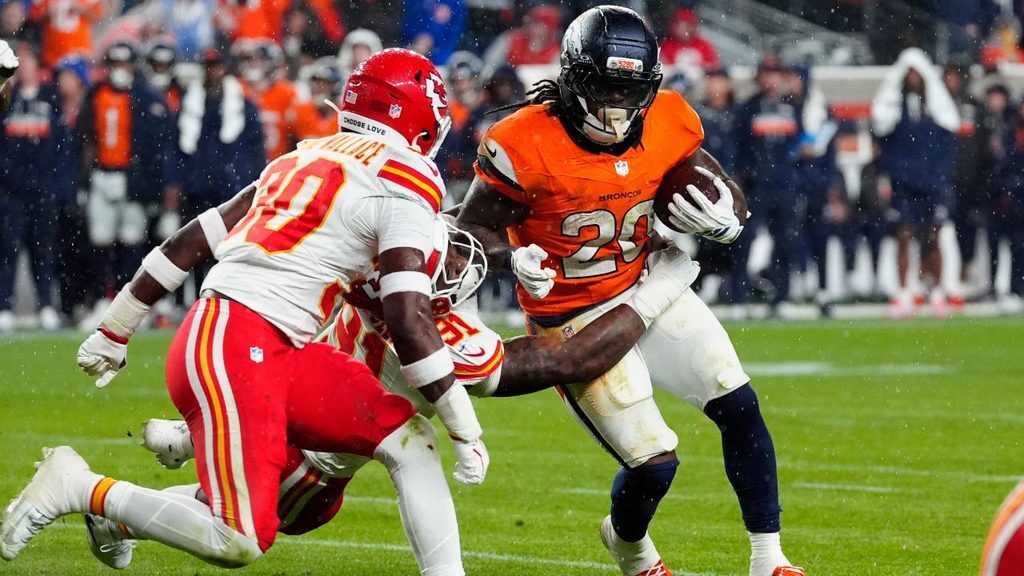
Denver covered 56 yards in two plays and 35 seconds, beginning with Broncos running back Jonah Coleman’s 51-yard reception. The opening developed before anyone had a chance to miss a tackle.
Coleman crossed the formation into the opposite flat against an overload blitz. Nick Bolton moved toward Nix while Coleman released untouched. Farther downfield, Troy Franklin blocked Alohi Gilman toward the boundary, creating room for Coleman to cut inside.
There’s more to this than just “tackle better.” This also brings back the question of what the Chiefs pass rush actually accomplishes. Sending defenders after the quarterback only helps if the pressure disrupts the offense before the ball escapes. Kansas City committed defenders to pressuring Nix, but Coleman became available before that pressure ended the play. Franklin’s block then helped turn the open completion into a much larger gain.
Kansas City needs a clear plan for who follows the back across the formation and who closes on Nix when he leaves the pocket. Chasing the quarterback cannot leave him an uncovered receiver to throw to. Just because Bolton was the defender who moved toward Nix doesn’t mean he failed his assignment.
Coleman also evaded a tackler near Kansas City’s 40. Finishing there would still have left Denver substantial work. Instead, the Broncos reached the five and scored on the next snap.
The rush failed to prevent the throw, and the defense behind it failed to limit the damage. Denver got the short completion, and most of the remaining field was thrown in.
Kansas City Helped Denver Shorten The Field
The Adkins touchdown was the final failure of a possession Kansas City had already made easier. Adam Trautman’s 22-yard reception moved Denver from its own 45 to the Chiefs’ 33. Alohi Gilman’s unnecessary roughness penalty then advanced the ball to the 18. The next snap, a 14-yard Marvin Mims run, put Denver at the four.
That is 51 yards of field position in two offensive snaps, including 15 supplied by the penalty. Concentrating only on fourth down misses how quickly Kansas City let Denver reach scoring position. The defense eventually forced a last-chance play, but only after helping the Broncos travel most of the distance.
Andy Reid’s postgame assessment addressed both tackling and penalties. “We’re in position to do that, and you got to make those,” he said of the missed tackles.
That supports an execution criticism without pretending to know every coverage assignment. Kansas City needed to limit gains when defenders reached the ball and stop adding yards after the play.
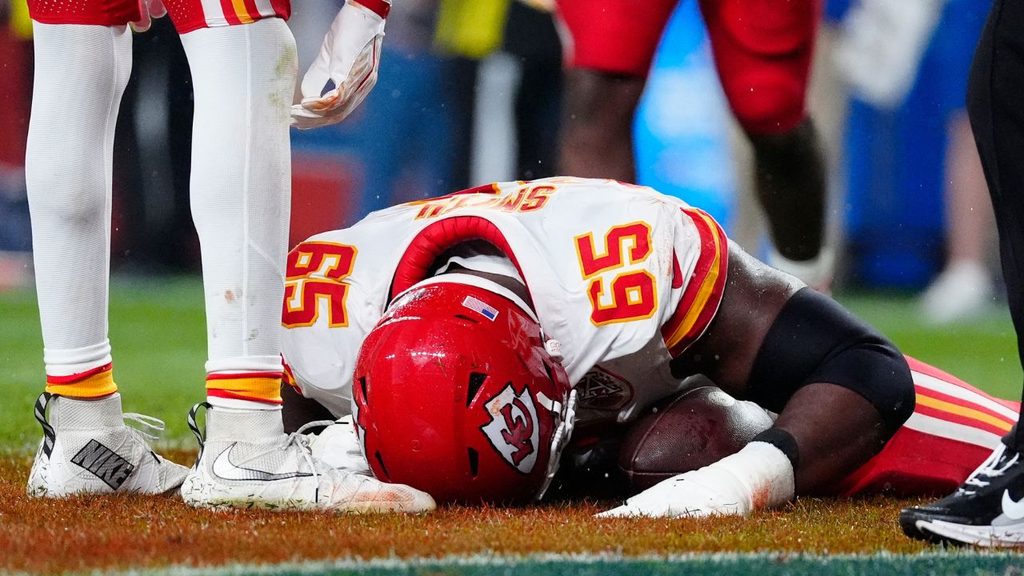
End Of My Chiefs’ Defense Rant
The Chiefs’ defense helped build an 11-point lead by repeatedly ending Denver’s possessions in the third quarter.
Against a team using all four downs, forcing fourth down is unfinished business. Against a receiver breaking into space, conceding a completion doesn’t require conceding the rest of the neighborhood.
Kansas City had already shown it could make Denver punt. Then it was time to finish the game, and suddenly the socks felt wrong, and nobody was leaving until we found the blue ones.
