
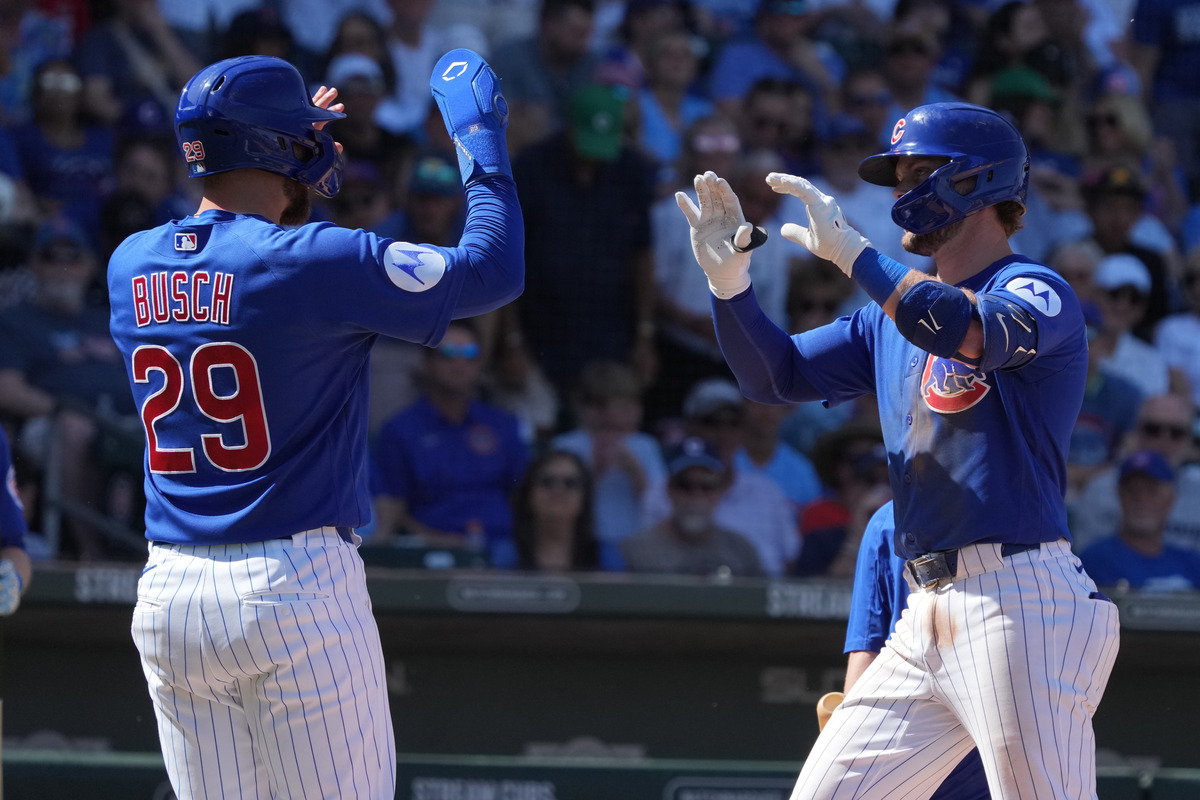
Expectations are beginning to shift on the North Side as the Chicago Cubs head into the 2026 season with a roster that feels both purposeful and promising. This is no longer a team caught between rebuilding and contending. Chicago has assembled a mix of established talent, emerging stars, and high-upside depth pieces that suggest a clearer direction forward.
From a steady infield core to a rapidly evolving outfield and a handful of players looking to revive their careers, the Cubs have quietly built a roster capable of exceeding expectations. The question now isn’t just about development—it’s whether this group can come together and translate potential into meaningful results over the course of a full season.
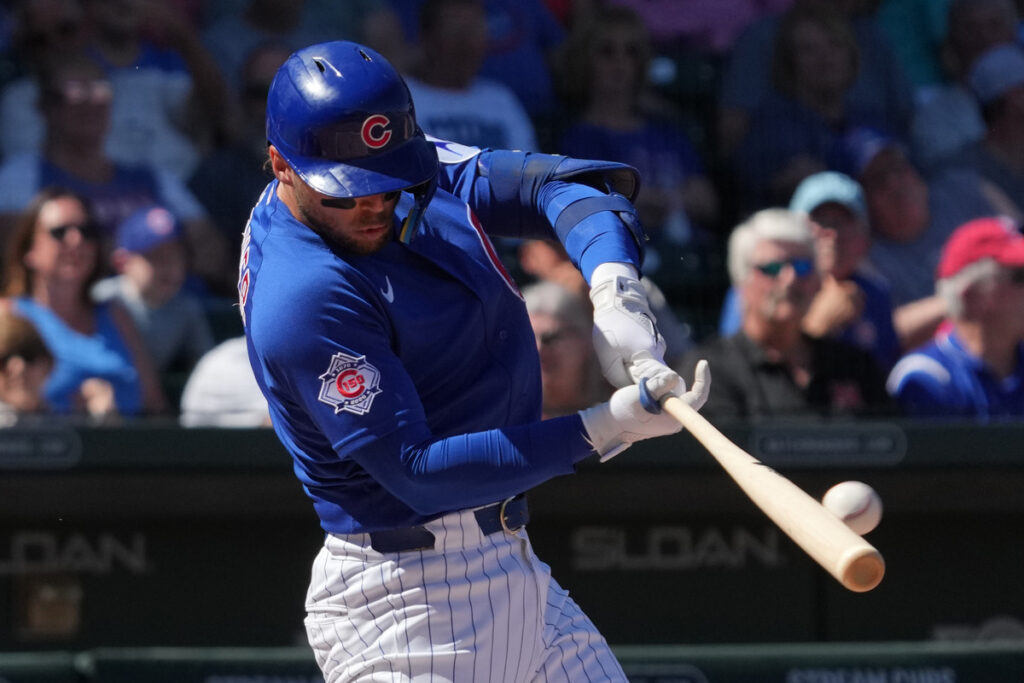
The Cubs enter the 2026 season with renewed optimism, and much of that confidence begins in the infield. Nico Hoerner and Alex Bregman form one of the more balanced and reliable duos in the National League, blending consistency, leadership, and postseason experience.
Hoerner has quietly become one of the most dependable middle infielders in baseball. His ability to make consistent contact, control at-bats, and provide elite defense up the middle gives Chicago a steady presence at the top of the lineup. While he may not be the flashiest star, his value lies in doing the little things right—moving runners, limiting strikeouts, and setting the tone offensively.
Bregman, meanwhile, brings a different dynamic. Known for his plate discipline and power potential, he adds a veteran edge to the Cubs lineup. If he can return to his peak offensive form, Bregman has the ability to anchor the middle of the order while also providing strong defense at third base. His experience in high-pressure situations could prove invaluable for a Chicago team with postseason aspirations.
Together, Hoerner and Bregman give Chicago a well-rounded infield core; one that combines contact hitting, power, and defensive reliability to make a difference. If both players perform to expectations, the Cubs’ infield could be one of the driving forces behind a competitive 2026 campaign.
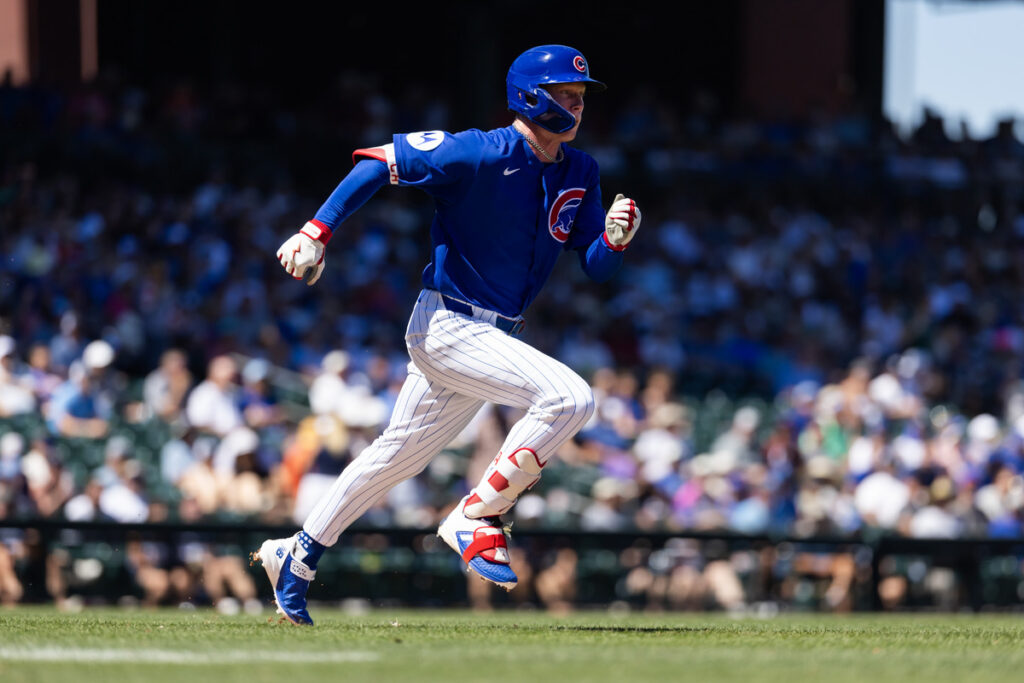
The Cubs made a significant statement by committing long-term to Pete Crow-Armstrong, signaling a clear vision for the future of their outfield. The six-year, $115 million extension not only solidifies Crow-Armstrong as a cornerstone player, but also reflects the organization’s confidence in his ability to develop into a franchise centerpiece.
Crow-Armstrong’s game is built on elite defense and athleticism. The outfielder’s range in center field is already among the best in the league, and his instincts allow him to impact games even when he’s not producing offensively. With that being said, the next step in his evolution will be his bat. If he can become even an average hitter at the major league level, his overall value skyrockets.
The extension also provides stability for a Cubs team that has been in transition in recent years. Locking in a young, high-upside player like Crow-Armstrong gives the organization a clear building block to construct around. It allows the front office to make complementary moves with a long-term vision in mind rather than short-term fixes.
More importantly, it signals a cultural shift. The Cubs are no longer just experimenting with potential—they are investing in it. Crow-Armstrong represents the type of player the organization wants to build around: athletic, defensively elite, and capable of energizing both the clubhouse and fanbase.
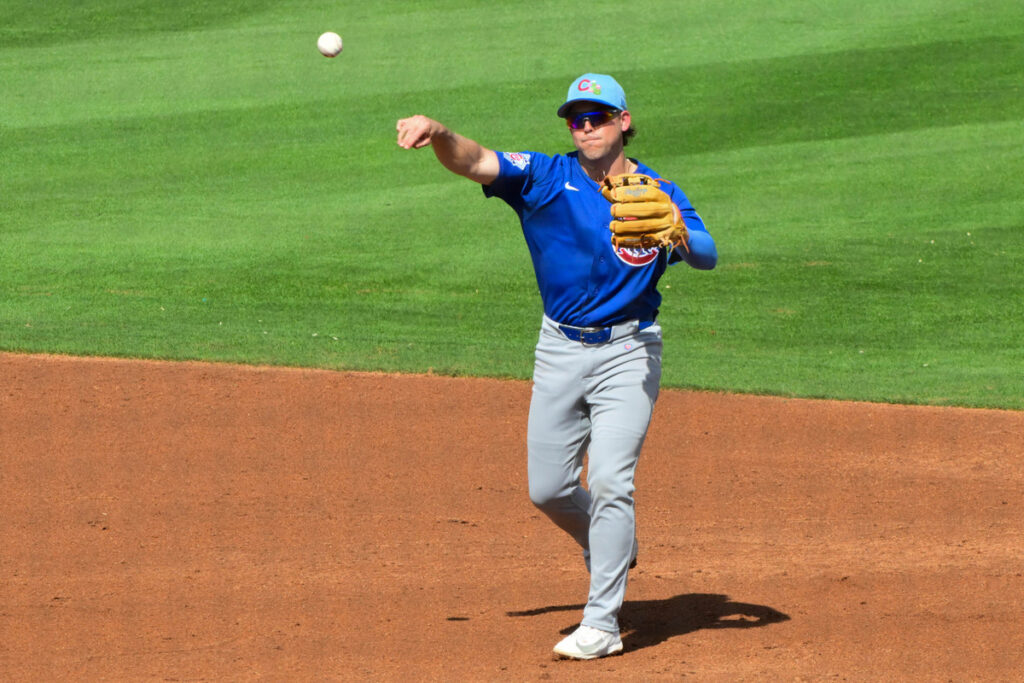
Every season brings its share of redemption stories, and for the Cubs, Dylan Carlson and Scott Kingery represent two intriguing opportunities for bounce-back performances.
Carlson, once viewed as a cornerstone prospect, has yet to fully deliver on his early promise at the major league level. However, the tools are still there—switch-hitting ability, defensive versatility, and flashes of offensive upside. A change of scenery could be exactly what he needs to reset and find consistency. In Chicago, Carlson won’t be asked to carry the lineup, which may allow him to play more freely and rediscover his confidence.
Kingery’s situation is similar, though his path has been even more turbulent. Injuries and inconsistency derailed what once looked like a promising career trajectory. Still, his versatility remains a key asset. Capable of playing multiple positions, Kingery offers roster flexibility that could prove valuable over a long season.
For both players, the Cubs represent a low-risk, high-reward scenario. If either player can recapture even a portion of their earlier potential, it would provide a significant boost to the team’s depth. At the very least, they add competition and push the roster forward—something every contending team needs.
The 2026 Chicago Cubs are shaping up to be a team defined by balance and opportunity. With established contributors like Hoerner and Bregman anchoring the infield, a rising star in Crow-Armstrong leading the outfield, and reclamation projects like Carlson and Kingery adding depth, the roster has a mix of certainty and upside.
The key question will be execution. On paper, the pieces are in place for a competitive season. But turning potential into results will depend on consistency, health, and player development. If the Cubs can get production across the board—especially from their young core and bounce-back candidates—they have a legitimate chance to make noise in the National League.
At the very least, this is a team worth watching. The direction is clear, the talent is evident, and for the first time in a while, the Cubs appear to have both a present and a future worth believing in.
