
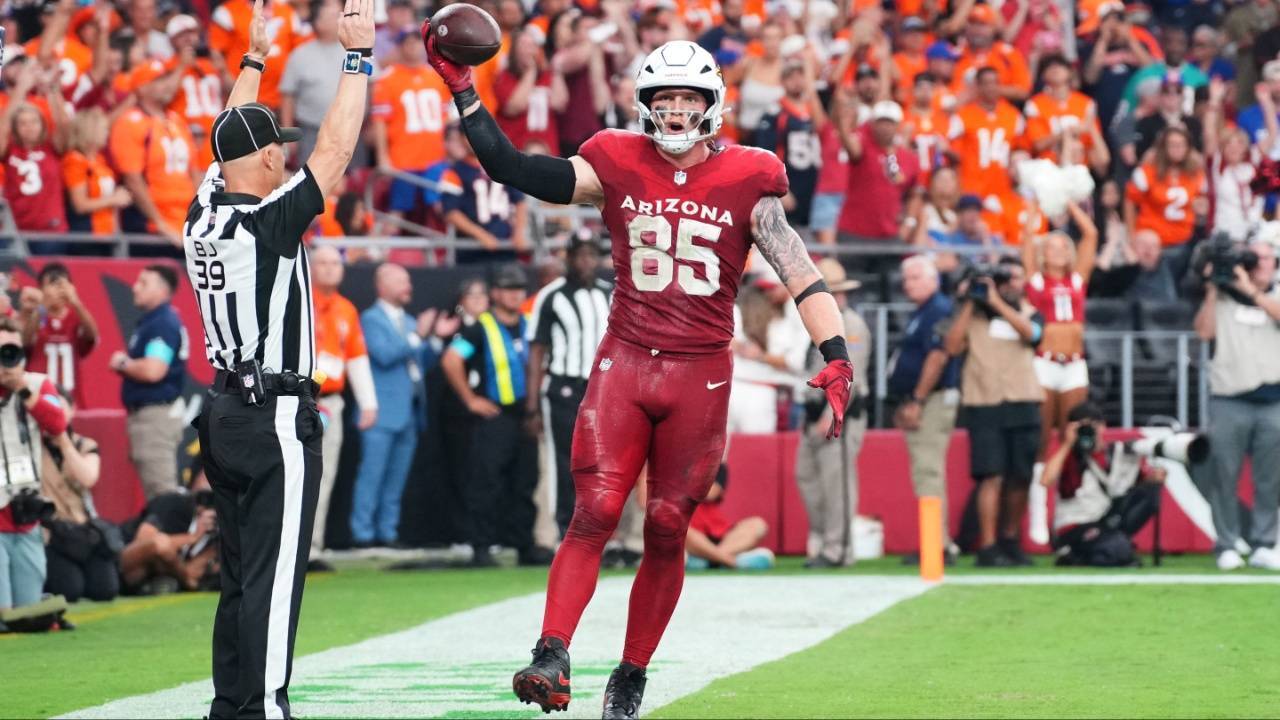
The Cardinals vs. Broncos matchup ended in a 30-16 loss for the Arizona Cardinals at State Farm Stadium on October 25, 2026. Arizona fell to 2-5 after scoring one touchdown in five red-zone trips. The Denver Broncos produced two touchdown plays covering more than 50 yards, exposing the difference between moving the ball and converting opportunities into points.
Trey McBride caught 10 passes for 111 yards and a touchdown on National Tight Ends Day. Jacoby Brissett finished with 272 passing yards, but another productive receiving performance could not overcome repeated failures near the goal line. Larry Fitzgerald’s halftime ceremony supplied the celebration, while the game revealed why last week’s narrow victory had not established an offensive turnaround.
Cardinals Vs. Broncos Extended A Two-Week Red-Zone Problem
The previous Los Angeles Rams victory required six Chad Ryland field goals because the offense never reached the end zone. Los Angeles lost 18-16 despite allowing no touchdowns across five red-zone possessions. The Cardinals escaped because defensive stops and perfect kicking compensated for the missed opportunities.
Sunday’s postgame breakdown documented another five red-zone trips and only one touchdown. Arizona therefore produced one touchdown across 10 red-zone possessions over two games, a 10% conversion rate. A scoring problem that survived the win over the Rams became far more costly against an opponent that reached 30 points.
The final possession supplied the clearest example of how thoroughly promising field position could unravel. Jalen Brooks’ 35-yard reception reached the one-yard line, but a Brissett sneak gained nothing before an Alex Singleton sack lost four yards. Two incompletions intended for Michael Wilson ended the possession without points.
The sequence occurred with the Cardinals trailing by 14, so a touchdown still would have required another score and a defensive stop. Arizona nevertheless failed to convert a chance that could have preserved a late comeback opportunity. The problem was not simply choosing field goals over touchdowns, because the last trip produced neither.
McBride Delivered, But The Passing Game Left Too Much Unfinished

McBride’s receiving performance represented 40.8% of Brissett’s passing yardage and the offense’s only touchdown. The tight end supplied 10 of the quarterback’s 27 completions, providing dependable production throughout an uneven passing performance. A seven-yard touchdown reception during the third quarter briefly cut the deficit to 20-13.
Wilson added four catches for 55 yards, while Brooks finished with one reception for 35 yards, according to the player statistics. Brissett targeted Wilson eight times and Brooks six times, producing five combined completions from 14 attempts. McBride caught 10 of 13 targets, although catch rates alone cannot assign responsibility for the other incompletions.
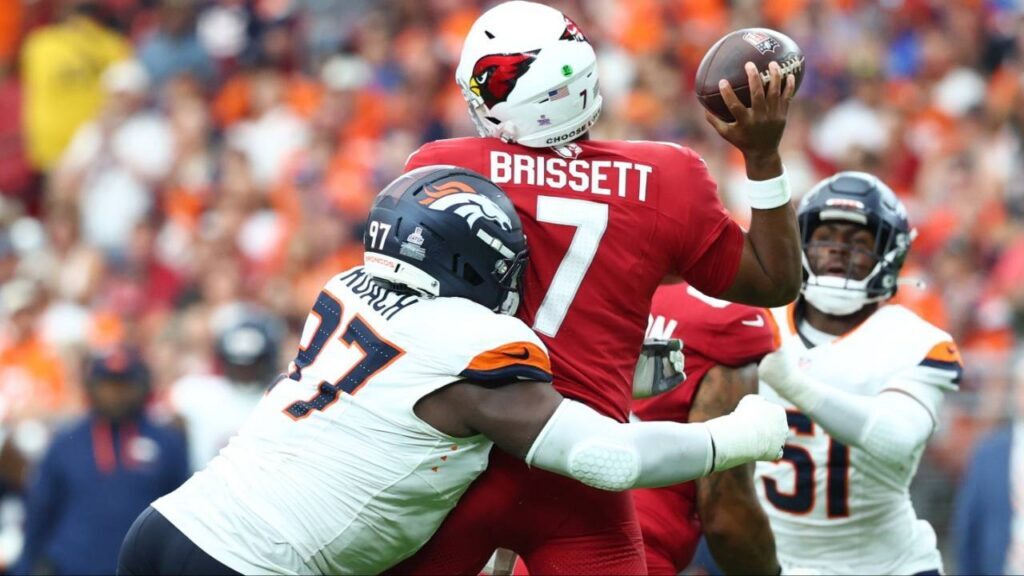
Brissett completed 56.3% of his passes and averaged 5.7 yards per attempt despite throwing 48 times. The quarterback avoided an interception, but ball security alone could not produce enough efficient offense. An afternoon featuring 272 passing yards still delivered only one touchdown pass and three sacks.
The Cardinals needed more completed opportunities beyond its leading receiver, rather than merely a larger passing workload. The target totals show the ball went elsewhere, but those attempts produced too few catches to maintain reliable support. McBride’s performance established an offensive strength without proving the rest of the passing attack functioned efficiently.
Nix And Harvey Changed The Score In Two Plays
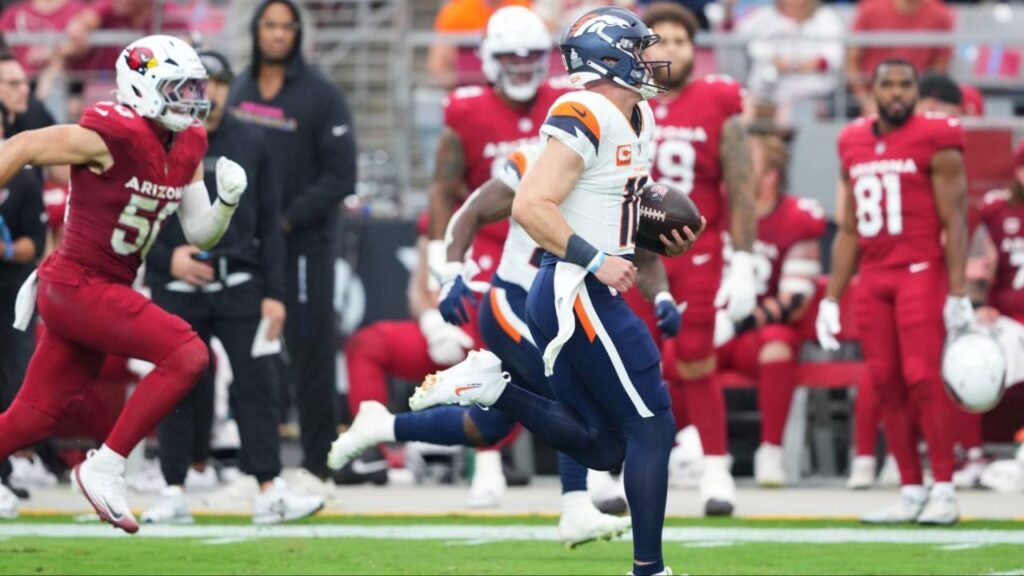
Bo Nix broke a 6-6 tie with a 62-yard touchdown run, sending Denver into halftime ahead 13-6. RJ Harvey then turned a third-quarter screen into a 52-yard touchdown reception, extending the advantage to 20-6. The game recap identified those explosive plays as central to the visitors’ victory.
The visitors gained 114 yards and two touchdowns from those two plays alone. The Cardinals vs. Broncos contrast was stark: one offense repeatedly needed additional snaps near the end zone, while the other scored from distance. A tackle before the end zone would have required additional offensive snaps.
McBride’s touchdown gave Arizona a response, but Denver answered before the third quarter ended. Marvin Mims Jr.’s 47-yard reception helped set up J.K. Dobbins’ one-yard touchdown run for a 27-13 lead. The Broncos restored a two-score margin immediately after the home offense finally completed a touchdown drive.
The Cardinals could not turn their best offensive response into sustained scoreboard pressure because the defense surrendered another rapid answer. The combination left Brissett chasing multiple scores rather than operating within a consistently close game. Red-zone execution explains the missed points, while the defensive breakdowns explain why those points became so urgently necessary.
Knight’s Rushing Average Needs Context
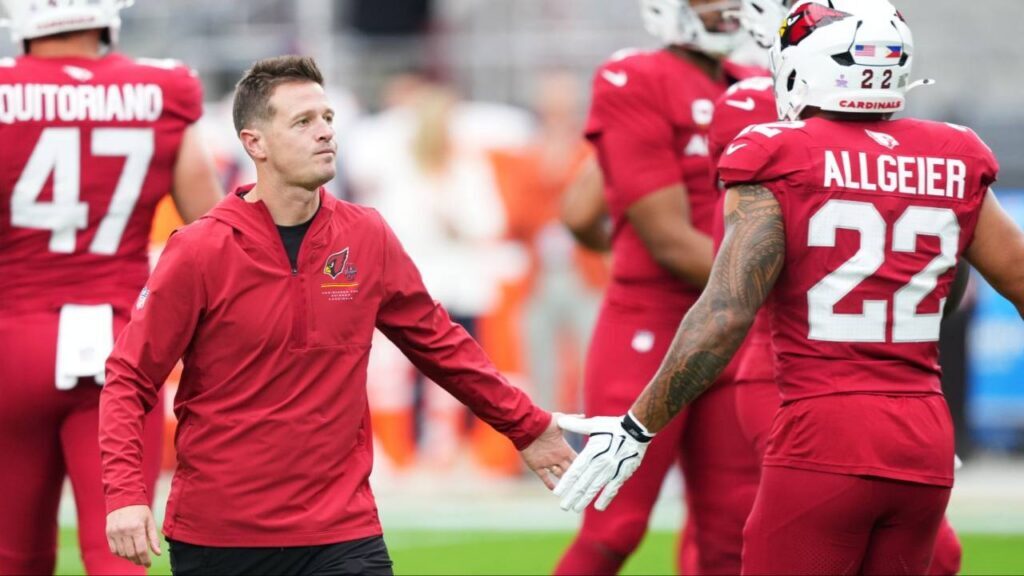
Zonovan “Bam” Knight gained 48 yards on seven carries, while Tyler Allgeier finished with 19 yards on eight attempts. Knight’s 29-yard run accounted for more than half his rushing total, leaving 19 yards across his other six carries. A 6.9-yard average therefore highlighted an explosive gain without establishing consistent production on every attempt.
Arizona finished with 94 rushing yards on 24 attempts, including contributions from Brissett and Wilson. The Cardinals converted five of 17 third downs, a 29.4% rate shown in the team statistics. Neither the rushing total nor the conversion rate demonstrated an offense consistently avoiding difficult situations.
The backfield comparison also resists a simple demand to increase one runner’s workload. Knight supplied the stronger results, but seven carries remain a limited sample dominated by one long gain. More consistent early-down production would help create manageable decisions before the field narrows near the goal line.
Injuries Forced Changes Along Both Lines
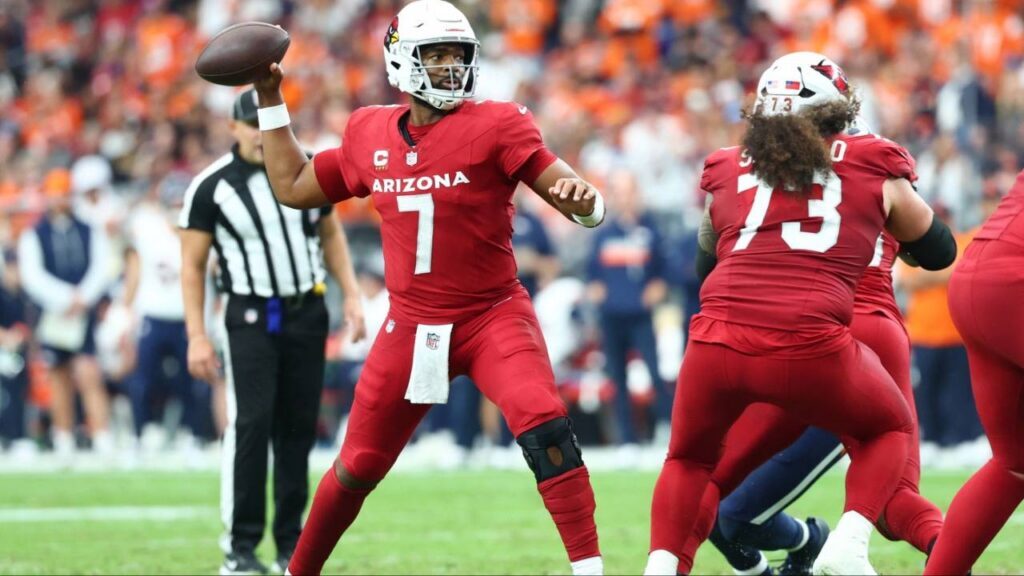
Arizona’s official inactive list included Jeremiyah Love, Jon Gaines II, Walter Nolen III, Andrew Wingard, and Max Melton. Melton missed the game with a knee injury, while Carson Beck served as the emergency third quarterback. Hayden Conner replaced Gaines at right guard, adding another change to an already disrupted offensive line.
Denver’s defensive front repeatedly pressured Brissett, making protection a significant part of the offensive assessment. The team responded to missing personnel through Saturday’s roster adjustments, promoting Evan Hull and elevating Kingsley Eguakun and Jared Harrison-Hunte. The transactions supplied replacements at running back and along both lines without eliminating the difficulties of playing through absences.
Fitzgerald Received A Permanent Place In Franchise History
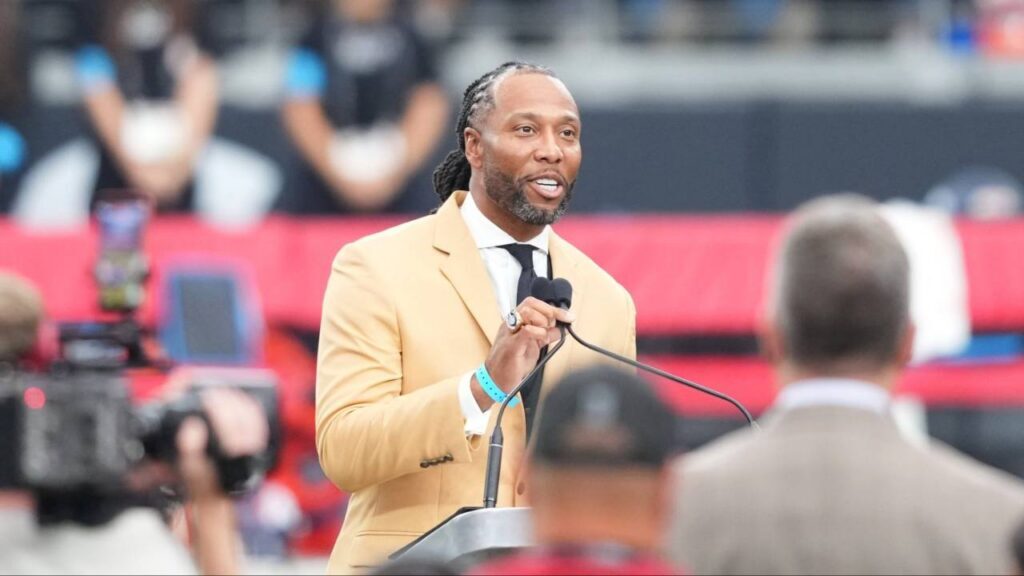
Larry Fitzgerald’s halftime tribute included the retirement of No. 11 and induction into the franchise’s Ring of Honor. Fitzgerald also received his Pro Football Hall of Fame ring following his August induction. The ceremony gave supporters a formal opportunity to celebrate the receiver’s career, even as the current team struggled to finish scoring possessions.
End Of My Cardinals Vs. Broncos Rant
The Cardinals vs. Broncos loss makes goal-line execution the clearest immediate offensive priority. Arizona has generated enough red-zone opportunities over two weeks to show that reaching scoring position is not the only problem. Cleaner protection and completed plays must turn those visits into touchdowns to make that production count on the scoreboard.
The Cardinals visit the Dallas Cowboys on November 1 at 11 a.m. MST, according to the official schedule. Confirmed practice participation should guide expectations for injured players rather than assumptions about immediate returns. The next meaningful improvement is a possession that ends in seven points when the offense reaches the doorstep.
