
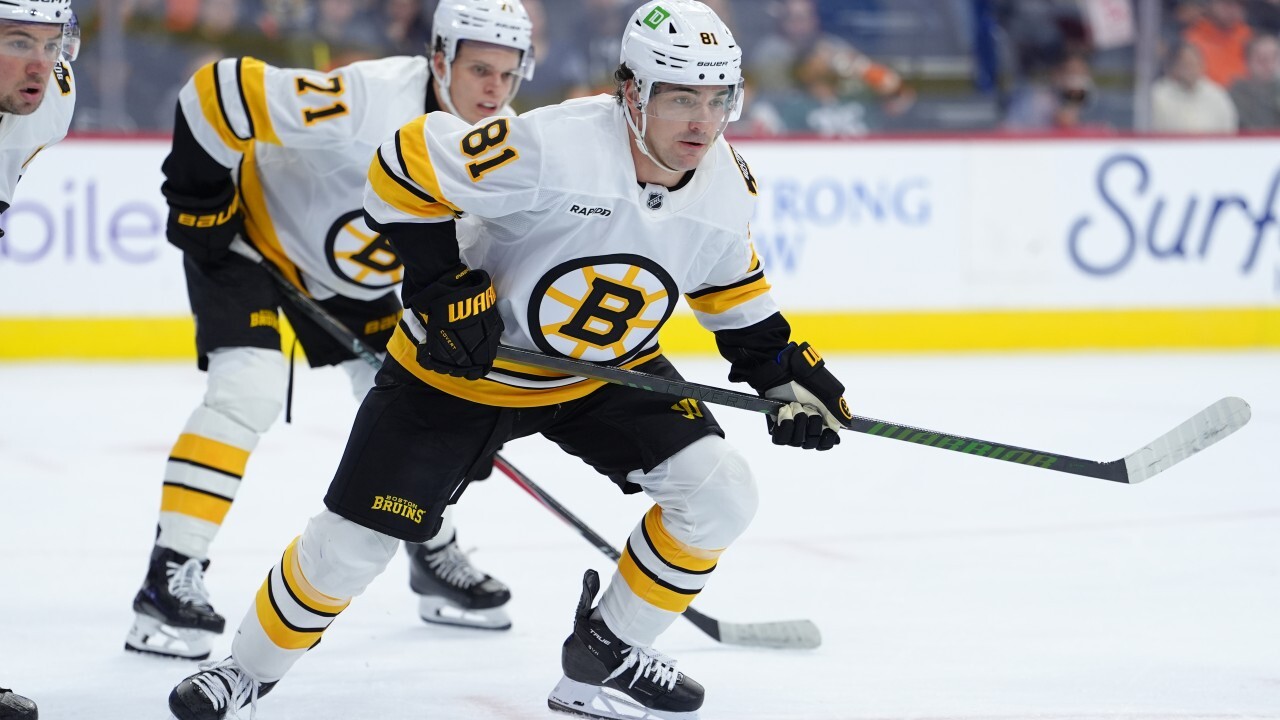
The Boston Bruins home opener isn’t just opening night. Boston is declaring it. The New York Rangers are the first team forced to absorb the consequences.
Circle the date. Underline it. Burn it into the calendar. September 29 isn’t just the Bruins’ home opener—it’s the night Boston stops pretending to be patient and starts showing the league exactly what it intends to take. The Rangers are the first team to feel the shockwave when the Bruins finally take the ice back.
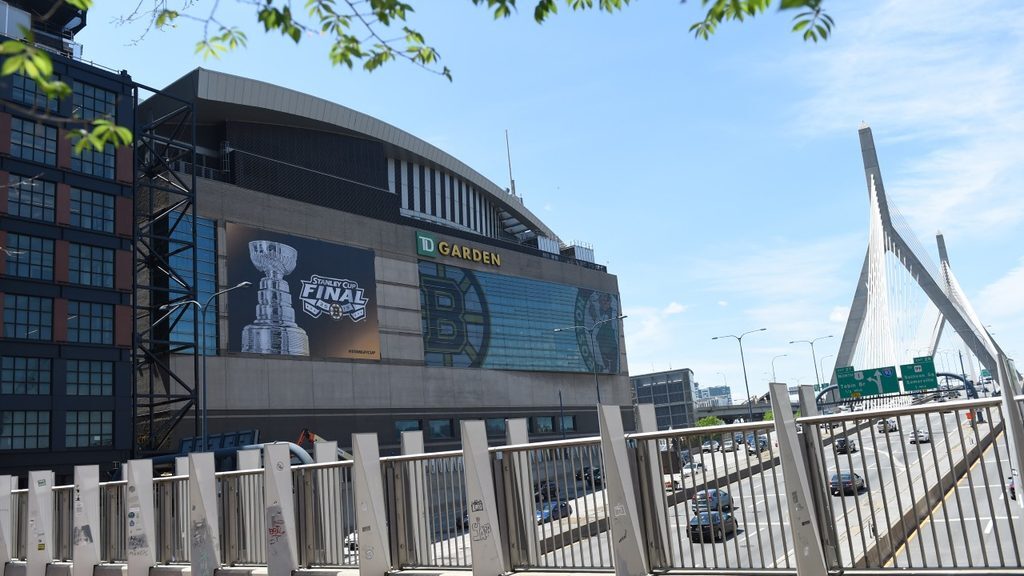
TD Garden has moods. On September 29, it has a motive.
The building has been dormant long enough. It’s been storing noise, pressure, and expectation like a battery ready to discharge. You can feel it in the concrete, in the boards, and in the rafters that have seen too much history to pretend this is just another opening night.
When the lights cut and the crowd swells, the building will inhale before the roar. The Rangers will step onto the ice and realize they’re not entering a rink—they’re entering a trial.
The Garden doesn’t welcome you. It sizes you up. If you flinch, it eats you alive. Opening night in Boston isn’t ceremonial. It’s territorial, and the Bruins are done being polite about their territory.
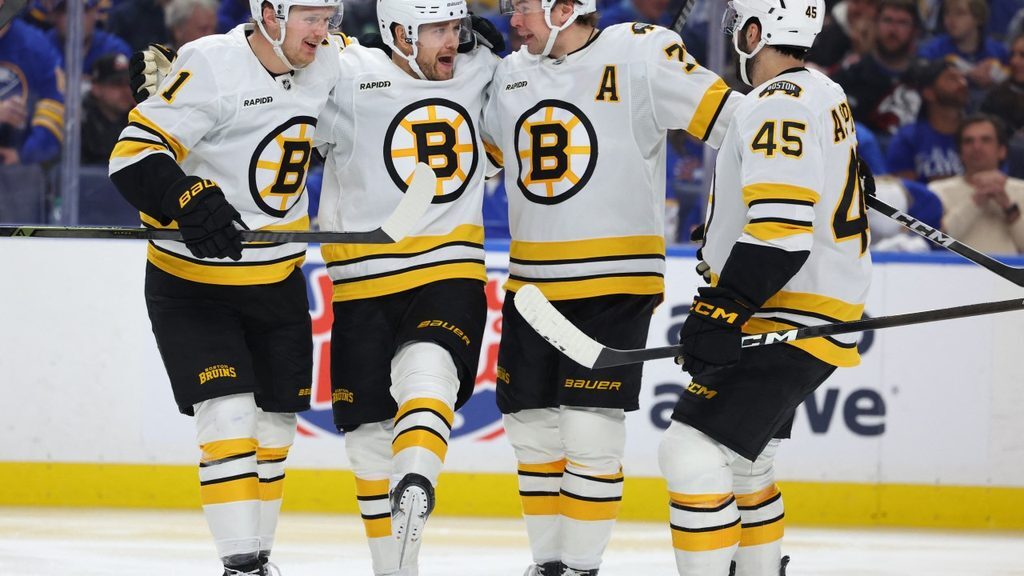
Everything about this roster feels sharpened. Not hopeful. Not curious. Primed.
This isn’t a team easing into rhythm. This is a team already vibrating at playoff frequency, skating like they’ve been waiting months to hit something that isn’t wearing the same jersey.
Pastrnak has that predatory glide—the one that starts slow and ends with a puck detonating off his stick like it’s trying to outrun physics. Lindholm is carving geometry into structure. Zadorov is skating like he wants someone to regret a decision—any decision.
The kids? They’re not here to “gain experience.” They’re here to take minutes, take space, and take oxygen from anyone who hesitates.
September 29 isn’t a beginning. It’s an ignition.
The Bruins can call themselves different all they want. This is where that difference has to become visible. Harder on the forecheck. Faster on loose pucks. Cleaner through the neutral zone. More committed when the game gets ugly. This isn’t about looking perfect. It’s about looking intentional.
The Bruins don’t need every pass to connect. They don’t need every shift to end with a scoring chance. They don’t need to walk into the home opener and play a flawless 60 minutes. They need to look like five players who understand what they’re supposed to be doing.
That’s the difference between a roster and an identity. A roster is names. An identity is behavior. Behavior is what this night will expose.
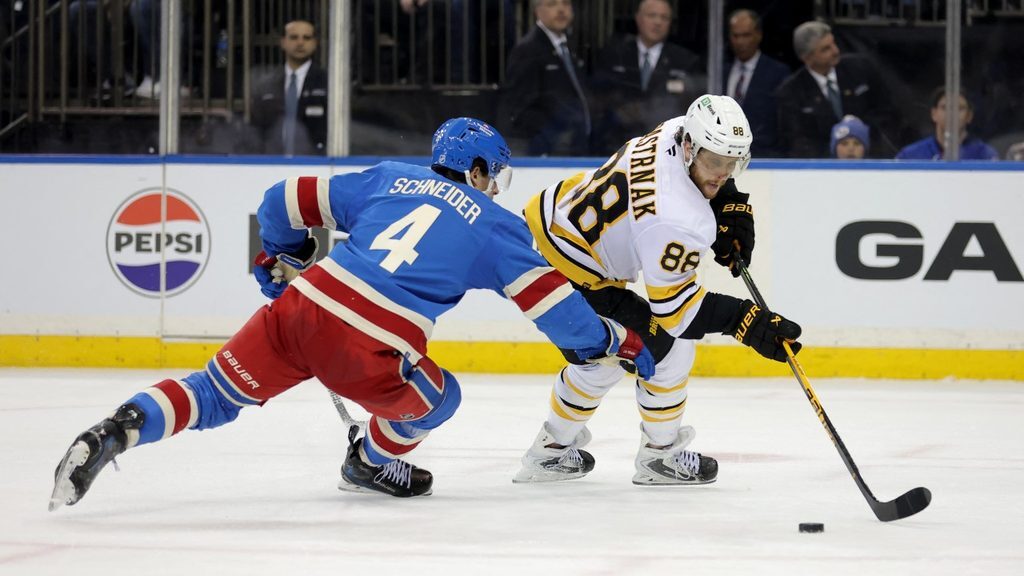
New York is fast. New York is skilled. New York is confident. Good. Let them bring all of that to the Garden. Let them try to dictate pace, possession, and tempo. Let them believe they can set the tone.
Boston isn’t interested in matching the Rangers. They’re interested in measuring them.
The Rangers want to make a statement. The Bruins want to make a threat.
This isn’t a rivalry. It’s a calibration—and Boston needs the calibration to be real. The Rangers don’t need to be weak. They need to be strong enough to expose whether this new identity holds under pressure.
The Rangers are useful precisely because they won’t let Boston coast.
If New York controls the puck, Boston has to defend. If the Rangers push the pace, Boston has to respond. If New York forces mistakes, the Bruins have to decide whether this new identity survives when the game stops going according to plan.
That’s the real test. Not whether Boston looks dangerous when everything is going right. Whether Boston remains dangerous when something goes wrong. An NHL season isn’t built out of perfect shifts. It’s built out of moments when the game gets messy, and someone has to decide what the team is going to be.
Forget the scoreboard for a moment.
Watch the first shift. Watch who gets to the loose puck first. Watch who wins the first battle along the boards. Watch whether Boston attacks or reacts. Watch whether the Bruins spend the opening minute dictating the game or chasing it.
The first shift won’t decide the season. It can tell us whether this team actually believes everything it has been saying. The Garden will know immediately. So will the Rangers. So will everyone watching.
There is a difference between announcing that you’re going to play a certain way and actually playing that way when the puck drops. That’s where identity starts. This is the first opportunity to see which one this is.
Opening night is where the Bruins decide what kind of season this is going to be. Forget “feeling things out.” Forget “finding rhythm.” Forget “early‑season jitters.”
Boston isn’t interested in pacing themselves. They’re interested in controlling the terms of the game. The forecheck has to be immediate. The transition game has to be decisive. Every puck battle has to feel intentional.
This isn’t a “first look.” It’s a declaration of intent.
The Garden doesn’t need another ceremony. It needs noise. The first hit. The first dangerous rush. The first big save. The first time Pastrnak gets the puck with room to work. The first time the Bruins win a battle along the wall and refuse to give the puck back. Those moments won’t be manufactured. They’ll happen. When they do, the building will respond. That’s what makes a home opener in Boston different.
The crowd isn’t just watching the beginning of a season. It’s waiting to decide whether it believes what it’s seeing. This night won’t just introduce the Bruins to the season. It will introduce this version of the Bruins to Boston.
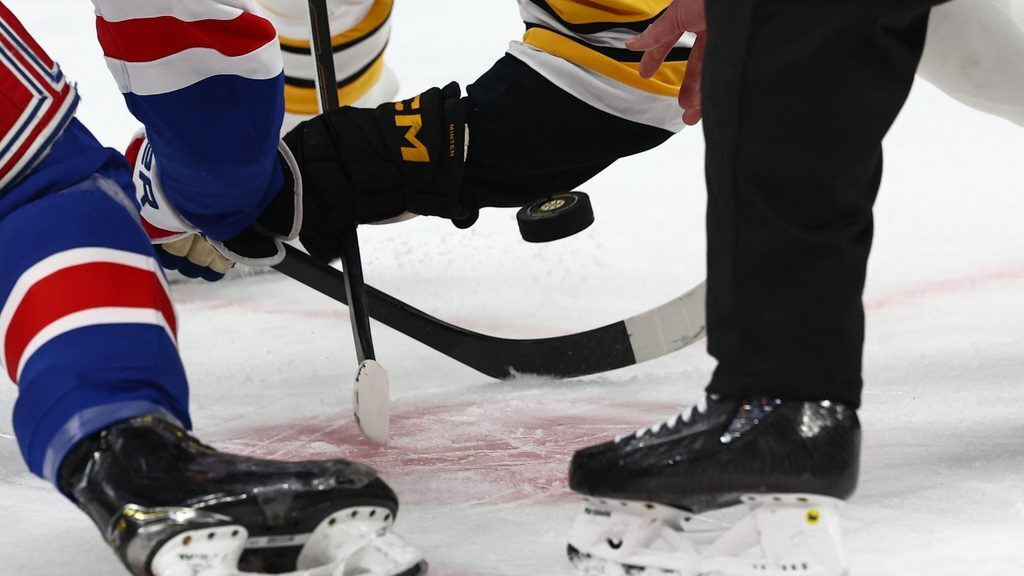
There’s a cinematic silence right before the puck hits the ice—that heavy, suspended breath where the entire building waits. It’s the kind of silence that feels like pressure, like the air itself is bracing for impact. That silence will feel like a threat. Not the roar. Not the anthem. Not the introductions.
The silence. That’s when the Rangers will realize they’re not walking into a celebration. They’re walking into a confrontation. The Bruins aren’t stepping onto the ice simply to play the first game of the season. They’re stepping onto the ice to set the tone for the entire year. They’re stepping onto the ice to reclaim territory. To reassert identity. To remind the league that TD Garden isn’t a venue—it’s a warning.
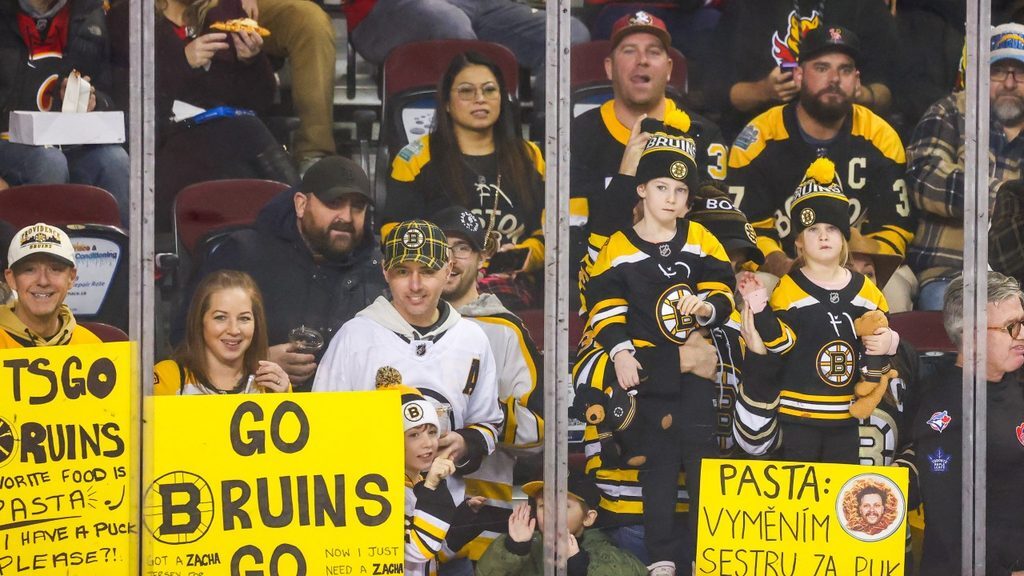
When the puck drops, Boston isn’t trying to win a game. They’re trying to make the season mean something from the first shift—to make the first minute feel like a message, not a warm-up. Opening night isn’t a ceremony. It’s a declaration, and Boston intends to make theirs unavoidable.
This team isn’t easing into anything. They’re stepping into the season like a door being kicked open. Every shift, every battle, every collision is part of a larger statement: that whatever the Bruins are becoming, they’re not waiting for anyone’s permission to become it. Boston is arriving. They’re arriving with intent. They’re arriving with pressure. They’re arriving with a version of themselves that doesn’t care who’s standing on the other blue line.
September 29 is the night the Bruins stop talking about identity and start enforcing it—the night the conversation ends, and the behavior begins. It’s the line in the ice where Boston decides what kind of team they’re going to be and dares the rest of the league to step over it.
