
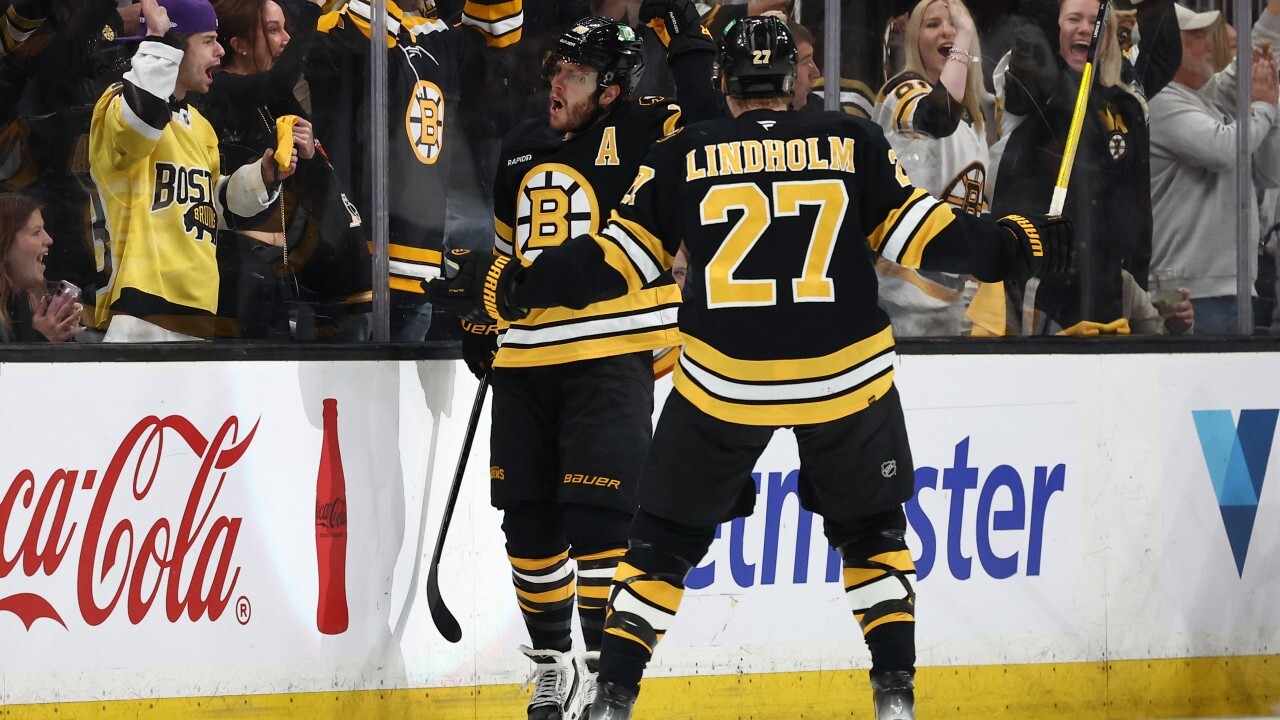
The Boston Bruins are the NHL’s most persistent migraine. The Atlantic Division has dangerous and fast teams, along with dramatic franchises that crave the spotlight and chaos. Boston drags opponents into a game they never wanted to play.
They aren’t villains or juggernauts or headline chasers. This team is a nuisance, a recurring annoyance disguised as a hockey team. Their opponents circle game dates for one reason: burnout.
The Bruins don’t overwhelm opponents with theatrics or star‑driven spectacles. They avoid chasing attention or forcing themselves into nightly storylines. They exist as a constant annoyance built on quiet confidence and deliberate aggravation. The Bruins ruin rhythm, disrupt momentum, and drain patience shift by shift. They do this with a calm, smug ease that feels intentional. This roster knows exactly how aggravating it is and leans into that identity without apology.
Opponents come in wanting to play their own game—speed, creativity, pace. By the end of the first period, that game is gone. They’re playing Boston’s game instead. A low‑event slog where every inch of ice feels contested by a committee. The Bruins force opponents into a style that feels like punishment. They do it with calm, methodical patience. They’re a team that knows the other side will crack first.
The Bruins don’t need chaos. They manufacture discomfort. They make the game feel tedious, frustrating, and suffocating. Once irritation sets in, vulnerability follows. That’s when they strike.
The Bruins win through irritation, not flash. Boston slows the game until it feels like wet cement under skates. They drag every rush into a swamp and turn every breakout into a traffic jam. They turn boredom into a tactical advantage, and it works far too well. They erase pace, creativity, and freedom within minutes. The B’s trap opponents in a low‑event slog where every inch of ice feels contested.
Boston forces teams into a style that feels like punishment. Their lineup relies on methodical patience that wears down even elite rosters. They don’t need chaos because they manufacture discomfort. The Bruins wait for frustration to bloom, then strike opponents when they crack. They play hockey designed to grind opponents down until identity fades.
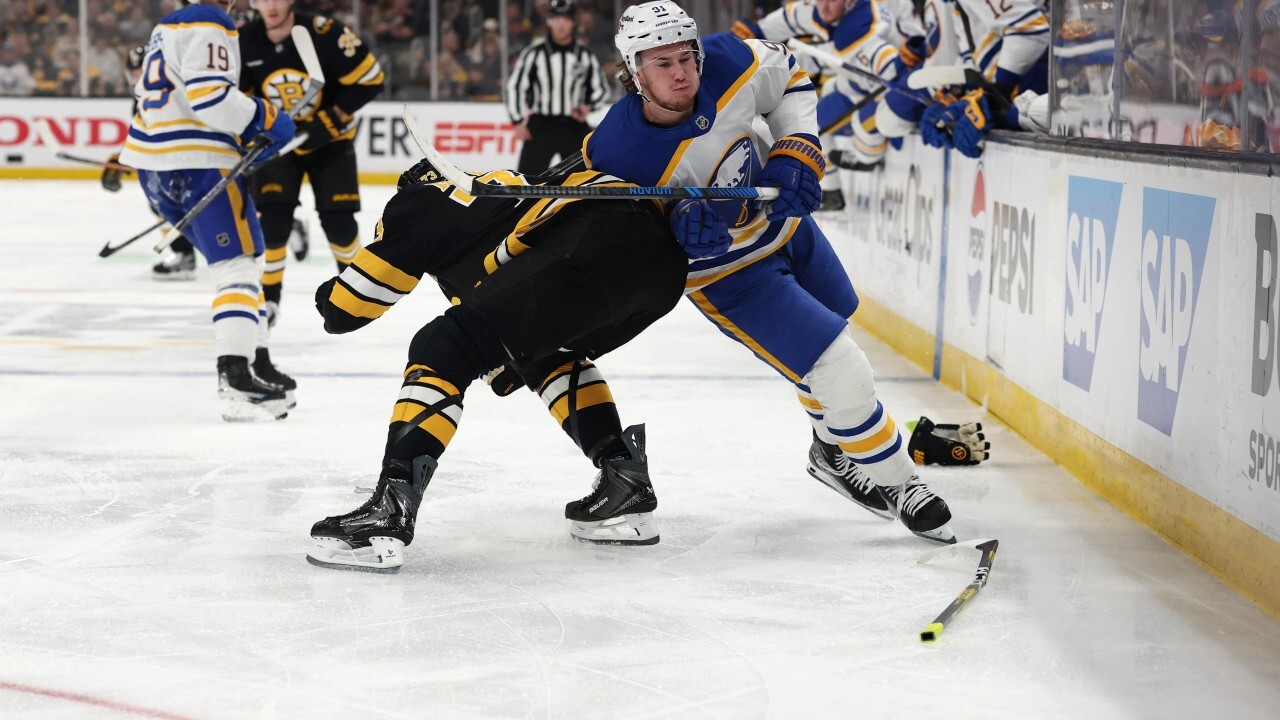
Boston’s blue line removes space, time, and dignity from opponents. The Bruins depend on Charlie McAvoy to eliminate plays with clean, suffocating precision. Hampus Lindholm is a quiet destroyer who reads danger early. Lindholm wipes out threats before they fully form, leaving opponents confused and frustrated. Then add Mason Lohrei as an unexpected problem. Boston uses him to tilt plays in his direction and claim the ice.
The blue line even deploys depth defenders engineered to ruin nights. They resemble a crowded elevator with no oxygen. The Bruins win battles by smothering opponents until escape feels impossible.
The Bruins treat every opponent’s mistake like a personal insult. Boston turns a bobble at the blue line into a transition chance. They convert a misread in the cycle into a goal against. They will punish a lazy backcheck with ruthless efficiency. They don’t need 40 shots because one moment of weakness is enough.
Boston thrives on the frustration they create with their suffocating style. They know sloppy play follows irritation and score the moment discipline slips. The B’s win through petty, opportunistic, brutally efficient hockey. They drive opponents insane by turning mistakes into scoreboard damage.
Boston doesn’t chirp or perform for cameras. The Bruins get under the skin through professionalism. They skate away from scrums and refuse any emotional bait. A team that avoids bulletin‑board material and maintains a maddening calm. They use silence as a form of psychological warfare that competitors cannot shake.
Boston lets the scoreboard speak in passive aggression. The Bruins refuse to be rattled or dragged into chaos. They cause rivals to unravel through refusal alone. A loss to Boston stings more because the Bruins treat their opponents as if they never existed. They win battles without acknowledging the fight.
The Bruins wield depth like a blunt instrument. They don’t rely on glamorous highlight‑reel talent. Boston presents new problems with every line. Their roster forces opponents to play honest shifts without rest. They build a lineup like a filing cabinet: organized, sturdy, and full of unwanted tasks.
Boston wants its third line to play like a second line and its fourth like a third. Key players act as specialized instigators, specifically designed to exploit fatigue. They overwhelm adversaries through relentlessness rather than star power. They force teams into a style no one wants to play.
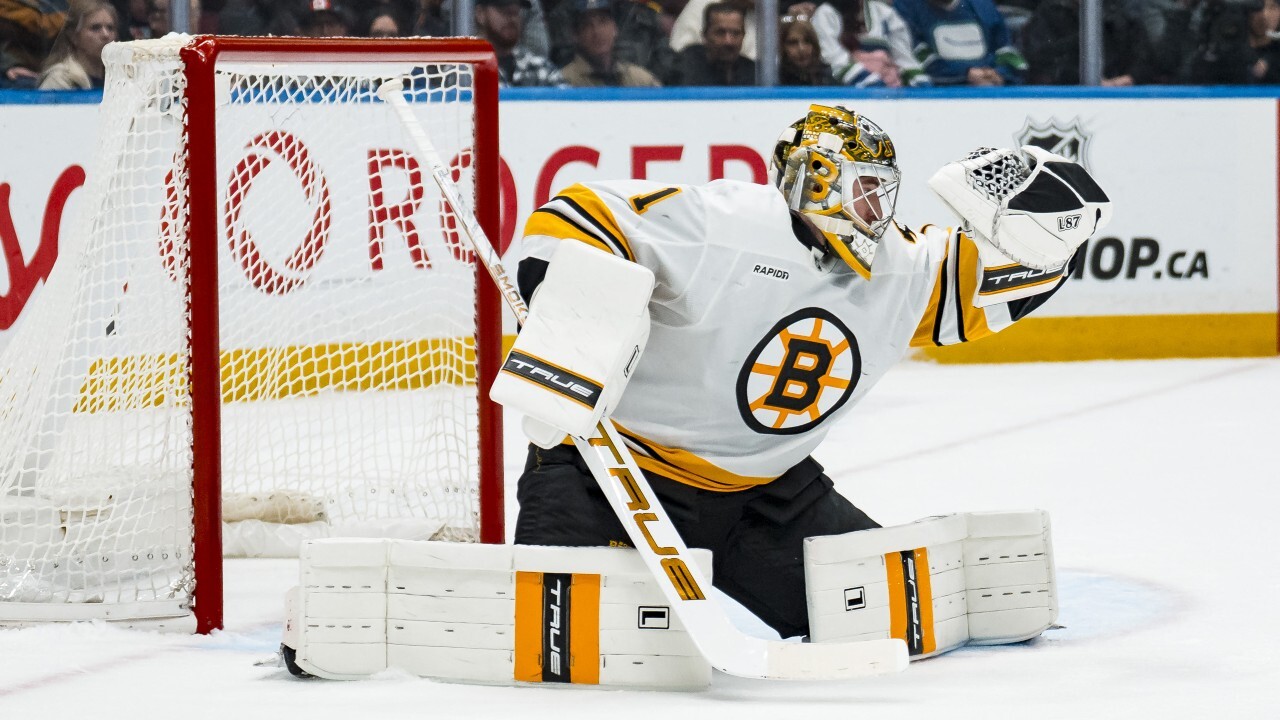
Boston utilizes Swayman and DiPietro, a goalie duo that feels like a trap, rotating calm, composed, game‑stealing goaltenders. They create tests designed for failure. Opponents may dominate chances yet still lose 3–1. The netkeepers shut down openings with exasperating consistency.
The B’s are capable of breaking composure through goaltending alone. They reinforce the frustration built throughout the game. They turn strong efforts into hollow results. The pair crushes teams by proving their best wasn’t enough.
Boston creates a predictable emotional collapse by the third period. They turn annoyance into frustration, frustration into resignation, and resignation into dread. The Bruins don’t overwhelm, intimidate, or out-talent opponents. They merely drain teams down until competence feels questionable.
Boston Bruins hockey proves annoyance can be more destructive than danger.
Danger sparks adrenaline; annoyance grinds you down.
Boston excels at the grind.
