
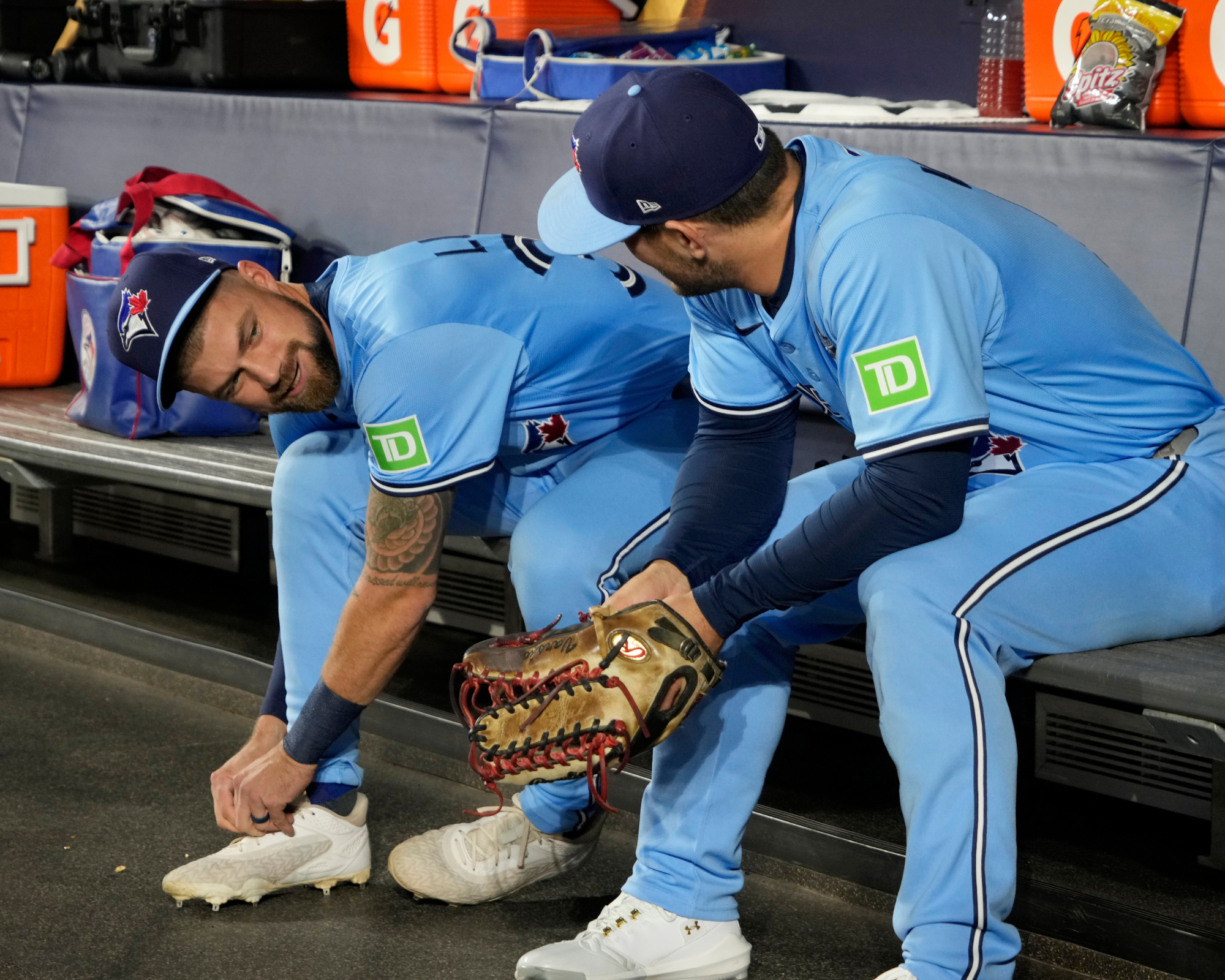
The Toronto Blue Jays are in an enviable position, as MLB front office executives travel to the annual Winter Meetings, beginning this coming Sunday in Orlando.
In effect, the Blue Jays brass, led by President/CEO Mark Shapiro and GM Ross Atkins, have already won the early stages of the offseason acquisition race. For every move that their division rivals even hint towards making, the Jays have immediately countered with a headline of their own that suggests they have no intention of slowing down.
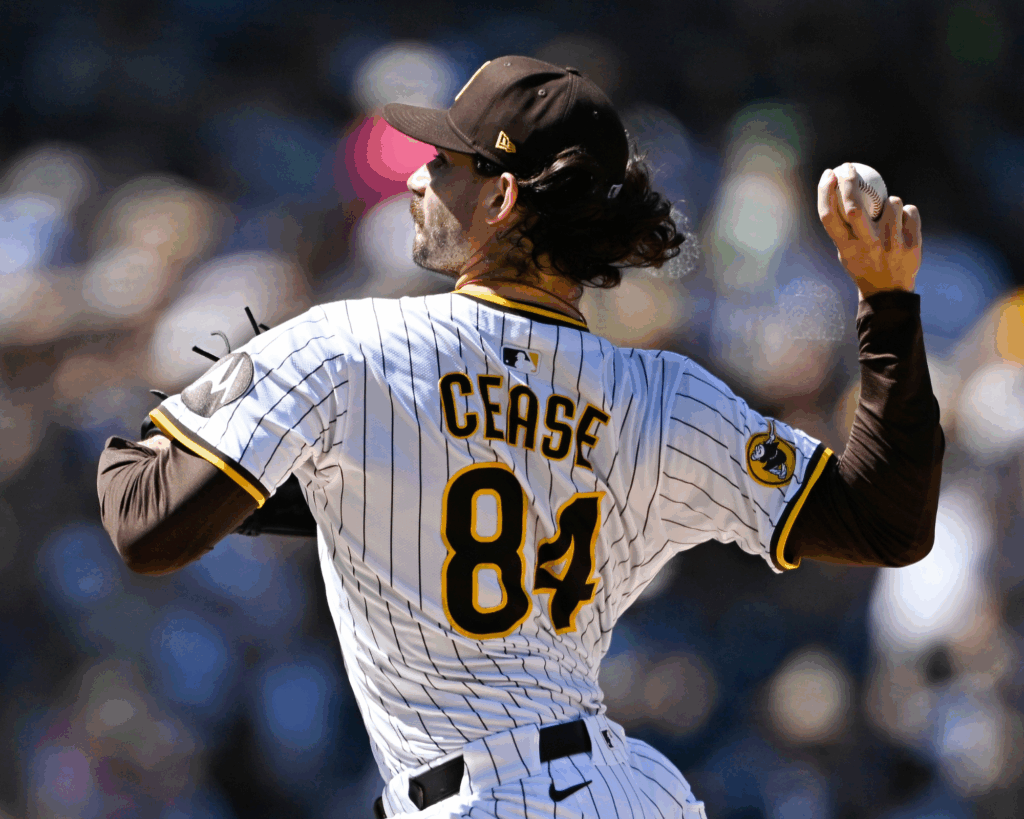
First, they retained the services of Shane Bieber for another year, then topped the Red Sox trade for Sonny Gray, with a mega-signing of Dylan Cease. Yesterday, more news came from the Jays’ camp: they confirmed the signing of Cody Ponce, who had been on various teams’ radar, for a return to MLB. Ponce completely dominated the KBO (roughly a “AA” equivalent) and has the elite metrics to suggest he will either compete for a spot in the starting rotation or, at the very least, be a power arm similar to that of Louis Varland, coming out of the bullpen.
Toronto has masterfully positioned itself as an admirable free agent destination. Presuming a player wants to feast on the competition and fulfill their desire to win. In that case, there isn’t a team in the American League at this time with the balanced lineup, impeccable defense, and projected one-through-five starting rotation quite like the Blue Jays.
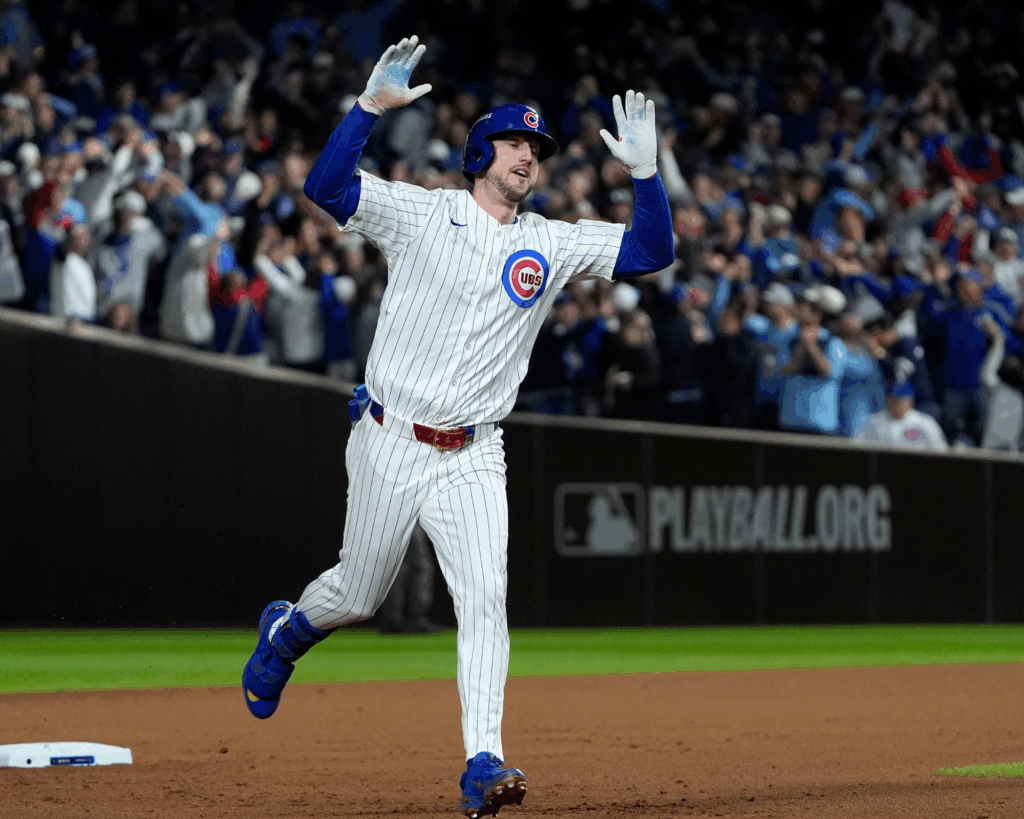
So why not go all-in now? “Cock the Hammer”, and bury the competition. Stack the lineup by signing Bo Bichette and Kyle Tucker. Fill any potential holes at the backend of the bullpen by signing closer Robert Suarez, and take some of the pressure off of Jeff Hoffman.
As awesome as it feels to make B-Real and Cypress Hill references to the Blue Jays’ offseason pursuits, there are risk factors to consider if the all-in strategy is, in fact, the plan.
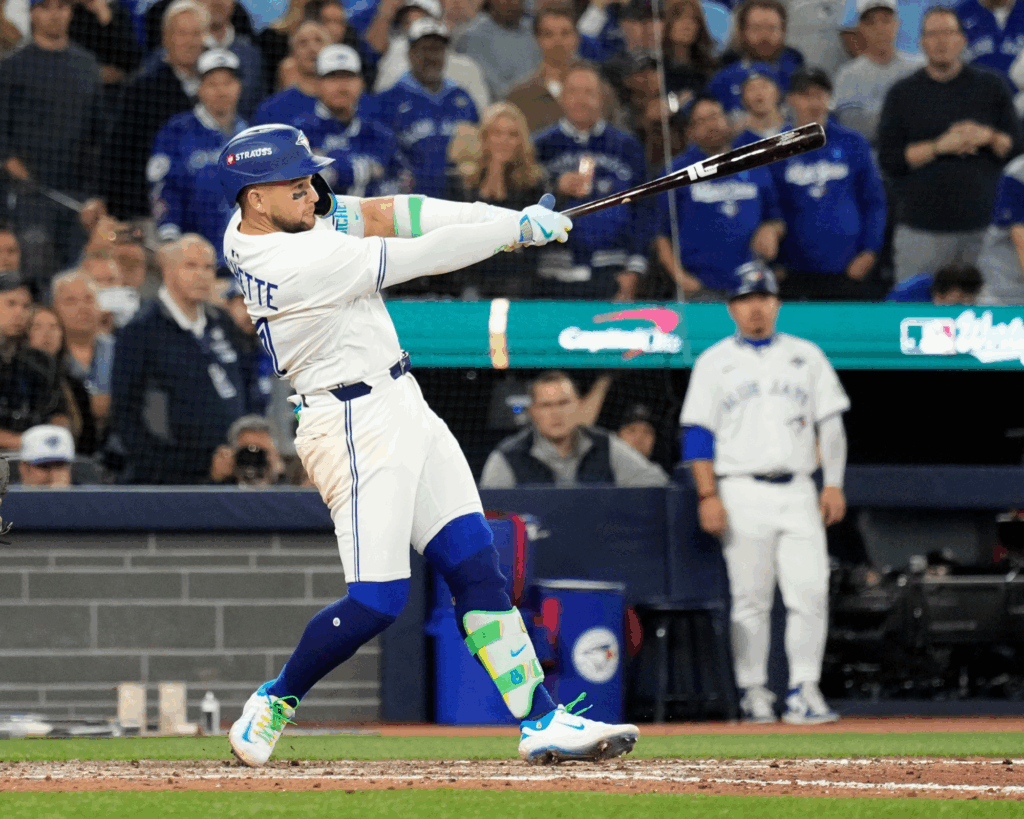
The competitive balance tax threshold (CBT) for next season is somewhere in the neighbourhood of $247 million for MLB team payroll. Exceeding that will result in a 20% tax on any overage. The Blue Jays have been relatively disciplined in terms of spending in recent years, hovering slightly below that threshold from one year to the next. In 2025, though, the Jays exceeded the CBT. Next season, in 2026, with current projections, they will have already exceeded that mark, once again. Two consecutive years of overage will incur a 30% tax, while three years will result in a 50% tax.
Now there are teams and ownership groups who care as much about the CBT tax as teenagers do about putting a quarter in the swear jar. Are the Blue Jays and the Rogers group really prepared to be one of those?
Signing Bo, Tucker, and Suarez will almost certainly place the Blue Jays as the odds-on favourite to win the American League once again in 2026. A rematch of the World Series against the mighty Dodgers will be incredibly exciting, and chances of winning it all convincingly, will be much greater with those additions.
The one guarantee in this scenario is that the Blue Jays will be subject to at least a 50% CBT tax for years to come. It will impede their ability to sign and acquire anyone else. Moreover, if, for whatever strange reason, the Blue Jays don’t make the playoffs in 2026, then they will be looking at dumping salaries through desperate, low-return trades for some time afterwards.
Let’s embrace the fact that it was depth and contributions from everyone on the Jays’ roster that made them great? The playoff run to the World Series proved unequivocally that they can win without Bo Bichette. Sure, signing Tucker might be nice. Another possibility is having George Springer alternate with Anthony Santander between the outfield and DH, allowing promising young outfielders such as Joey Loperfido, Jonatan Clase, and Alan Roden to get their reps. The 2025 Blue Jays were enormously successful thanks to contributions from their entire roster. Why change this blueprint? The team has its star power as is. Blindly sailing past the CBT isn’t exactly the Blue Jay way, and could backfire in the long run.
