
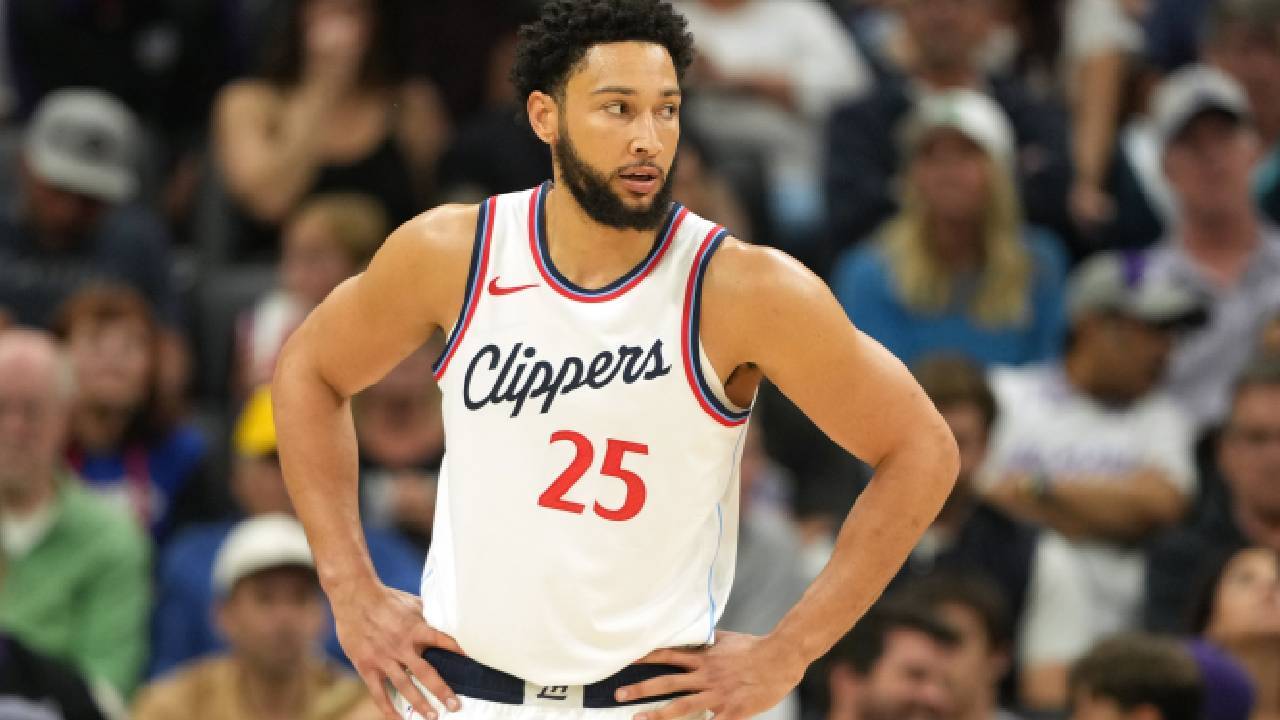
Ben Simmons is back in the NBA, and the Sacramento Kings are betting that one of basketball’s most polarizing reclamation projects still has something meaningful left to offer. The former No. 1 overall pick agreed to a one-year, $3.5 million veteran-minimum contract with Sacramento after missing the entire 2025–26 season. The deal gives the rebuilding franchise a low-cost chance to see whether Simmons can still become a useful NBA rotation player, as ESPN reported.
Simmons was once a three-time All-Star, an All-NBA selection, the 2018 Rookie of the Year and one of the NBA’s most versatile defensive players. Sacramento does not need that version of Simmons to return immediately. A healthy player who can defend multiple positions, rebound, facilitate and push the ball in transition could address several needs on a roster that finished 22–60 last season.
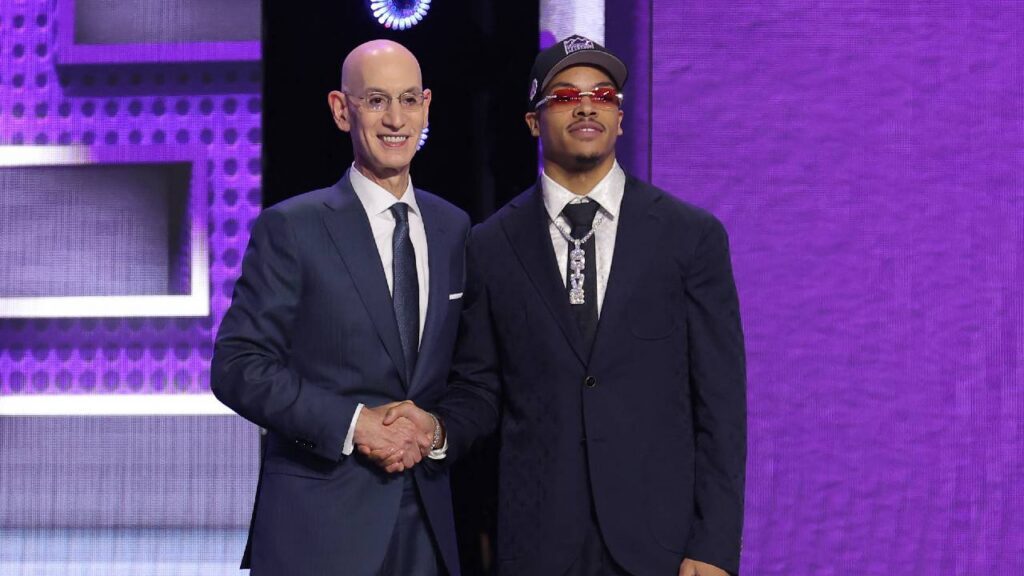
Sacramento does not need Simmons to become a 20-point scorer or franchise centerpiece. The Kings need another ballhandler, a versatile defender and a veteran capable of taking some pressure off a young backcourt.
Darius Acuff Jr. is expected to enter his rookie season as an important part of Sacramento’s backcourt after being selected seventh overall in the 2026 NBA Draft. Simmons gives Christie a 6-foot-10 secondary ballhandler who can back up Acuff while also taking on larger defensive assignments. Basketball.com.au reported that Simmons is expected to arrive as a backup point guard with the ability to cover positions one through five.
Acuff was drafted to become Sacramento’s lead guard, but asking a rookie to organize every possession can become predictable. Simmons can take the ball after defensive rebounds, push it up the floor and initiate offense before Acuff even gets into the action. That allows Acuff to spend more possessions attacking from the wing, working off Sabonis screens or relocating for catch-and-shoot opportunities instead of bringing the ball up every possession himself.
Sacramento’s roster also gives Simmons a reasonable structure around him. Malik Monk can create offense, Zach LaVine can provide scoring, Nique Clifford can supply size on the wing and Domantas Sabonis can function as the offensive hub. That leaves Simmons with a role that does not require him to dominate the ball.
The obvious problem is spacing. Opposing defenses can still leave Simmons open and crowd driving lanes, making the players surrounding him particularly important. Sacramento cannot simply put Simmons on the floor and expect Sabonis to create enough space for everyone.
Recent production explains why expectations should remain modest. Simmons averaged 5.0 points, 5.6 assists and 4.7 rebounds in 51 games for Brooklyn and the Los Angeles Clippers during the 2024–25 season, according to NBA statistics. Simmons averaged 2.9 points, 3.8 rebounds and 3.1 assists in 18 games with Los Angeles after being traded there. If he can defend, advance the ball, make quick reads and create advantages in transition, Simmons can still fill a role that the Kings do not currently have in abundance.
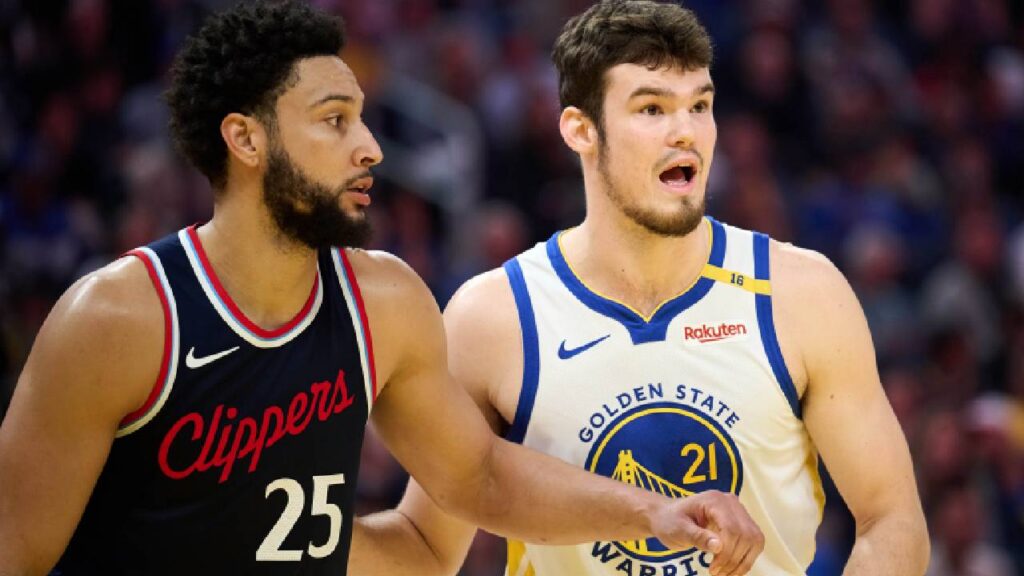
Health remains the largest concern. Simmons has not played more than 58 games in a season since 2018–19 and missed the entire 2021–22 campaign. Recurring back problems have also repeatedly interrupted his career. The former No. 1 overall pick appeared in 51 games in 2024–25 before missing all of 2025–26.Reuters reported that Simmons was practicing without restrictions before agreeing to the Sacramento deal.
Spacing presents the next problem. Simmons owns a career 13.9 percent three-point percentage and has attempted only 48 three-pointers across 383 regular-season games. A career 59.2 percent free-throw percentage further limits his offensive value. Those numbers give defenses a clear reason to leave him away from the basket.
Sacramento therefore has to be careful about which lineups surround Simmons with enough shooting. Putting him next to several non-shooters would allow defenses to clog the paint and make life harder for Sabonis. It would also remove the driving lanes Simmons needs to make an impact.
Defensive production provides the strongest reason to accept that offensive limitation. Simmons posted a 113.1 defensive rating over 51 games in 2024–25 while averaging 0.7 steals and 0.5 blocks. That is not the same player who finished second in Defensive Player of the Year voting in 2021. Still, it provides more recent evidence of what Simmons can contribute than simply pointing back to his All-Defensive seasons.
That skill could be particularly useful for Sacramento because the Kings allowed 121.5 points per 100 possessions last season, ranking 28th in the NBA, according to Basketball-Reference’s Sacramento team statistics. Simmons does not have to transform that defense by himself. However, a 15–25-minute defensive role could help address an obvious weakness on the roster. The former No. 1 overall pick can switch across positions, rebound, and initiate transition after stops, making him a useful option for Christie.
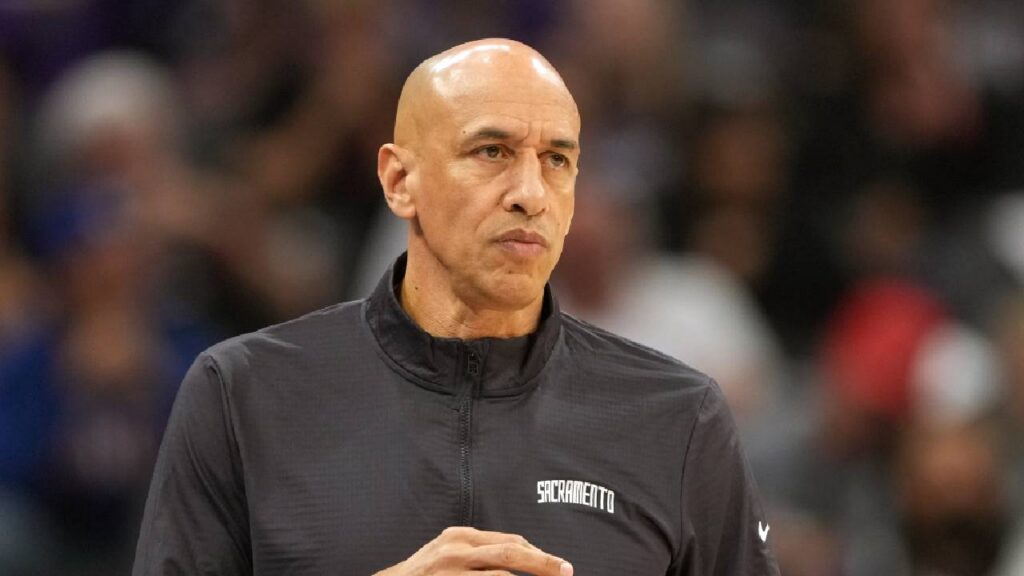
Sacramento’s front office had a chance to evaluate Simmons extensively before committing to the deal. Simmons worked out for Scott Perry in Miami before traveling to Sacramento for a medical examination, an on-court workout and meetings with Christie and the basketball staff. ESPN’s report detailed Perry’s involvement in the evaluation.
Christie apparently came away impressed almost immediately. Marc J. Spears reported that after watching Simmons work out, Christie responded, “Within minutes, Doug Christie was like, ‘I’m good. Let’s get him. He looked great.’”
The contract also limits the downside. Simmons is making roughly $3.5 million on a one-year veteran-minimum agreement, giving Sacramento a chance to evaluate him without committing significant long-term money. NBC Sports described the contract as a veteran-minimum deal and noted that its guarantee structure had not yet been publicly established.
If Simmons stays healthy and becomes a useful rotation player, Sacramento gets legitimate value from a minimum-salary signing. If his body or shooting prevents him from contributing, the Kings can move on without having tied up significant long-term money.
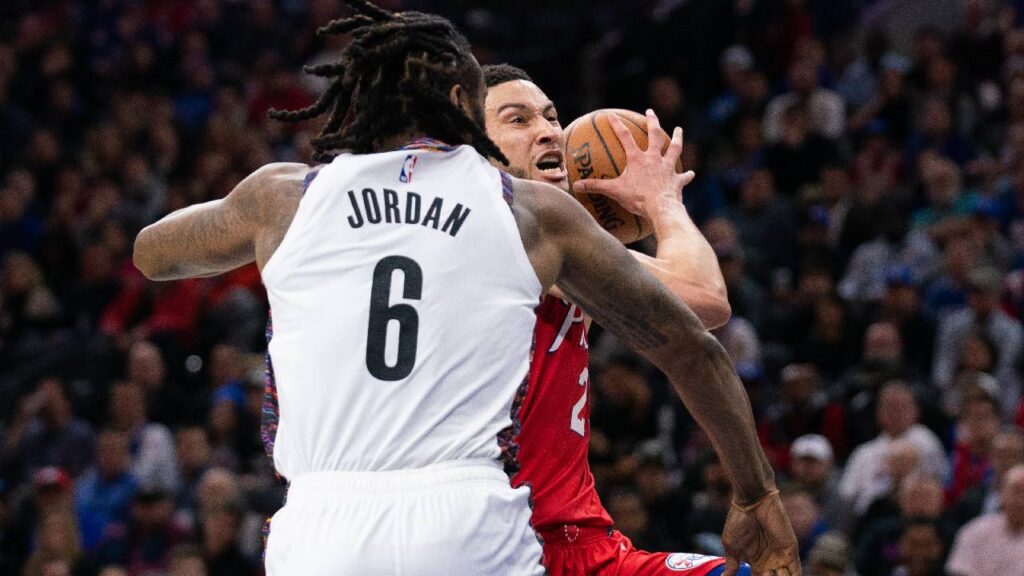
Simmons’ best route back into the NBA does not require a scoring explosion. A narrower role built around defense, rebounding, transition play, and passing would allow Sacramento to use Simmons’ remaining strengths. It would not require him to become the player he was in Philadelphia.
The historical version of Simmons showed how valuable that combination could be when his body cooperated. Simmons averaged 16.9 points, 8.8 rebounds, and 7.7 assists in 79 games during the 2018–19 season. In 2019–20, he averaged 16.4 points, 7.8 rebounds, and 8.0 assists across 57 games.
Peak production is no longer a reasonable expectation. Sacramento only needs enough of the defensive mobility, passing and transition ability that once made Simmons so difficult to match up with.
There is still an obvious downside. If Simmons cannot stay healthy or refuses to attack defenses when left open, Sacramento may eventually have to reduce his minutes. The same could happen if his spacing limitations make him too difficult to play. A minimum contract does not guarantee a rotation spot.
That is what makes the signing reasonable rather than reckless. The Kings are not betting their future on Simmons. They are giving themselves a chance to find out whether there is still a useful NBA player underneath the injuries and diminished production. Durability, aggressiveness and shooting will determine how far the comeback goes. A healthy Simmons who accepts a smaller role gives Sacramento a realistic chance to turn a $3.5 million flyer into a useful rotation piece.
The Kings are not foolish for signing Ben Simmons. They are taking a calculated gamble on a former All-Star who still has skills that could address some of their biggest needs. Sacramento doesn’t need him to be a superstar. It needs him to stay healthy, defend, move the ball and accept a role that fits what he can still do.
That’s the key to this entire experiment. Simmons’ shooting limitations and injury history make him a risk. Still, the one-year, $3.5 million deal gives Sacramento room to find out whether a useful NBA player remains beneath the injuries and diminished production. If it doesn’t work, the Kings can move on. If it does, they may have found a valuable rotation piece for very little money. For a player with Simmons’ size, passing ability and defensive versatility, that’s a gamble worth taking.
