
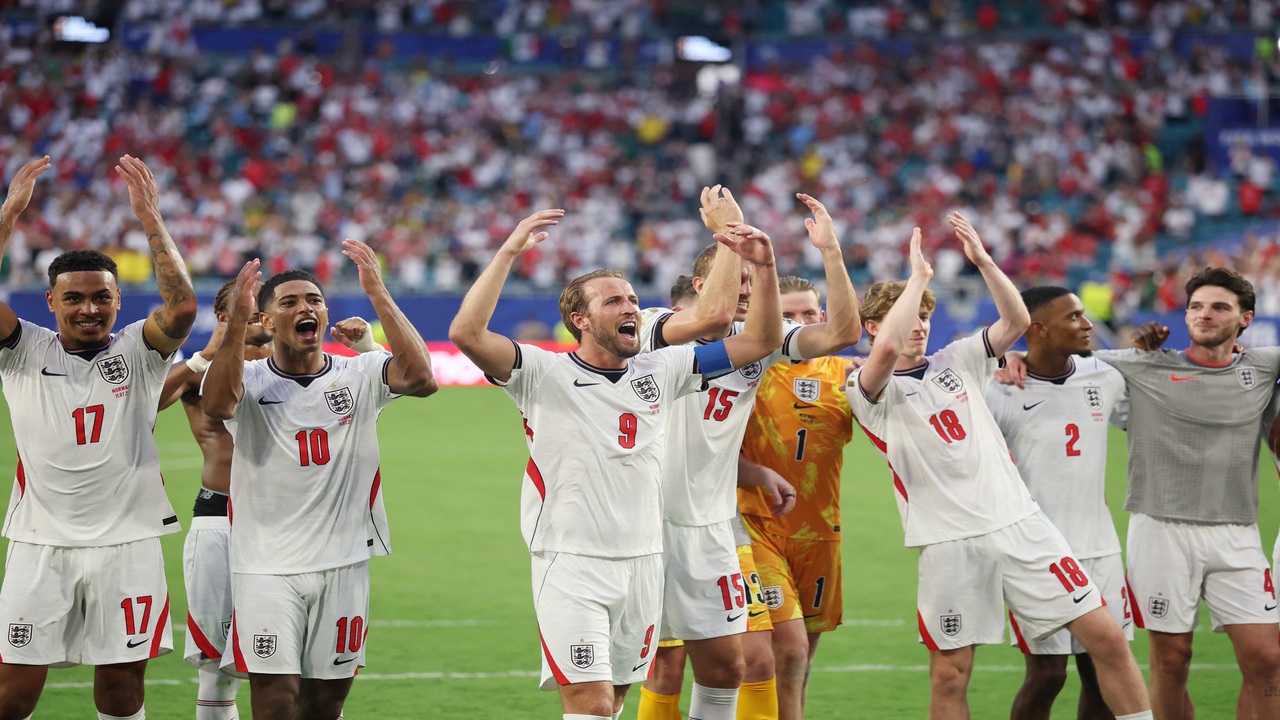
The Ballon d’Or 2026 ceremony takes place October 26 in London. Harry Kane has emerged as the leading favorite in early betting markets, but the race remains unusually open behind him.
The award’s own criteria put individual performance first, followed by collective achievements and then class and fair play — a framework that cuts in different directions depending on which candidate you’re evaluating.
The full shortlist runs to 30 nominees and includes major names beyond this list — Erling Haaland, Jude Bellingham, Vitinha, Vinícius Júnior and Declan Rice are all on it, and any of them could realistically factor into the final voting.
This piece focuses on the seven candidates whose combination of individual output, trophies and World Cup impact currently makes them the most-discussed names in the race, with Lionel Messi addressed separately given his own unusual case.
| Player | Main Case | Biggest Weakness |
|---|---|---|
| Harry Kane | 73 goals, Bundesliga/DFB-Pokal double | No Champions League or World Cup |
| Rodri | World Cup winner, Golden Ball | Modest club-season output |
| Kylian Mbappé | 58 goals, World Cup Golden Boot, all-time WC scoring record | France lost WC semifinal, thin Madrid trophy haul |
| Lamine Yamal | World Cup, La Liga, Supercopa | Quiet personal World Cup output (1 goal) |
| Michael Olise | 15G/19A, Bayern’s best all-rounder | No signature trophy or tournament |
| Ousmane Dembélé | Defending champion, back-to-back Champions League | Reduced individual numbers vs. last season |
| Fabián Ruiz | Champions League + World Cup in the same year | No standout individual statistic |
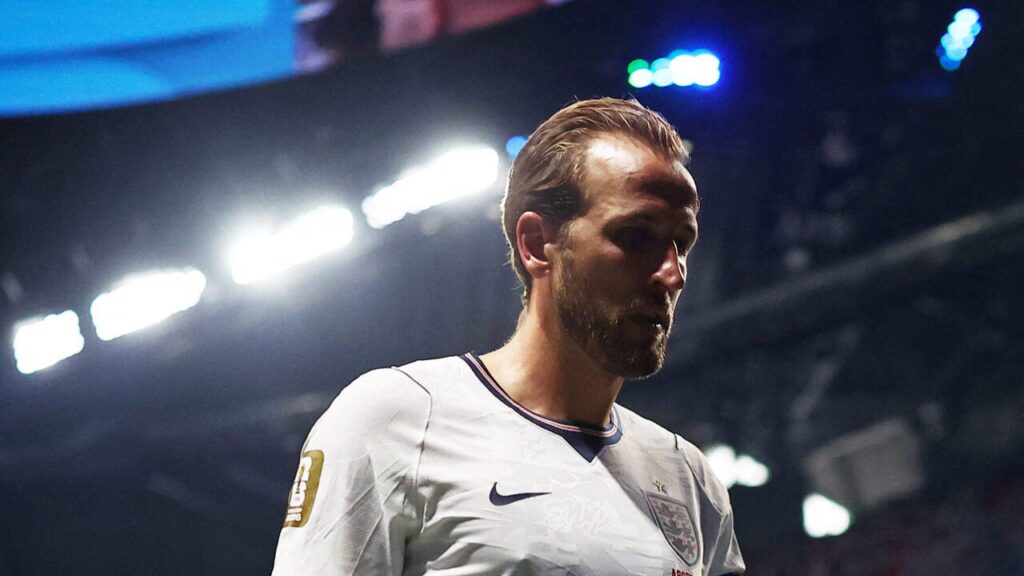
The case: Kane has the clearest numbers-plus-trophies argument in the field. He scored 73 goals for club and country in 2025-26, won the Bundesliga and DFB-Pokal with Bayern Munich, and led England to its best World Cup finish since 1966 — a third-place result, according to Al Jazeera’s coverage of the shortlist.
His case isn’t purely about volume, either; his hold-up play and chance creation add real weight to the individual-performance argument.
The weakness: The problem is that his biggest rivals can point to achievements Kane cannot: Rodri has the World Cup and Golden Ball, while Mbappé has the World Cup Golden Boot and the all-time World Cup scoring record.
Bayern were eliminated before the Champions League final and England fell to Argentina at the World Cup semifinal stage. Can 73 goals and a domestic double outweigh players who won the tournament that carries the heaviest weight in the voting?
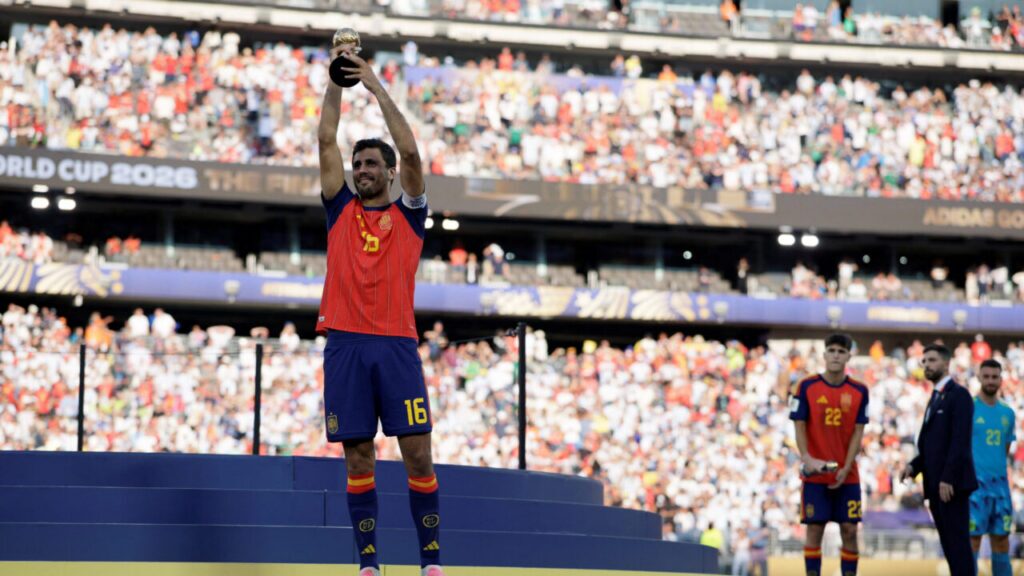
The case: Rodri has the World Cup-winner-plus-tournament-MVP argument. Spain won the 2026 World Cup, and Rodri was named the tournament’s best player and awarded the Golden Ball, cementing his central role in Spain’s midfield, confirmed by FIFA’s own award announcement.
He already won the Ballon d’Or in 2024, so voters have previously recognized his influence, and he added the FA Cup and Carabao Cup with Manchester City before his summer move to Barcelona.
The weakness: His club season wasn’t dominant. Rodri scored just two goals all season while managing his return from ACL surgery, with multiple reports describing him as off the pace for much of the campaign before his World Cup form arrived.
Can one exceptional tournament outweigh a comparatively quiet nine months at club level?
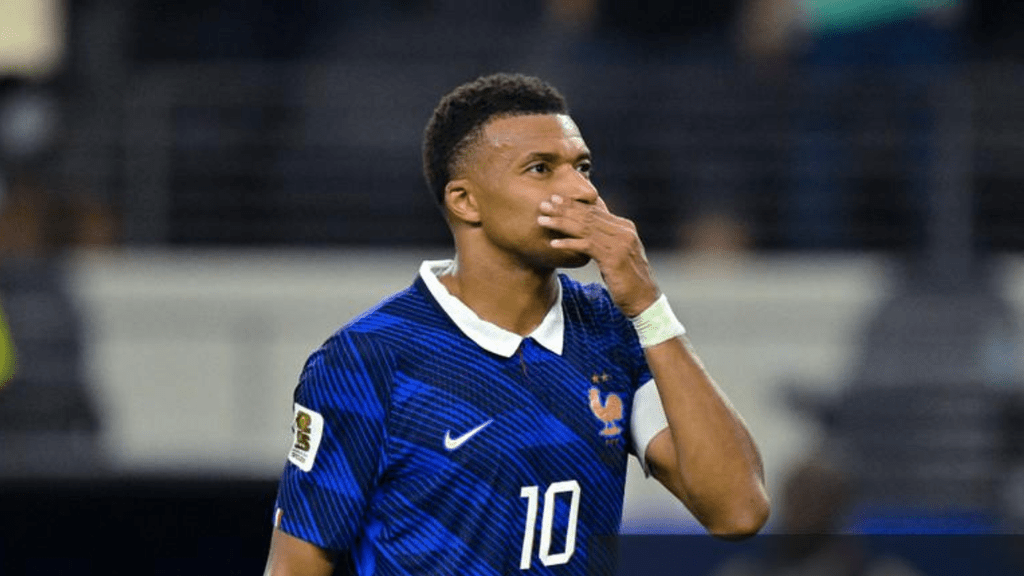
The case: Mbappé has the individual-brilliance-plus-history argument. He scored 58 goals with 14 assists in 2025-26, won a second consecutive European Golden Shoe, and became the World Cup’s all-time leading scorer with 22 career tournament goals, overtaking Messi’s previous record in fewer games.
Mbappe’s 10 goals at the World Cup itself earned him a historic second Golden Boot, confirmed by FIFA’s award list. He was also this Champions League’s outright top scorer with 15 goals for Real Madrid, one clear of Kane’s 14, according to UEFA’s own tournament coverage.
The weakness: Team trophies remain thin. France lost to Spain in the World Cup semifinal, and Real Madrid didn’t win the Champions League despite Mbappé topping its scoring charts.
That’s arguably the strongest individual case in the field, attached to one of the thinner trophy hauls among the leading candidates.
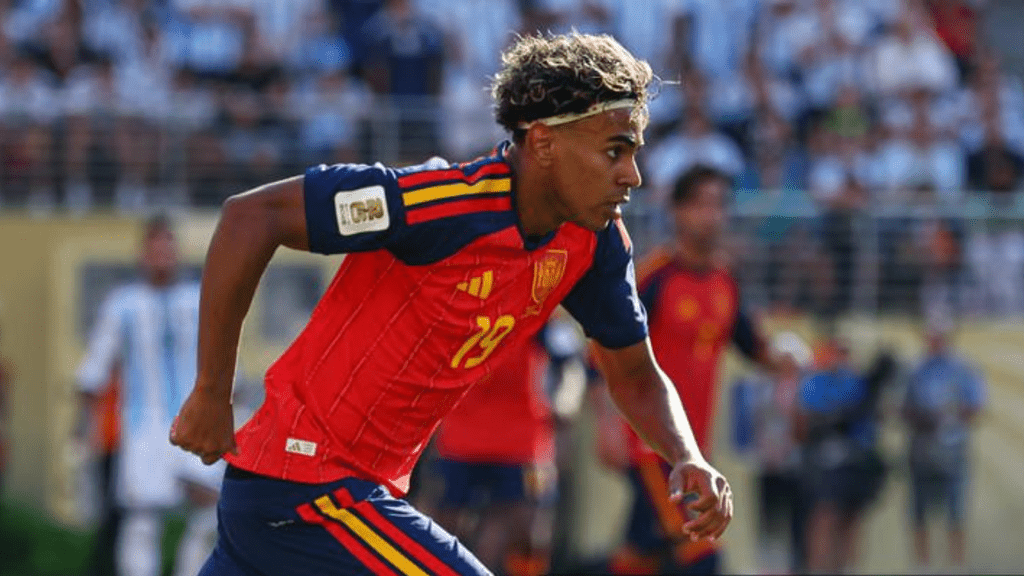
The case: Yamal’s argument is trophies plus age-defying consistency. He won the World Cup, La Liga and the Supercopa de España, and posted 26 goals and 21 assists across the season.
Yamal is on course to become the first player under 21 to win the award, and his technical influence and chance creation make his case broader than a pure goalscoring argument.
The weakness: His World Cup output was modest by his own standards — just one goal in eight appearances — even though his overall influence in stretching defenses helped create space for others. Does a brilliant club season outweigh a World Cup where his direct personal output was relatively quiet?
The case: Olise has perhaps the most easily overlooked résumé in the field. He’s one of four Bayern Munich nominees on the 30-man shortlist, alongside Kane, Luis Díaz and Dayot Upamecano, and posted 15 goals and 19 assists in the Bundesliga alone, according to Bundesliga.com.
Olise’s candidacy gained real momentum on September 18 when he scored a hat-trick and added two assists in a 7-0 win over Union Berlin — his fourth man-of-the-match award in his first seven games of the season. Bayern sporting director Max Eberl has publicly backed him:
“For me, Michael Olise is also one of the candidates for the Ballon d’Or. He is one of the best players in the world,” Eberl said, per Goal.
One independent model — weighting goals, assists, trophies and player-of-the-match awards at 40/20/20/12/8% — ranked Olise third overall on 2025-26 output, ahead of Yamal, Dembélé and Mbappé, according to Planet Football’s stats-based ranking;
worth noting that model explicitly discounts Rodri’s attacking output given his profile, so it isn’t a full ranking of all seven.
The weakness: Trophy weight and narrative simplicity. Olise doesn’t have the single, dominant achievement that makes his rivals easy to sell — no World Cup, no Golden Ball, no eye-popping goal tally.
France also lost in the World Cup semifinal, which hands Yamal and Rodri a real edge in the collective-success conversation. Can an excellent, well-rounded season overcome the lack of one obvious headline?
The case: Dembélé is the defending champion, and his collective case is stronger than it might first appear:
PSG won the Champions League for the second consecutive season, beating Arsenal on penalties in Budapest, confirmed directly by PSG’s own site — becoming the first French club to win it twice and only the second club since the competition’s 1992 restructuring to defend the title.
Dembélé scored in that final before an injury forced him off. He told France Football directly that he expects the award to stay at PSG: “I don’t think the trophy is undecided. I think it will remain in the hands of a Paris Saint-Germain player,” he said, per ESPN’s report on the nominees.
The weakness: His individual output dropped from his award-winning campaign, and voters may simply decide his 2025-26 personal numbers don’t clear the bar even with the Champions League repeat.
There’s also a genuine question of whether PSG’s collective success gets credited to Dembélé specifically or diluted across a squad that sent 10 total nominees to this year’s shortlist — including teammate Vitinha, who was named Man of the Match in the Champions League final itself.
The case: Ruiz is the field’s dark horse, built on two enormous team achievements: he won the Champions League with PSG and the World Cup with Spain in the same season, playing an important midfield role in both. His ability to connect midfield to attack and control tempo makes him more than a purely defensive presence.
The weakness: Star power and statistical headline — and, specifically, teammate competition. PSG’s Vitinha was Man of the Match in the Champions League final and carries a similarly strong dual-trophy case, which raises an obvious question:
Why Ruiz over Vitinha, or over Dembélé for that matter? Compared with Kane’s goal tally, Mbappé’s numbers or Yamal’s individual influence, Ruiz doesn’t have an obvious personal statistic to point to, and the official criteria explicitly rank individual performance above collective success.
Can winning both of club and international football’s biggest trophies in the same year overcome a lack of spectacular personal numbers relative to teammates making the same case?
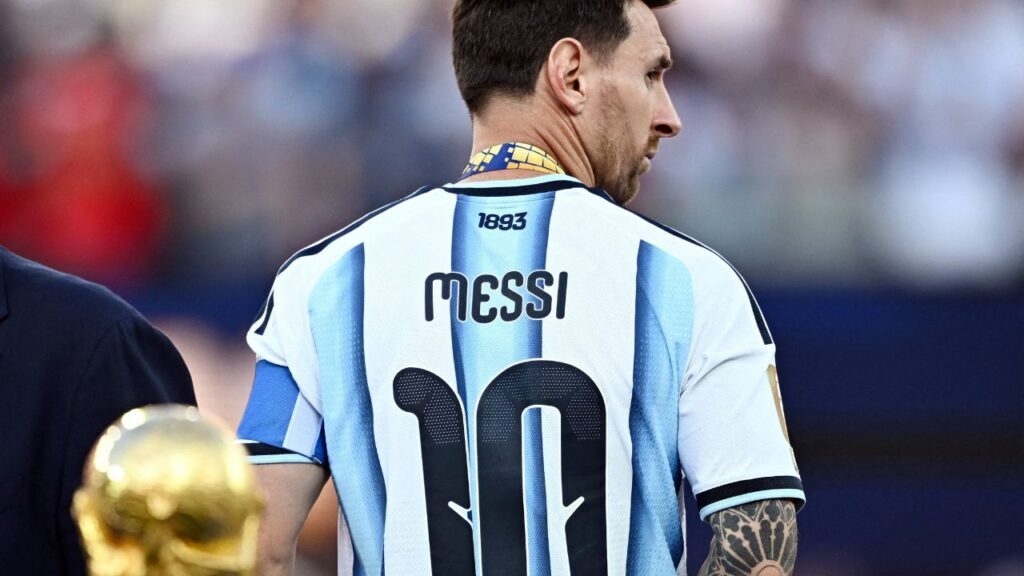
At 39, Messi remains statistically extraordinary — 44 goals and 30 assists this season, an MLS Cup with Inter Miami, and a Silver Ball as runner-up for the World Cup’s best player after Argentina reached the final.
Messi is on the shortlist for the first time since 2023. But MLS success doesn’t carry the same weight as Champions League or major European league form, and Argentina finished as World Cup runners-up rather than champions — losing the individual-tournament argument to Rodri and the team argument to Spain’s other nominees.
That combination likely keeps him just outside this seven, even with his historical reputation and a genuinely strong individual season working in his favor.
When is the Ballon d’Or 2026 ceremony? October 26, 2026, in London.
Who is the favourite to win? Harry Kane is the leading name in early betting markets, though Rodri, Mbappé and Yamal are all considered live contenders.
Is Michael Olise a real contender? He’s on the 30-man shortlist and has public backing from Bayern’s sporting director, but he lacks the single signature trophy or tournament that his main rivals have.
Why isn’t Erling Haaland on this list? Haaland remains on the official 30-man shortlist and part of the wider conversation; this piece focuses on the seven names generating the most sustained debate specifically around individual output combined with trophies and World Cup impact.
This isn’t really a question of who scored the most or won the most. It’s a question of what the Ballon d’Or is actually for. Kane and Mbappé make the individual-numbers case.
Rodri, Yamal and Ruiz make the World Cup-and-trophies case. Dembélé asks voters to stick with what they already decided a year ago, backed by a second straight Champions League.
Olise is betting that a complete, well-rounded season — without a single career-defining trophy attached — can still be enough, if enough voters are paying attention before the ceremony on October 26.
