
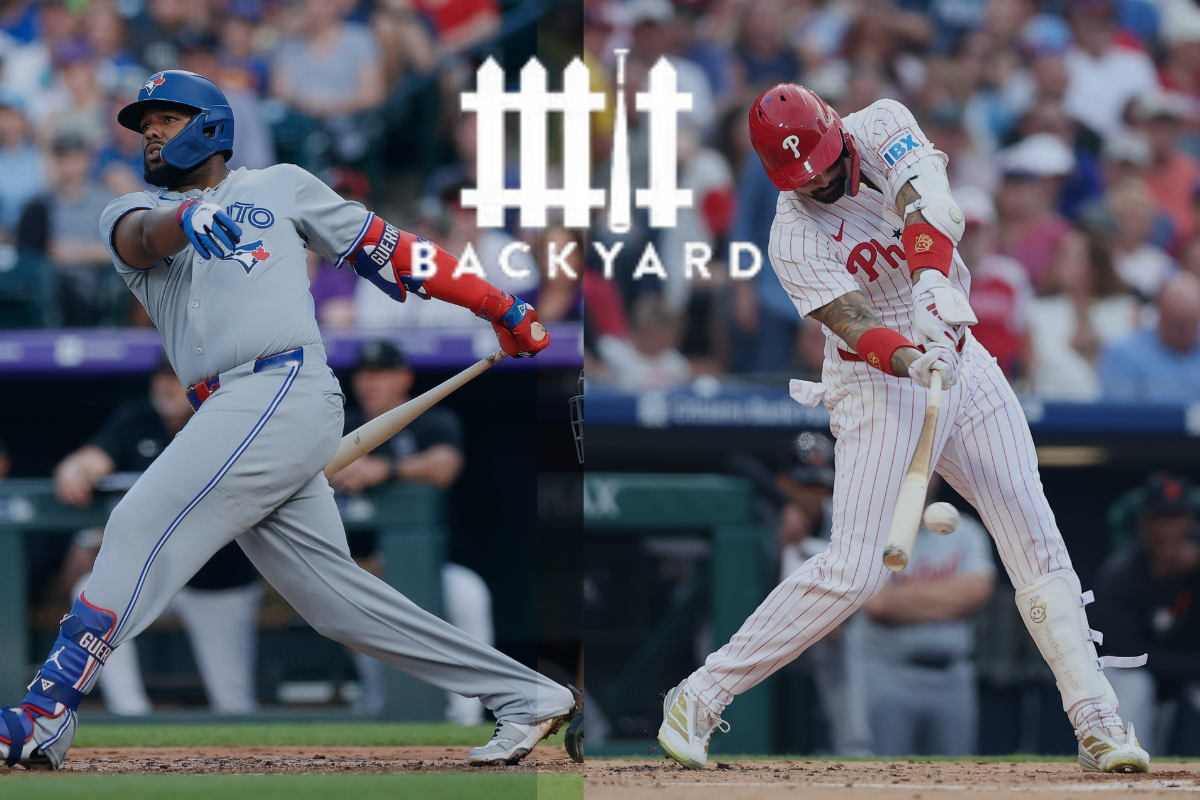
Backyard Bats Co-Founders and lifelong friends Paul LaMantia and Ryan LaPensee are emphatic about the importance of paying close attention to detail. They have built their lives, both on the baseball field and as a direct extension of it, by highlighting and covering all aspects of what works in pursuit of consistency and success.
In the constantly evolving universe of professional and now minor baseball, what works in terms of grooming the elite hitters of tomorrow just ain’t what it used to be. Long gone are the days when a row of lathed and lightly varnished ash was assembled at the top dugout step, differentiated only by weight and length.
Today’s player demands a custom design. Much like a serious golfer would be properly fitted for the clubs that cater to the intricacies of their unique playing style, so too does today’s baseball player deserve the same care and level of respect. It is this mindset, in combination with the right gear, that will allow the hitter to gain confidence. Paul and Ryan at Backyard Bats fully embrace and exude this demeanor and level of confidence as the key to success in baseball and life.
Living Their Dream
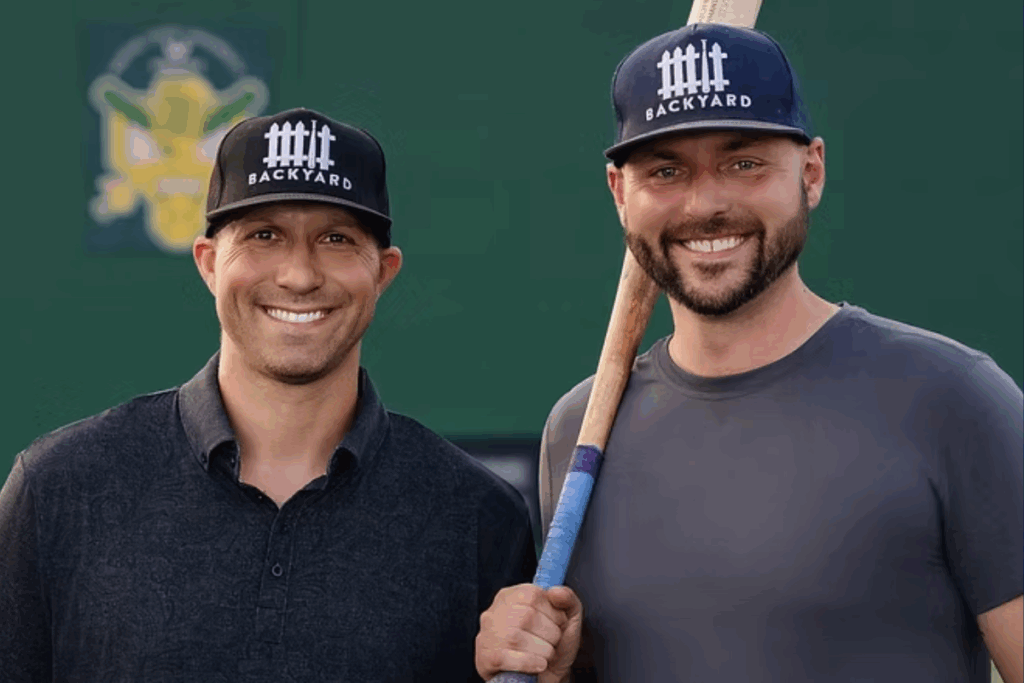
The Backyard Bats story began in Windsor, Ontario, Canada. The city, located immediately upon exiting the Ambassador Bridge, on the Canadian side of the border, is a hotbed for athletic talent. It has built a reputation for developing tough players on the rink during the chilling winter months and letting those players loose with the same level of intensity on the baseball field, once the ice melts.
The Spitfires of the OHL are a juggernaut hockey institution, with a storied history of having players ultimately reach the NHL. Similarly, the Windsor Stars elite travel baseball teams and the Grand Falls Minor Baseball League work together to develop players for NCAA scholarships and entry into professional baseball. Paul and Ryan are both products of Windsor baseball and can well attest to the fact that Windsor, a city roughly as populated as Cincinnati, can compete with the best on both sides of the border.
The record books at Wayne State University, where the two best friends attended on athletic scholarship, point to the Backyard Bat founders being as elite. Two of the very best to have ever wielded a bat at Harwell Field. One look at the nostalgic Fenway Park replica that is located on the Wayne State campus will give a hitting purist goosebumps.
Wayne State Warriors
Anyone who has ever felt a pitched ball, perfectly hit the sweet spot of the bat, will be tempted to try parking one over the Green Monster, which is situated in left field to resemble Boston’s iconic stadium. Ryan and especially Paul did just that. Crushing ball after ball over that leftfield wall, and to every nook and cranny of the field. Hitting the ball hard and often was what they did during their time as the number three and four hitters in the Wayne State batting order.
Accolades and achievements in baseball did not stop at the college level. They both went on to play in the Intercounty semi-professional league with the London Majors, and Ryan had a significant rise through the ranks in the Arizona Diamondbacks organization.
As an outfield prospect, he was knocking on the door of making it to the Major Leagues. Ryan put up some impressive stats in the D-Backs system, moving up to their triple-A affiliate (Reno), and gaining invites to spring training with the big club.
The move towards re-joining Paul and bringing Backyard Bats to its action phase of production came right after Ryan stepped away from pro ball. Unlike so many adult athletes who might become discouraged and enter a phase of ill-animosity towards the game after hanging up the cleats, the two baseball lifers chose to once again turn to what they know so well…hitting.
Paul had already experimented with the process of creating his very own custom bats, having learned craftsmanship from both his father and grandfather. In collaboration with Ryan, the concept of Backyard Bats was put in motion, with some core principles serving as its driving force.
The company has now grown to the point that MLB superstars are swinging, clearing the fences, and offering direct, constructive feedback to Paul and Ryan that points to a high ceiling for Backyard Bats as MLB-certified equipment.
Precision:
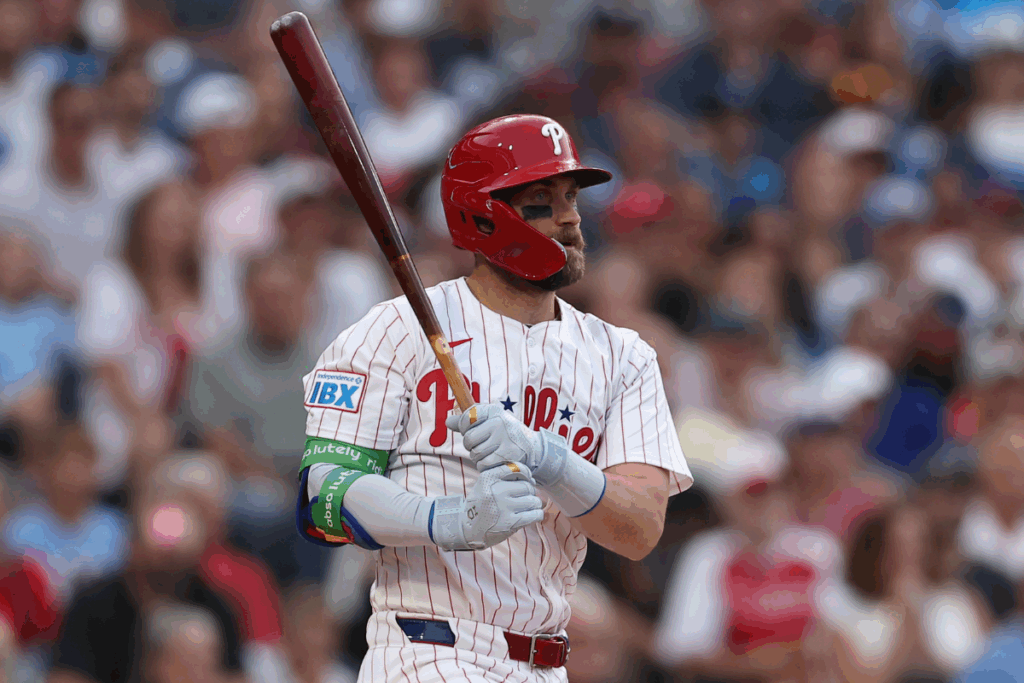
© Bill Streicher-Imagn Images
Hitting is about both finding the zone and creating a repetitive motion for success. It’s also, in many cases, about superstition. Players whose livelihood and legacy depend on their sustained efforts and stats are going to want particular gear. That used to mean simply a length and weight, perhaps a solid paint color mixed in for safe measure.
Now, Backyard Bats’ woodworkers and engineers must factor in barrels, tips (concave or flat), paint and style preferences, and perhaps most importantly, the handle. Different types of handle variations have surfaced in recent years, with players like George Springer of the Toronto Blue Jays often using an “axe-gripped” type handle that would appear to favor a “pull” type motion upon contact. Alternatively, Philadelphia Phillies’ superstar Bryce Harper’s flare might better allow him to hold onto the bat following the massive torque of his swing.
Hardness:
No two bats are ever precisely the same. With that said, Paul, Ryan, and the engineers at Backyard Bats are committed to producing the finest hitting tool to abide by the custom preferences of every client and customer. They are, of course, working with wood.
Baseball, ever since its origin as a creative blend of cricket and rounders, has periodically toyed with various natural and synthetic materials in the pursuit of creating the best bats. Oak wood, despite being rugged and dependable, was too heavy for a bat. Ash was decidedly the right choice of bat makers and hitters for the bulk of the game’s history.
Then, along came the aluminum bat craze in the 1980s, which swept through minor baseball and is still the preferred equipment of NCAA and high school baseball in the US. The objective of modern bat makers is to create a wood bat that offers a similar level of longevity while providing an unmistakable pop that would send the ball flying upon impact. Canadian maple emerged as the proper source, and is now the preferred choice of so many MLB hitters.
When bat makers began to pivot from traditional ash to the harder maple, the results were a lighter bat, which is much more essential when facing pitchers whose fastballs hover around the triple digits. There was, however, a hiccup with the bat’s inception in its early rollout phase.
Despite having a powerful sweet spot and being lighter, the bats would often break and shatter when a hitter was jammed and struck the ball on the handle. Backyard Bats has set out to solve that problem.
They don’t just make and roll out the bats; they use them, with Paul and Ryan often taking batting practice with every model that they produce, to ensure that the specifications desired are spot on. The results show that the bats will last a long time!
Craftsmanship:
Baseball, its history, its heritage, and its ability to forge and fulfill lifelong relationships are what drive Backyard Bats. Paul and Ryan are living their dream…an extension of their baseball careers as players, where they now help to build the hitting profiles of big-time MLB players.
Paul is applying the wisdom and skills for handcrafting wood bats that were passed down to him from his grandfather Joe. Ryan, as Paul’s best friend and former teammate, is driven by the pursuit of meeting the specific needs of every hitter. Backyard Bats are designed for girls and boys just starting in T-ball, as well as for MLB All-Stars facing the best, over a long, grueling schedule.
“That’s good Canadian wood…If he, (Vladimir Guerrero Jr.) can do that regularly with the Backyard Bat, that’d be a good thing for him, and a good thing for us.” – Toronto Blue Jays manager John Schneider after watching an impressive round of BP from Vladimir Guerrero Jr., who was using a custom Backyard Bat
End of Backyard Bats – Baseball Rant!
Becoming a bat company that is now MLB-certified is an incredible accomplishment in and of itself. Receiving positive feedback from a cast of All-Star players who wield Backyard Bats in both BP and game action is next level.
They are a brand that exudes the vibe of total baseball. The logo itself, while being stylish and creative, is meaningful; the fourth fence post represents Paul’s jersey number that he wore during his record-setting college career.
The fifth pole is for Ryan “Fiver”, who donned that number while playing alongside Paul before climbing through the pro ranks. It’s a symbol that represents the highest grade luxury equipment available in the baseball industry today, and from sandlots to stadiums, players are taking notice.
