
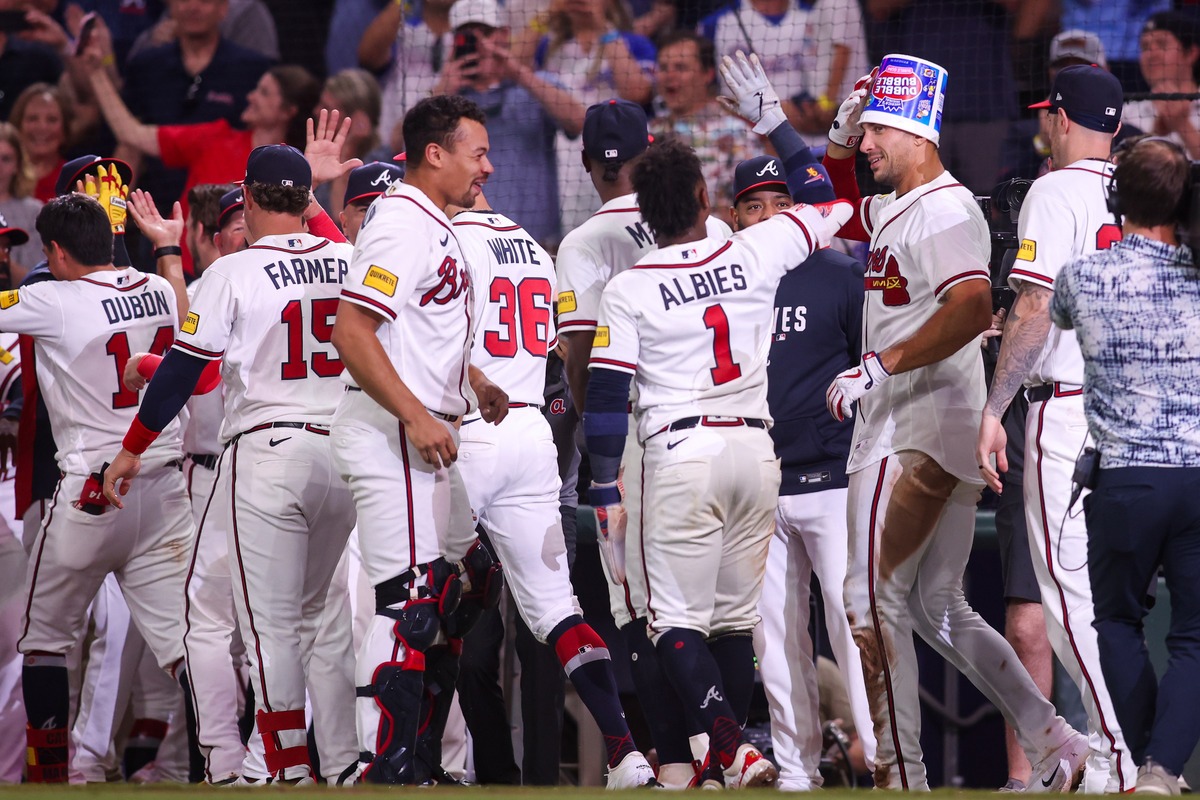
The Atlanta Braves entered the 2026 season with expectations that felt both familiar and justified. Following a disappointing 2025 season that saw the Braves land near the bottom of the National League East, the team had a lot of work to do coming into the season.
Atlanta, despite not changing much roster-wise, once again looks like a National League powerhouse. What separates this year’s club for last, however, is the balance between star-driven production and dependable consistency across the roster. Rather than relying on one or two headline performers, the Braves have built a machine-like lineup and a pitching staff capable of controlling games from the first inning to the last.
While the offense continues to generate headlines with its power and run production, it is the steady contributions from key players and the emergence of reliable arms that have defined Atlanta’s early success in 2026. From top-of-the-order catalysts to middle-of-the-lineup sluggers and a rotation that limits damage, the Braves are once again proving why they remain one of baseball’s most complete teams.
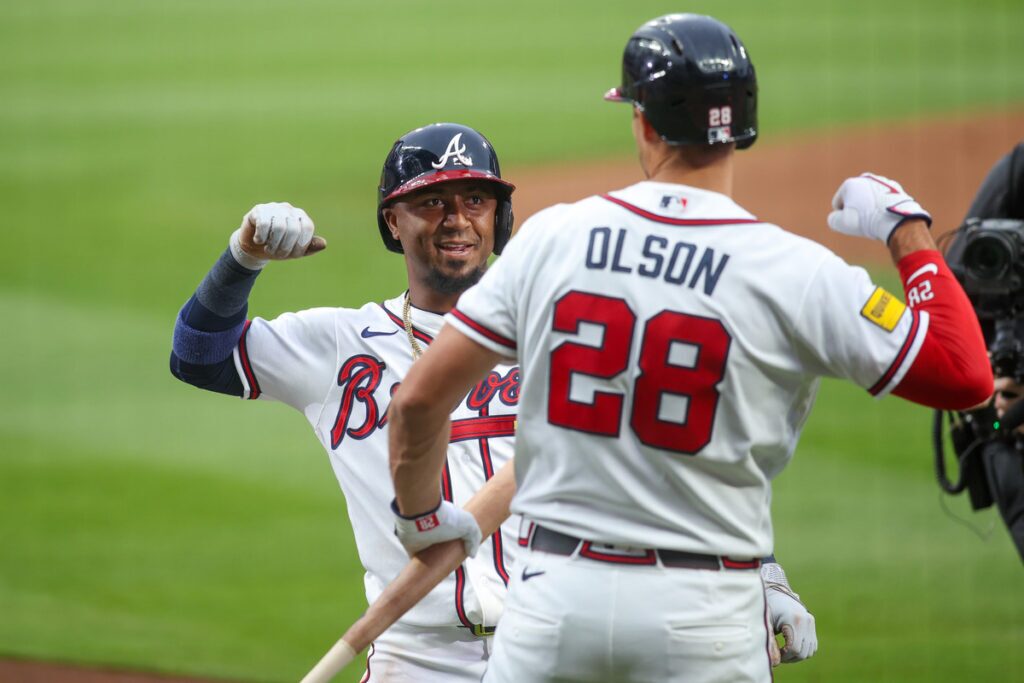
Few teams can match the day-to-day reliability that Ozzie Albies and Michael Harris II bring to the Braves lineup. Albies continues to serve as one of the most dynamic second basemen in the game, blending power, speed, and situational awareness into a complete offensive profile. In 2026, Albies has once again been a tone-setter, consistently reaching base while providing extra-base hit potential from both sides of the plate. The veteran’s ability to stay consistent has made him one of the toughest outs in the National League. Albies is sporting a .323 batting average with seven home runs and 20 RBIs through 32 games played in 2026.
Harris, meanwhile, has further solidified his role as a cornerstone player. While it is still early in his career, the outfielder already plays with the poise of a veteran. Harris’s bat-to-ball skills have taken another step forward this season, with improved plate discipline allowing him to get into more favorable counts. That development has translated into a .352 on-base percentage and more opportunities to utilize his speed on the basepaths.
Defensively, both players remain elite at their respective positions. Albies continues to anchor the infield with quick reactions and strong positioning, while Harris patrols center field with range that erases potential extra-base hits. Their defensive impact often goes overlooked in box scores, but it plays a crucial role in Atlanta’s ability to limit opponents.
Together, Albies and Harris provide a foundation of consistency that stabilizes the Braves lineup. Even when the power bats experience brief slumps, these two ensure that the offense continues to function efficiently. Their presence allows Atlanta to maintain pressure on opposing pitchers throughout all nine innings.
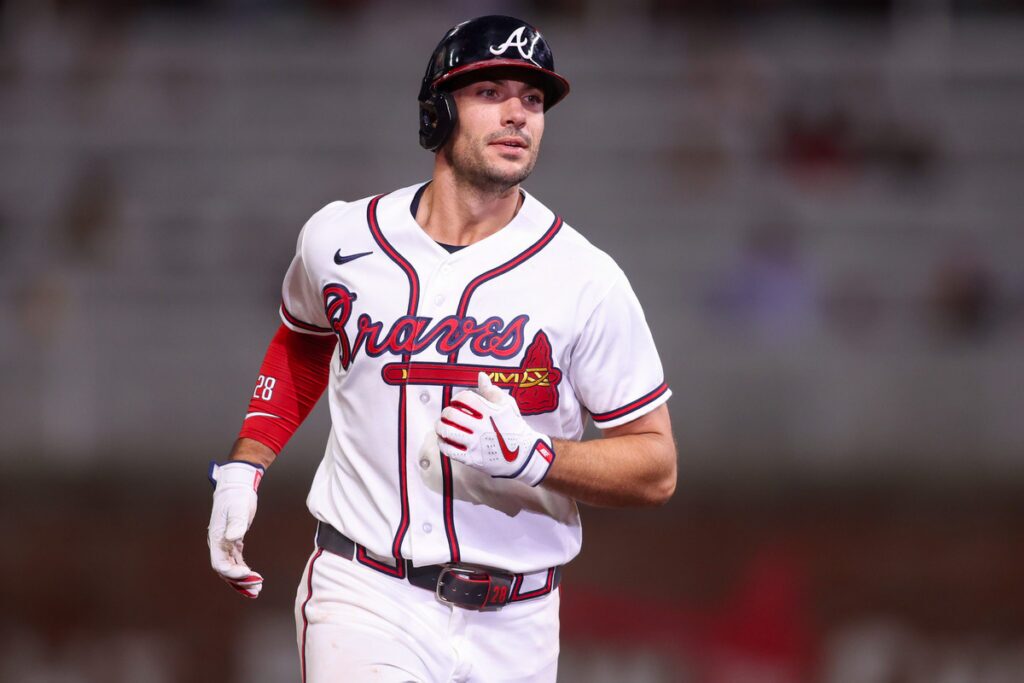
If consistency sets the floor for Atlanta’s offense, power defines its ceiling—and Matt Olson has been the primary force behind that power surge in 2026. Olson has come out of the gate with a relentless approach at the plate, punishing mistakes and driving the ball to all fields with authority.
Olson’s early-season home run pace has put him among league leaders, but it’s not just the long ball that makes him so valuable. The veteran has shown a more refined approach in key situations, taking walks when pitchers refuse to challenge him and delivering timely hits with runners in scoring position. With nine home runs and 28 RBIs through 32 games, Olson has been the Braves’ most productive hitter in 2026. This evolution in his offensive game has made him even more dangerous, as opponents can no longer rely on exploiting aggressiveness.
Olson’s presence in the middle of the lineup creates a ripple effect throughout the batting order. Pitchers are forced to navigate around him carefully, which often leads to more favorable matchups for hitters behind him. That dynamic has allowed the Braves to string together rallies rather than relying solely on solo home runs.
Additionally, Olson’s durability continues to stand out. In a sport where injuries can derail even the most talented rosters, the first baseman’s ability to remain on the field and produce at a high level has been invaluable. The Braves’ slugger has played in over 800 consecutive games, the longest-running streak of any active MLB player. Night after night, Olson provides Atlanta with a legitimate game-changing threat, capable of shifting momentum with a single swing.
As the season progresses, Olson’s power will remain central to the Braves’ offensive identity. If he maintains his current trajectory, he could very well find himself in the middle of the MVP conversation by season’s end.
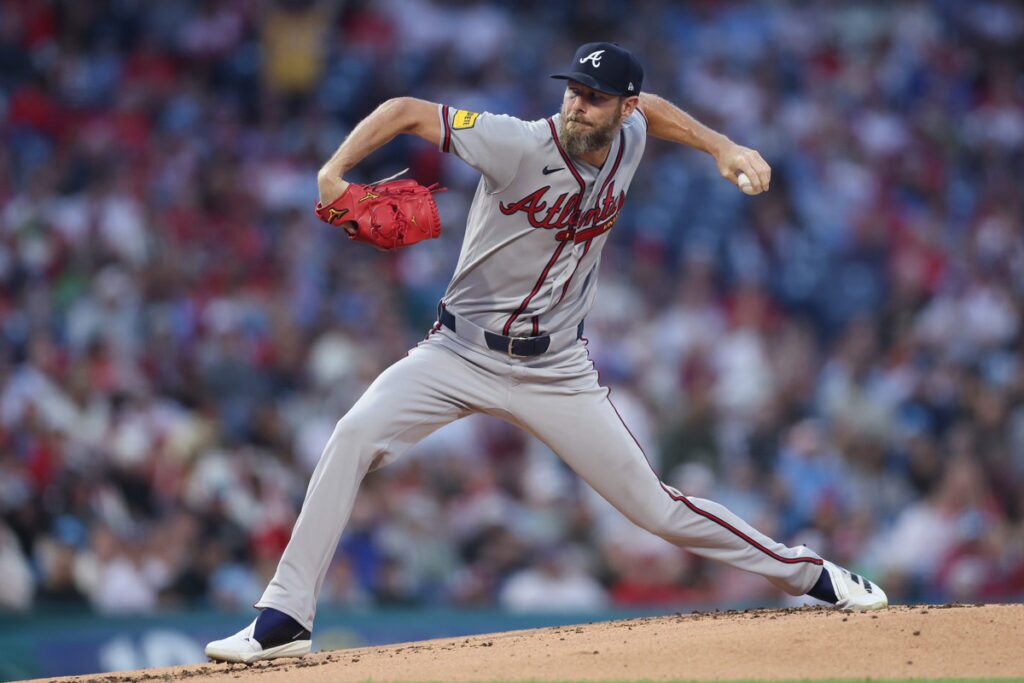
While the Braves’ offense often grabs the spotlight, their success in 2026 would not be possible without the steady performance of the pitching staff—particularly Bryce Elder and Chris Sale. The duo has emerged as a dependable one-two punch, combining contrasting styles to keep opposing lineups off balance.
Elder continues to thrive with his command-first approach. Rather than overpowering hitters, he relies on movement, location, and sequencing to generate weak contact. The right-hander’s ability to induce ground balls has been especially valuable, allowing Atlanta’s defense to play a more active role. In 2026, Elder has demonstrated improved efficiency, consistently working deep into games and minimizing high-stress innings, leading to a 1.88 ERA through seven starts.
Sale, on the other hand, brings a veteran presence and a more traditional power profile. When healthy, the southpaw remains one of the most difficult pitchers to square up, thanks to his deceptive delivery and sharp breaking pitches. This season, Sale has demonstrated flashes of his peak form, racking up strikeouts while limiting hard contact, resulting in a team-leading 38 K’s in 35 IP.
The combination of Elder’s precision and Sale’s swing-and-miss ability gives Atlanta flexibility in how they approach different matchups. Opposing teams must adjust their offensive strategies depending on who takes the mound, which adds another layer of difficulty in preparing for a series against the Braves.
Beyond their individual performances, both pitchers have played a leadership role within the rotation. Younger arms benefit from their experience, while the bullpen gains stability knowing that starters are capable of handling significant workloads. This cohesion has helped Atlanta maintain one of the more reliable pitching staffs in the league.
The 2026 version of the Braves looks every bit like a contender built for both the present and the long term. With consistent contributors like Ozzie Albies and Michael Harris II setting the tone, elite power from Matt Olson driving run production, and a steady rotation anchored by Bryce Elder and Chris Sale, Atlanta has assembled a roster with few weaknesses.
What makes this team particularly dangerous is its adaptability. The Braves can win high-scoring games fueled by offensive explosions or grind out low-scoring contests behind strong pitching and defense. That versatility is often what separates good teams from great ones, especially in the postseason.
If Atlanta continues to perform at this level, there is little doubt they will remain firmly in the National League spotlight throughout the 2026 season. Whether this campaign ultimately results in another championship run will depend on maintaining health and executing in key moments—but as it stands, the Braves have positioned themselves as one of baseball’s most formidable teams once again.
