
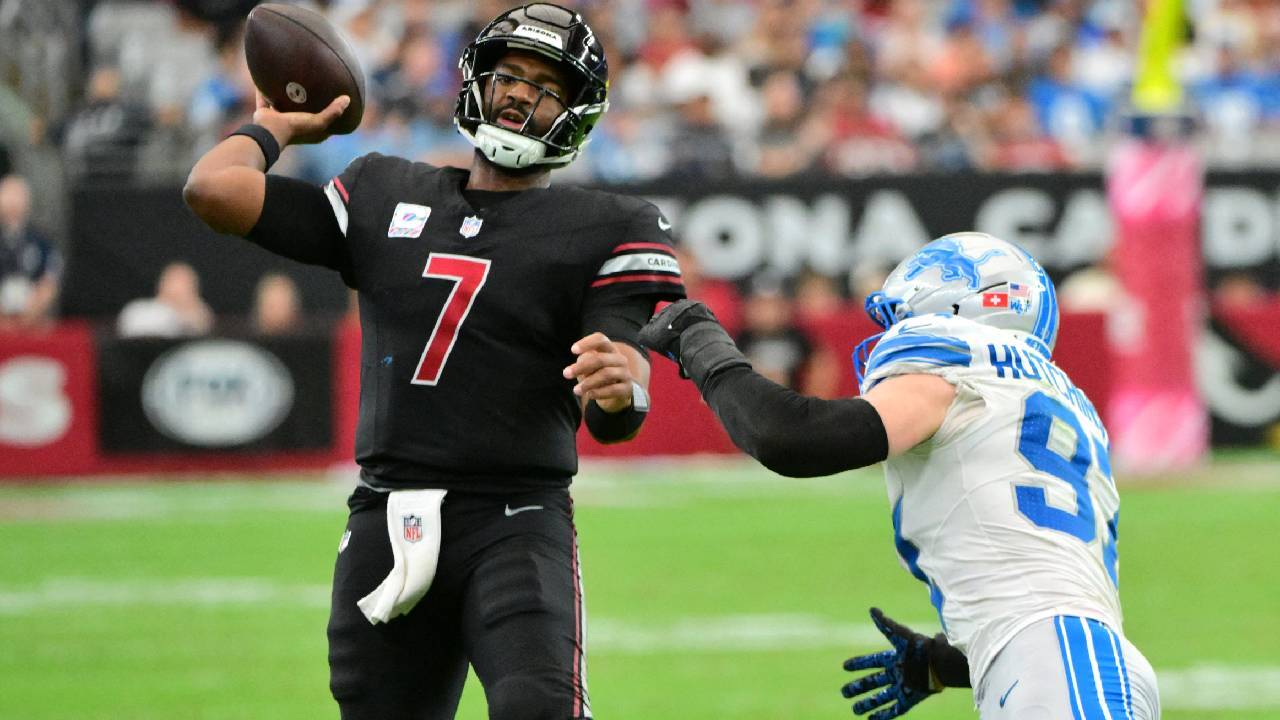
The Arizona Cardinals vs. Lions matchup exposed three failures behind Arizona’s 45-21 defeat. The Detroit Lions erased a 7-0 deficit with 31 unanswered points, handing the Cardinals their fourth consecutive loss. Arizona fell to 1-4 as stalled possessions, limited rushing production, and defensive breakdowns turned a promising start into a blowout.
Jacoby Brissett threw three touchdown passes, but Detroit forced five consecutive three-and-outs during the first half. The Lions then scored on seven straight drives, including six touchdowns, to take control. The Detroit game recap documents the turnaround.
The Cardinals also played without Marvin Harrison Jr., who was inactive amid reports that Arizona was preparing to trade him. Houston Texans coach DeMeco Ryans announced Houston’s acquisition during the first quarter, but Harrison’s absence was only one factor in the Cardinals’ defeat. Arizona’s latest collapse recalls the earlier Cardinals collapse against the New York Giants, when a 14-3 lead slipped away. The larger problems emerged in Arizona’s offensive efficiency and its inability to contain the Lions’ playmakers.
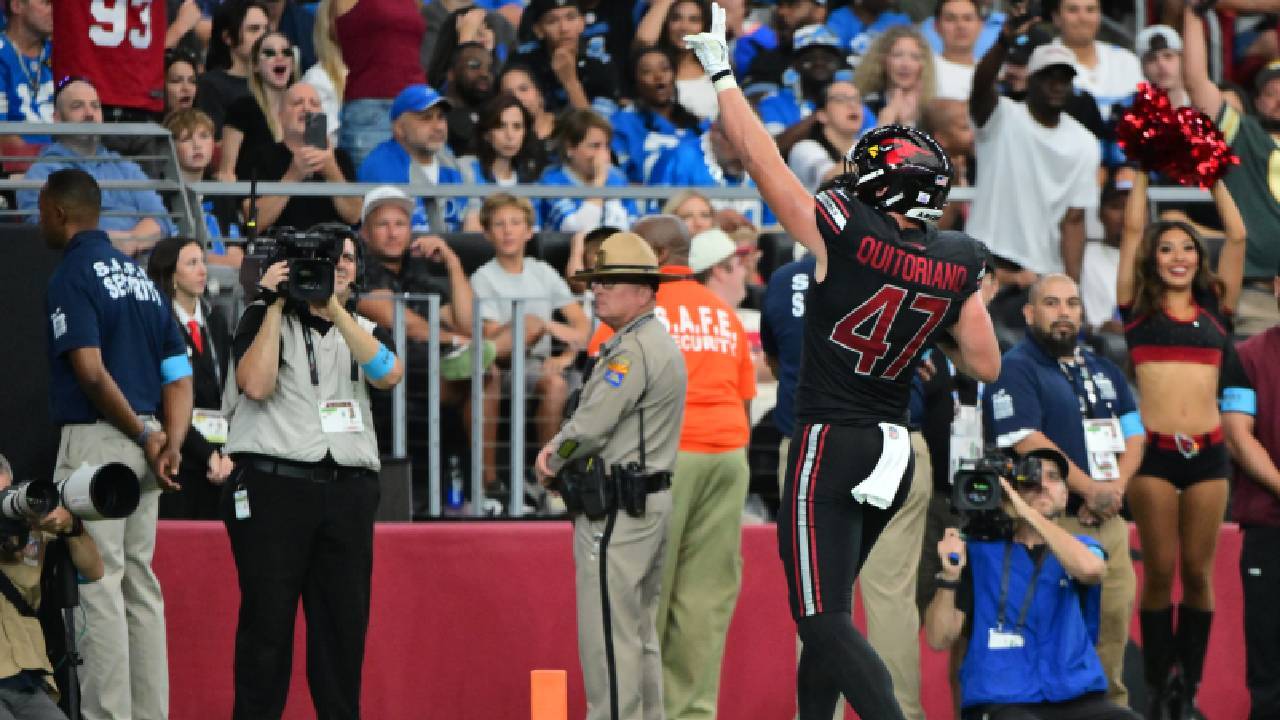
The Cardinals opened with a 14-play, 73-yard touchdown drive that consumed 7:54. Michael Wilson completed a seven-yard pass to Brissett on fourth-and-1, helping Arizona sustain the possession. Brissett then connected with Teagan Quitoriano for a two-yard touchdown, giving the Cardinals a 7-0 lead.
Arizona outgained Detroit 84 yards to minus-9 during the first quarter. The opening suggested the Cardinals could exploit Detroit’s defensive problems and control the pace. Instead, the Lions recovered by combining disruptive pass rush with tighter secondary coverage. Detroit’s defense forced five consecutive three-and-outs after Arizona’s opening touchdown. Rookie defensive back Keith Abney II then intercepted Brissett to end the first half, highlighting how quickly the Cardinals’ promising start unraveled.
Detroit’s defensive response changed the game before halftime. Arizona repeatedly surrendered possession without building scoring opportunities, allowing the Lions to recover from their poor opening. The resulting drought allowed Detroit to turn a close game into a commanding lead.
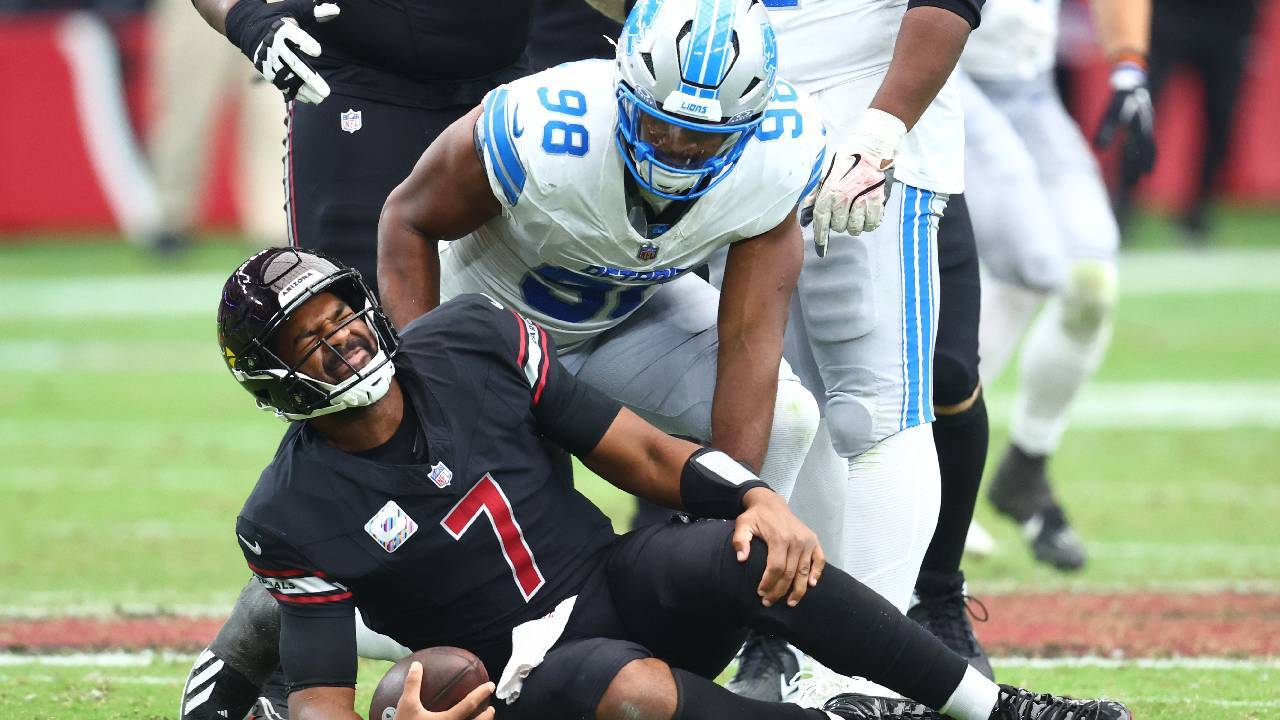
The Lions’ pass rush supplied a specific reason for the Cardinals’ struggles. Edge rusher DJ Wonnum recorded two sacks, complementing the pressure created by Aidan Hutchinson and defensive tackle Alim McNeill. Meanwhile, Detroit’s secondary forced incompletions and capitalized on Brissett’s interception to end the half.
The Lions also succeeded on fourth down when conventional third-down opportunities failed. On fourth-and-3 near midfield, Sam LaPorta made a contested catch, and a roughness penalty added 15 yards. Later, Goff found LaPorta for a 38-yard play-action touchdown on fourth-and-1, turning a short-yardage situation into an explosive gain.
Goff later connected with Jameson Williams for an eight-yard touchdown on another fourth-down conversion, further punishing Arizona for failing to stop Detroit on critical downs. The Lions finished four-for-four on fourth down, while Arizona converted two of three attempts. Those conversions extended drives and produced scoring opportunities when the Cardinals needed defensive stops. Detroit’s execution on critical downs made the difference between forcing punts and watching the Lions add points.
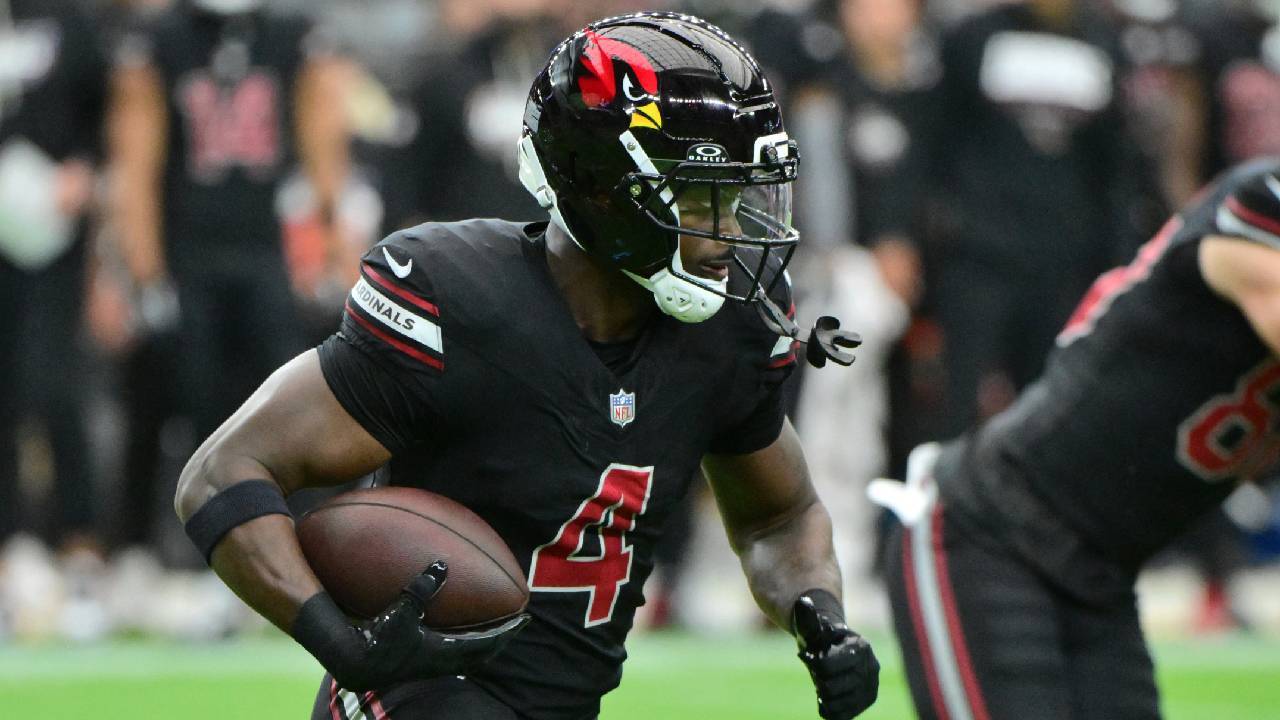
Arizona finished with 56 rushing yards and 327 total yards, compared with Detroit’s 163 rushing yards and 412 total yards. The Cardinals ran 71 offensive plays against the Lions’ 65 but averaged only 4.6 yards per play. Detroit averaged 6.3 yards per play, producing more yardage despite running fewer plays.
The Lions recorded five sacks, compounding Arizona’s problems in passing situations. The Cardinals averaged just 3.1 yards per rushing attempt, limiting their ability to keep defenses honest. With little threat from the ground game, Arizona struggled to offset Detroit’s pressure when passing situations became predictable.
Quitoriano’s 13-yard touchdown catch briefly cut the Lions’ lead to 31-14 during the third quarter. The game analysis covers the Cardinals’ brief response after Detroit’s scoring surge. The Lions answered with a 74-yard drive capped by Goff’s one-yard rushing touchdown, restoring a 24-point advantage. Arizona’s 71 offensive plays failed to produce the efficiency Detroit achieved in fewer snaps. Better protection and more effective early-down rushing would give Brissett manageable situations and reduce the offense’s dependence on passing.
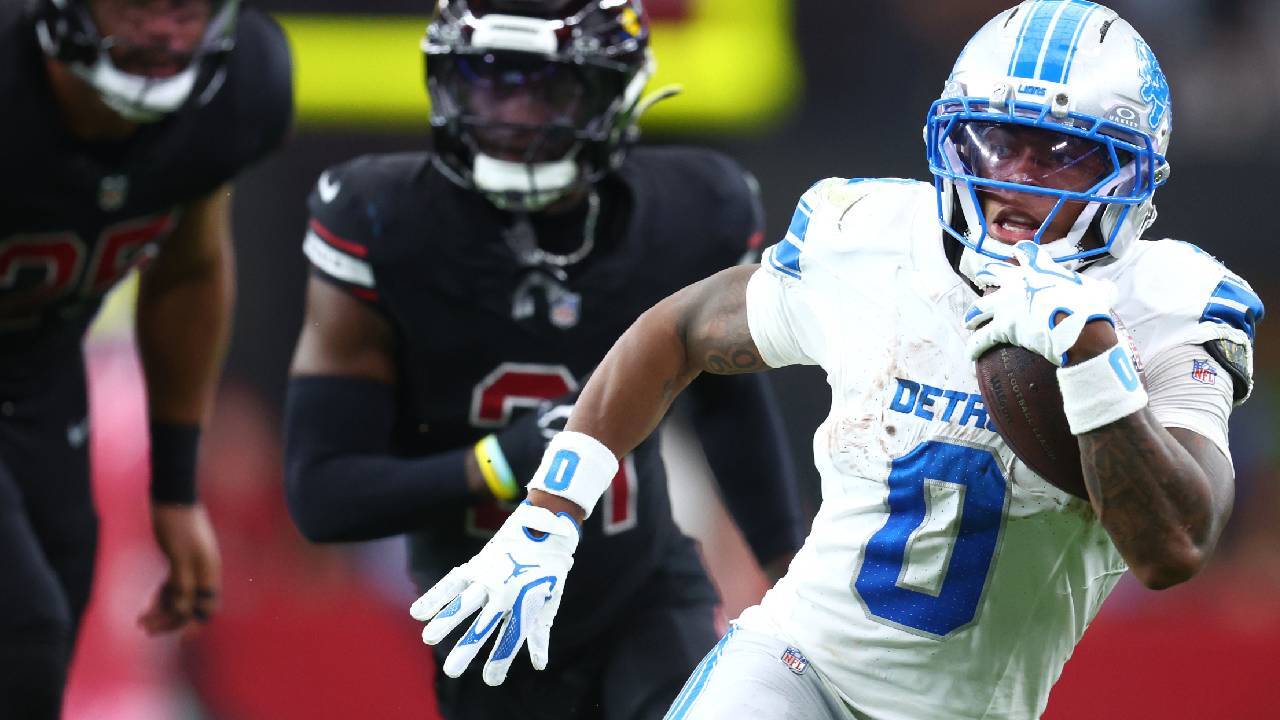
Jahmyr Gibbs rushed 25 times for 151 yards and two touchdowns, averaging 6.0 yards per carry. Five receptions for 56 yards gave the running back 207 yards from scrimmage. Arizona struggled to contain Gibbs both on the ground and as a receiving option.
Goff completed 19 of 30 passes for 271 yards and three touchdowns, then added a rushing score. LaPorta caught five passes for 88 yards and a touchdown, while Williams finished with two touchdown receptions for 47 yards. Detroit’s production through multiple weapons prevented the Cardinals from focusing exclusively on Gibbs.
Arizona’s secondary also surrendered a 38-yard completion to Elijah Higgins after a missed assignment. The gain illustrated how one coverage breakdown could create a major opportunity for the Lions. Williams later caught a 39-yard touchdown pass, extending Detroit’s lead to 31-7.
Gibbs added a three-yard rushing touchdown in the fourth quarter, finishing an extended drive that consumed nearly four minutes. The Lions combined productive runs with downfield passing to punish the Cardinals’ defensive mistakes. The official NFL game center provides the matchup’s scoring and statistical details.
The Arizona Cardinals vs. Lions result exposed defensive failures that went beyond containing one productive player. Arizona allowed 163 rushing yards and three passing touchdowns while struggling to prevent explosive gains. Better assignment discipline and more reliable tackling must accompany improved run defense if the Cardinals hope to contain balanced offenses.

Arizona’s next divisional matchup against the Los Angeles Rams will test whether the Cardinals can protect Brissett and establish a credible rushing threat. Better early-down execution would help Arizona avoid predictable passing situations and create more manageable third downs. The defense must also improve its tackling and assignment discipline to limit explosive plays. Against Los Angeles, Arizona needs to sustain its execution beyond the opening drive instead of allowing mistakes to dictate the game.
What’s your take? Post it in our free sports community at stadiumrant.app, or download Stadium Rant on the App Store.
The Arizona Cardinals vs. Lions matchup exposed a damaging pattern: the Cardinals can start effectively but struggles to respond when opponents adjust. The Lions paired a disruptive pass rush with secondary coverage that forced difficult throws, then capitalized on fourth-down opportunities. Arizona’s challenge is maintaining execution when the opening game plan stops working.
Brissett’s three touchdown passes showed the offense could still produce through the air, but the Cardinals failed to complement that production with a reliable ground game and adequate protection. Arizona must give opponents multiple threats to defend and maintain execution when the initial game plan stops working.
