

The Chicago Cubs entered the offseason with lingering questions after their NLDS loss to the Milwaukee Brewers. That series exposed a roster that was competitive but incomplete. Instead of reshaping the team aggressively, Chicago has operated with noticeable restraint. The result feels more like hibernation than a sense of urgency. For a club with postseason expectations, that is a dangerous place to live.
If the Cubs have made one thing clear, it is where their focus has been. Chicago invested heavily in bullpen depth while leaving larger roster needs unresolved. The front office appears convinced that late-inning relief cost them games in 2025. Whether that belief holds up over a full season remains to be seen.
Chicago reshaped the bullpen by adding Phil Maton, Hoby Milner, Jacob Webb, and Hunter Harvey. The team also re-signed Caleb Thielbar and Colin Rea to stabilize the group. On paper, those moves represent a clear upgrade. They should pair well with closer Daniel Palencia, who showed flashes of dominance late last season.
Rea could play multiple roles once spring training begins. He may return to the rotation or serve as a bulk reliever. The same could be said for Javier Assad, who has experience doing both. That flexibility provides the Cubs with protection against early-season workload concerns. It also provides depth once injuries inevitably arise.
Several internal arms could factor into the bullpen throughout the season. Porter Hodge, Jack Neely, Ben Brown, Ethan Roberts, and Jordan Wicks may all be called upon. That same group could also be used as trade capital. Chicago may need those chips if it looks to upgrade the rotation or add offense.
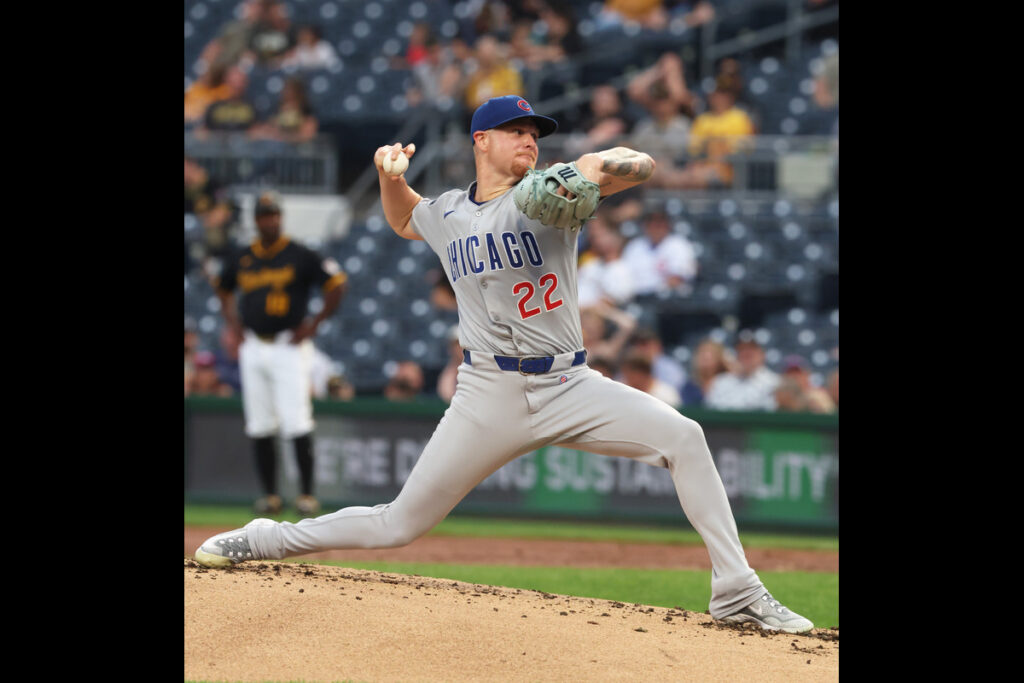
While the bullpen appears improved, it cannot hide larger concerns. The Cubs cannot expect to survive October without better starting pitching. Contending in the National League requires more than relief depth.
As constructed, Chicago projects Cade Horton, Matthew Boyd, Jameson Taillon, and Shota Imanaga as starters. Justin Steele is expected to return by late April or early May after recovering from an elbow injury. His return would be a massive boost to a rotation that lacked a true ace in 2025.
Hope alone is not enough. If the Cubs want to compete with teams like the Dodgers, Phillies, and Brewers, reinforcements are needed. The front office must act with urgency rather than optimism.
Free agent options such as Ranger Suárez (Phillies), Framber Valdez (Astros), and Zac Gallen (Diamondbacks) would provide immediate impact. Trade targets could include Tarik Skubal (Tigers), Joe Ryan (Twins), Sandy Alcántara (Marlins), Edward Cabrera (Marlins), or MacKenzie Gore (Nationals). Skubal would instantly give Chicago a true ace. The cost, however, may simply be too steep.
Gore may be a more realistic option. He is younger, controllable, and still carries frontline upside. Either path would signal serious intent. Standing pat would not.
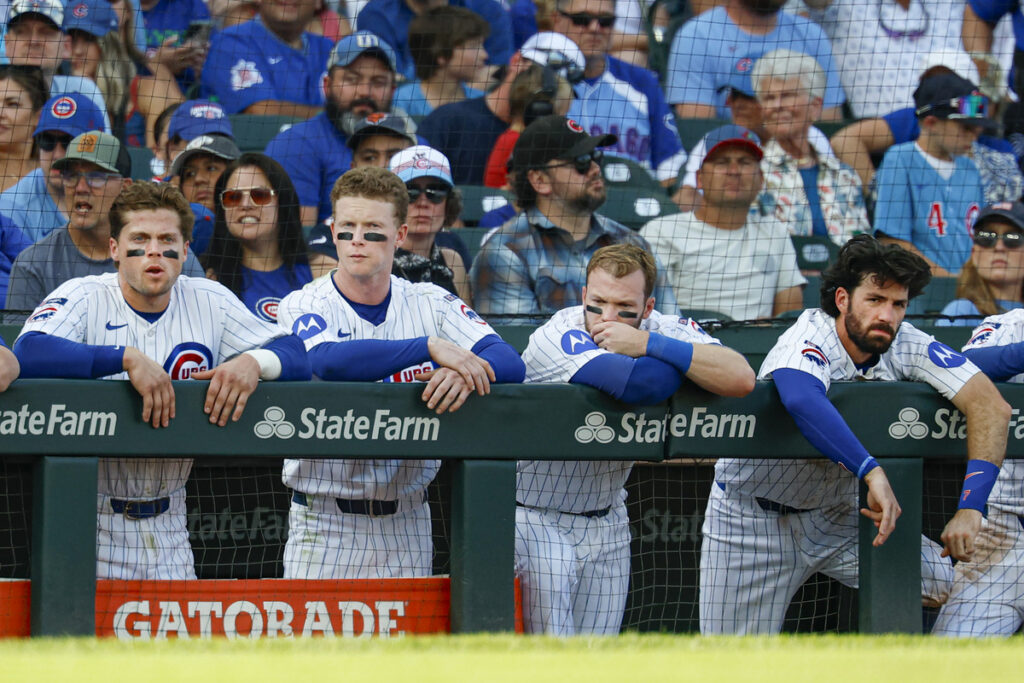
Pitching was not the only issue exposed late last season. The Cubs’ offense stalled badly during the second half of 2025. That decline carried into October and ultimately defined their postseason exit.
After the All-Star break, Chicago ranked in the bottom third of baseball in runs scored and on-base percentage. Strikeouts increased while situational hitting declined. Against playoff-caliber pitching, rallies were rare. Too often, the offense relied on solo home runs rather than sustained pressure.
That reality forces the Cubs to confront uncomfortable questions. Do they pay for proven production or trust the next wave of hitters? The answer may define the next two seasons.
The Cubs do not lack proven contributors in their everyday lineup. Michael Busch broke out in 2025 and cemented himself as the everyday starter at first base. Seiya Suzuki delivered a career year, eclipsing 100 RBI with 32 home runs while anchoring the middle of the order.
Few players embodied Chicago’s offensive energy more than Pete Crow-Armstrong. In his first full season, he posted 31 home runs, 95 RBI, and 35 stolen bases, becoming a spark plug capable of impacting games in multiple ways. Consistency remains his next step, but the foundation is undeniable.
At the top of the lineup, Nico Hoerner continued to be a hit machine, setting the table nightly with contact and speed. Veterans Ian Happ, Dansby Swanson, and Carson Kelly each delivered productive seasons that helped stabilize the lineup. What this group did not consistently provide was a decisive blow against elite pitching.
Productive is not the same as dangerous. That distinction becomes magnified in October. This is where the Cubs’ search for one more impact bat begins.
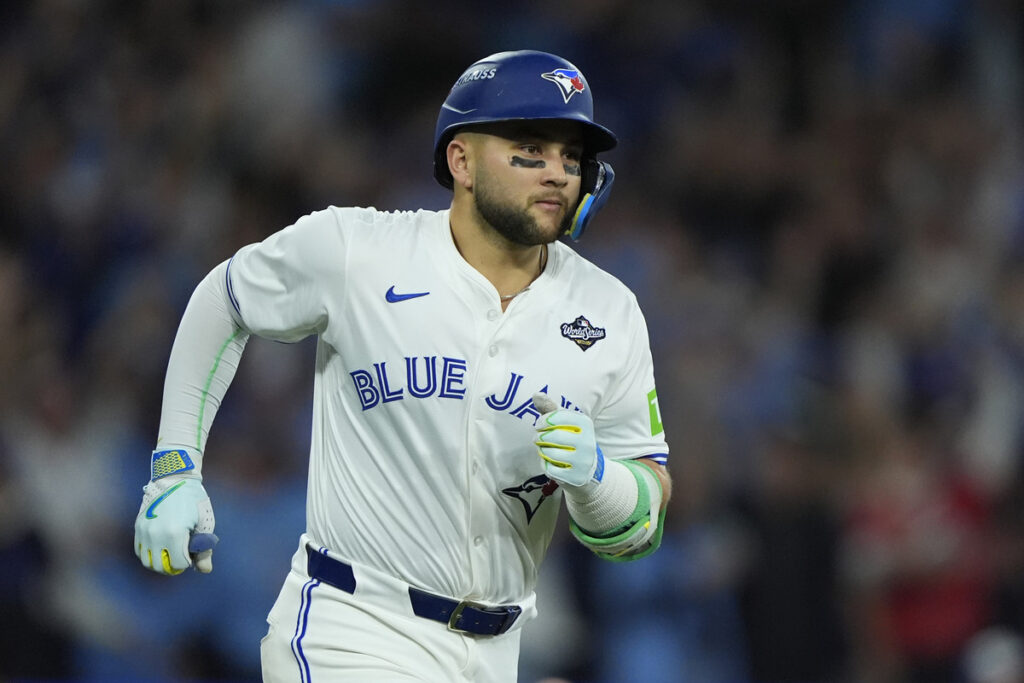
At first glance, Kyle Tucker and Bo Bichette appear to offer similar value. Both are All-Star caliber talents. Both would immediately raise the Cubs’ offensive ceiling. The differences emerge once context and trajectory are applied.
Tucker represents the higher power ceiling. When locked in, he is a true middle-of-the-order force capable of carrying a lineup for weeks at a time. That upside, however, comes with volatility, as his sharp second-half decline in 2025 raised concerns about how his production holds up once opposing pitching adjusts.
Bichette offers a different profile. His offensive value is built on contact, bat speed, and consistency rather than pure power. At 27, he appears to be entering his prime, and his skill set may age more gracefully. Where Tucker can change games with one swing, Bichette changes them by sustaining pressure.
Durability is the swing factor. Tucker has generally been available even when production dipped. Bichette’s 2023 and 2024 seasons were interrupted by nagging injuries that limited his availability and rhythm.
Fit may ultimately decide the debate. Tucker would slide naturally into the heart of the order but further crowd a corner outfield already rich with young talent. Bichette could shift to third base and address a clearer positional need, even if that transition carries defensive uncertainty.
The choice comes down to philosophy. Tucker offers a louder peak with a greater risk of inconsistency. Bichette offers steadier production with health-related questions. Either move raises the ceiling, but signing Tucker best aligns with both Chicago’s current and long-term roster balance.
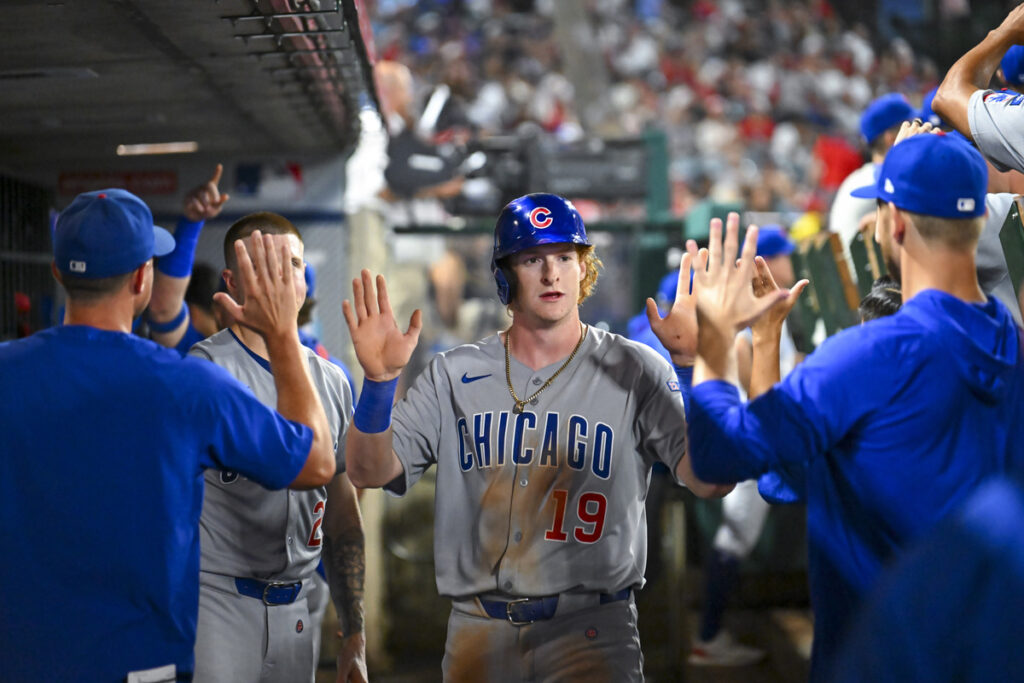
The Cubs are not short on internal offensive options. Owen Caissie brings legitimate middle-of-the-order power and plate discipline. Kevin Alcántara adds athleticism, speed, and developing power that could translate into an everyday role. Moisés Ballesteros continues to impress with his contact ability and offensive polish, offering value at catcher or designated hitter.
Matt Shaw already showed he can handle major league pitching during his rookie season, posting league-average production with flashes of power. None of these players is a guaranteed star. All of them offer upside without long-term financial commitment.
By trusting young hitters, the Cubs could avoid committing 25 to 30 million dollars annually to a single veteran bat. That flexibility matters. It allows Chicago to pursue pitching upgrades, extend core players, and maintain roster balance rather than locking into one risky contract (i.e. Jason Heyward’s deal). More importantly, it creates the opportunity for sustained contention rather than a single-year push.
This approach carries short-term risk. It also opens the door for long-term stability. The Cubs must decide which timeline they value most.
This offseason has revealed a clear pattern. The Cubs stabilized the bullpen, left the rotation partially exposed, and delayed a decisive offensive move. That approach suggests a team straddling two timelines rather than committing fully to one. In a National League built on aggression, standing still may be the most dangerous move the Cubs can make.
The Cubs are no longer rebuilding. They are also not finished. Whether this winter is remembered as restraint or hesitation will be decided in October, not spring training. Chicago must now decide whether 2026 is the goal or merely the price paid for something greater in 2027.
