
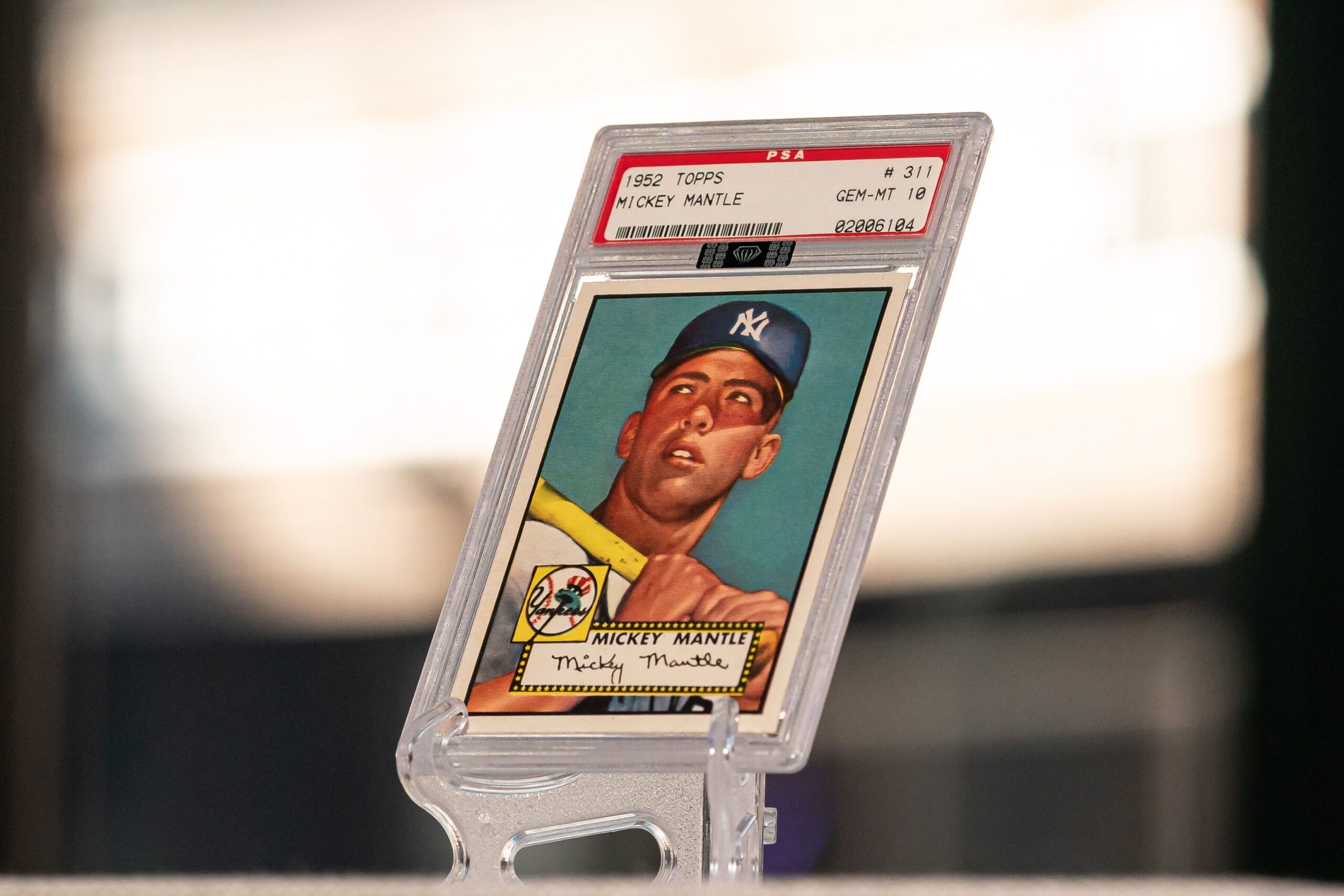
Trading cards act as a bridge between fan and player by establishing another form of personal investment on the part of the fan. The world of sports has rapidly become more digital in the 21st century, altering how fans express themselves and feel connected to the players. In some ways, there is a greater connection via social media, where fans can be contacted directly by the athlete or see them go ‘live.’ Like with many technological advancements in the last twenty years, however, connections have shifted towards the device and away from each other. The trading card is taking that connection back.
The concept of a card has not gone away, and the desire for ownership hasn’t wavered; it has just gone more digital. NFTs dominated the early 2020s, and sports cards became a key fixture in their growth, notably in the form of NBA Top Shot. Top Shot cards are crypto collectibles that portray a specific NBA moment. At one point in time, NBA Top Shot cards were so valuable that a special one of Lebron James sold for almost $400,000. Other limited editions are still being bought today.
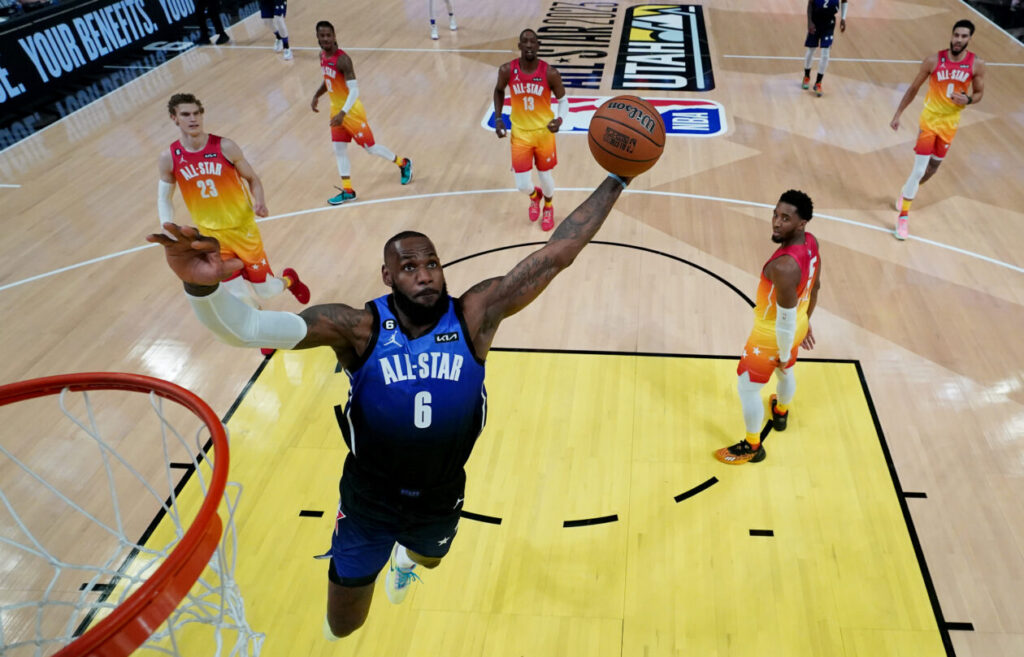
The digitalization of an athlete did not start with NBA Top Shot, but was rather introduced through video games. FIFA Ultimate Team serves as evidence that fans love player cards in any form. Gamers live-stream the opening of player packs, and videos of their reactions go viral. While these cards diverge from the traditional model because they represent a playable character, the agency, and utility a gamer gets from that card only furthers the connection.
While all of these digital representations remain in demand, the physical trading card is the Platonic ideal of fan and player connection. That may seem an anachronistic viewpoint, but the tangible nature of cards cannot be overstated. It’s almost akin to handwriting versus typing, retention is better with the former. In an age where digital licensing increasingly represents ownership, there is something uniquely special about literally having possession of the object.
In Victor Hugo’s “Hunchback of Notre Dame,” Hugo diverges from the story to address a crucial concern of his. He writes, “This will kill that. The book will kill the edifice.” Hugo’s concern is over a specific technological shift and how it will impact the human narrative. He argues that the mass distribution of the printed word will forever alter how societies tell stories.
Where once it was the edifice, or the building, that portrayed expression through architecture, now one has the book. Hugo does not necessarily see this as a bad thing, but rather as a reminder to appreciate the structures humanity used to create. Works like the Pyramids of Giza, the Colloseum, and Notre Dame Cathedral are all relics of that bygone era, but this is also why they are so famously visited today. Appreciating them through a book is not the same as being in the space.
Hugo’s words should be nearly swapped around, however, when it comes to the trading card today. While cards obviously contain text, it is often not about the text as much as it is a tactile representation of a player. This is why trading cards with pieces of jersey, a cleat, or the bat are so sought after. Trading cards are that edifice; they are an expression of a player’s journey, whether by rookie cards, legacy cards, or anything in between and take the fan on that journey.
