
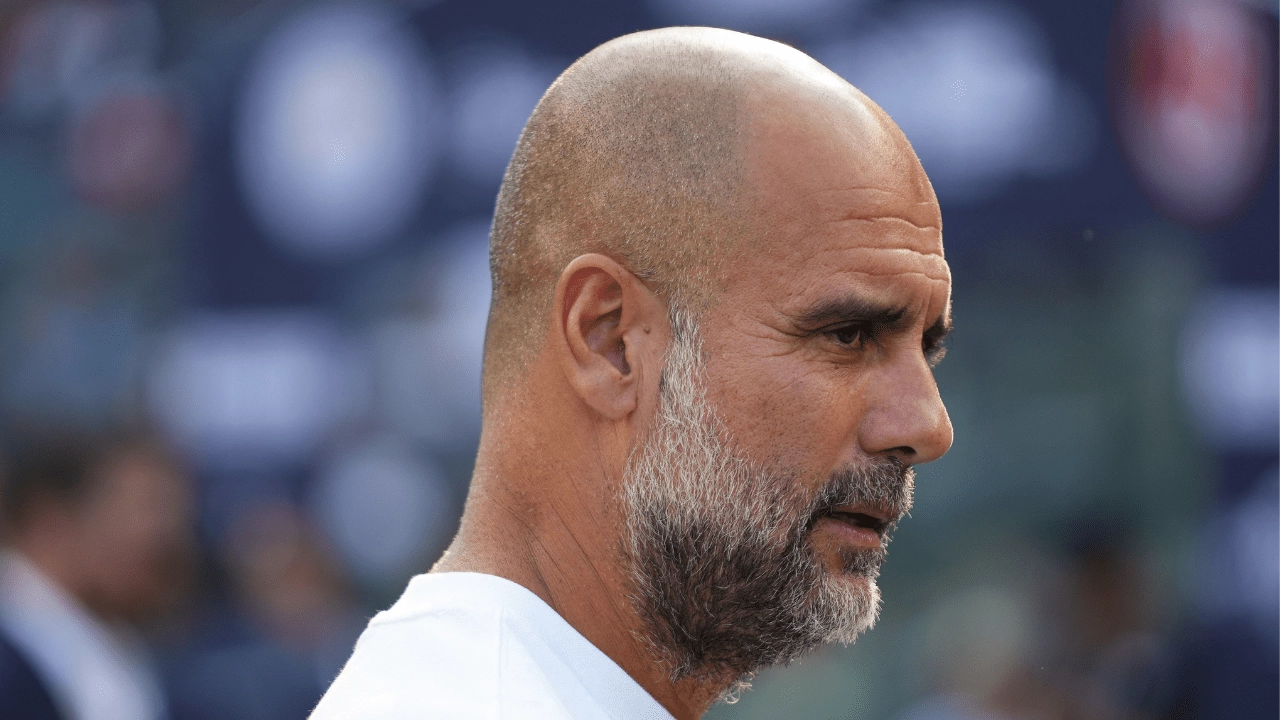
“A Beautiful Obsession“, the documentary based in how Pep Guardiola and Manchester City go through difficult times. After watching these four episodes you understand how Manchester City had the success they had over the past ten years.
The high standards, love, and passion that Guardiola has for the sport were then perfectly reflected on the field by his players. Although the documentary was filmed during some of the darkest years of his coaching career, the emotional side of the scenes is very touching. The documentary is very entertaining and is unlike others in which the interesting parts are cut out during the editing phase.
In these four episodes, we see Kyle Walker arguing with Guardiola, the coach and players shedding tears of sadness, and also how a computer program made the decision to sign Rayan Cherki.
When a soccer fan watches his team and notices that a player isn’t performing as well as he’d like, he doesn’t hesitate to boo him. The same for the coach, who often loses his job because of the team’s poor performance. Guardiola didn’t lose his job—but his job caused him to lose his wife. After an embarrassing defeat against Juventus of Turin, he mustered the courage to tell his players that he had divorced the love of his lifw. A woman he loved deeply, but with whom a loss of passion had led them to go their separate ways.
This speech had a dual purpose: first, to unburden himself to his players, and second, to encourage them to rekindle the passion for the sport that the field seemed to show they had lost. Manel Estiarte, Pep Guardiola’s right-hand man, acknowledges in an interview featured in the documentary that he went down to the locker room only once. That one time was to tell them not to judge the coach if he had mood swings or seemed distant—he was going through a divorce. Fans, like the players, see coaches as robots, but they are human beings with everyday problems. Problems that affect their performance on the job.
The love Guardiola had for his team and his efforts to maintain unity among them were shattered and suffered a minor setback when Kyle Walker went to AC Milan. At the lowest point of the worst season in a decade, the man who was captain—and was supposed to help restore the team’s lost energy—was the first to jump ship.
Pep Guardiola was deeply disappointed in the English player, who had recently been voted by his teammates as leader and captain. Injury-related absences that season, combined with a lack of leadership, weakened the team—a concept that is sacred to Guardiola.
Then, after another loss, Amazon’s cameras snuck into Guardiola’s postgame talk with the players. During the talk he called their performance a “disgrace” and said he feels alone when his players don’t follow his instructions. He concluded the talk by saying that at the press conference he would decide to defend his players, even though they didn’t deserve it.
Once again, a masterclass in team management and how to correct mistakes. Behind closed doors, you can tell people things to their face, but the press shouldn’t be used as an outlet to criticize a specific player or whole team. That would only poison the atmosphere, which is counterproductive during a losing streak.
As always, Guardiola was elegant throughout. Just as happened in 2012 with Barcelona, he ran out of energy and knew when it was time to leave. It was a sign of respect for himself, the club, and his players. Staying on until the end of his contract or for the money is a legitimate option—one that many would choose—but that’s not the case for him.
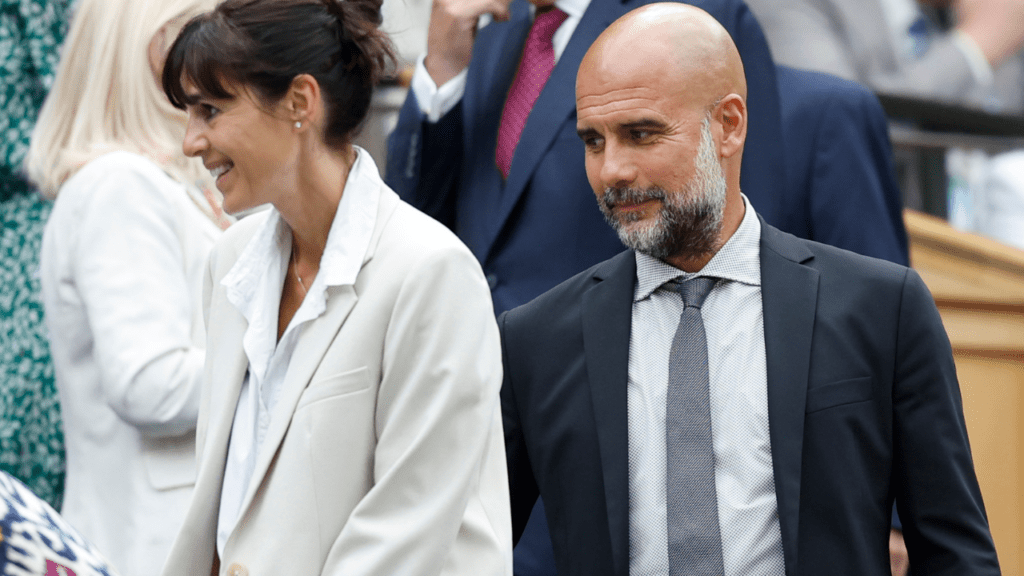
Guardiola was a well-considered decision aimed at what’s best for the club he loves so much: the opportunity to bring in a new coach who knows how to maintain the focus. Also to keep hungry and with the required energy to get through a ten-month season—thousands of hours on the road, away from family, with games every three days.
This documentary reveals how important is soccer for Guardiola and just how much he lives and breathes this sport. You could say he’s the best manager to ever sit on a bench. Not just because of the trophies he’s won, but also because of the power of his message and how hard he strives for excellence.
Everyone in the world of soccer knew of his quality as a strategist, but these four episodes reveal that, even in tough times, he remains, by far, brilliant.
